NASA’s Skyfall Mission to Deploy Three Helicopters Mid‑Descent for Water Ice Hunt
NASA secures a new contract to develop groundbreaking technology for an unprecedented Mars mission, moving the ambitious project closer to launch.
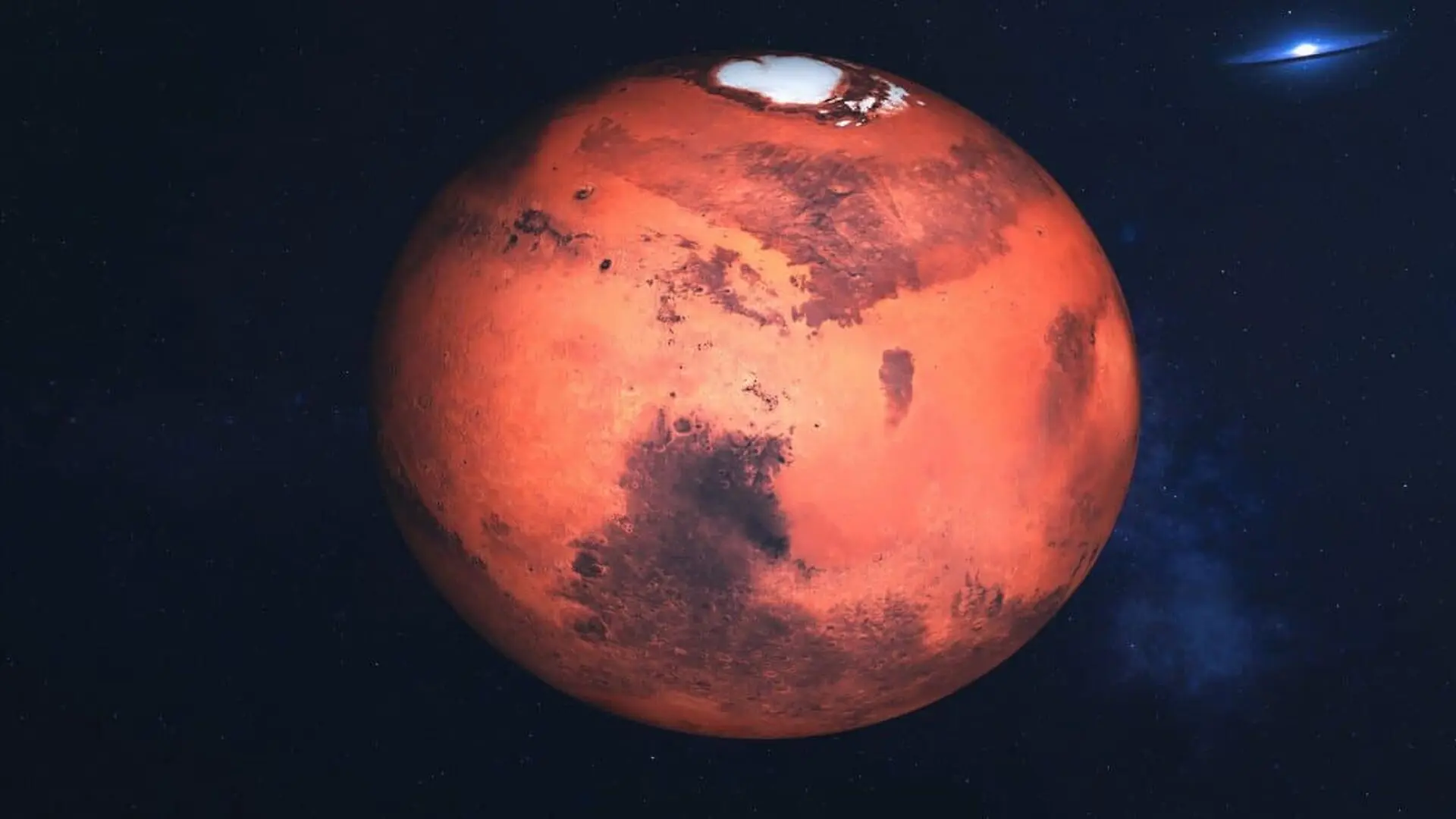
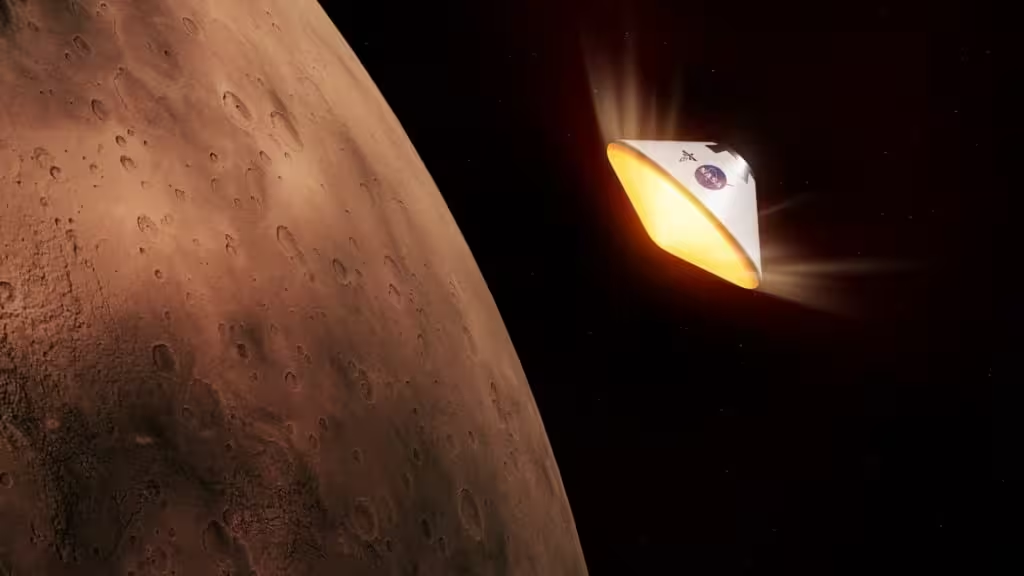
NASA has selected Firefly Aerospace to develop the aeroshell for its Skyfall mission, slated for a 2028 launch to Mars. The contract, worth roughly $13 million, tasks the company with creating a heat‑shield and backshell that will enable the spacecraft to release three helicopters that can begin searching for water ice almost immediately after entering the Martian atmosphere.
Skyfall represents a departure from traditional lander designs. Instead of touching down first, the mission will deploy three Ingenuity‑type helicopters while still descending, allowing them to start aerial surveys before any surface contact.
The entry vehicle must endure the severe thermal and aerodynamic stresses of Mars arrival. According to NASA, Firefly Aerospace won the subcontract from the Jet Propulsion Laboratory (JPL) to deliver this capability.
Firefly Takes on Critical Entry Design
Under the agreement, Firefly will engineer and fabricate the aeroshell that safeguards the Skyfall spacecraft during atmospheric entry. The system comprises both a heat shield and a backshell, which together protect the vehicle from intense heat and maintain the correct trajectory throughout descent. A press release from Firefly Aerospace notes that development will start at the company’s Gloworks facility in Texas.
“Our deep expertise in building large composite structures for both spacecraft and rockets gives us a unique advantage to enable critical planetary missions like SkyFall. We’re further innovating these core technologies through Gloworks to push the boundaries of what’s possible and open new frontiers across our solar system,” noted Shea Ferring, Chief Technology Officer at Firefly Aerospace.
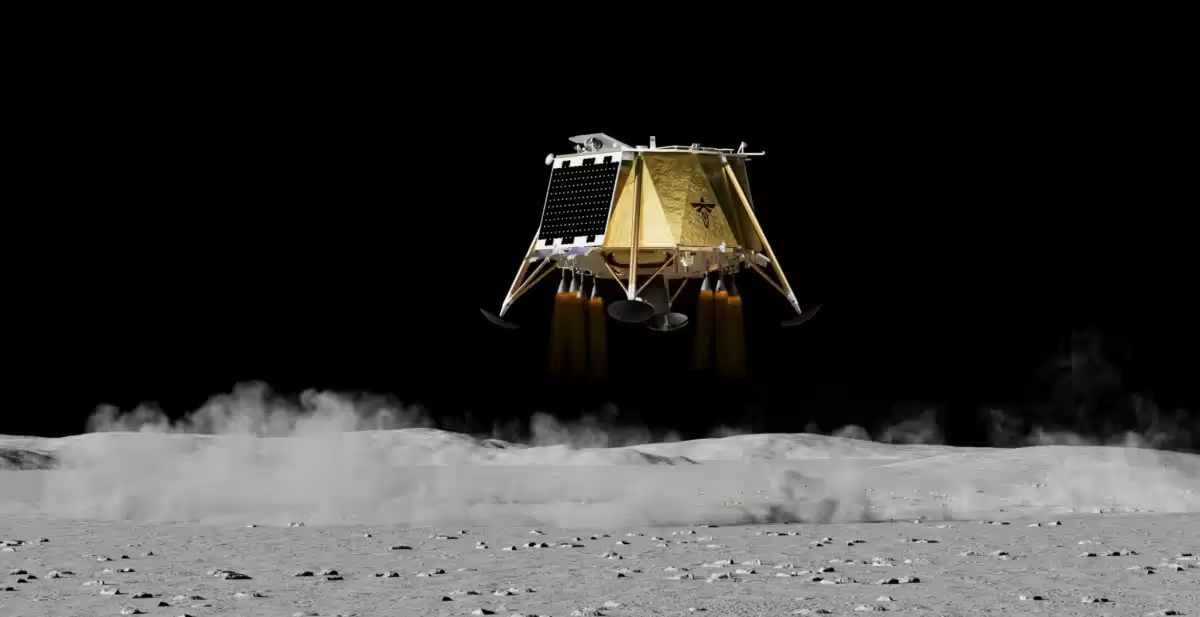
After design work concludes, production and testing will shift to Rocket Ranch in Briggs, Texas, before the completed hardware is shipped to JPL for integration. Firefly plans to leverage lessons learned from its Blue Ghost lunar lander as well as experience with the Alpha and Eclipse launch vehicles.
Helicopter Swarm to Probe the Martian Atmosphere
The Skyfall concept centers on a “SkyFall Maneuver” in which the spacecraft releases its three helicopters while still descending. The craft will then continue its trajectory toward the surface.
These rotorcraft, built on the same principle as Ingenuity, will activate immediately after deployment. Equipped with onboard prospecting instruments, they will map subsurface resources across the planet.
Data gathered by the aerial fleet will be used to locate water‑ice deposits and to assess potential landing zones for future crewed missions. The findings will also demonstrate the performance of the helicopters’ scientific payloads.
Lunar Lander Success Informs New Design
Firefly says the Skyfall contract builds directly on its Blue Ghost mission, which launched in January 2025 and achieved a soft landing on the Moon roughly two months later.
Blue Ghost became only the second commercial lander to touch down gently on the lunar surface, providing valuable experience that the company expects to apply to upcoming exploration projects.
“We’ve proved our ability to execute off‑Earth missions at a fraction of the cost and timeline through our successful Blue Ghost lunar mission,” said Ray Allensworth, Firefly’s vice president of spacecraft.
This article has been fact checked for accuracy, with information verified against reputable sources. Learn more about us and our editorial process.
Last reviewed on .
Article history
- Latest version
Reference(s)
- Schnautz, Risa. “Firefly Aerospace Receives $13 Million NASA JPL Subcontract to Build Aeroshell for SkyFall Mars Mission.”, July 7, 2026 Firefly Aerospace <https://fireflyspace.com/news/firefly-aerospace-receives-13-million-nasa-jpl-subcontract-to-build-aeroshell-for-skyfall-mars-mission/0/>.
Cite this page:
- Posted by Karan Das