Venus Aerospace Secures $91M to Scale Breakthrough Rotating Detonation Rocket Engine
New funding fuels a rocket engine project poised to transform space travel and hypersonic flight, promising faster missions and advanced aviation.
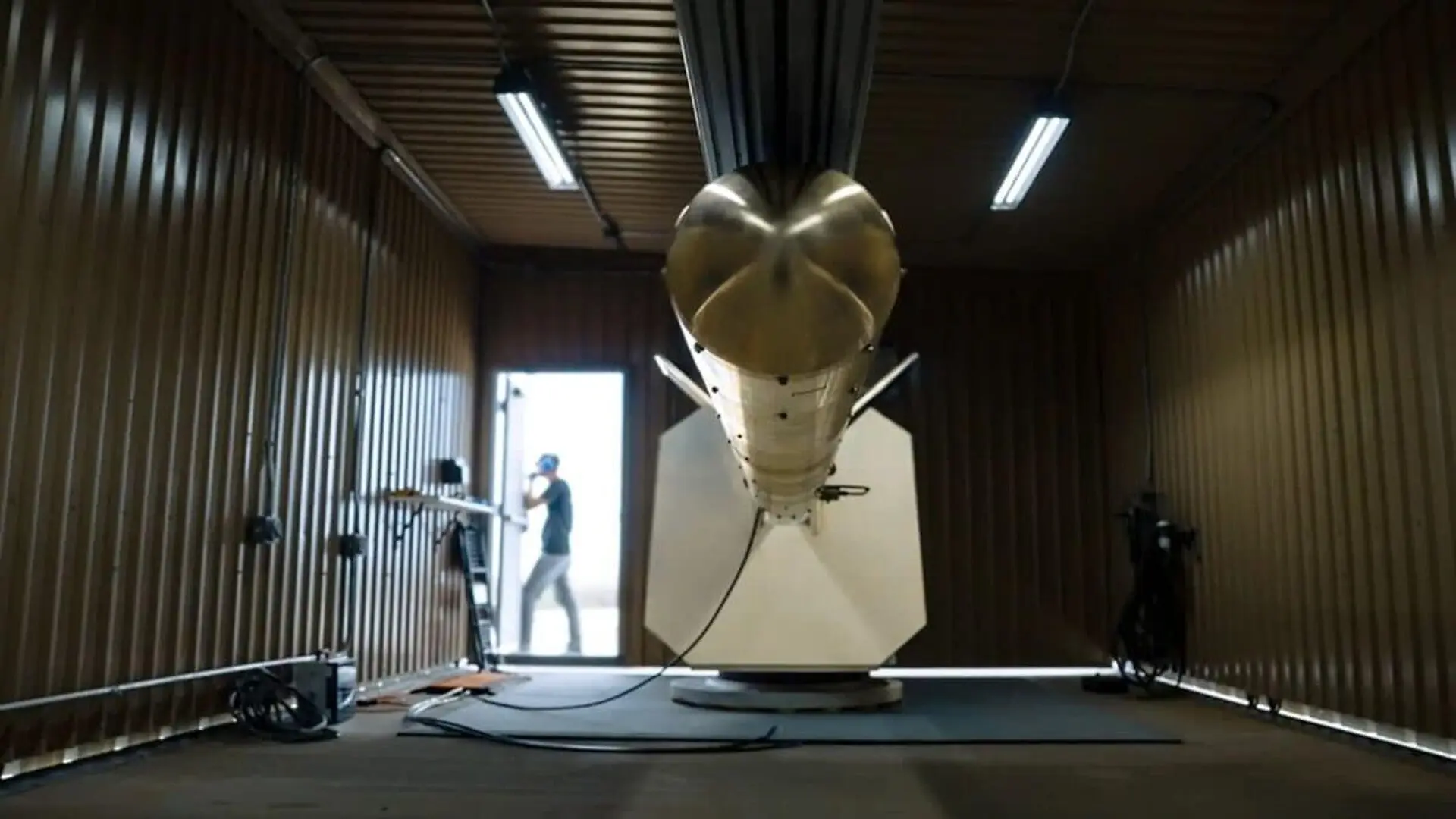
Venus Aerospace, a Houston‑based propulsion start‑up, announced a fresh injection of $91 million to accelerate the development of its rotating detonation rocket engine (RDRE). The capital will support the transition from flight‑tested prototypes to larger‑scale production, a move that could enable high‑speed aircraft and next‑generation spacecraft to benefit from the engine’s promised efficiency gains.
Major Funding Boost for a Cutting‑Edge Engine Concept
The rotating detonation rocket engine has long been a tantalizing idea for aerospace engineers, offering theoretical performance advantages that traditional rocket motors struggle to match. Despite the promise, practical implementation has remained elusive. In May 2025, Venus Aerospace completed a successful RDRE‑powered flight on U.S. soil, a milestone the company hailed as the first of its kind domestically.
The newly closed Series B round, led by Mercury Fund and joined by investors such as Lockheed Martin Ventures, furnishes the financial backing needed to scale the technology toward commercial and defense applications. Company leaders envision RDRE units capable of propelling aircraft from conventional runways to speeds near Mach 6, as well as serving orbital transfer stages and spacecraft destined for lunar or deep‑space missions.
Co‑founder and CEO Sassie Duggleby stressed the importance of moving beyond laboratory proofs. “Our customers require propulsion that reaches farther, can be manufactured reliably, and relies on supply chains they trust,” she said. “We are leveraging U.S. engineering talent to strengthen national defense, broaden access to space, and enable the next generation of high‑speed flight.”
Last year, we proved what was possible.
— Venus Aerospace (@VenusAerospace) July 8, 2026
Today, we’re accelerating what comes next.
Venus Aerospace has closed a $91M Series B led by @MercuryFund, with participation from @LockheedMartin Ventures, to transform our flight‑proven RDRE into deployable propulsion systems for… pic.twitter.com/wpoCVxib8H
How Rotating Detonation Engines Differ From Conventional Rockets
Standard rocket motors rely on a steady burn of fuel within a combustion chamber, producing thrust by expelling hot gases through a nozzle. In contrast, an RDRE sustains a high‑speed detonation wave that circulates around a toroidal chamber. This mode can achieve higher combustion efficiency, elevated chamber pressures, and greater thrust per unit of propellant.
The potential gains have attracted researchers for decades because any improvement in propulsion efficiency directly translates into larger payloads, more flexible missions, or extended ranges. The primary hurdle has not been the underlying physics but engineering a hardware platform that can survive the intense, repetitive detonations while maintaining structural integrity. Achieving stable, repeatable operation under those conditions remains one of the toughest challenges in modern propulsion design.
Space.com reported that the May 2025 flight demonstrated the RDRE’s ability to function in real flight environments, moving the technology from a laboratory curiosity toward a viable system. The data gathered from that test provides engineers with a foundation for refining the engine and evaluating its performance across a broader set of operating scenarios.
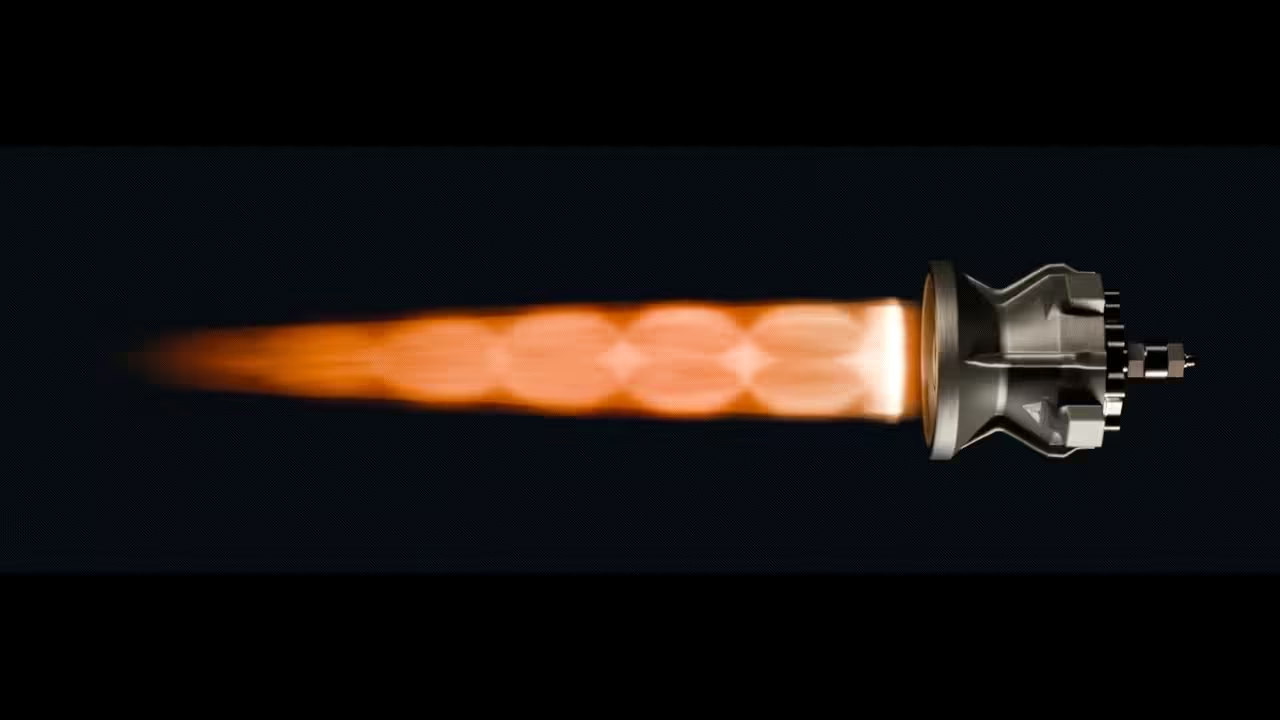
From Prototype Flights to Real‑World Defense and Space Missions
While the demonstration garnered attention, executives emphasize that the real objective is delivering engines that can operate reliably across diverse mission profiles. Scaling the RDRE involves more than a single successful test; it requires refining manufacturing processes, enhancing durability, validating performance under varied conditions, and integrating the engine into vehicles that meet stringent customer specifications.
Co‑founder and CTO Andrew Duggleby explained that the recent flight showcased not just a proof of concept but a design intended for mass production. “What differentiates our RDRE is that it has flown at high thrust and was engineered with scale, manufacturability, and mission integration in mind,” he said. “Our propulsion architecture blends efficiency, throttling, reusability, and production feasibility in a way that customers need for genuine defense and space operations.”
By positioning the RDRE as a practical alternative for both government and commercial programs, Venus Aerospace aims to compete in a crowded market where throttling capability, reusable operation, and compatibility with scalable manufacturing are increasingly valued. The company’s roadmap suggests a focus on delivering propulsion systems that can support higher launch rates and more ambitious mission objectives across the aerospace sector.
This article has been fact checked for accuracy, with information verified against reputable sources. Learn more about us and our editorial process.
Last reviewed on .
Article history
- Latest version
Reference(s)
- “https://twitter.com/VenusAerospace/status/2074848728289337384/video/1.” <https://t.co/wpoCVxib8H>.
Cite this page:
- Posted by Karan Das