SpaceX Launches First Commercial Nuclear CubeSat, Paving Way for Sun‑Less Space Power
SpaceX’s CubeSat tests commercial nuclear power, a breakthrough that could transform deep‑space missions beyond Earth.
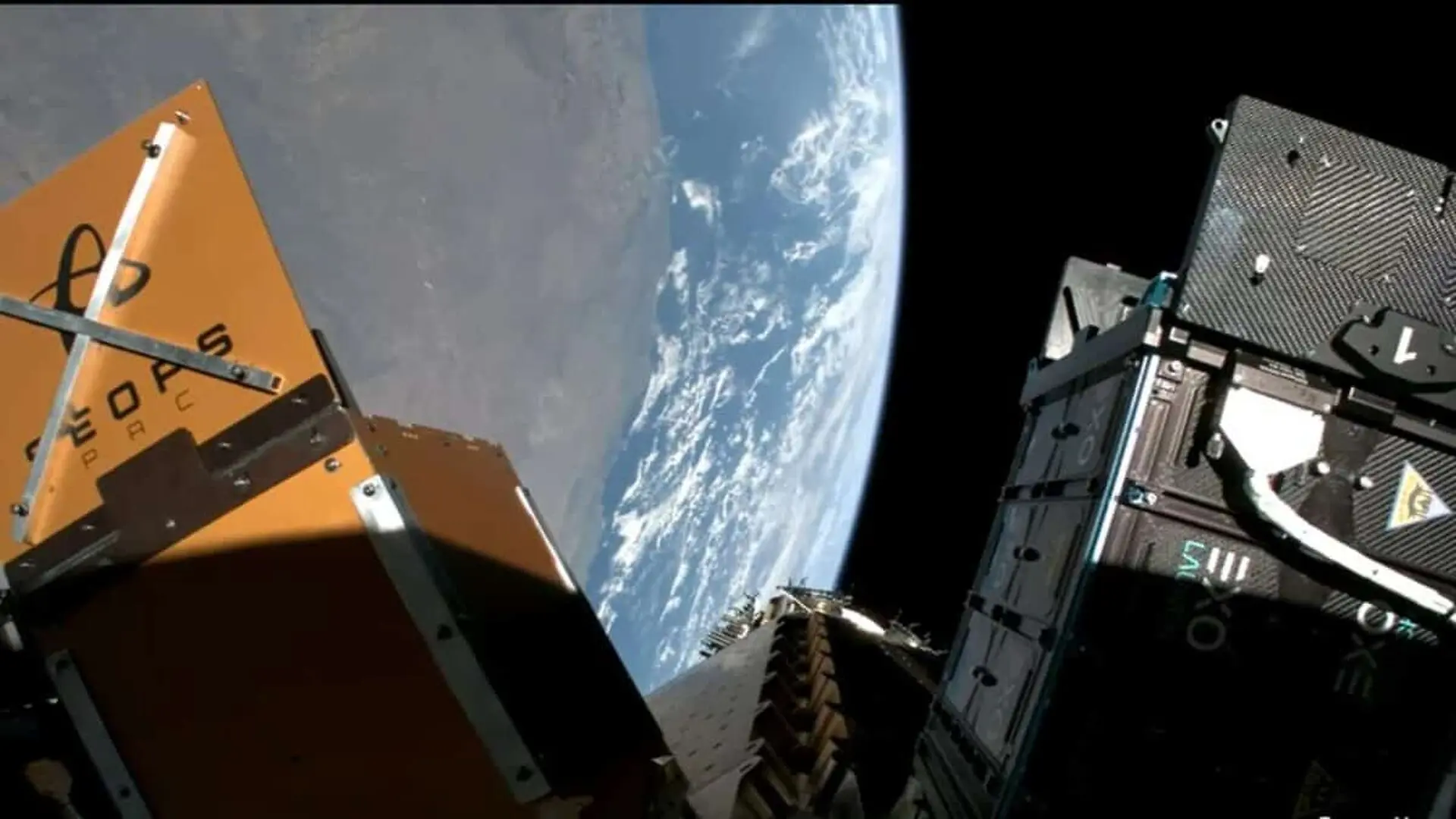
A CubeSat named BOHR, launched aboard a SpaceX Falcon 9 as part of the Transporter‑17 rideshare, has become the first privately built satellite powered by a nuclear source to reach orbit. While its solar arrays drive most of its functions, the mission’s core aim is to test City Labs’ NanoTritium betavoltaic system, a technology that could supply uninterrupted power in darkness‑filled environments beyond Earth.
Betavoltaic Technology Takes Its First Flight
City Labs’ BOHR CubeSat carries a miniature betavoltaic generator that harvests electricity from the steady decay of tritium. Unlike traditional radioisotope thermoelectric generators, which turn heat into power, the NanoTritium unit converts beta particles directly into electrical current using semiconductor components. This approach promises a lightweight, long‑lasting energy source that does not rely on sunlight, potentially opening new mission profiles for deep‑space and permanently shadowed locales.
Although the satellite still draws most of its operational power from solar panels, the flight serves as a proof‑of‑concept for the nuclear system under real space conditions. “This is a historic step for commercial nuclear power in space,” said City Labs CEO Peter Cabauy. The company views the demonstration as a critical step toward integrating nuclear‑based power into future commercial spacecraft while complying with existing safety regulations.
Among the 81 payloads that flew on the SpaceX Transporter-17 mission was City Lab’s BOHR (Betavoltaic Orbital High-Reliability), the 1st commercial nuclear-powered satellite. Following its deployment, we spoke with City Lab CEO Peter Cabauy about the technology. pic.twitter.com/5UpEIQ3fHy
— Spaceflight Now (@SpaceflightNow) July 7, 2026
How Nuclear Power Could Overcome Solar Limitations
Regions such as the permanently shadowed craters near the Moon’s South Pole, far‑out interplanetary trajectories, and extreme environments on other worlds all suffer from insufficient sunlight for conventional solar panels. Compact nuclear sources that deliver continuous power for years could address these gaps, a prospect that City Labs believes its NanoTritium system can eventually fulfill.
“City Labs’ BOHR arrives as the first commercial answer to that challenge,” the company said in a statement.
Beyond this single CubeSat, City Labs envisions scaling the technology for scientific, commercial, and defense missions. As plans for a long‑term lunar presence grow, reliable power sources capable of surviving the two‑week lunar night and operating inside permanently dark regions become increasingly vital.
Regulatory Hurdles Cleared for a Commercial Nuclear Launch
Deploying a spacecraft that contains radioactive material demands rigorous oversight. BOHR’s flight was enabled by a U.S. Department of Defense contract and marked the first commercial mission cleared under the Federal Aviation Administration’s nuclear launch protocol, which stems from National Security Presidential Memorandum‑20 issued in 2019. Tritium’s relatively low radiation profile simplifies handling compared with larger radioisotope systems, easing integration with standard commercial launch processes.
“City Labs’ tritium‑based power systems… are engineered for safe handling, transportation, and integration within standard commercial launch environments,” the company stated.
Space.com highlighted that this blend of regulatory approval, private‑sector investment, and successful deployment signals a shift toward commercial entities tackling missions that were once the exclusive domain of national space agencies.
Implications for Future Spacecraft and Exploration
Following launch, engineers will monitor BOHR to assess the NanoTritium unit’s performance over time, gathering data that will shape subsequent designs. If the technology meets expectations, it could power satellites operating in harsh conditions, support robotic explorers, and enable lunar infrastructure that requires continuous low‑level electricity for extended periods.
While the current system does not yet generate the massive energy needed for large habitats or industrial activities, each successful demonstration builds confidence in the concept and helps refine the regulatory framework needed for broader adoption.
“BOHR demonstrates that safe, compact, and regulatory‑approved nuclear power systems are ready for routine commercial deployment,” Cabauy said.
Whether future missions target shadowed lunar craters, distant planetary bodies, or emerging commercial destinations, the unassuming launch of this tiny CubeSat may be remembered as a pioneering step toward a new era of persistent space power.
This article has been fact checked for accuracy, with information verified against reputable sources. Learn more about us and our editorial process.
Last reviewed on .
Article history
- Latest version
Reference(s)
- “https://twitter.com/SpaceflightNow/status/2074607204808675553/video/1.” <https://t.co/5UpEIQ3fHy>.
Cite this page:
- Posted by Karan Das