Metal Detectorist Uncovers Rare 11th Century Norwegian Coin Hidden Beneath Copper Plate
A metal‑detecting hobbyist finds an old button that turns out to be one of Norway’s rarest coins, revealing a surprising archaeological treasure.
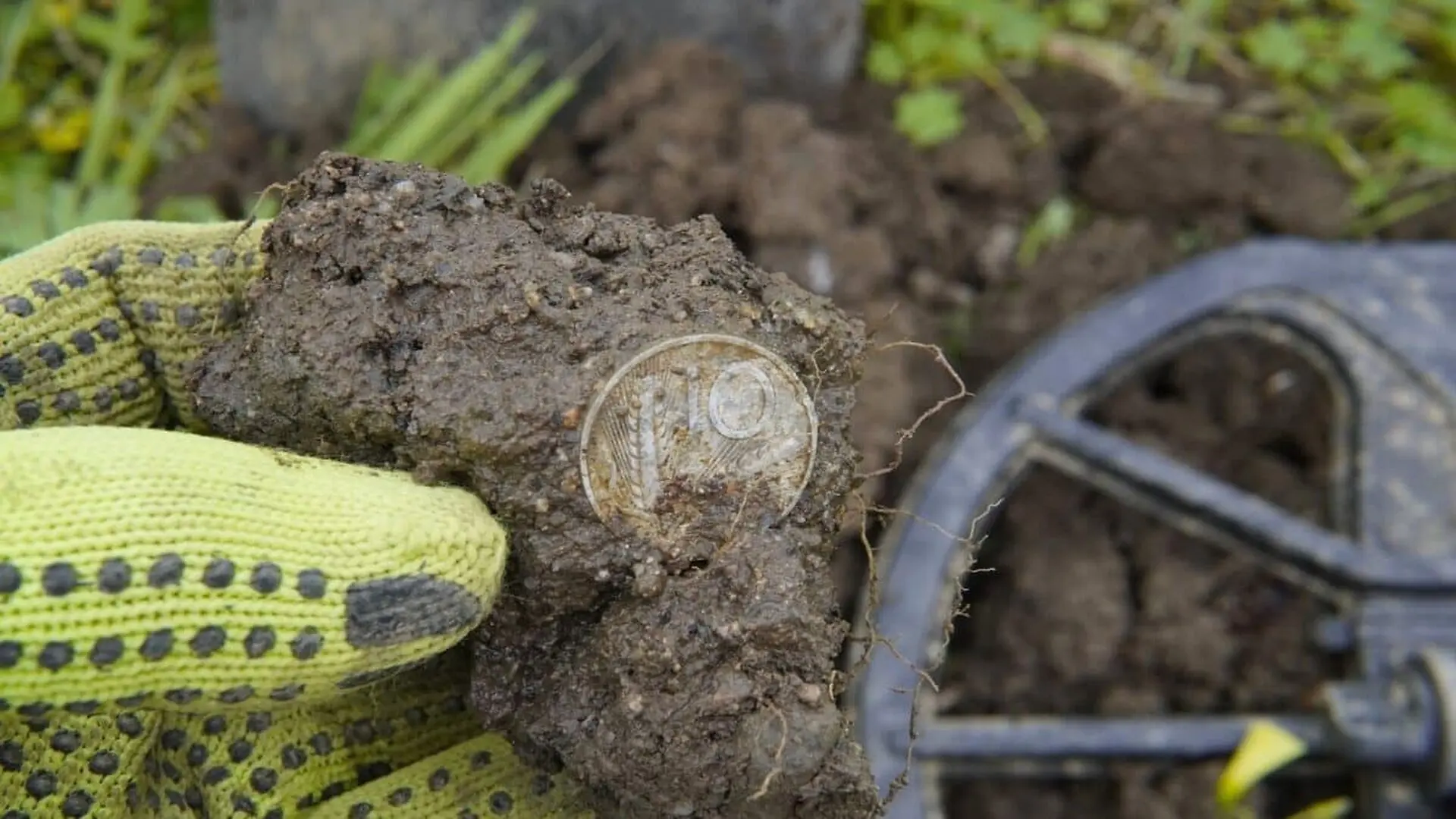
While metal‑detecting a field close to Utstein Abbey in southwestern Norway, a group of hobbyists uncovered a small metallic piece that initially resembled a post‑medieval button but later proved to be an exceptionally rare medieval coin.
Members of the Rygene Detection Club located the object about 10 to 15 centimetres beneath the soil. One side reflected a bright, silver‑like sheen, while the opposite face was cloaked in copper, masking any indication of its true age.
Detectorist Morten Eek chose to retain the find despite its modest appearance. Weeks later, a faint cross emerged on one surface, prompting the club to involve specialists from the Museum of Archaeology at the University of Stavanger. The experts identified the item as a scarce silver coin from the early medieval period.
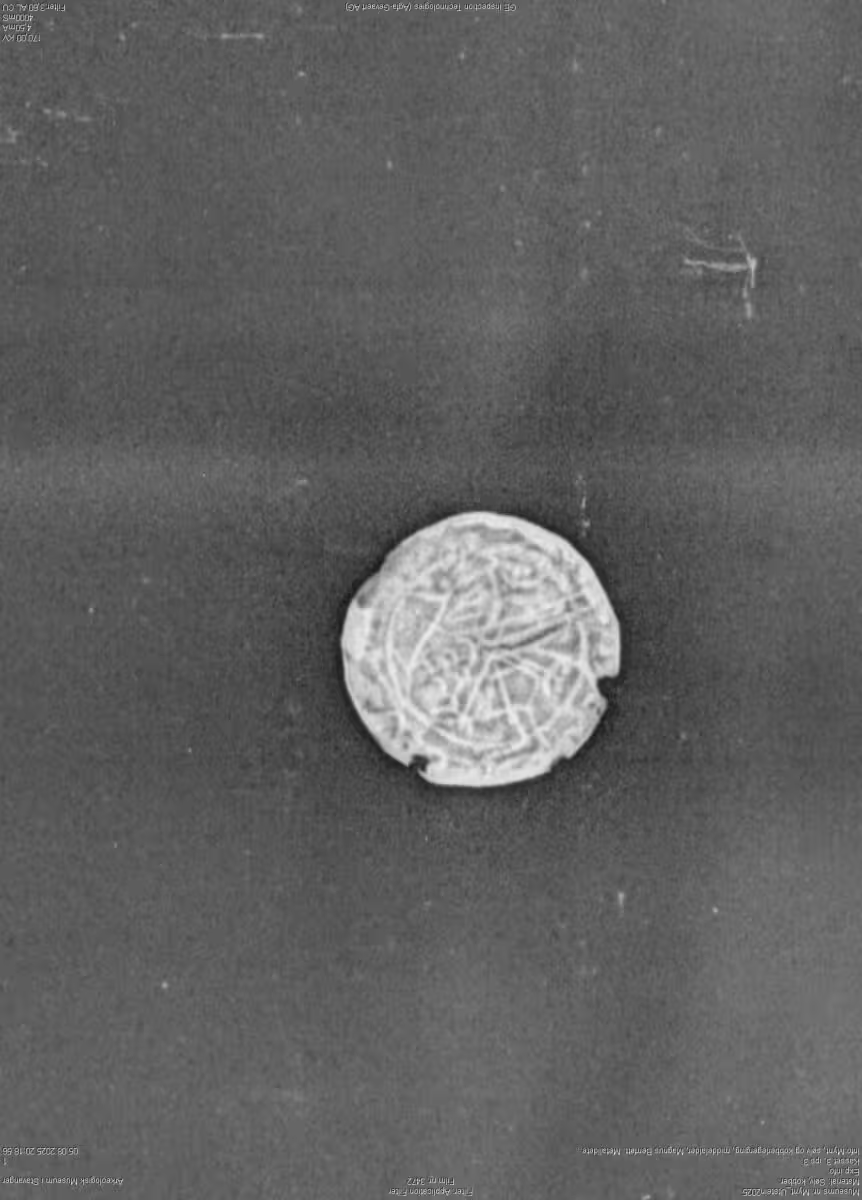
X‑ray imaging uncovers a hidden griffin beneath a copper shield
Archaeologists determined that the coin had been deliberately modified: a copper plate was affixed to one side and its edges folded over, giving the artifact the look of a button. Rather than removing the metal covering, researchers preserved the alteration as part of the object’s history and employed X‑ray scans to study the concealed side.
The scans revealed a creature resembling a griffin underneath the copper layer, while the exposed face bears a cross typical of Norwegian coinage minted between the late 11th and early 12th centuries. An inscription runs around the rim, though it is too fragmented to be read with certainty.
A Magnus Barefoot issue from the early 1100s
The coin originates from the reign of Magnus Barefoot (Magnús Berfœttr), who ruled Norway from 1093 to 1103. His campaigns reached the Hebrides, the Isle of Man and Ireland as he sought to extend Norwegian influence across the North Atlantic.
During Magnus’s tenure, a monetary reform introduced lighter coins that retained a high silver content, resulting in pieces of markedly superior quality compared with earlier issues.
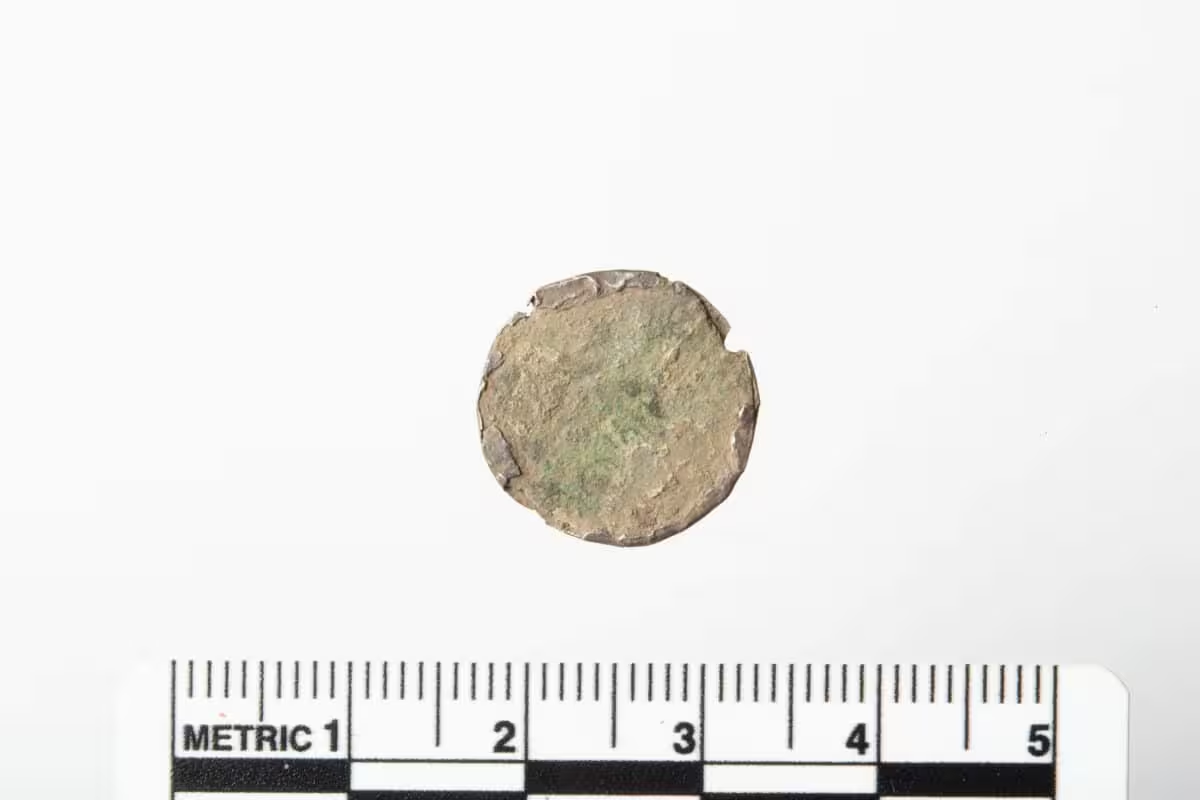
One of only a handful of known examples
The find adds to an extremely limited group of Norwegian medieval coins. Prior to this discovery, only four identical specimens had been recorded, all from Denmark and the Faroe Islands. Researchers suspect the Utstein Abbey coin may share a die with one of the Danish pieces.
Altogether, roughly one hundred coins attributed to Magnus Barefoot are documented, with very few recovered on Norwegian soil.
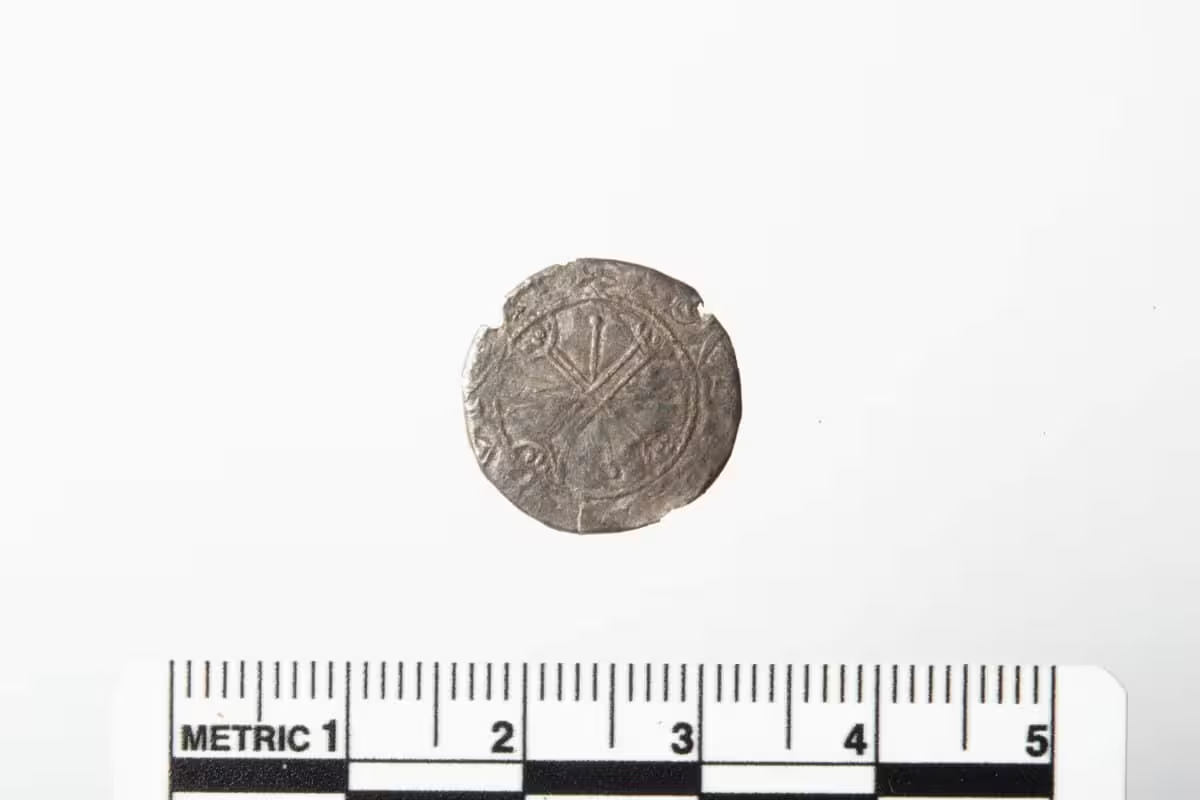
Archaeologists’ report on the University of Stavanger Museum’s website provides further details on the coin’s dual‑face design and its significance within Norway’s medieval monetary history.
This article has been fact checked for accuracy, with information verified against reputable sources. Learn more about us and our editorial process.
Last reviewed on .
Article history
- Latest version
Reference(s)
- “De mest spennende arkeologiske funnene i Rogaland i fjor.”, December 19, 2025 Universitetet i Stavanger <https://www.uis.no/nb/arkeologisk-museum/forskning/de-mest-spennende-arkeologiske-funnene-i-rogaland-i-fjor>.
- Posted by Zara Tariq