Decades‑Old Canned Salmon Reveal Ocean Health Through Parasite Counts
A 42‑year‑old stash of canned salmon uncovered a hidden contaminant, offering a surprising clue to how Alaska’s oceans are changing.
For decades a warehouse at Seattle’s Seafood Products Association held a cache of canned salmon that was routinely inspected for quality but never used again. Some of the tins dated back to 1979, long before anyone considered them a source of scientific data.
When the organization finally cleared the surplus, it donated the entire lot to the University of Washington. Fisheries researcher Chelsea Wood accepted the offer without hesitation. Neither Wood nor her team expected more than aged fish, yet the contents revealed a hidden trove of information for marine ecologists.
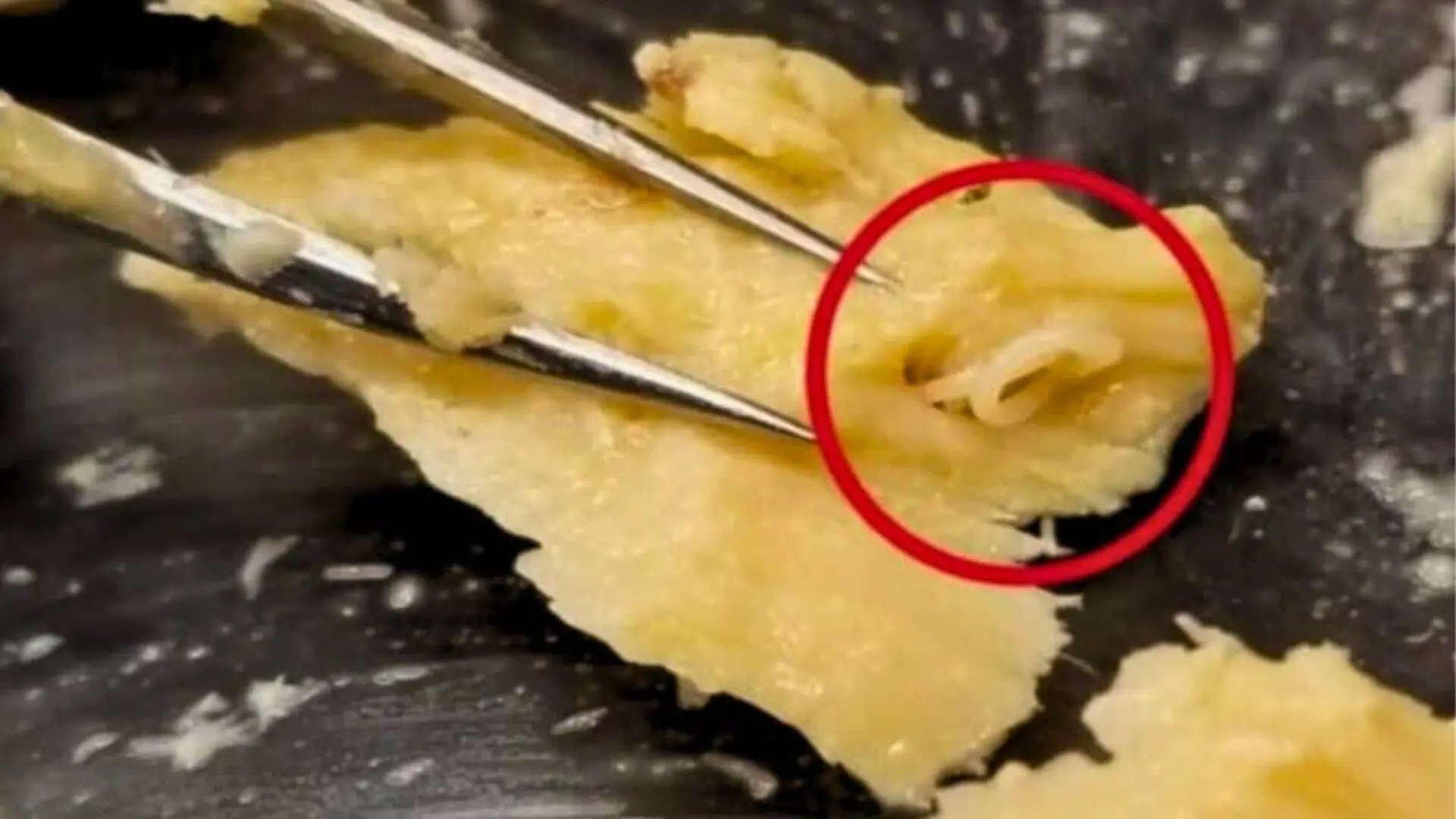
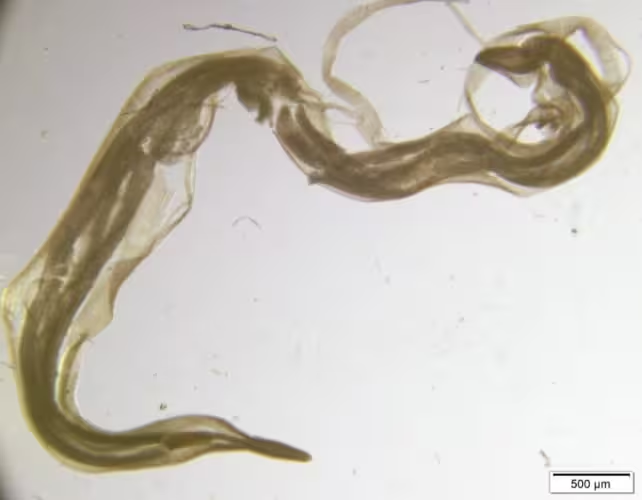
Inside the salmon fillets were preserved anisakid roundworms—tiny, roughly one‑centimetre parasites that inhabit fish muscle. Although the canning process killed the worms decades ago, their bodies remained intact. For Natalie Mastick, then a UW doctoral candidate and now a postdoctoral scholar at Yale’s Peabody Museum, these dead parasites became an unexpected dataset.
From Shelf Stock to Ecological Archive
The donation comprised 178 cans representing four salmon species: 42 chum, 22 coho, 62 pink, and 52 sockeye. All specimens originated from commercial catches in the Gulf of Alaska and Bristol Bay between 1979 and 2021. Because each tin displayed its catch date, the collection offers a continuous 42‑year snapshot of Alaskan marine life, assembled entirely from fish already processed for quality control.
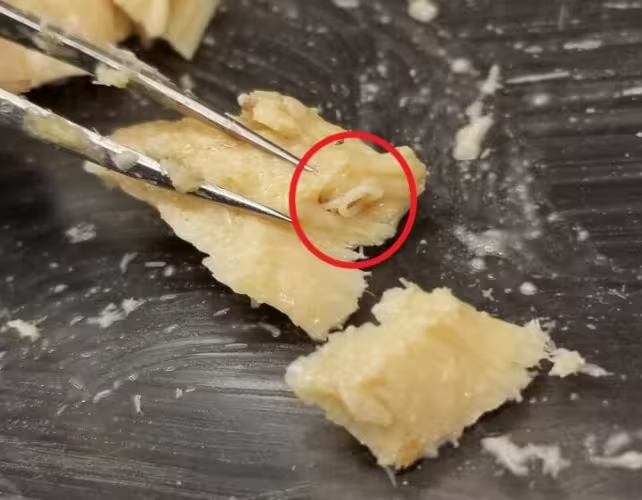
Extracting reliable worm counts from decades‑old canned fish required a series of trial runs. Mastick’s team evaluated several dissection techniques before adopting a method that worked across cans of varying ages. Because anisakids coil tightly within muscle tissue, a delicate approach was essential.
The final protocol involved gently separating the meat with forceps and inspecting it under a dissecting microscope. This allowed the researchers to tally worm remains per gram of salmon with sufficient precision to compare years and species, effectively converting a forgotten pantry into a usable scientific dataset.
Why Anisakid Numbers Reflect Ecosystem Health
Anisakids require a multi‑host life cycle. They begin as free‑swimming larvae, are consumed by tiny invertebrates such as krill, and then move up the food chain as each predator eats the infected prey. The cycle culminates when a marine mammal ingests the infected fish, providing the environment where the worms mature, reproduce, and release eggs back into the ocean.
Wood emphasizes that the presence of these parasites signals a robust food web rather than a flaw in the fish. The worms can only proliferate when every link—krill, small fish, salmon, and marine mammals—is intact. If any host disappears, anisakid numbers decline, making them a barometer of ecosystem integrity.
Humans are dead‑end hosts for anisakids, and fully cooked fish pose no risk because the parasites are already dead. However, consuming raw or undercooked fish can lead to anisakiasis, an illness that mimics food poisoning with symptoms such as abdominal pain, nausea, and vomiting.
Divergent Trends Among Salmon Species
The 42‑year record revealed two distinct patterns. Anisakid counts rose steadily in chum and pink salmon, while levels in coho and sockeye remained relatively flat.
Mastick interprets the upward trend in chum and pink as evidence that the parasites are finding all necessary hosts and successfully completing their life cycle each year. In this context, increasing worm numbers indicate a functioning marine ecosystem rather than a warning sign.
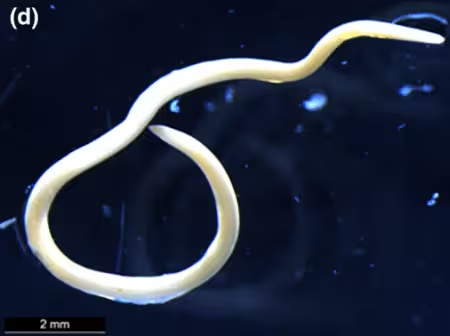
The steadiness in coho and sockeye is harder to explain, partly because the canned material does not preserve the soft internal structures needed to identify worm species. While the researchers could confirm the parasites belonged to the anisakid family, they could not determine the exact species, leaving open the possibility that differing anisakid taxa drive the contrasting trends.
Linking the Rise to Marine Mammal Protection
One plausible driver for the increase in chum and pink salmon parasites traces back to the Marine Mammal Protection Act of 1972. The legislation prohibited hunting, harassment, and killing of marine mammals throughout the United States, prompting a gradual recovery of seal, sea lion, and whale populations along Alaska’s coast.
As these mammal numbers grew, more opportunities arose for anisakids to complete their final reproductive stage inside marine mammal intestines, which aligns with the rising worm counts observed in chum and pink salmon.
The authors also note that warming ocean temperatures and broader environmental regulations, such as the Clean Water Act, may have contributed to the observed trends. No single factor fully accounts for the pattern, but the timing coincides closely with the post‑1972 resurgence of marine mammals.
This article has been fact checked for accuracy, with information verified against reputable sources. Learn more about us and our editorial process.
Last reviewed on .
Article history
- Latest version
Reference(s)
- Urton, James. “What four decades of canned salmon reveal about marine food webs.” UW News <https://www.washington.edu/news/2024/04/04/canned-salmon/>.
- <https://www.cdc.gov/parasites/anisakiasis/faqs.html>.
- “Laws & Policies : Marine Mammal Protection Act | NOAA Fisheries.” <https://www.fisheries.noaa.gov/topic/laws-policies/marine-mammal-protection-act>.
Cite this page:
- Posted by Hassan Raza