Tardigrades Thrive In Space Vacuum: Could They Become Humanity’s First Interplanetary Seeders
Tardigrades, the microscopic ’water bears’, survived space vacuum, extreme cold and intense radiation in lab tests, proving near‑indestructibility.
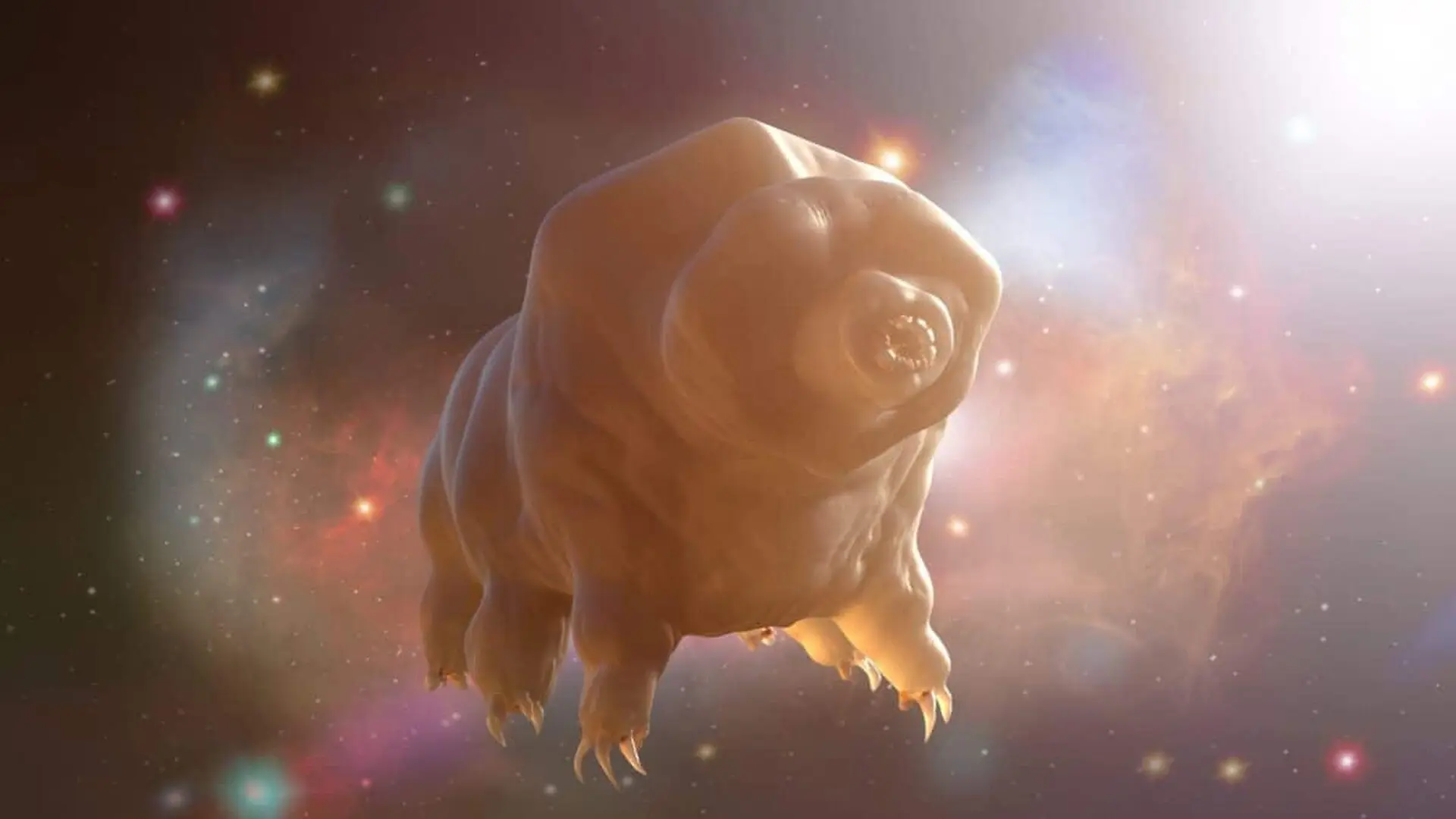
The debate over how life first appeared on Earth has long inspired theories that the cosmos could have delivered living material to our planet. One such hypothesis, panspermia, argues that organisms might have arrived on Earth attached to dust, meteoroids, or even spacecraft, rather than emerging from Earth’s own chemistry. Recent research asks whether humanity could become the next carrier, using the planet’s most resilient micro‑animals as a test case.
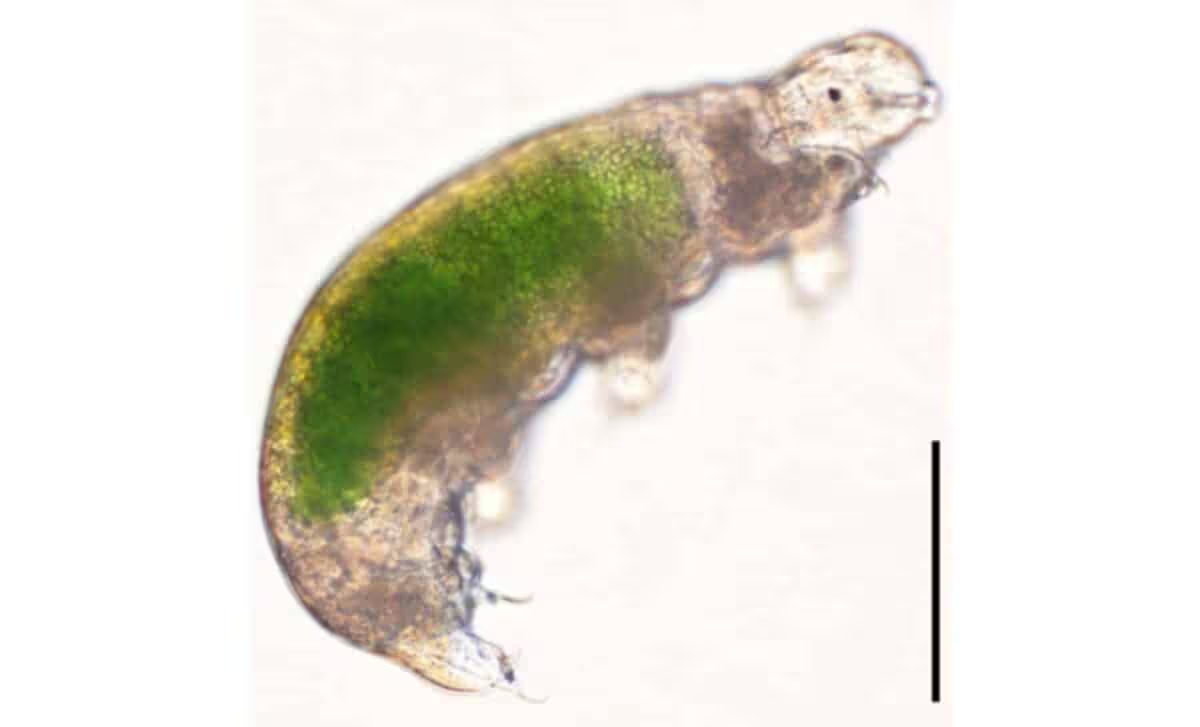
Tardigrades—tiny, eight‑legged creatures often nicknamed water bears—are celebrated for thriving in environments that would annihilate most life forms. Their ability to withstand radiation, desiccation, and extreme temperatures makes them a focal point for scientists evaluating the feasibility of deliberately spreading life beyond our world.
Molecular Shields and Dormant Strategies
Two key adaptations grant tardigrades their near‑impervious reputation. The first is a protein known as Dsup (damage suppressor), which acts like a protective coat for DNA against ionising radiation. The second is a reversible state called cryptobiosis, during which the animal evacuates water, curls its body, and suspends metabolism until conditions improve.
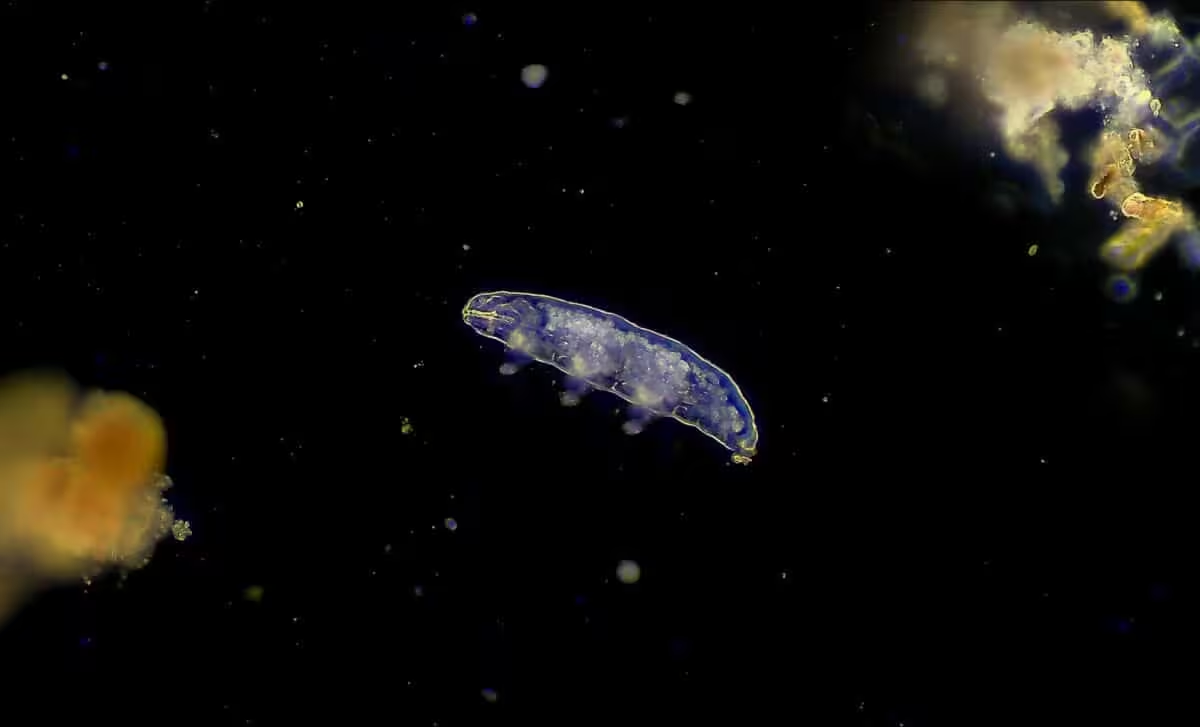
Research published in ScienceDirect indicates that tardigrades can endure roughly three decades without food or water while in cryptobiosis. This remarkable stamina has led to space‑flight experiments where the animals were exposed to vacuum, freezing, and intense radiation simultaneously. Results reported in a peer‑reviewed study confirm that many specimens survived the ordeal.
Why Nearby Worlds Pose Tough Challenges
Even the hardiest organisms face obstacles on the Moon, Mars and Venus, according to astrobiologist David Grinspoon of the Planetary Science Institute. The lunar surface lacks an atmosphere, offering no shielding from solar radiation or temperature extremes, and provides no liquid water, meaning tardigrades would likely remain dormant rather than reproduce.
A 2019 Israeli lunar mission that carried tardigrades and DNA samples crashed on the Moon, raising the possibility that the creatures already exist there. Grinspoon stresses, however, that mere survival does not equal colonisation; reproduction is the true test of life taking hold.
Mars presents a harsher surface environment—sub‑zero nights, fierce dust storms and high radiation—but underground aquifers could offer shelter. Grinspoon notes:
“It may not be ideal for life in that there might not be a lot of energy flow at those depths, but one thing, again, we’ve learned from the extremophiles of Earth is that life can exist in places without a lot of energy flow.”
Venus’ cloud layer offers Earth‑like pressure and temperature, yet its sulfuric‑acid clouds would be lethal for most organisms, including tardigrades. Acid‑tolerant microbes might survive, but the planet remains a marginal candidate. By contrast, the icy moons of the outer Solar System—Europa, Enceladus, and even Titan—present subsurface oceans and hydrothermal activity that could support life, as suggested by Carnegie Science astrobiologists Dionysis Foustoukos and Andrew Steele, who point to Earth’s deep‑sea vents as analogues.
Moral Limits on Cosmic Seeding
Even if the technology existed to disperse life beyond Earth, scientists warn of profound ethical implications. Foustoukos describes intentional contamination of a non‑sterile world as tantamount to an invasion. Grinspoon concurs, arguing that any hint of indigenous life obliges humanity to adopt a hands‑off stance to avoid erasing an existing biosphere.
Steele adds that a single tardigrade carries a suite of symbiotic microbes, meaning that releasing one would effectively introduce an entire microscopic ecosystem. Grinspoon also reminds that rockets and spacecraft inevitably transport bacterial hitchhikers, making truly clean interplanetary travel impossible.
The scientific stakes are equally high. Discovering native Martian microbes would provide a priceless window into an independently evolved form of life, and contaminating such a site would rob researchers of that unique insight. Moreover, understanding how organic compounds behave in an environment devoid of life—such as the Moon’s barren surface—is essential for distinguishing genuine biosignatures elsewhere, a principle that underlies planetary‑protection policies.
This article has been fact checked for accuracy, with information verified against reputable sources. Learn more about us and our editorial process.
Last reviewed on .
Article history
- Latest version
Reference(s)
- <https://www.sciencedirect.com/science/article/pii/S0011224015300134?via%3Dihub>.
- Weronika, Erdmann. “Tardigrades in Space Research - Past and Future.”, vol. 47, no. 4, pp. 545 PubMed Central (PMC), doi: 10.1007/s11084-016-9522-1. <https://pmc.ncbi.nlm.nih.gov/articles/PMC5705745/>.
Cite this page:
- Posted by Hassan Raza