Scientists Opened a Sealed Cave for 20,000 Years and Found Perfectly Preserved Artworks
Concealed within the depths of stone for two millennia, this cave shelters artwork that defies expectations of preservation. The discoveries made by researchers inside are extraordinary, but a significant mystery remains unsolved: the identity of the creators.
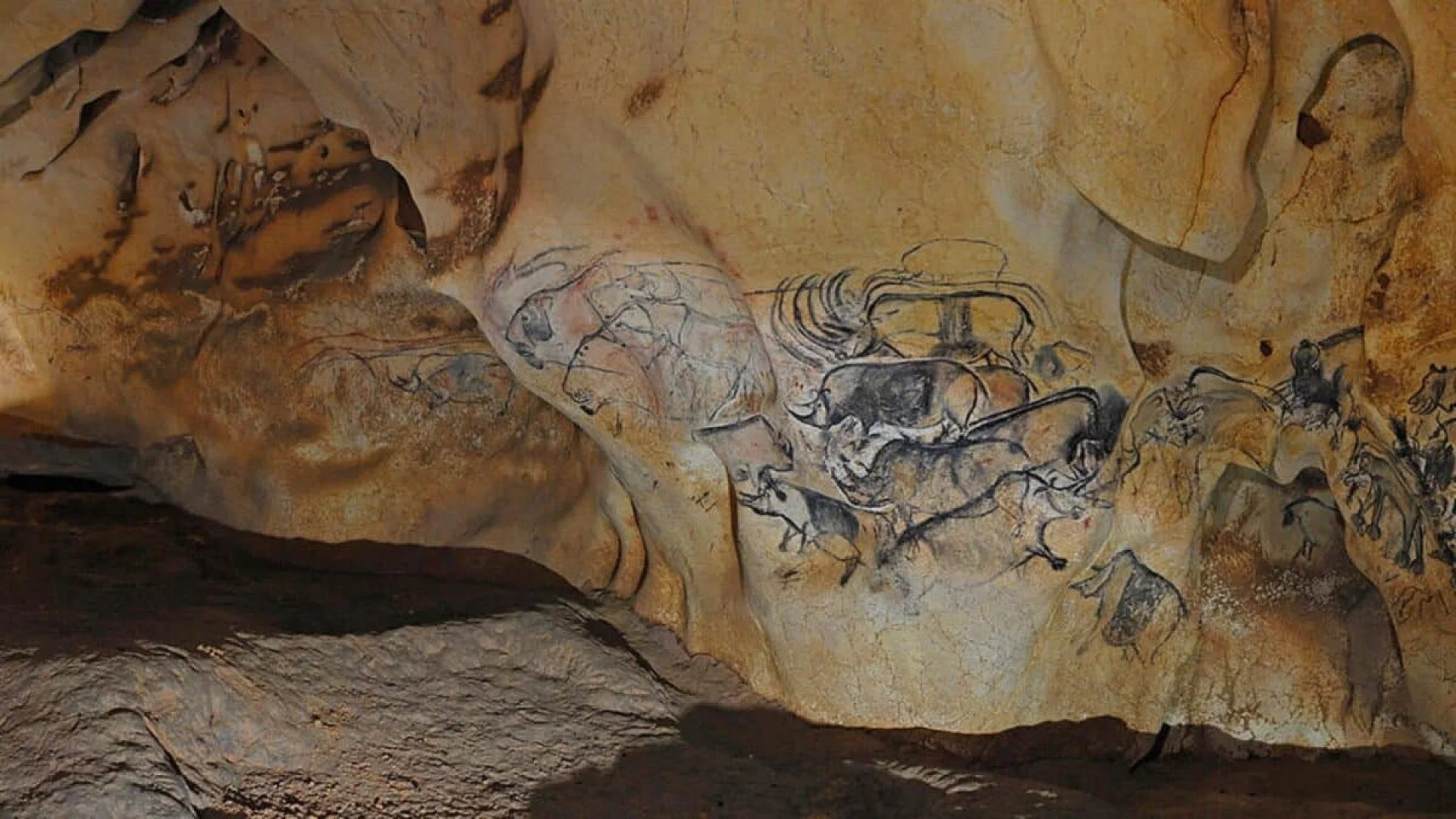
The Chauvet Cave, a hidden treasure in southern France, has been shrouded in mystery for thousands of years. This ancient site, discovered in 1994, holds some of the oldest known human drawings, dating back an astonishing more than 30,000 years.
The cave’s walls are adorned with an impressive array of 1,000+ drawings, showcasing the artistic prowess of the Aurignacian people. These early humans left behind a remarkable testament to their artistic expression, which has been remarkably preserved due to the cave’s natural seal created by a rockfall around 20,000 years ago.
A Window to the Past
The cave’s pristine state has allowed researchers to gain a unique insight into the lives of early humans. The site contains an extensive collection of animal remains and human footprints, providing a comprehensive picture of life during the Aurignacian period.
According to the UNESCO, the cave’s artwork is a masterpiece of prehistoric art, featuring intricate details and techniques such as shading, engraving, and layering. The unknown artists skillfully used the contours of the rock surface to create dynamic compositions that seem to come alive.
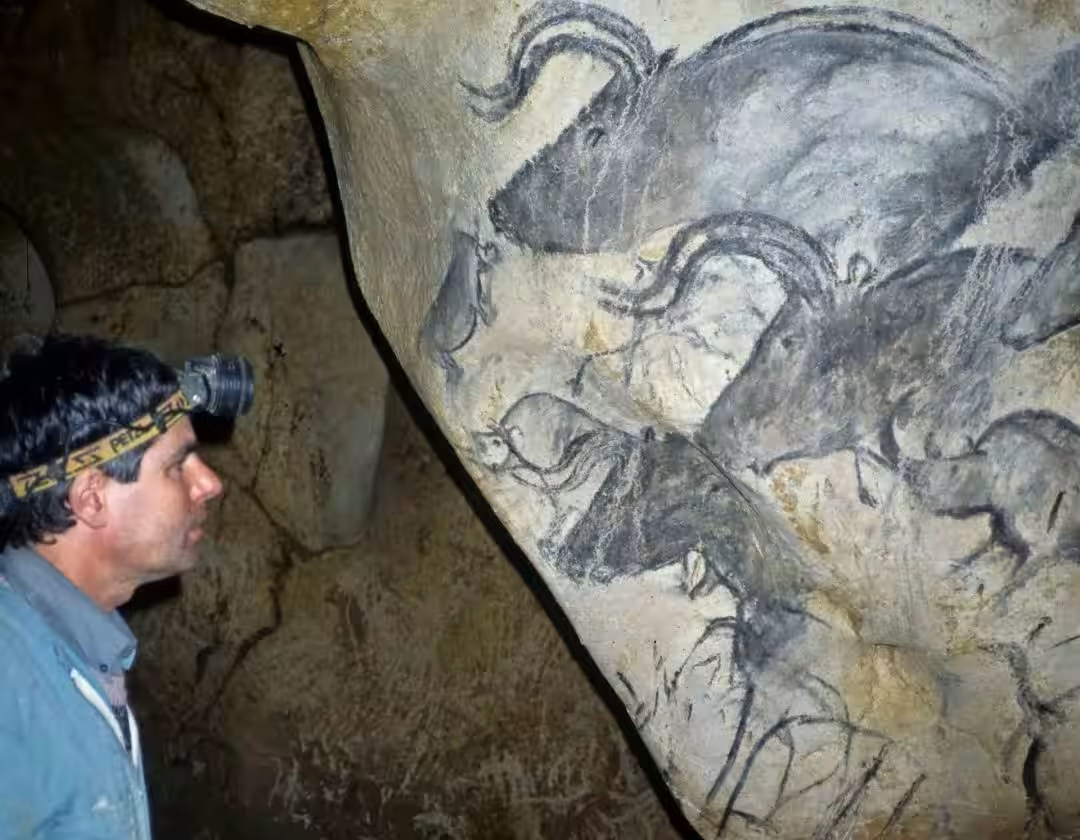
The cave’s artwork is a testament to the creativity and skill of early humans, who were able to capture the essence of their surroundings with remarkable accuracy. The site’s unique preservation has allowed researchers to gain a deeper understanding of the lives and artistic expression of the Aurignacian people.
A Rare Opportunity
The Chauvet Cave is a treasure trove of prehistoric art and culture, providing a rare opportunity for researchers to study the lives and artistic expression of early humans. The site’s pristine state has allowed researchers to gain a unique insight into the lives of early humans, and the UNESCO has recognized its importance by designating it a World Heritage Site.
The cave’s natural seal has preserved the site in its original context, making it a unique record of early human culture. The site is closed to the public, with access limited to a small number of researchers under strict monitoring, to ensure the preservation of this treasure for future generations.
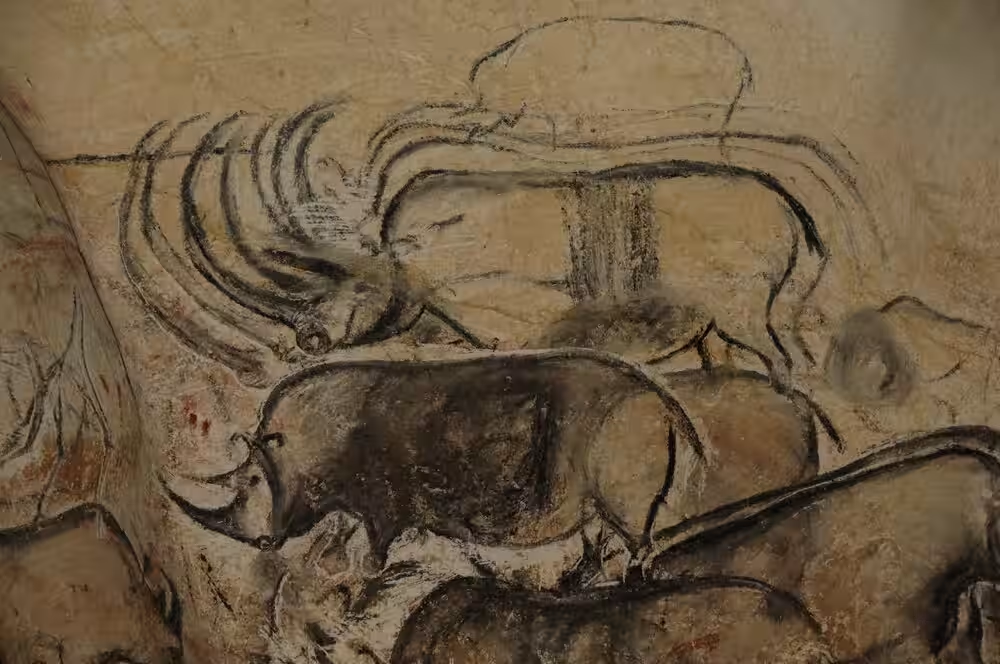
The Chauvet Cave is a time capsule of prehistoric art and culture, providing a unique window into the lives and artistic expression of early humans. This treasure has been preserved for tens of thousands of years, frozen in time, and is a testament to the creativity and skill of our ancient ancestors.
This article has been fact checked for accuracy, with information verified against reputable sources. Learn more about us and our editorial process.
Last reviewed on .
Article history
- Latest version
Reference(s)
- “Decorated Cave of Pont d’Arc, known as Grotte Chauvet-Pont d’Arc, Ardèche.” UNESCO World Heritage Centre <https://whc.unesco.org/en/list/1426/>.
Cite this page:
- Posted by Hassan Raza