Scientists Uncover a 100-Foot Dinosaur Fossil So Heavy It Cracked the Road Beneath During Transport
Un gigantesco dinosaurio que, con su imponente presencia, marcó incluso el camino que pisaba. Sin embargo, este titán prehistórico guarda secretos mucho más profundos que su simple envergadura.
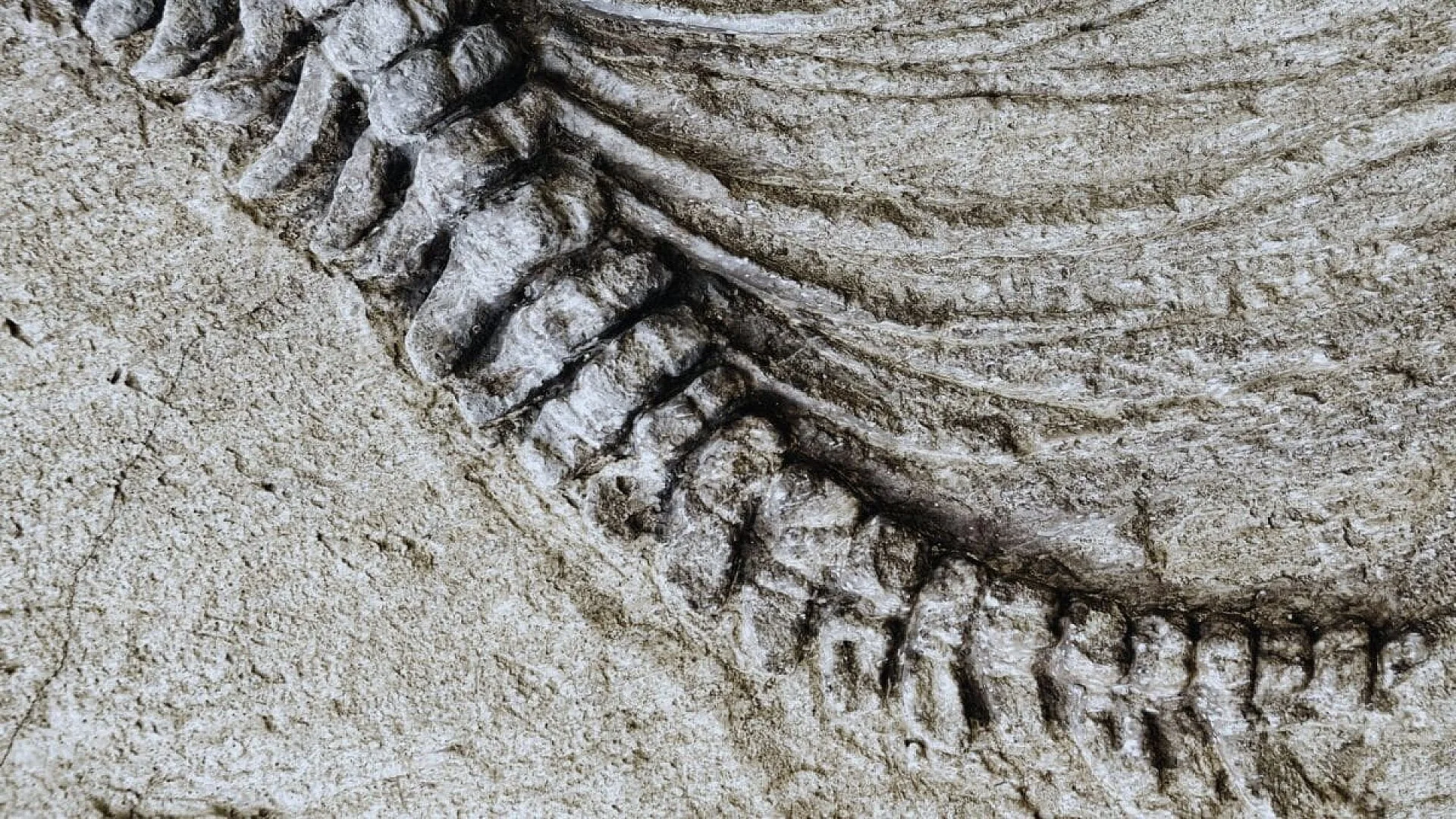
A monumental dinosaur fossil unearthed in Argentina’s Patagonia region sparked a chaotic scene on the roads when it was being transported to a laboratory for further study. The fossilized remains of the Chucarosaurus diripienda, a long-necked titanosaur that roamed the Earth approximately 90 million years ago, were so massive that they caused a section of the road to collapse under their weight.
The discovery of Chucarosaurus diripienda holds significant importance not only due to its enormous size but also because of the logistical challenges that came with handling such a massive fossil. The fossilized remains, including crucial bones from the dinosaur’s limbs, were discovered in 2018 in the Río Negro province of Argentina. The paleontologists involved in the excavation and transport of the fossils were caught off guard by the dramatic consequences of moving these massive bones, highlighting the sheer scale of the prehistoric creatures that once inhabited our planet.
A Dinosaur That Defied Easy Transport
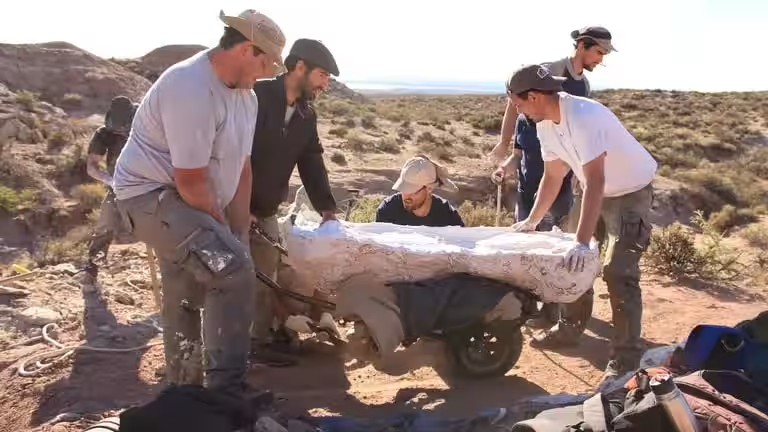
The fossils of Chucarosaurus diripienda were scattered across the Patagonian hills, necessitating a delicate extraction and transport process. According to Fernando Novas, the senior author of the study, the fossilized bones were so large that moving them required a coordinated effort from multiple individuals to inch them along.
The real challenge arose when the fossils were being transported to Buenos Aires, where the vehicle carrying them became unstable due to their immense weight, resulting in a traffic accident. Miraculously, the fossils remained undamaged despite flying through the air.
“The weight destabilized the vehicle and caused an accident,” he said. “Luckily, no one was seriously injured, and the bones of this dinosaur, which flew through the air, were so hard that they were not damaged. On the contrary, they broke the asphalt of the road.”
The incident had a lasting impact on the scientific community, influencing the dinosaur’s scientific name: Chucarosaurus diripienda. The name is derived from Quechua, meaning “hard and indomitable animal,” and Latin, referring to “scrambled,” reflecting both the weight of the fossils and the accident they caused.
A Colossal Dinosaur, but Not the Largest
While Chucarosaurus diripienda was certainly massive, it wasn’t the largest titanosaur to have ever roamed the Earth. There were other giants that surpassed it in size, as Novas explained:
“It is far from being one of the largest and most colossal dinosaurs, such as Patagotitan, Argentinosaurus, or Notocolossus, which would have weighed between 70 tons [63.5 metric tons].”
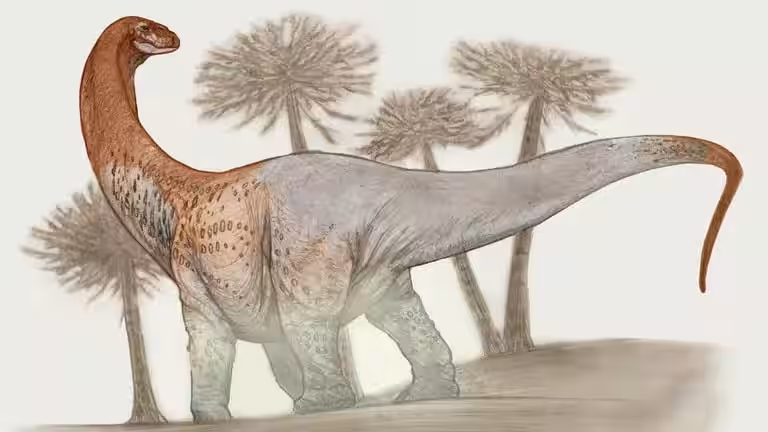
That said, Chucarosaurus was still a heavyweight, estimated to weigh between 30 and 40 tons and measuring about 100 feet long. It was one of the larger herbivores of its time, and its size would have made it an impressive presence in the Cretaceous period.
Its long neckallowed it to reach food that smaller plant-eaters couldn’t access, feeding on high-up leaves in the trees. Its tail, likely long and powerful, might have been used as a defense against carnivorous dinosaurs that would have seen it as prey. Even though it wasn’t the largest of its kind, Chucarosaurus was still a dominant figure in the mid-Cretaceous period.
Unusually Thin Limbs for a Dinosaur of Such Size
The research, published in the journal Cretaceous Research, highlights a fascinating aspect of Chucarosaurus:: its limb anatomy. While titanosaurs are typically known for their large, thick limbs, Chucarosaurus had surprisingly slender bones for such a massive creature.
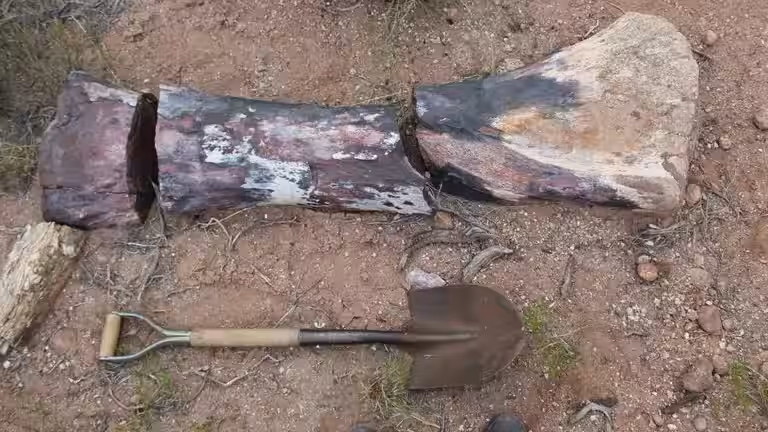
Novas pointed out that the femur of this dinosaur was about 1.9 meters (6.2 feet) long, yet its limb bones were thinner than expected for an animal of its size. This suggests that the dinosaur might have used a more efficient design compared to other titanosaurs.
The limb proportions of Chucarosaurus diripienda indicate that the movement of these massive creatures wasn’t uniform. Some may have been more agile than previously thought, using their specialized limbs to cover large distances effectively.
This article has been fact checked for accuracy, with information verified against reputable sources. Learn more about us and our editorial process.
Last reviewed on .
Article history
- Latest version
Reference(s)
- <https://www.researchgate.net/profile/Fernando-Novas>.
- Agnolin, Federico L.., et al. “A new giant titanosaur (Dinosauria, Sauropoda) from the Upper Cretaceous of Northwestern Patagonia, Argentina.” Cretaceous Research, vol. 146, June 1, 2023, pp. 105487 Elsevier BV, doi: 10.1016/j.cretres.2023.105487. <https://www.sciencedirect.com/science/article/abs/pii/S0195667123000150?via%3Dihub>.
Cite this page:
- Posted by Hassan Raza