Three Forgotten Assyrian Kings Discovered, Upending Millennia-Old Royal Succession
New study uncovers three forgotten Neo‑Assyrian kings, revealing a far more contested royal succession than the traditional King List suggests.
A recent study by scholars from the University of Münster and Yale University calls into question the long‑standing reliance on the Assyrian King List (AKL) for mapping the early Neo‑Assyrian era. While the AKL remains a cornerstone for historians, the authors argue that it was curated to showcase only those rulers ultimately recognized as legitimate, omitting brief or contested reigns.
The AKL, preserved in multiple copies, has traditionally offered a seemingly unbroken succession of Assyrian monarchs from the early ninth to the mid‑eighth centuries BCE. Its continuity made it a trusted framework for dating events before the extensive eponym archives become available.
New Tablet Finds Reveal Overlooked Assyrian Monarchs
One of the most compelling discoveries concerns a previously unidentified Tiglath‑pileser who appears to have ruled in 763 and 762 BCE. The evidence stems from a fragmentary royal land grant, catalogued as Rm 75, uncovered at Nineveh and now housed in the British Museum.
Earlier scholars linked the tablet to Adad‑nārārī III, a connection that produced a chronological mismatch. Edmonds and Frahm reinterpret the damaged name as Tiglath‑pileser, identifying him as a son of Šamšī‑Adad V and noting the presence of the royal seal impressions on the document.
Corroborating this reading, the Assyrian Eponym Chronicle records a rebellion in Aššur in 763 BCE, the same year a solar eclipse was observed, followed by another uprising in 762 BCE. According to a recent study, the eclipse would likely have been seen as a dire omen for the sitting king.
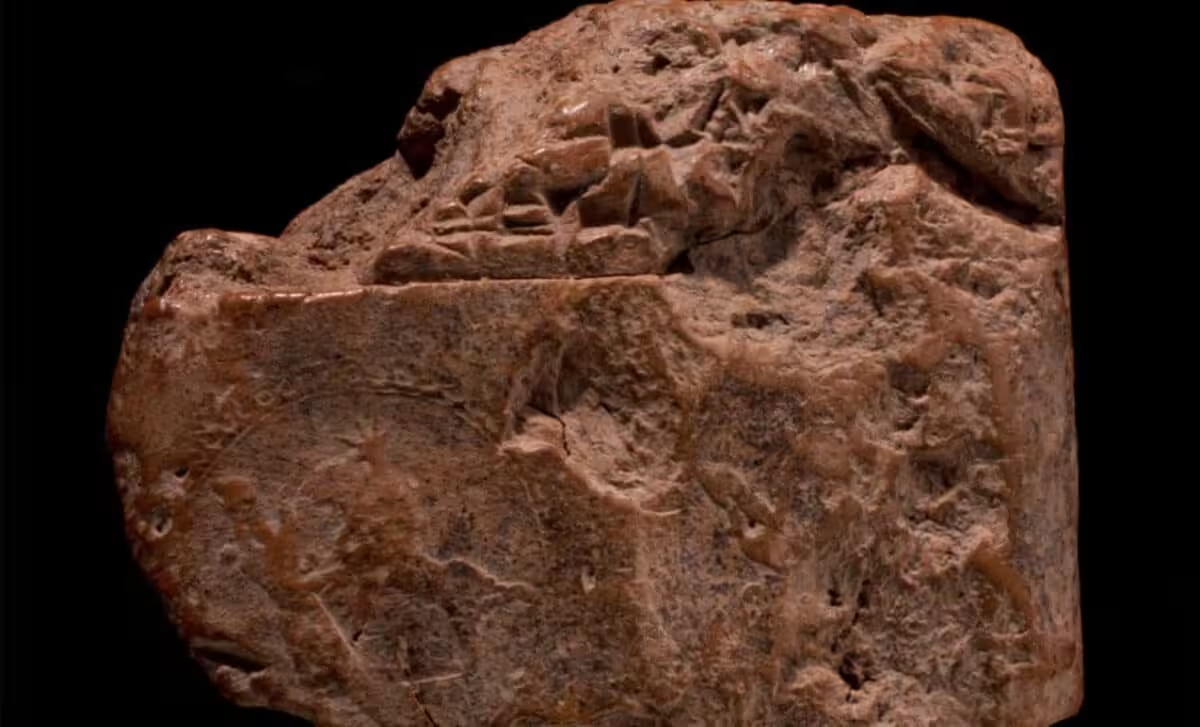
The researchers suggest that this Tiglath‑pileser mounted a revolt against his nephew Aššur‑dān III, seized the capital Aššur, and was subsequently displaced after a reign lasting roughly twenty months.
A second short‑lived sovereign, named Shalmaneser, is proposed to have ruled from about 747 to 745 BCE. The key piece of evidence is the Tell ˁAbṭa stela, unearthed in Iraq in 1894, which originally bore the name Shalmaneser before being overwritten with Tiglath‑pileser.
Art‑historical analysis dates the monument to the mid‑eighth century BCE, and the authors argue that this Shalmaneser preceded Tiglath‑pileser III, filling a gap in the succession that existing records left ambiguous.
Fragmentary Inscription Sheds Light on an Earlier Power Shift
The third case reaches back to the early ninth century BCE. A cuneiform text known as VAT 10136 records the refurbishment of a silver vessel used for premium beer offerings to the god Aššur, noting that an individual named Aššur‑uballiṭ had previously added silver to the object. No king by that name appears in the conventional sequence between Tukultī‑Ninurta I and Tukultī‑Ninurta II.
Edmonds and Frahm propose that Aššur‑uballiṭ was a fleeting ruler whose brief tenure was later erased from the official list. The period also aligns with a contested accession by Adad‑nārārī II, who ascended the throne in 912 BCE.
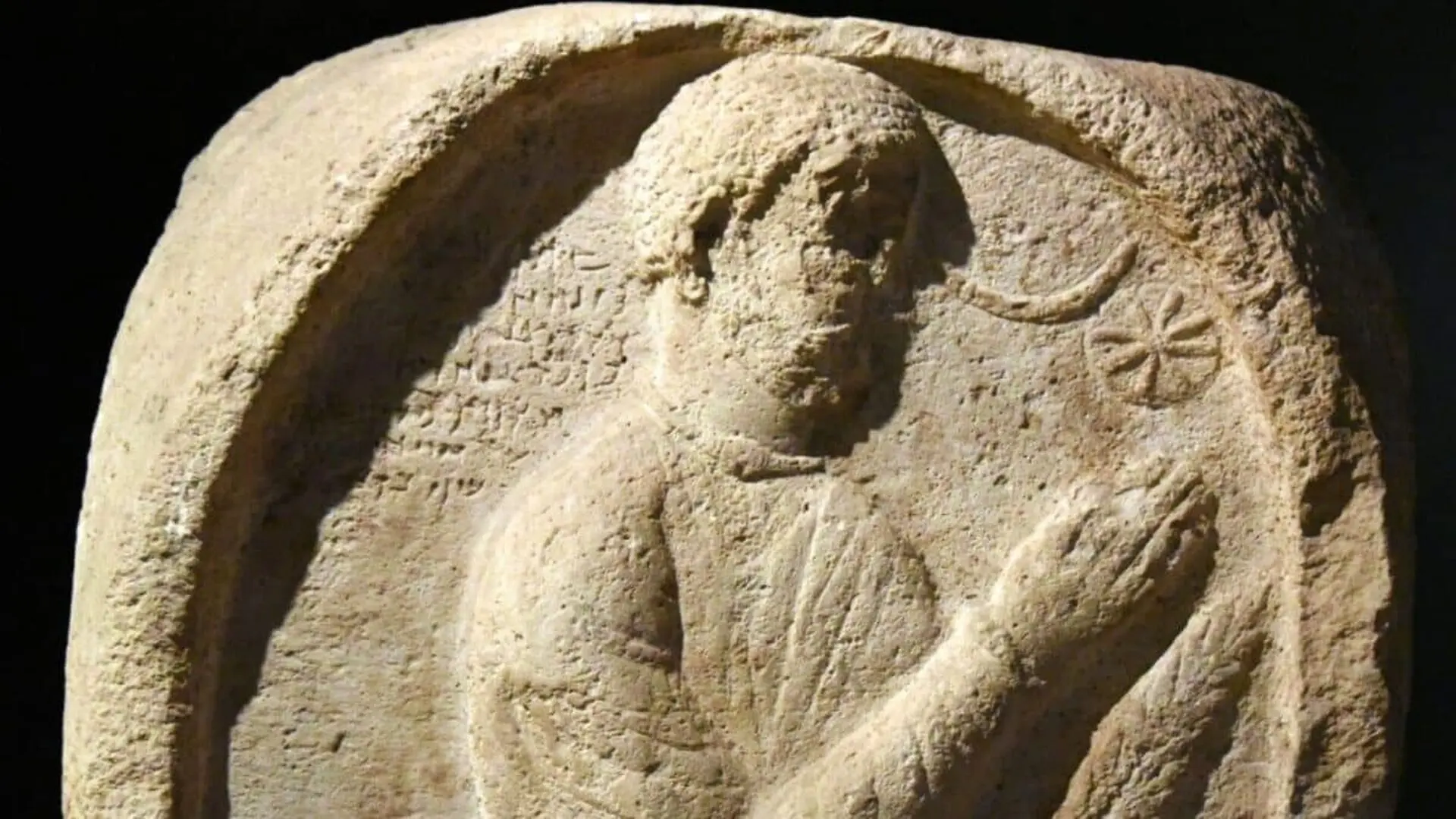
A large royal statue from Aššur, later decapitated, stripped of its arms and regalia, and repurposed as an eponym stela, may represent the physical aftermath of this dispute. The authors link the mutilated statue to the ousted monarch, suggesting it once depicted the king displaced by Adad‑nārārī II.
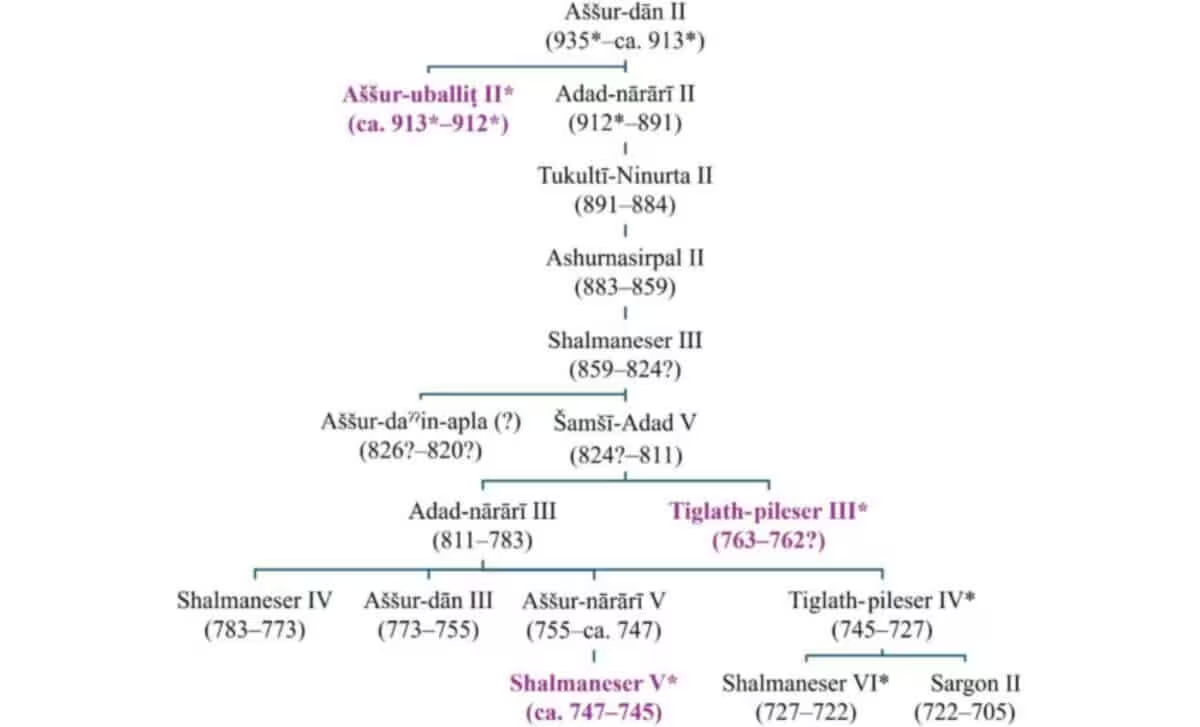
Collectively, these three investigations suggest that the AKL was not a comprehensive roster of every individual who briefly held power, but rather a streamlined record that omitted rival claimants whose reigns were short or contested.
While the revisions do not alter the well‑documented chronology from 911 BCE onward—thanks to continuous eponym records—they do prompt scholars to reassess earlier epochs that have relied heavily on the king list alone for dating and historical reconstruction.
This article has been fact checked for accuracy, with information verified against reputable sources. Learn more about us and our editorial process.
Last reviewed on .
Article history
- Latest version
Reference(s)
- Edmonds, Alexander Johannes., et al. “Three New Kings of Assyria.” Journal of Cuneiform Studies, vol. 78, June 1, 2026, pp. 27-59. University of Chicago Press, doi: 10.1086/741239. <https://doi.org/10.1086/741239>.
Cite this page:
- Posted by Zara Tariq