Hidden 5,000-Year-Old Timber Monument Near Stonehenge Aligns With Solstices
A routine dig uncovered a surprise, prompting archaeologists to re‑examine an ancient site hidden near Stonehenge.
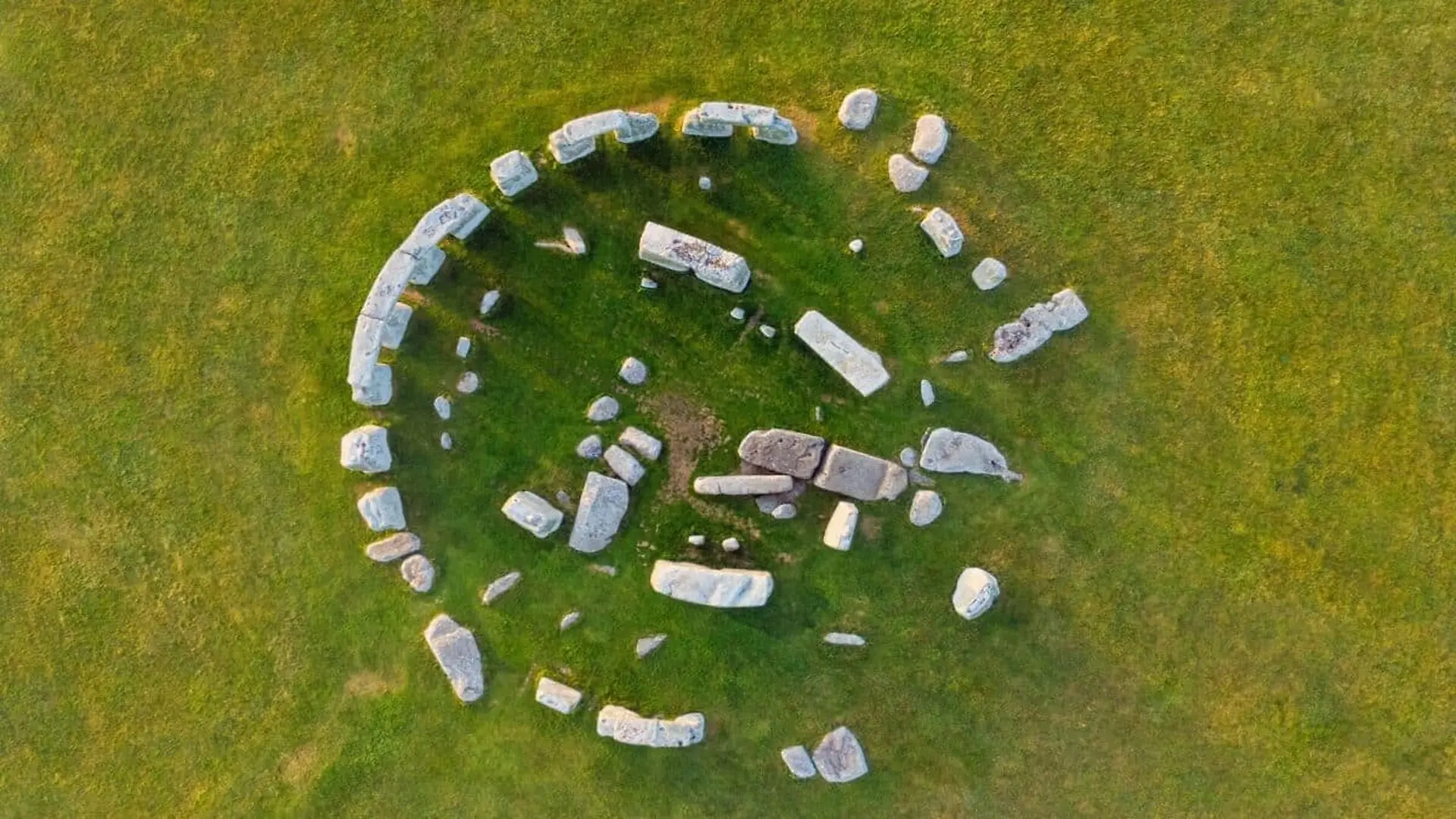
Archaeologists have identified a timber monument just five kilometres from Stonehenge that dates to roughly 5,000 years ago. The structure, uncovered during a Ministry of Defence housing development survey in Wiltshire, appears to have been deliberately oriented to the summer and winter solstices, making it one of Britain’s earliest known solar‑aligned sites.
Excavations at Bulford, led by Wessex Archaeology, placed the monument around 3000 BC – contemporaneous with the earliest phase of Stonehenge but predating the iconic stone circles by several centuries. Although the wooden posts have long since vanished, the surviving postholes and smaller pits have provided a rare glimpse into how prehistoric peoples shaped their ceremonial landscape.
Unearthing a Hidden Prehistoric Feature
The Bulford site was not immediately obvious. Only two sizable postholes and a handful of ancillary pits remained where towering timber posts once stood. Initial field notes treated the larger features as unrelated until lead archaeologist Phil Harding revisited the site plan. As described in a Wessex Archaeology press release, he drew a line between the two main holes and recognised that it matched the direction of the midsummer sunrise.
“The thing that struck me as soon as I saw that was that [the line was] about 50 degrees off the direct north, which was pretty much the line of the midsummer sunrise,” Harding said. “And so I got really, really excited about that.”
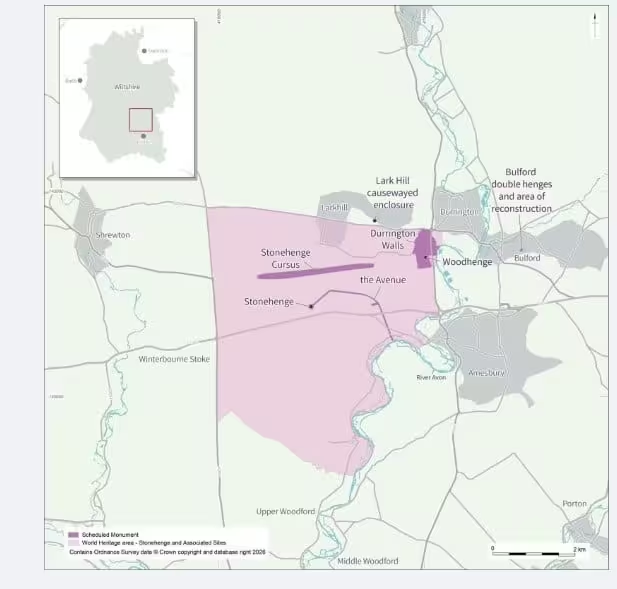
The two primary postholes are spaced roughly 120 metres apart, and their depth suggests the original timbers stood three to four metres tall.
Solar Orientation Confirmed by Skyscape Specialists
Following Harding’s observation, the team consulted Fabio Silva, an expert in skyscape archaeology. Silva’s analysis corroborated the alignment, showing that the monument would have marked the sunrise at the summer solstice and the sunset at the winter solstice as they appeared around 2950 BC.
Researchers propose that the timber posts functioned as a simple “gunsight,” enabling observers to track the Sun’s extreme positions during the solstices.
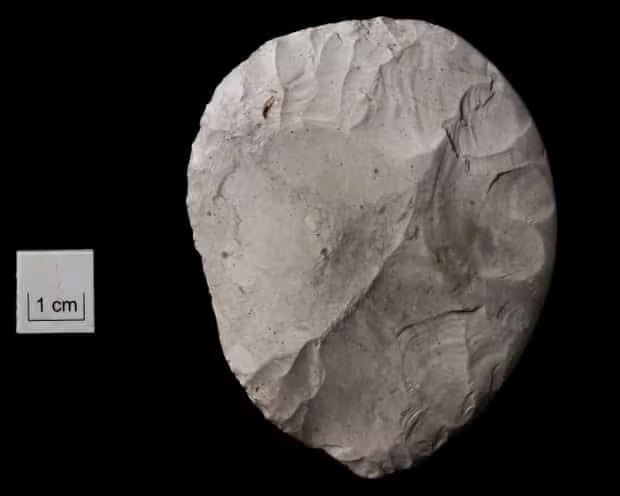
A small pit along the same alignment yielded a disc‑shaped flint knife, an unusual find that may have been fashioned to symbolize the Sun, though its precise meaning remains uncertain.
Adding a New Chapter to the Stonehenge Landscape
The Bulford monument underscores that the area surrounding Stonehenge was already a focal point for ritual activity well before the stone circles rose. Senior research manager Matt Leivers of Wessex Archaeology notes that the repeated construction of solstice‑aligned sites points to enduring cosmological beliefs.
“What we’re seeing here is the religion of the stone age made manifest in the ground,” Leivers said.
Leivers adds that while the exact symbolism of the Sun for these communities is still debated, the effort invested in marking its movements suggests a central role in their worldview. He also finds it “inconceivable” that the builders of the Bulford structure were unaware of contemporary activity at nearby Stonehenge.
“If you had a time machine and went back, I wouldn’t be at all surprised if what we have found is one of the campsites of the builders of the first phase of Stonehenge. I think that’s entirely plausible.”
Also ReadArchaeologists Found a Complete 4,000-Year-Old Handprint Hidden Beneath an Egyptian Artifact
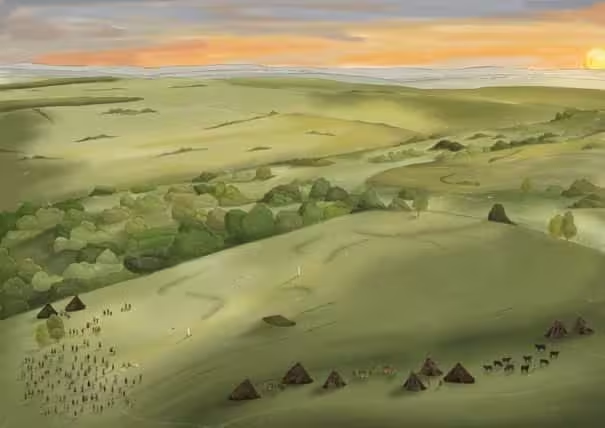
Harding reflects that discoveries of this magnitude are exceptionally rare, noting that contributing new insight into the Stonehenge narrative is a profound privilege for any researcher.
“It doesn’t matter whether you are a resident of Wiltshire or a resident of the Earth – everybody knows about Stonehenge. And to be able to contribute something to expanding our knowledge of Stonehenge is an incredible privilege.”
This article has been fact checked for accuracy, with information verified against reputable sources. Learn more about us and our editorial process.
Last reviewed on .
Article history
- Latest version
Reference(s)
- “Meet The Expert: Phil Harding.” English Heritage <https://www.english-heritage.org.uk/members-area/members-magazine/meet-the-expert/bts-phil-harding/>.
- <https://www.researchgate.net/profile/Fabio-Silva-14>.
- “Matt Leivers | Wessex Archaeology.” Wessex Archaeology <https://www.wessexarch.co.uk/user/matt-leivers>.
Cite this page:
- Posted by Zara Tariq