Archaeologists Found a Complete 4,000-Year-Old Handprint Hidden Beneath an Egyptian Artifact
A 3,000-year-old Egyptian artifact secretly preserved a pristine handprint for millennia
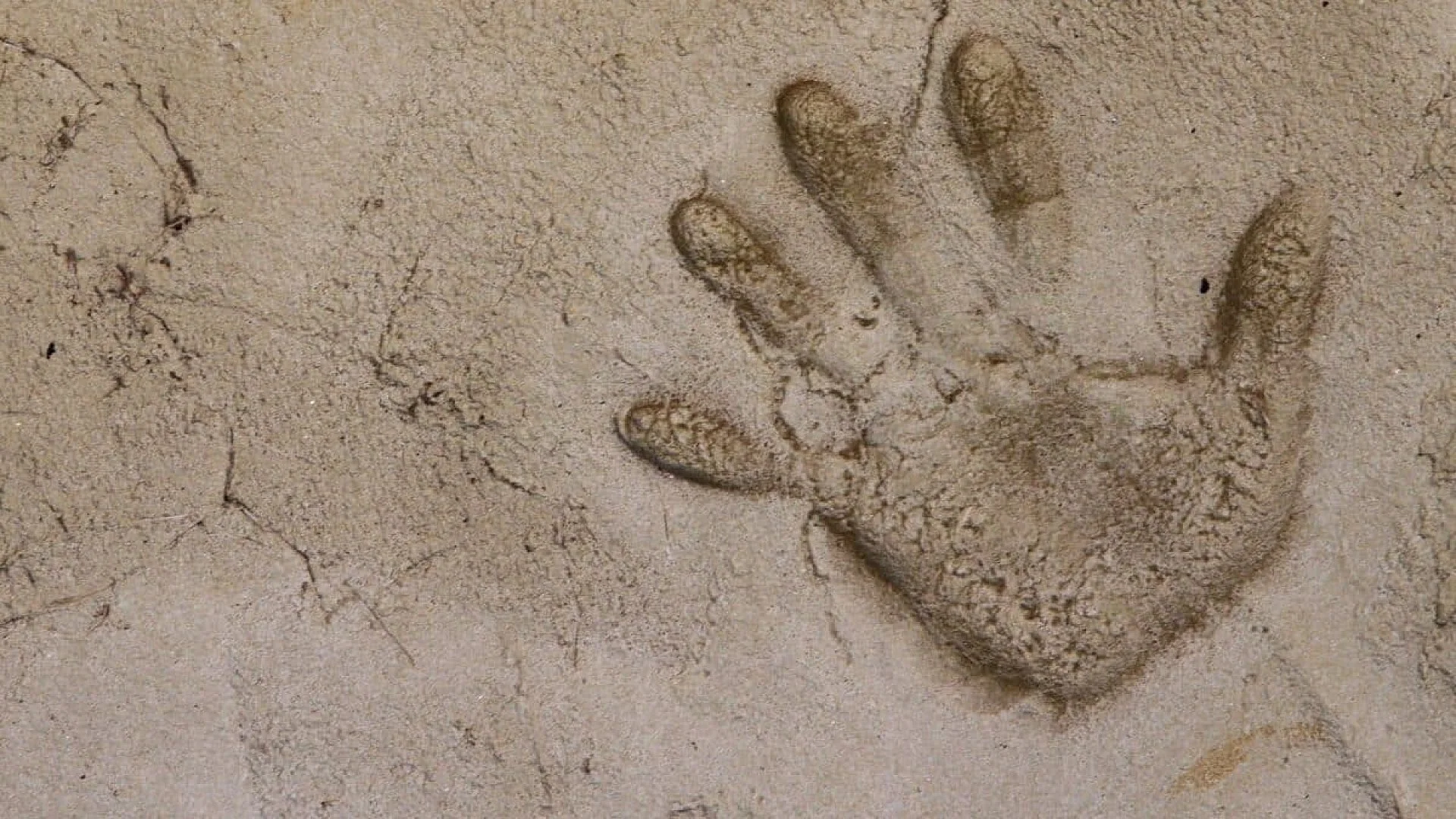
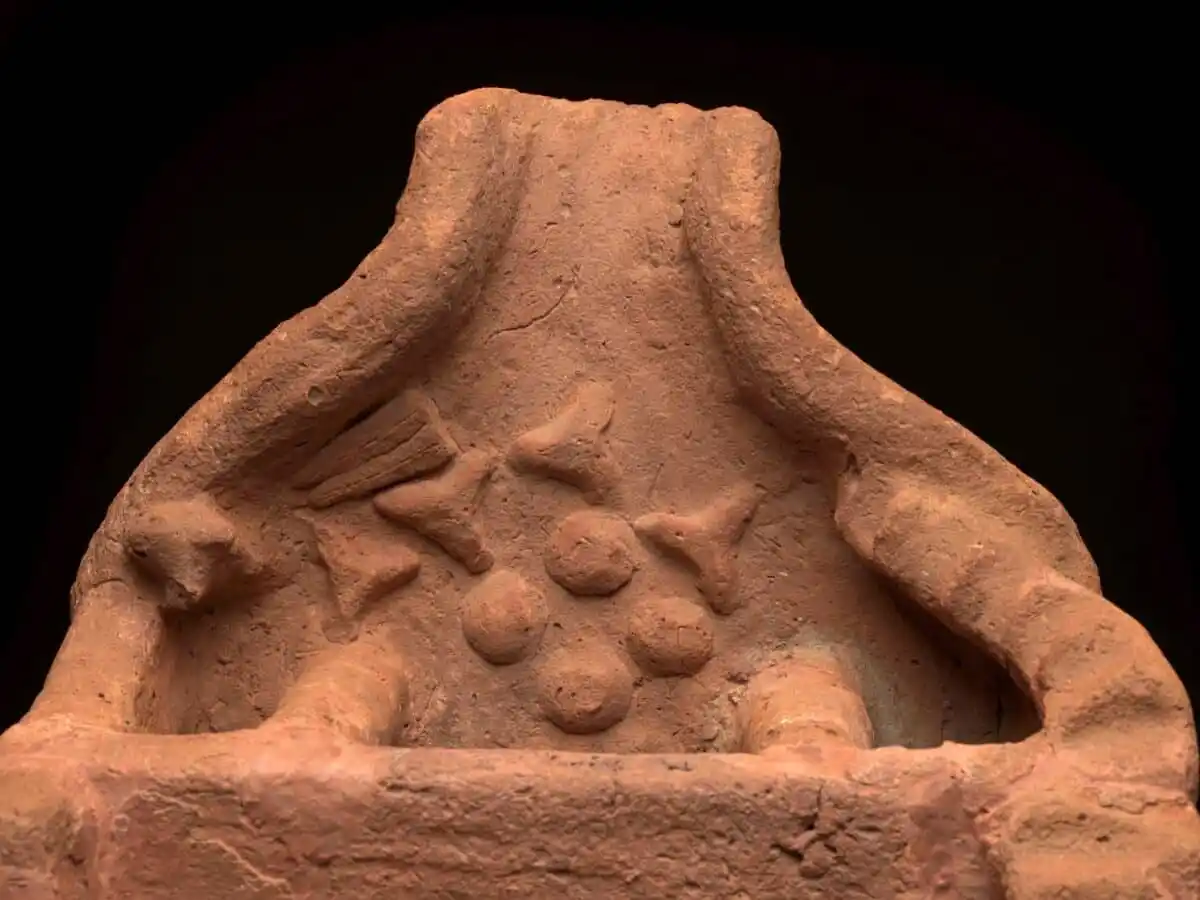
Archaeologists have identified a 4,000‑year‑old hand impression on the hidden side of a clay “soul house,” a miniature building that ancient Egyptians placed in tombs as a receptacle for food offerings.
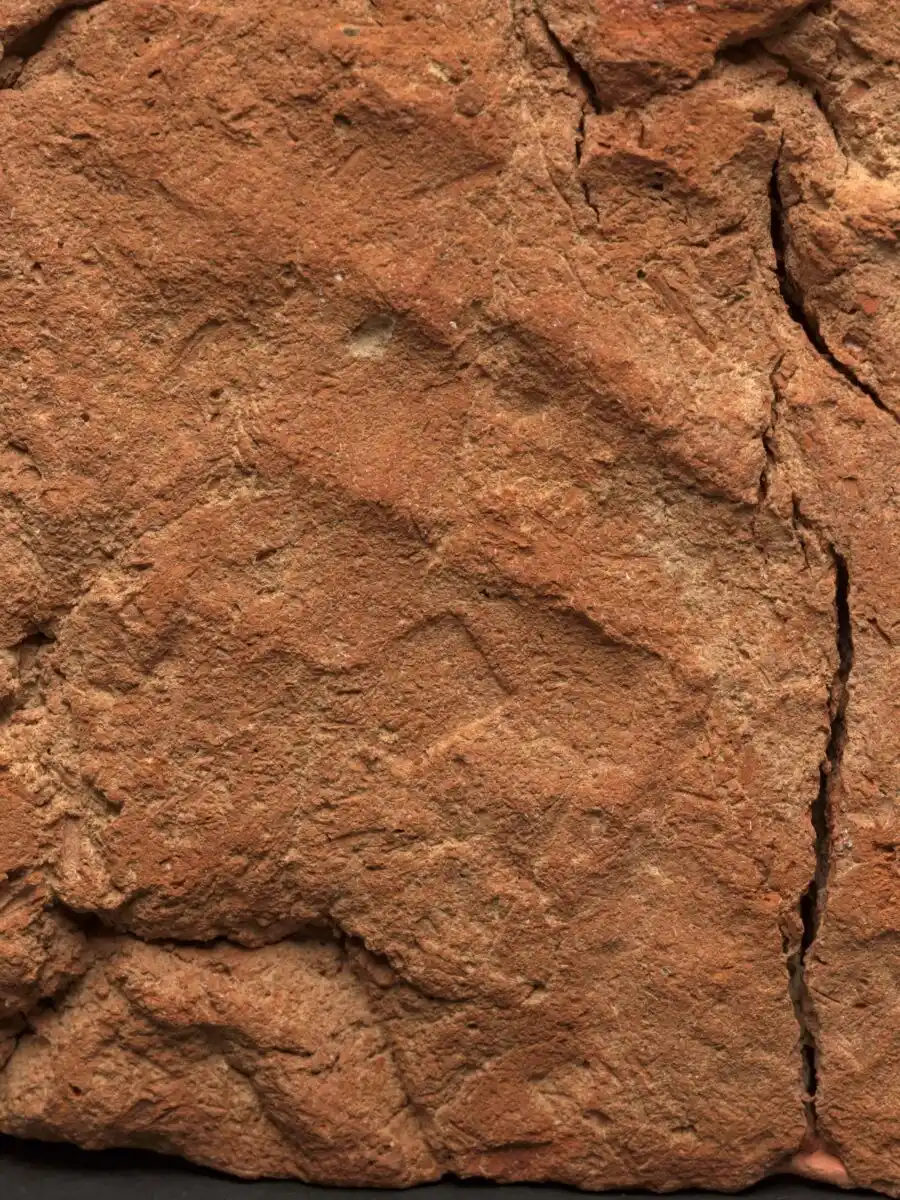
The object, which dates to between 2055 and 1650 B.C., has long been part of museum collections, but the accidental handprint offers a rare, tangible connection to the individual who fashioned it. Specialists from Cambridge’s The Fitzwilliam Museum uncovered the mark while preparing the piece for the upcoming “Made in Ancient Egypt” exhibition, which highlights the artisans behind many well‑known artifacts.
A Rare Complete Impression
Handprints that cover an entire hand are exceptionally uncommon on Egyptian material culture. While isolated fingerprints sometimes survive in wet varnish or on decorative coffins, a full handprint on a functional object is a rarity. The museum’s own statement notes that such finds are “much less common.”
“We’ve spotted traces of fingerprints left in wet varnish or on a coffin in the decoration, but it is rare and exciting to find a complete handprint underneath this soul house,” said Helen Strudwick, senior Egyptologist at the museum.
Because the imprint lies on the underside of the model, it remained invisible for millennia, only becoming apparent when researchers examined the artifact in detail.
How the Miniature Building Was Crafted
Researchers suggest the potter first assembled a framework of wooden sticks, then applied a layer of clay to create a two‑story structure supported by pillars. Features such as staircases were modeled directly by hand, giving the miniature a realistic architectural feel.
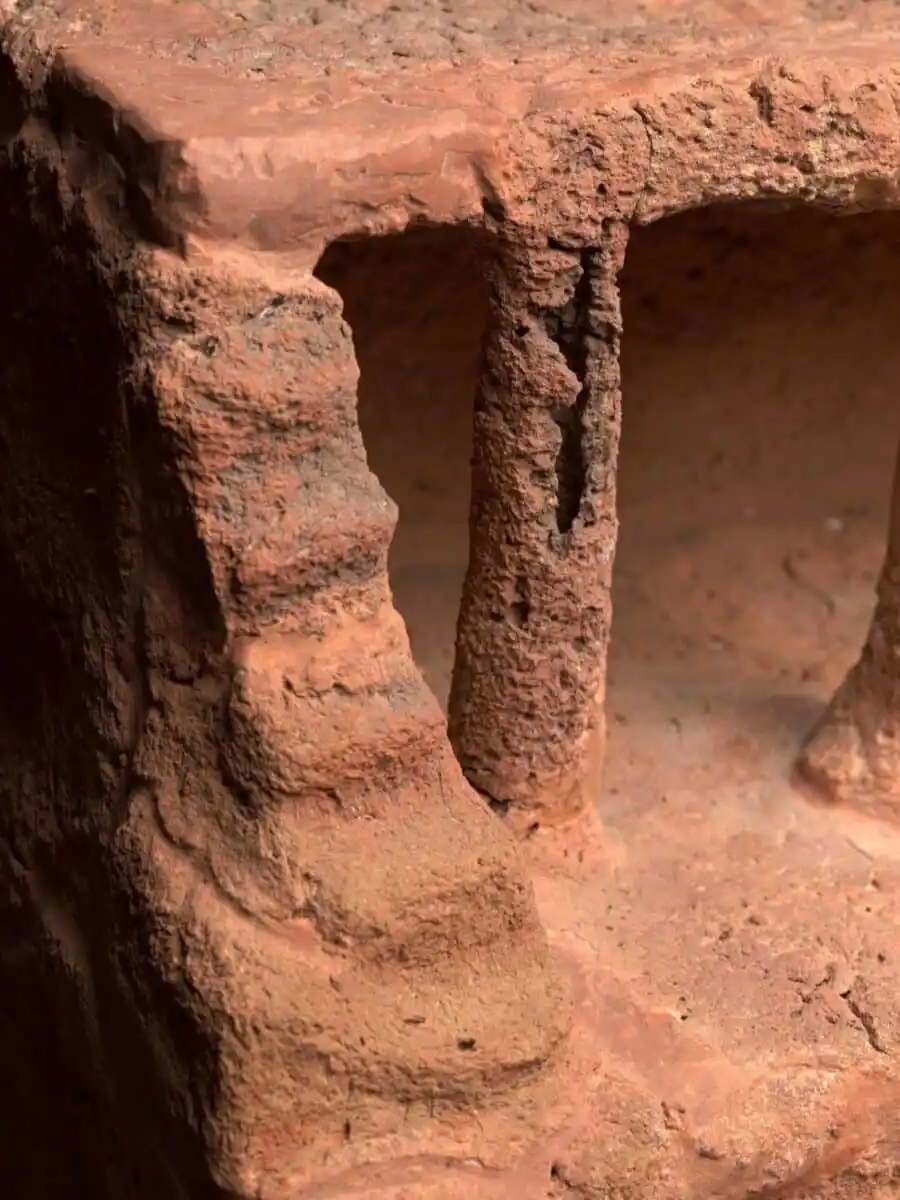
Once the clay had dried sufficiently, the potter lifted the piece—leaving the handprint—before moving it to a kiln for firing. During the firing process, the wooden armature burned away, leaving hollow chambers within the finished model.
“I have never seen such a complete handprint on an Egyptian object before,” Strudwick said. “You can just imagine the person who made this, picking it up to move it out of the workshop to dry before firing.”
The Forgotten Craftsmen Behind the Objects
Clay was a staple material in ancient Egypt, sourced from Nile silt or shale and used to produce both utilitarian and decorative items. Yet the artisans who worked the clay occupied a low rung in the social hierarchy; some texts even liken potters to pigs wallowing in mud, according to a BBC report. This bias means that modern scholars often know more about the finished pieces than the people who created them.
The “Made in Ancient Egypt” show aims to rebalance that narrative by displaying work orders, receipts, delivery notes and unfinished objects alongside the finished pieces. The newly identified handprint provides a striking example of the personal imprint that such evidence can reveal.
This article has been fact checked for accuracy, with information verified against reputable sources. Learn more about us and our editorial process.
Last reviewed on .
Article history
- Latest version
Reference(s)
- “Welcome to the Museum.” The Fitzwilliam Museum <https://fitzmuseum.cam.ac.uk/>.
- “Helen Strudwick.” The Fitzwilliam Museum <https://www.fitzmuseum.cam.ac.uk/about-us/our-staff/profile/helen-strudwick>.
- “Cambridge researchers find 4,000-year-old Egyptian handprint.”, July 28, 2025 <https://www.bbc.com/news/articles/cpqvzevep2eo>.
Cite this page:
- Posted by Zara Tariq