Six Hidden Meteor Showers Bring Fireballs to Summer Skies Before the Perseids
Six lesser-known summer meteor showers, beyond the Perseids, give skywatchers extra chances to spot shooting stars all season.
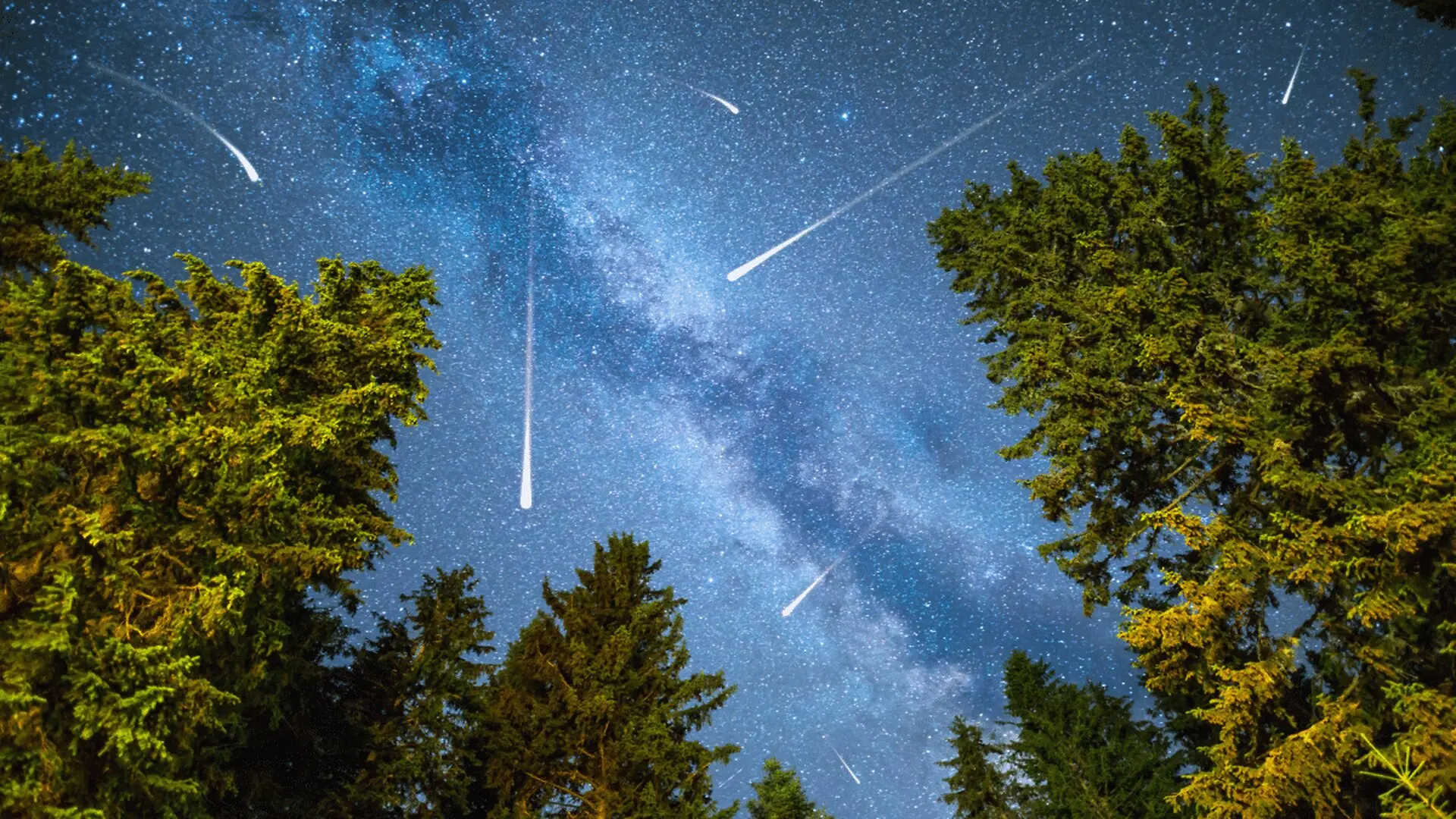
While the Perseid meteor shower dominates August night‑time skies across the Northern Hemisphere, it is only one part of a broader summer display. Between July and August, Earth traverses several trails of dust left by long‑dead comets and asteroids, producing a series of lesser‑known showers that deliver bright fireballs, slower meteors, and distinct viewing windows.
Six Lesser‑Known Showers Keep Summer Nights Active
The meteor calendar actually kicks off well before the Perseids reach their peak. From early July onward, the planet encounters remnants from ancient celestial bodies, generating a chain of showers that linger into late August. Although these streams typically yield fewer meteors per hour than the Perseids, they lengthen the observing window and sometimes produce fireballs rivaling those of larger displays.
The first of these is the Capricornids, observable from roughly July 10 through mid‑August. Even under pristine skies the hourly count is modest, often limited to a few meteors. Their charm comes from the occasional bright fireball that arcs across the southern horizon. Soon after, the Delta Aquariids emerge as one of July’s more prolific streams, capable of delivering dozens of meteors per hour when darkness is optimal. These meteors are generally faint and travel at moderate velocities, though a small fraction leave brief glowing trails.
Later in the month, the Piscis Australids appear, offering a modest peak toward the end of July. While their overall activity is low, they add to the cumulative meteor count for the season. The Alpha Capricornids, peaking on July 31, are especially favored by astrophotographers because they often spawn striking yellow fireballs despite a limited hourly rate.
Moon Phases and Their Impact on Meteor Visibility
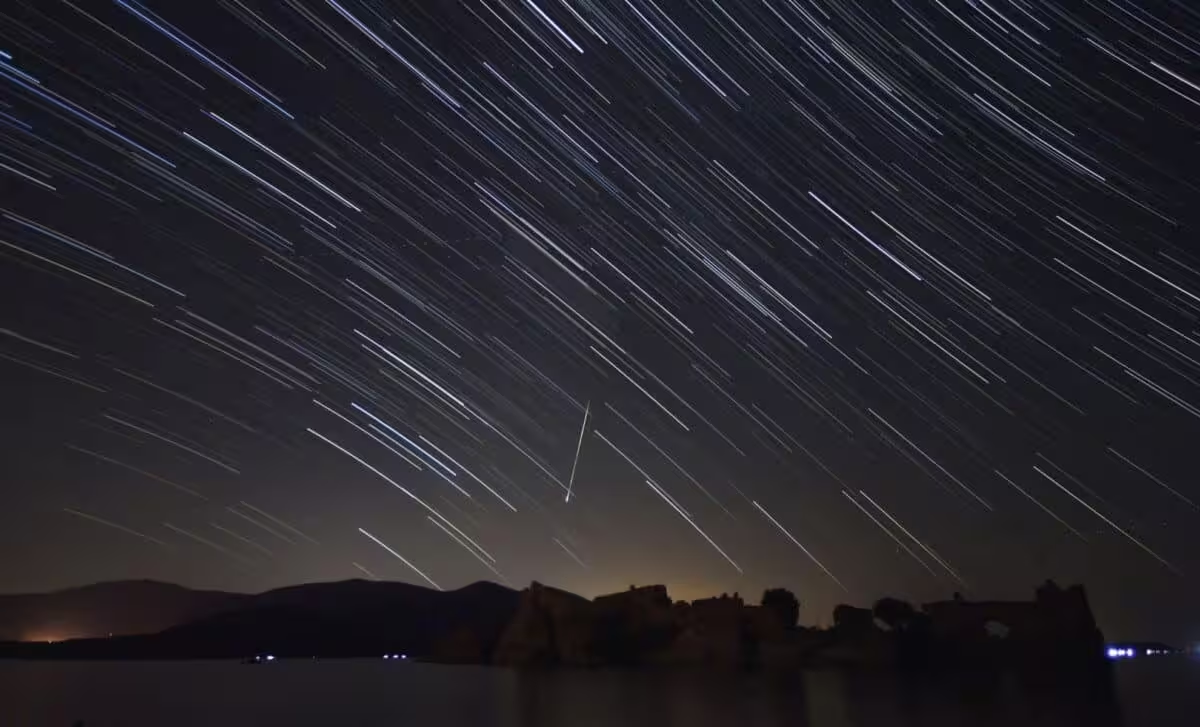
A major variable in any meteor‑watching session is lunar illumination. As noted by Space.com, several late‑July showers line up with a near‑full Moon, which can drown out the fainter meteors. The Delta Aquariids, Piscis Australids, and Alpha Capricornids all face significant moonlight interference at their predicted peaks.
This does not render those streams unobservable. Meteor activity usually spans several days before and after the peak, giving observers the chance to pick nights with reduced lunar brightness. Even under bright Moon conditions, the most prominent fireballs remain visible, especially from dark rural locations with minimal artificial light.
By mid‑August, the Moon’s effect wanes considerably. During the Perseid maximum, the Moon will be near new, providing some of the darkest skies of the season. This alignment offers an excellent opportunity to witness dozens of meteors per hour while also catching occasional fireballs from overlapping minor streams.
Perseids Lead the Pack, Yet Other Streams Shine Too
The Perseids continue to dominate the summer meteor roster. Originating from dust shed by Comet Swift‑Tuttle, the shower routinely produces over 50 meteors per hour under optimal conditions, with occasional bursts that exceed that rate. Perseid meteors are typically fast, bright, and capable of leaving glowing trains that linger for several seconds.
Peak activity is expected around August 13, when the radiant climbs high in the northeastern sky just before dawn. With the Moon approaching a new phase, darkness will be at its deepest, enhancing visibility. This timing makes the Perseids one of the season’s most compelling astronomical events, appealing to seasoned observers and newcomers alike.
Nevertheless, concentrating solely on the Perseids overlooks the richness of the preceding weeks. The period leading up to mid‑August features a blend of overlapping streams that supply a steady flow of shooting stars across the night sky. Rather than waiting for a single night in August, skywatchers can enjoy nearly two months of meteor activity.
Kappa Cygnids Provide a Late‑Season Fireball Finale
When the Perseids begin to wane, the Kappa Cygnids step in as the final summer shower. Although this stream generally yields only a few meteors per hour, it is renowned for slow, luminous fireballs that can become the highlight of an observing session. Its radiant sits high overhead during evening hours, making it convenient for those who prefer not to stay out until sunrise.
Astronomers also remind observers that sporadic meteors appear throughout the night regardless of scheduled showers, adding several additional shooting stars per hour under dark conditions. Combined with the minor streams, these random meteors ensure that most clear summer evenings hold the promise of a rewarding skywatching experience.
No specialized optics are required to enjoy these events. The most effective strategy remains simple: locate a dark site away from city lights, allow your eyes to adapt, dress warmly, and aim roughly 30 degrees away from the radiant rather than directly at it. While the Perseids dominate headlines, the six lesser‑known showers outlined here illustrate that summer offers abundant chances for unforgettable nights under the stars.
This article has been fact checked for accuracy, with information verified against reputable sources. Learn more about us and our editorial process.
Last reviewed on .
Article history
- Latest version
Reference(s)
- Rao, Joe. “Beyond the Perseids: 6 meteor showers worth watching this summer.”, July 18, 2026 Space <https://www.space.com/stargazing/meteor-showers/beyond-the-perseids-6-meteor-showers-worth-watching-this-summer>.
Cite this page:
- Posted by Aisha Ahmed