Scientists Have Discovered Ancient Human DNA Hidden on Cave Walls
Researchers discovered human DNA traces in five ancient samples, four of which lacked paint, offering new insights into prehistoric artifacts.
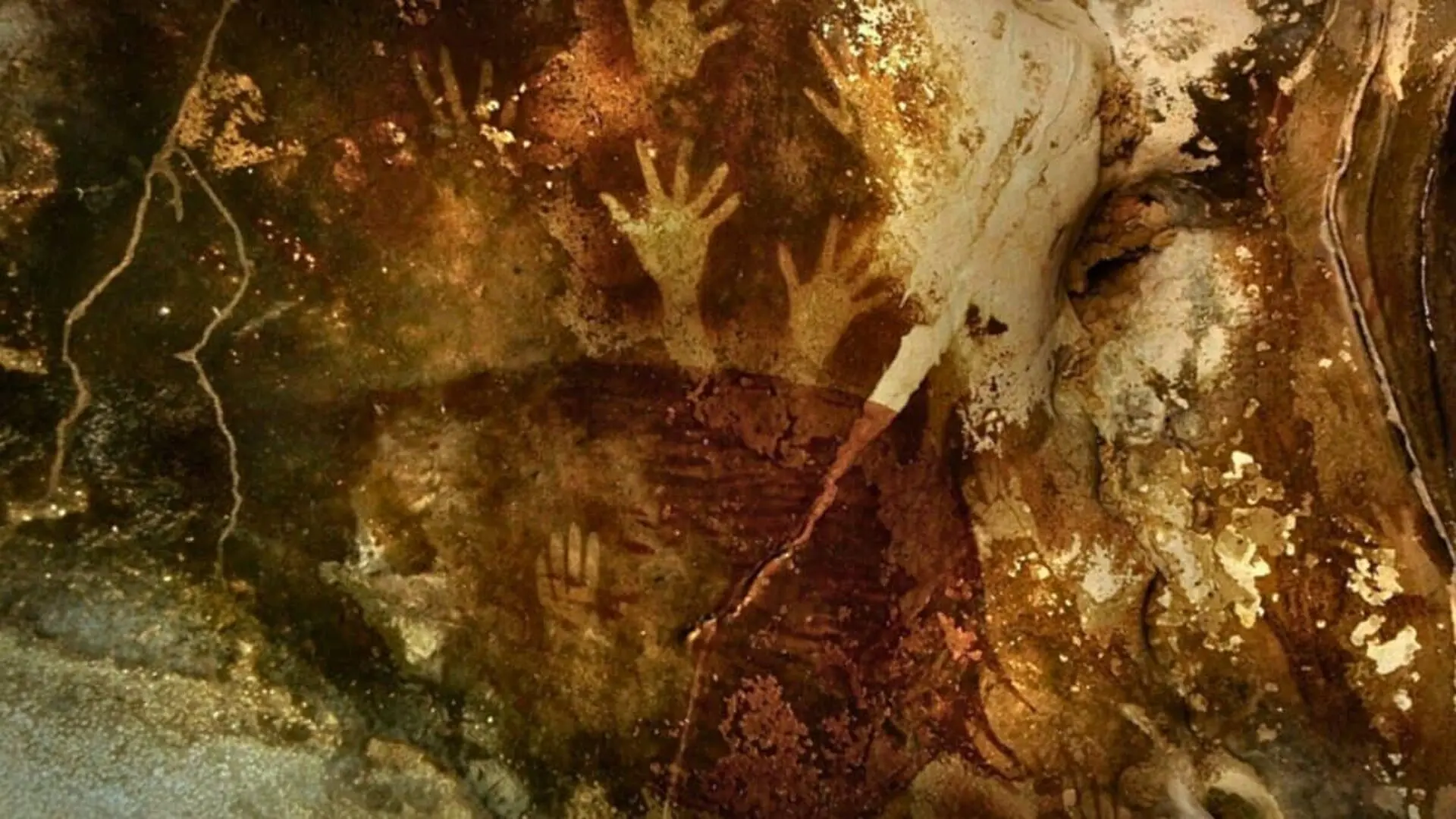
In a groundbreaking achievement for paleogenetics, researchers have successfully extracted ancient human DNA directly from the surface of cave walls. The study, published in Nature Communications, marks the first time scientists have retrieved genetic material from stone surfaces in prehistoric caves, extending a technique previously limited to ancient bones, sediments, and portable artifacts.
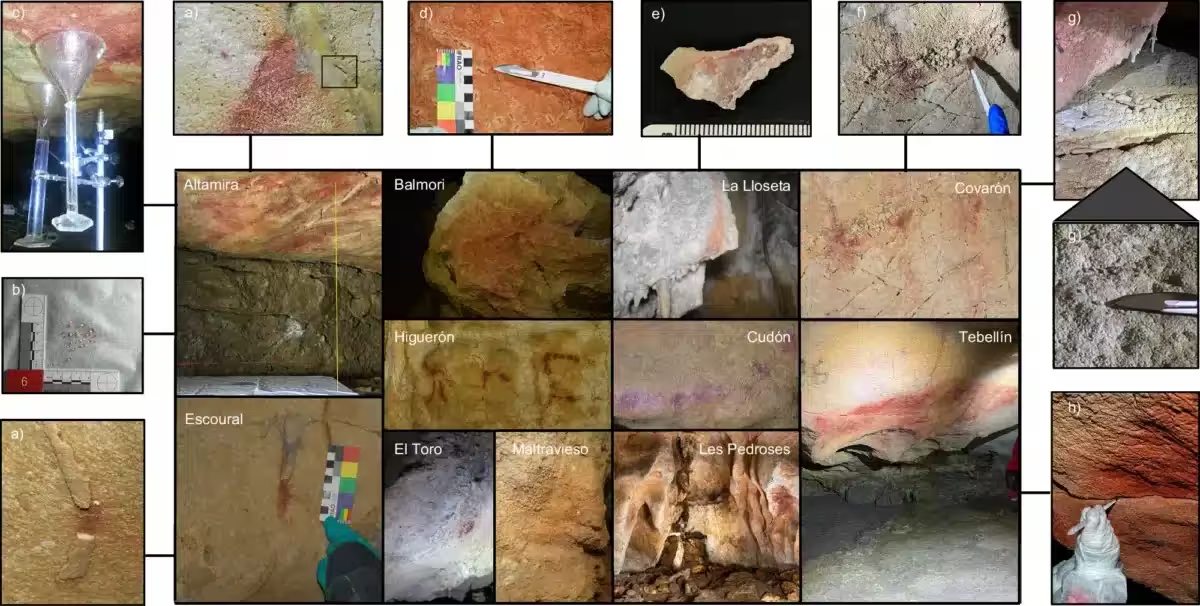
A team from the Max Planck Institute for Evolutionary Anthropology, collaborating with the Spanish-Portuguese First Art project, focused their investigation on 24 rock art panels across 11 sites in Spain and Portugal. By meticulously sampling mineral crusts that had formed over these surfaces, the geneticists sought to uncover the identities of the individuals who occupied these subterranean spaces thousands of years ago.
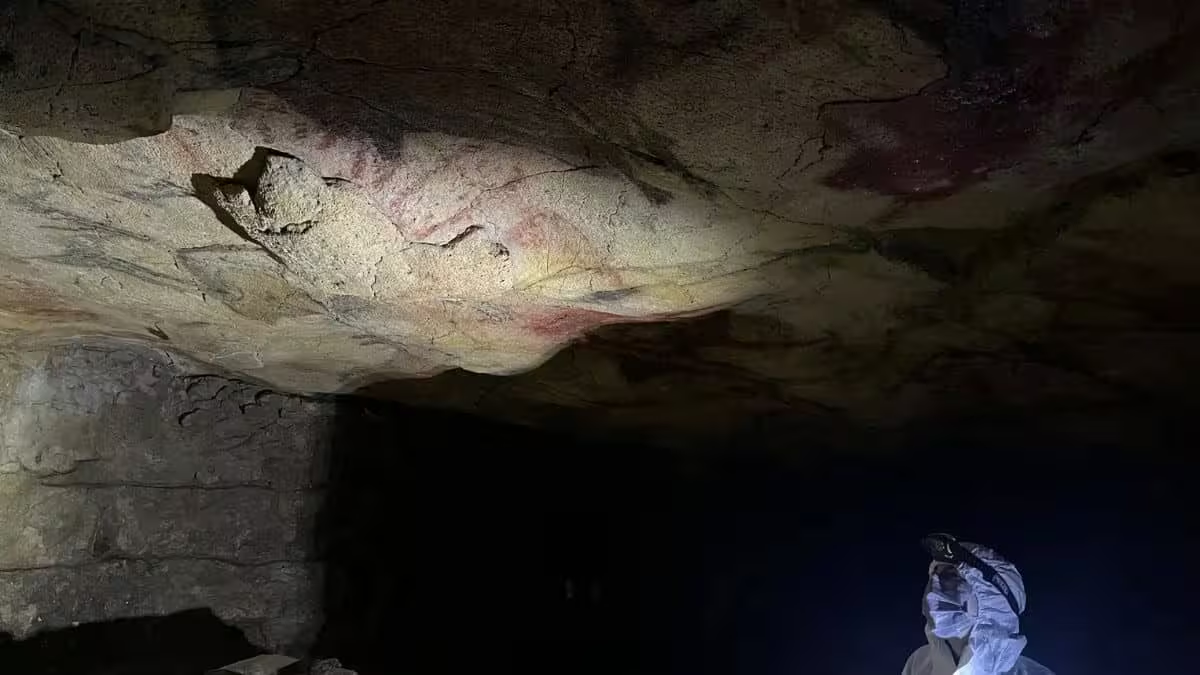
The researchers detected authentic ancient human DNA in five of the collected samples. Crucially, they verified the age of this material by identifying deamination, a specific chemical damage pattern that serves as a signature for long-term degradation in genetic fragments. While only one positive sample originated from a painted surface—at the Escoural Cave in southern Portugal—the other four were extracted from bare rock, serving as essential control samples to establish a baseline for what might be found on unpainted walls.
The Escoural Cave provided a unique environment for the study. Sealed off from the outside world since the Copper Age until it was reopened by quarrying activities in 1963, the site offered a protected window into the past. Researchers estimate the genetic material recovered from its walls to be at least 4,000 to 5,000 years old. In other locations, such as the Covarón Cave in Spain, the DNA was linked to western hunter-gatherers, suggesting the samples could date back as far as 16,700 years.
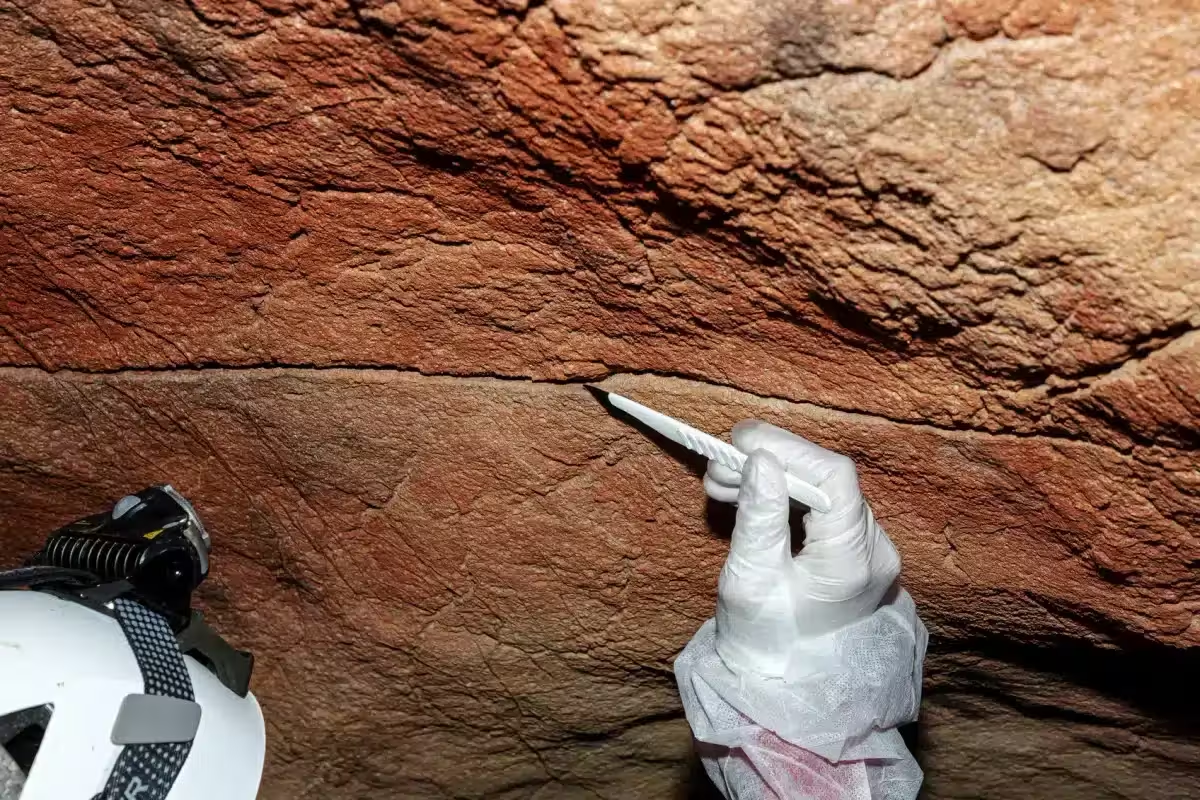
Determining the origin of this DNA remains a complex challenge. While some samples contained exclusively human genetic material, others showed traces of local wildlife, including felines and rabbits. Senior author Matthias Meyer noted that the presence of animal DNA and the variation in human genetic signatures suggest that the material could have been deposited through direct physical contact, such as touching or rubbing against the walls, or via environmental contamination like water movement and sediment dust.
Attempts to find DNA within specialized tools also yielded mixed results. At the famous Altamira cave, the team analyzed a hollow bird bone suspected of being used to spray pigment. Despite high concentrations of human DNA, the samples contained only modern material, likely the result of extensive handling by researchers and visitors over the decades.
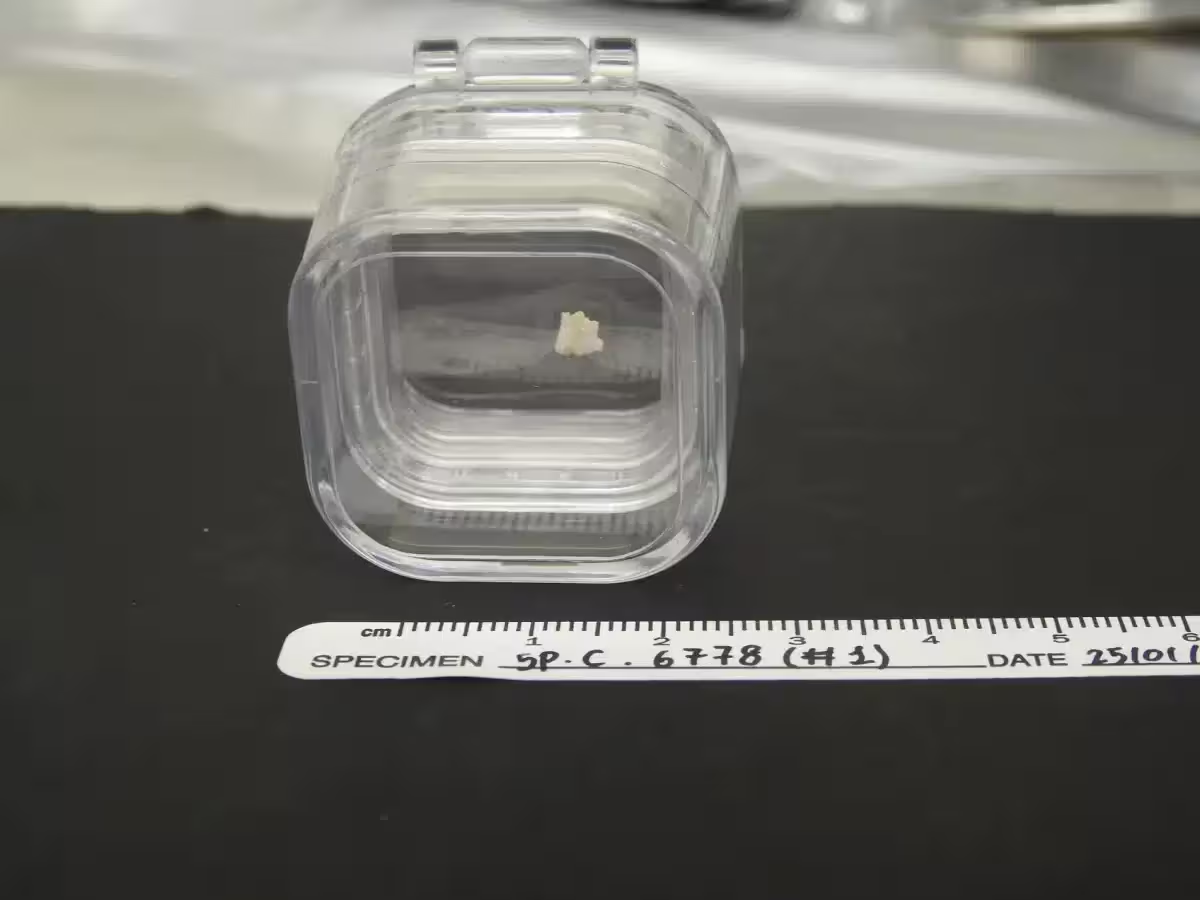
Lead author Alba Bossoms Mesa emphasized that the preservation of human genetic traces on these surfaces is highly variable. While this study confirms that such extraction is possible, the rarity of the findings—only one of the 24 panels sampled yielded DNA—highlights the technical difficulties inherent in this new field of study. Moving forward, the team aims to refine their sampling methods and focus on high-priority areas, such as hand stencils, which hold the greatest potential for identifying the specific individuals responsible for Europe’s ancient cave art.
This article has been fact checked for accuracy, with information verified against reputable sources. Learn more about us and our editorial process.
Last reviewed on .
Article history
- Latest version
Cite this page:
- Posted by Hassan Raza