Why Countries With More Cats Report Higher Happiness Levels
A global study of 93 countries reveals a surprising link between cat density, human happiness levels, and exposure to the parasite Toxoplasma gondii.
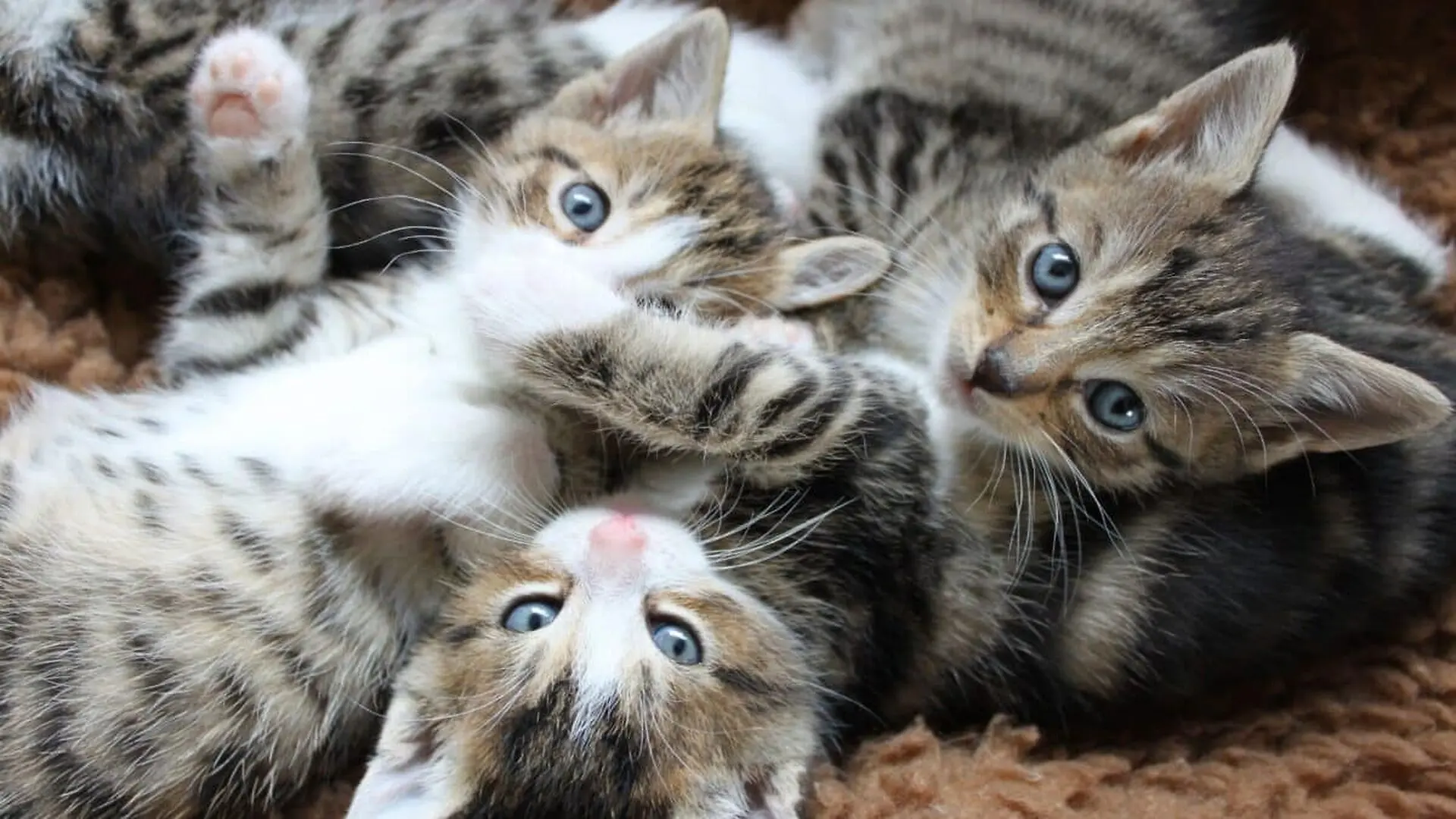
A curious correlation has emerged in global public health data, linking domestic cat populations, the prevalence of a common parasite, and national happiness scores. A recent study published in PLOS One suggests that countries with higher concentrations of pet cats often report greater overall happiness, even after controlling for economic indicators like national wealth.
The research examined the complex interplay between the presence of Toxoplasma gondii—a parasite that infects an estimated one-third of the global population—and human well-being. While cats serve as the primary host for T. gondii, the study revealed a counterintuitive trend: nations with more cats did not necessarily show higher rates of human parasite exposure. Instead, the data indicated that increased cat density was statistically associated with higher self-reported happiness, whereas higher parasite exposure was linked to lower national happiness metrics.
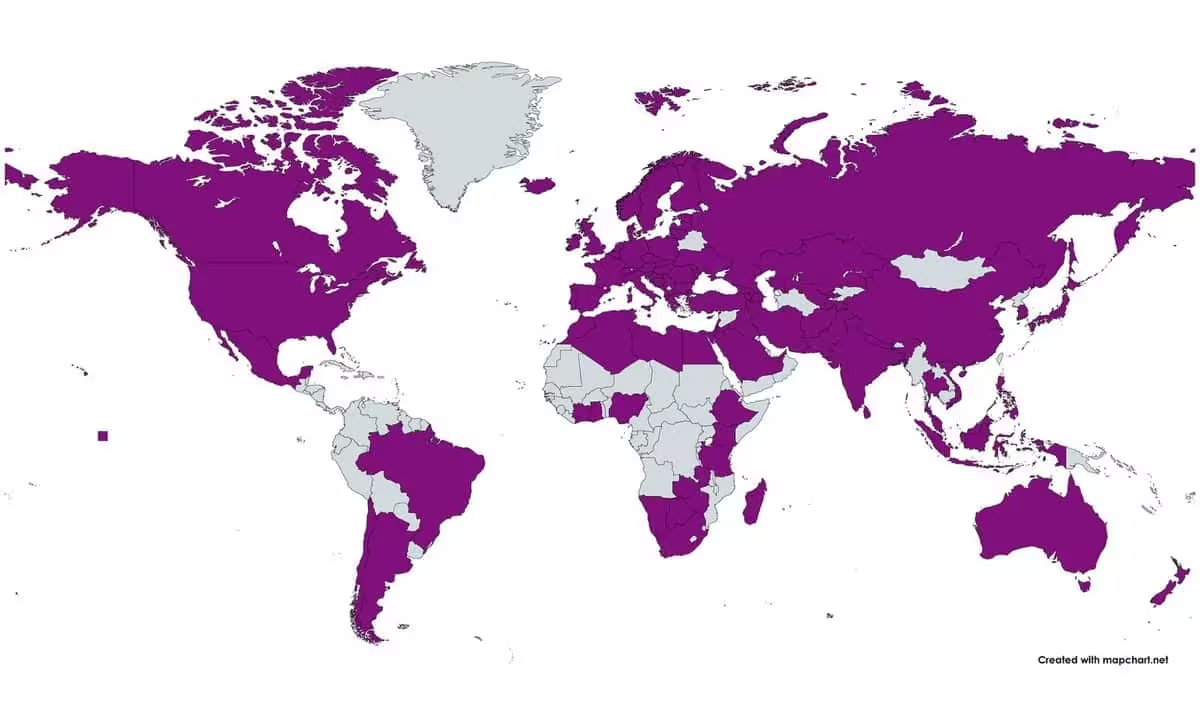
Dissecting the Link Between Felines and National Well-being
While the findings present an intriguing narrative, the authors are careful to avoid asserting a direct causal link. Because the data relies on national-level associations, the researchers emphasize that they cannot definitively state that pet ownership generates happiness or that the parasite itself directly drives down a nation’s mood. Variations, such as China’s high happiness score despite a lower cat density, underscore that the results reflect broad population patterns rather than universal truths.
Biologist Javier I. Borráz-León, affiliated with Mexico’s National Institute of Psychiatry Ramón de la Fuente Muñiz, notes that the study challenges the simplistic assumption that cat ownership inherently leads to increased health risks. Factors such as local sanitation, pet management practices, and socioeconomic stability likely play a significant role in mitigating human infection risks, even in areas with large feline populations.
Socioeconomic Influences on Parasite Dynamics
The researchers hypothesize that national wealth serves as a crucial mediator. In wealthier countries, cat owners often have greater access to regular veterinary care and high-quality pet nutrition. These cats are more likely to live indoors, reducing the environmental transmission of T. gondii. For the general population, although most T. gondii infections remain asymptomatic, the parasite has been historically associated with mental health challenges, including depression and anxiety, making its prevalence a relevant factor for public health officials to consider.
A Call for Longitudinal Analysis
Understanding these dynamics is more than just a matter of curiosity; population-level happiness significantly impacts economic productivity and public health resource allocation. With emerging research suggesting that animal companions may also help mitigate cognitive decline, the role of pets in society deserves deeper scrutiny.
The authors argue that the next phase of this research must move beyond broad country-level comparisons. By employing longitudinal and interdisciplinary approaches, scientists hope to track individual-level data over time to better understand the mechanisms that connect pet companionship, parasitic exposure, and human well-being. By integrating biological and sociological perspectives, future studies could reveal how these disparate elements interact to influence the quality of life on a global scale.
This article has been fact checked for accuracy, with information verified against reputable sources. Learn more about us and our editorial process.
Last reviewed on .
Article history
- Latest version
Reference(s)
- Borráz-León, Javier. “Wealth, health, cats and Toxoplasma gondii: An ecological correlational study of subjective well-being across 93 countries.”, vol. 21, no. 9, pp. e0357911, doi: 10.1371/journal.pone.0357911. <https://journals.plos.org/plosone/article?id=10.1371/journal.pone.0357911>.
Cite this page:
- Posted by Hassan Raza