Massive Fossil Shell Reveals Ancient Giant Turtles Once Ruled the Amazon Wetlands
New fossil discoveries in the Peruvian Amazon reveal that the extinct freshwater turtle Chelus colombiana grew to massive sizes during the Miocene epoch.
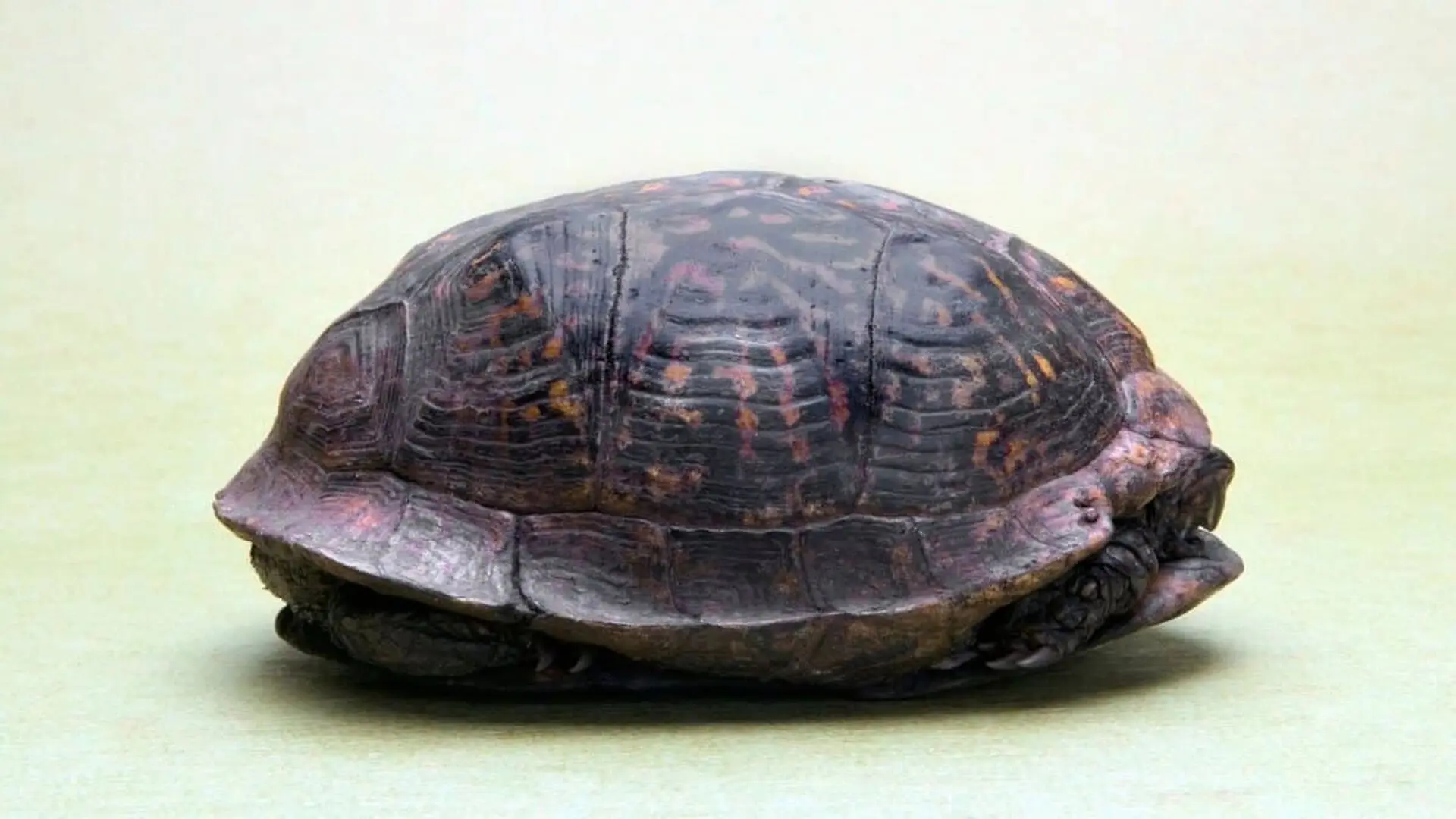
New paleontological findings from Peru have unveiled a prehistoric titan of the freshwater world, shedding light on the massive turtles that once thrived in the sprawling wetland systems of the Amazon. A study published in the journal Palaeoworld identifies fossils belonging to the genus Chelus, revealing that these ancient creatures reached sizes significantly larger than their modern-day descendants.
The discovery centers on a remarkably preserved fossil shell, cataloged as MUSM-920, which was unearthed in 2005 along the Inuya River in Peru’s Fitzcarrald Arch. Led by paleontologist Edwin-Alberto Cadena, the research team identified the specimen as the most complete shell ever recorded for the genus Chelus. Measuring approximately 82 centimeters along its midline, the specimen retains vital structures including pelvic girdles and the signature longitudinal ridges that define the species.
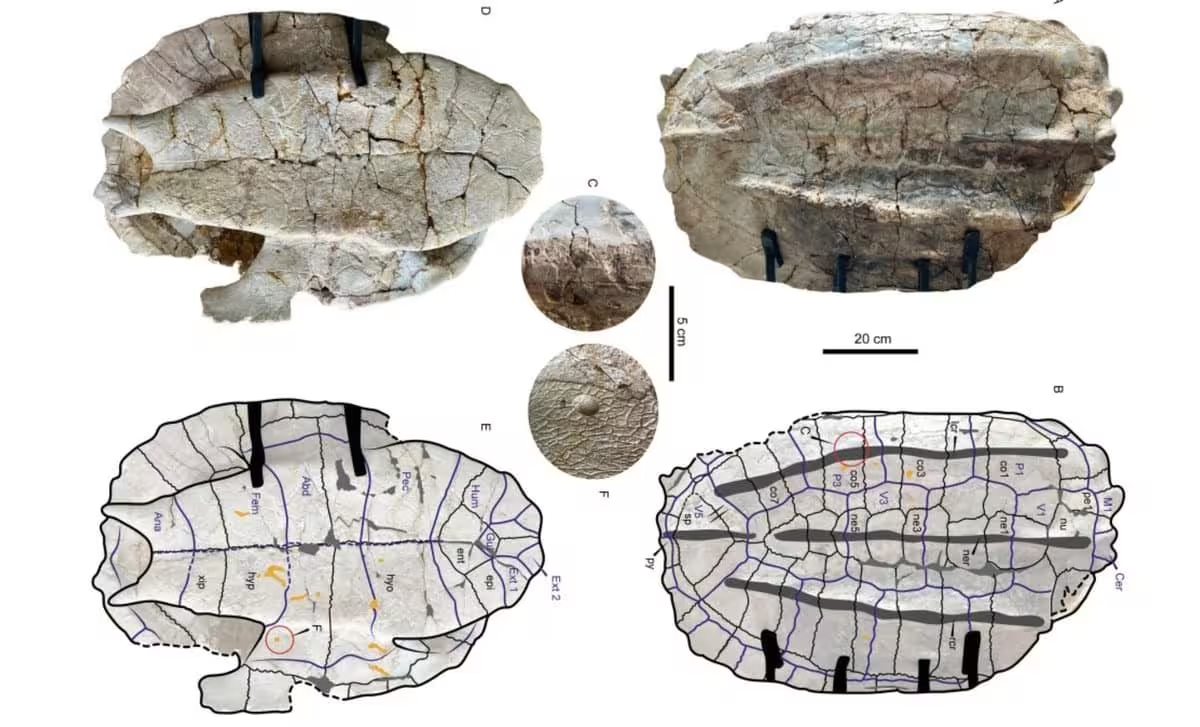
Based on these dimensions, researchers estimate the turtle reached a body mass of roughly 65 kilograms. This dwarfs the modern matamata turtle (Chelus fimbriata), the largest living relative in the family Chelidae, which typically features a shell length of less than 53 centimeters. The Peruvian findings are complemented by a second specimen, MUSM-5003, discovered near Iquitos, further cementing the presence of these giant reptiles across the region.
The Pebas Wetland System as a Catalyst for Gigantism
These fossils date back to the Middle Miocene, between 10 million and 15 million years ago, a time when western Amazonia was dominated by the expansive Pebas wetland system. This massive network of rivers, swamps, and lakes likely played a crucial role in the evolution of these large-bodied turtles. The researchers suggest that the immense connectivity and scale of this aquatic habitat allowed the animals to thrive, travel, and grow to such extraordinary sizes.
The study notes that this trend toward gigantism was not an isolated incident but part of a broader ecological pattern seen in various South American turtles during the Miocene. Rather than looking for specific climate shifts to explain the phenomenon, the authors point to the sheer size of the ecosystem as a primary driver for the development of these prehistoric giants.
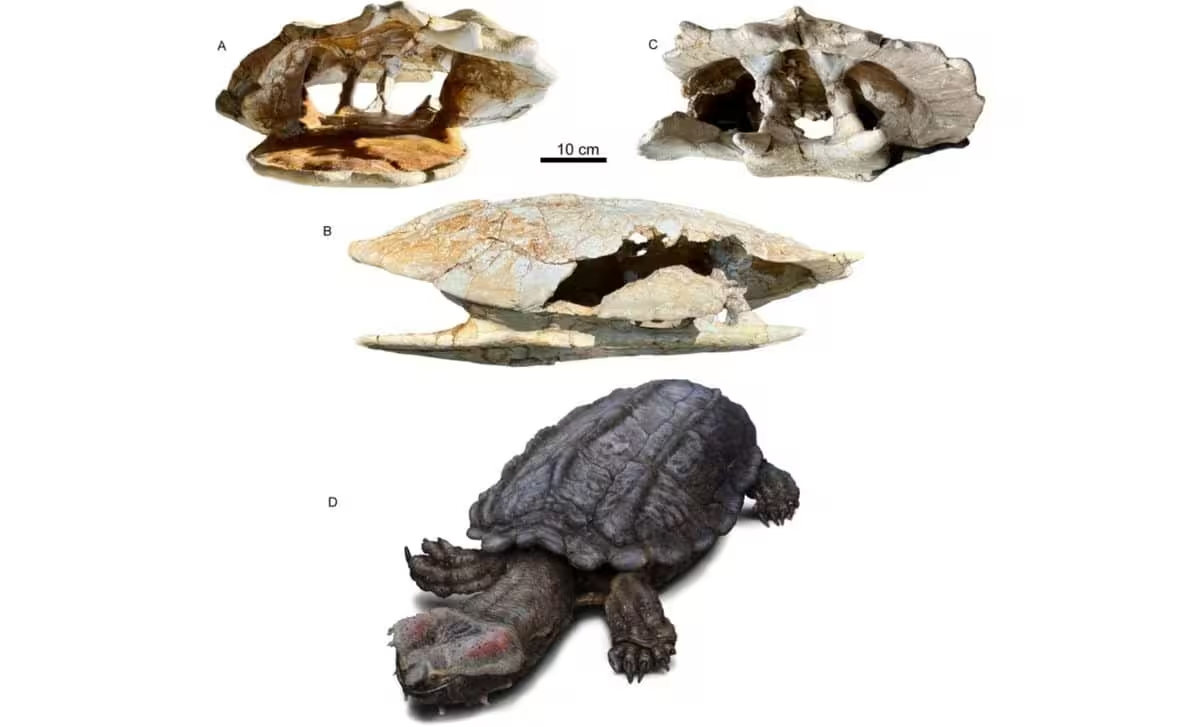
While the discoveries have provided a clearer picture of the turtle’s physical stature, they have also ignited debate regarding species classification. Paleontologists have long debated whether fossils found in the region represent distinct species like Chelus colombiana and Chelus lewisi, or simply variations within a single population. The team argues that the anatomical differences observed in the Peruvian samples, such as variations in vertebral scute arrangement, likely reflect individual diversity within a species.
Ultimately, the researchers emphasize that resolving these taxonomic questions will require more complete skeletal remains. Specifically, finding skulls directly associated with these shells is seen as the next critical step to unlocking the full history of these ancient Amazonian inhabitants.
This article has been fact checked for accuracy, with information verified against reputable sources. Learn more about us and our editorial process.
Last reviewed on .
Article history
- Latest version
Cite this page:
- Posted by Hassan Raza