Ancient Dinosaur Teeth Reveal a Surprising Secret Diet of Seaweed
New evidence from fossilized teeth suggests that coastal dinosaurs may have scavenged marine life after storms, revealing a surprising Cretaceous diet.
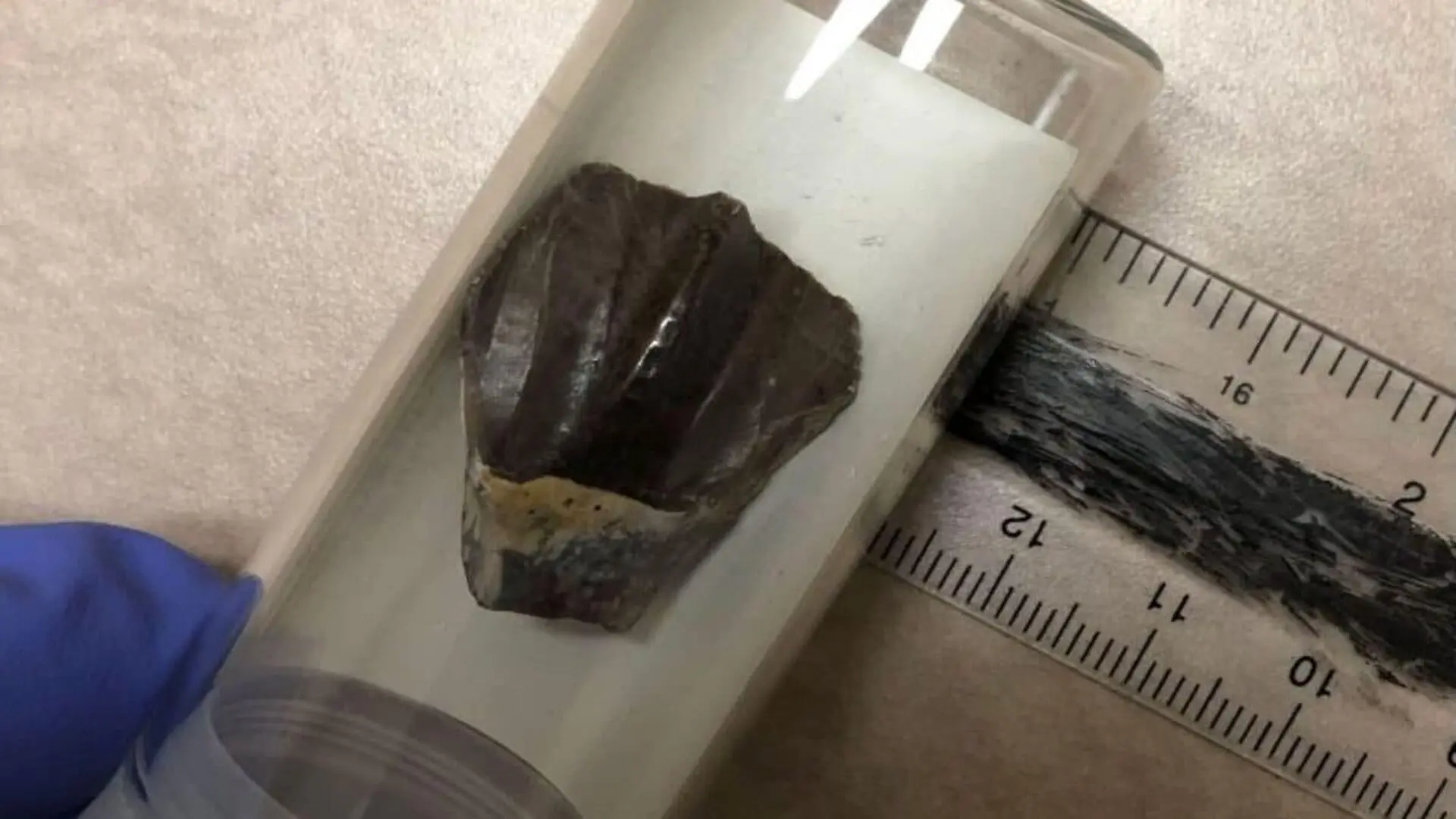
Hidden within the fossilized teeth of ancient North American dinosaurs, researchers have uncovered evidence of a surprising dietary staple: seaweed. This discovery marks the first time scientists have identified a consistent marine influence in the diets of prehistoric terrestrial creatures, suggesting that ocean-based nutrients played a far more significant role in Cretaceous food webs than previously understood.
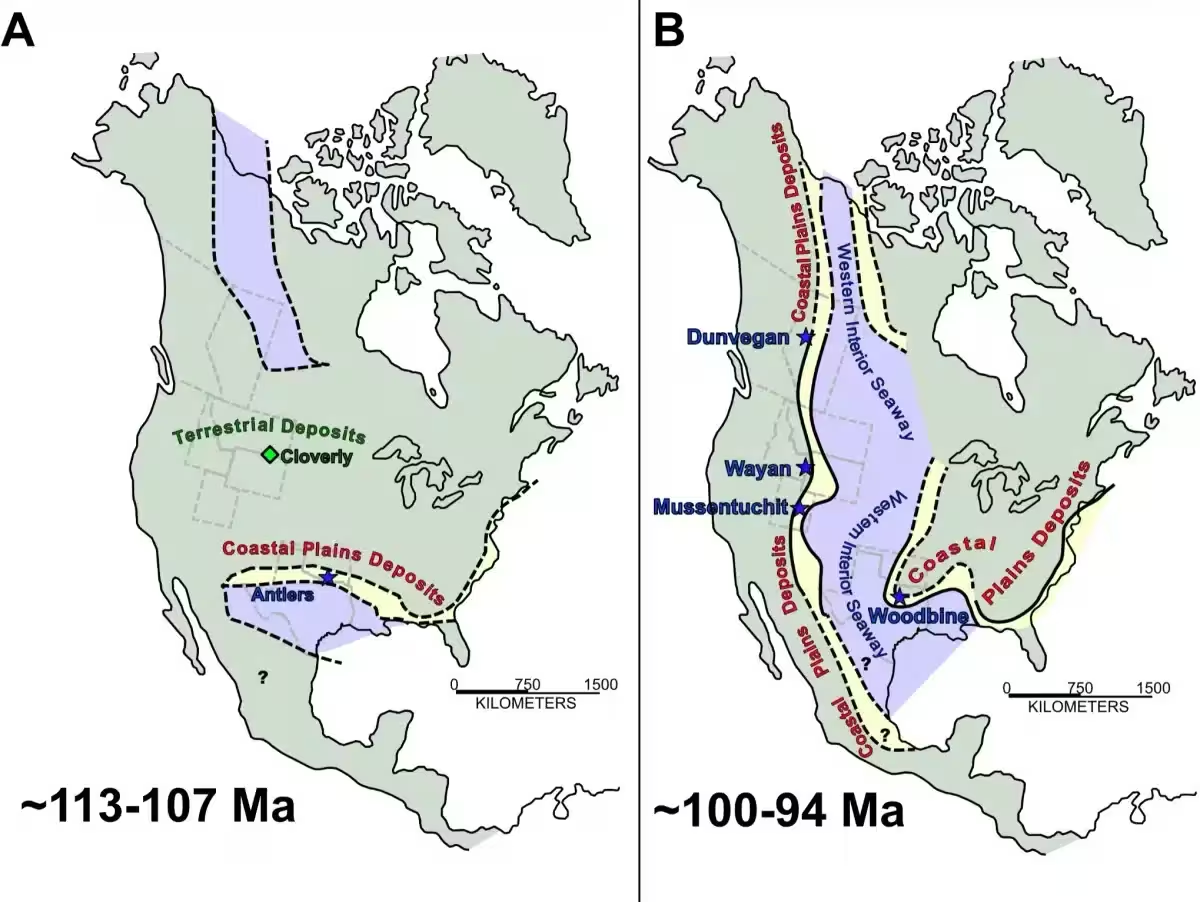
The findings, published in Frontiers in Ecology and Evolution, illuminate a process known as marine subsidization. Just as modern coastal animals scavenge nutrient-rich debris washed ashore after storms, dinosaurs living along the coastlines of the Western Interior Seaway—a massive inland sea that sliced through North America roughly 100 million years ago—appear to have taken advantage of the same marine bounty.
Deciphering the Isotopic Record
To track the flow of nutrients, the research team analyzed the carbon isotope signatures preserved in fossilized teeth. Plants naturally harbor specific ratios of carbon-12 and carbon-13, a signature expressed as δ13C that leaves a permanent trace in the tooth enamel of the animals that consume them. Typically, an animal’s tooth enamel reflects a predictable shift in these ratios, roughly 11 to 13 parts per thousand higher than their dietary intake.
However, the researchers found that dinosaurs and other coastal inhabitants from the Cretaceous period exhibited a notably larger shift than expected. This anomaly suggests these animals were regularly consuming marine-derived organic matter, which possesses a higher carbon-13 signature than typical terrestrial vegetation.
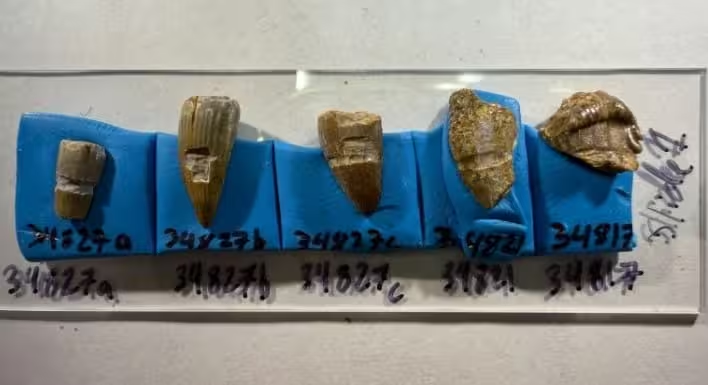
Lead author Dr. Clayton Forster, a geologist at the University of Arkansas, notes that this marine signature was pervasive across diverse species, including fish, turtles, crocodiles, and large herbivorous dinosaurs. “Incorporated in the minerals of bones and teeth,” these chemical markers act as a biological record of a shared food source flowing from the ocean onto land.
A Wide-Reaching Coastal Link
By comparing fossils from coastal environments with those from landlocked regions across two distinct Cretaceous intervals—the early Albian and the early Cenomanian—the team confirmed that the higher δ13C values were unique to coastal residents. This pattern persisted across different latitudes and millions of years, pointing to a persistent, bottom-of-the-food-chain source.
The ubiquity of these signals suggests that marine macroalgae—seaweed—is the most likely culprit. Because it sits at the base of the food web and is readily available in coastal zones, seaweed serves as an ideal conduit for marine carbon to reach terrestrial herbivores and the predators that hunted them. Dr. Forster believes that many large coastal dinosaurs were likely opportunistic feeders, regularly supplementing their diets with this saline vegetation.
Exceptions and Future Research
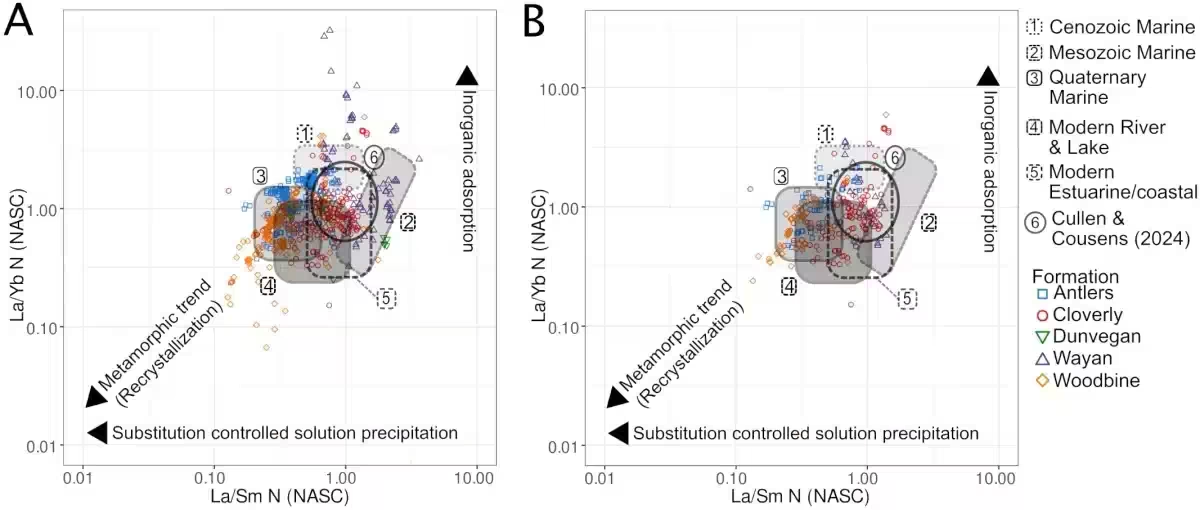
The research also highlighted notable outliers, such as the herbivore Tenontosaurus tilletti, which displayed isotopic values typical of purely land-based plants. This variation reinforces the team’s conclusion that the higher values found in other species are indeed representative of dietary choices rather than the result of environmental contamination or post-mortem fossil alteration.
While the study provides a compelling snapshot of Cretaceous ecology, researchers are eager to expand the search. Future investigations into polar and equatorial sites, as well as earlier or later geological periods, could determine just how widespread this oceanic influence was. Regardless of the scale, the findings underscore a profound truth about prehistoric life: terrestrial and marine ecosystems have been deeply intertwined for hundreds of millions of years.
This article has been fact checked for accuracy, with information verified against reputable sources. Learn more about us and our editorial process.
Last reviewed on .
Article history
- Latest version
Reference(s)
- Forster, Clayton. “Marine subsidization of dinosaurian ecosystems.” Frontiers in Ecology and Evolution, vol. 14, September 30, 2026, pp. 1895247 Frontiers, doi: 10.3389/fevo.2026.1895247/full. <https://www.frontiersin.org/journals/ecology-and-evolution/articles/10.3389/fevo.2026.1895247/full>.
- WHR, “West Hawaii Region - West Hawaii Region.”, May 1, 2026 West Hawaii Region <https://aliihealthcenter.com/provider/clayton-clay-foster-md/>.
Cite this page:
- Posted by Linda Wilson