Scientists Discover Why a Massive 5000 Mile Algae Belt Is Choking the Atlantic
Scientists have detected a massive 37.5 million-ton bloom of Sargassum seaweed stretching across the Atlantic Ocean, from West Africa to the Gulf of Mexico.
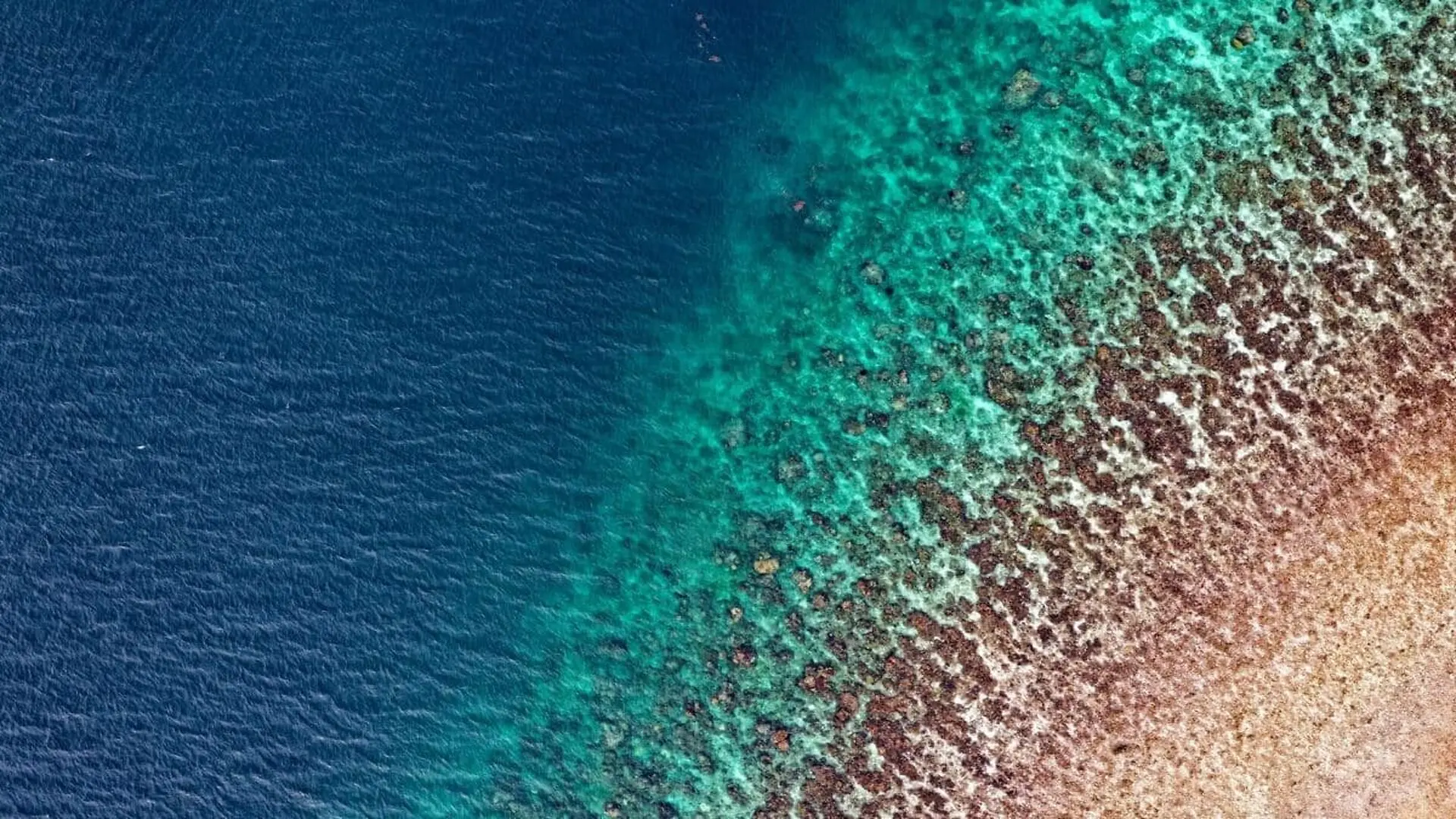
For decades, the presence of Sargassum in the Atlantic was a predictable, albeit fluctuating, ecological event. However, since a massive, unprecedented bloom was first identified in 2011, the seaweed has transformed into a nearly annual phenomenon. While this macroalgae serves as a vital offshore habitat for marine life, its arrival on coastlines presents a persistent challenge for public health, local economies, and coastal environments.
To unravel why these blooms have intensified, researchers from Florida Atlantic University’s Harbor Branch Oceanographic Institute have synthesized four decades of data. By combining satellite imagery, field observations, and chemical analysis, the team traced the movement and growth patterns of the algae, pinpointing the specific nutrient sources that act as fuel for its rapid expansion across the Atlantic.
Tracking the Path from the Gulf to the Open Sea
The study highlights how Sargassum traverses the ocean, utilizing powerful currents to travel vast distances. The seaweed typically originates in the nutrient-dense waters of the western Gulf of Mexico, eventually catching the Loop Current and entering the Gulf Stream. This transit serves as a pipeline, potentially feeding populations that reach as far east as the Sargasso Sea.
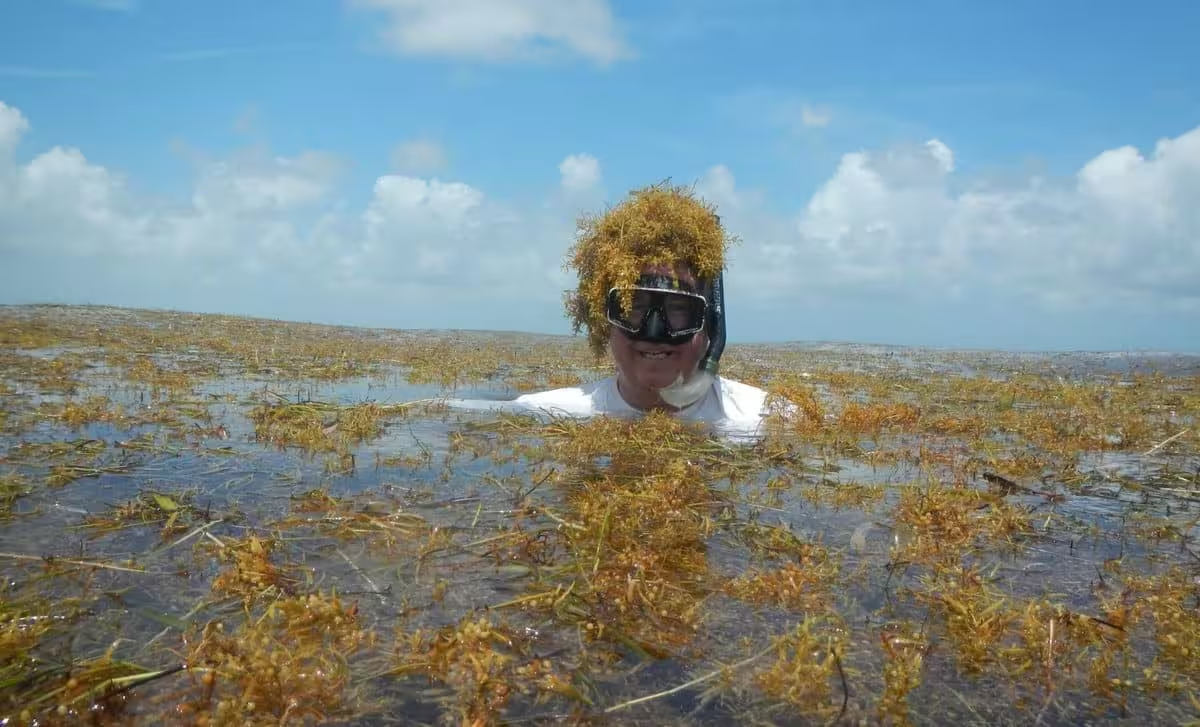
Brian Lapointe, a research professor at FAU Harbor Branch and lead author of the study, explains that while the phenomenon has been documented for centuries—with Portuguese explorers noting the floating mats as far back as the 15th century—the recent surge in biomass requires a modern explanation. Historically, natural oceanic upwelling and inputs from the Amazon River provided the necessary nutrients. Today, however, the equation has shifted.
The Shift Toward Land-Based Nutrient Pollution
By analyzing the chemical composition of Sargassum tissue, the researchers observed a marked increase in nitrogen, phosphorus, and carbon levels. This shift indicates that the algae are no longer relying primarily on natural, deep-ocean nutrient sources. Instead, human-driven activities—such as agricultural runoff, wastewater discharge, and atmospheric pollution—are increasingly feeding the blooms.
This infusion of land-based nutrients is the driving force behind the formation of the Great Atlantic Sargassum Belt, a massive, persistent accumulation of seaweed that stretches from the African coast to the Gulf of Mexico. The changing chemical signature of the algae, particularly the rise in carbon, reflects how human activity has fundamentally altered the ocean environment on a basin-wide scale.
Economic and Ecological Costs at the Shoreline
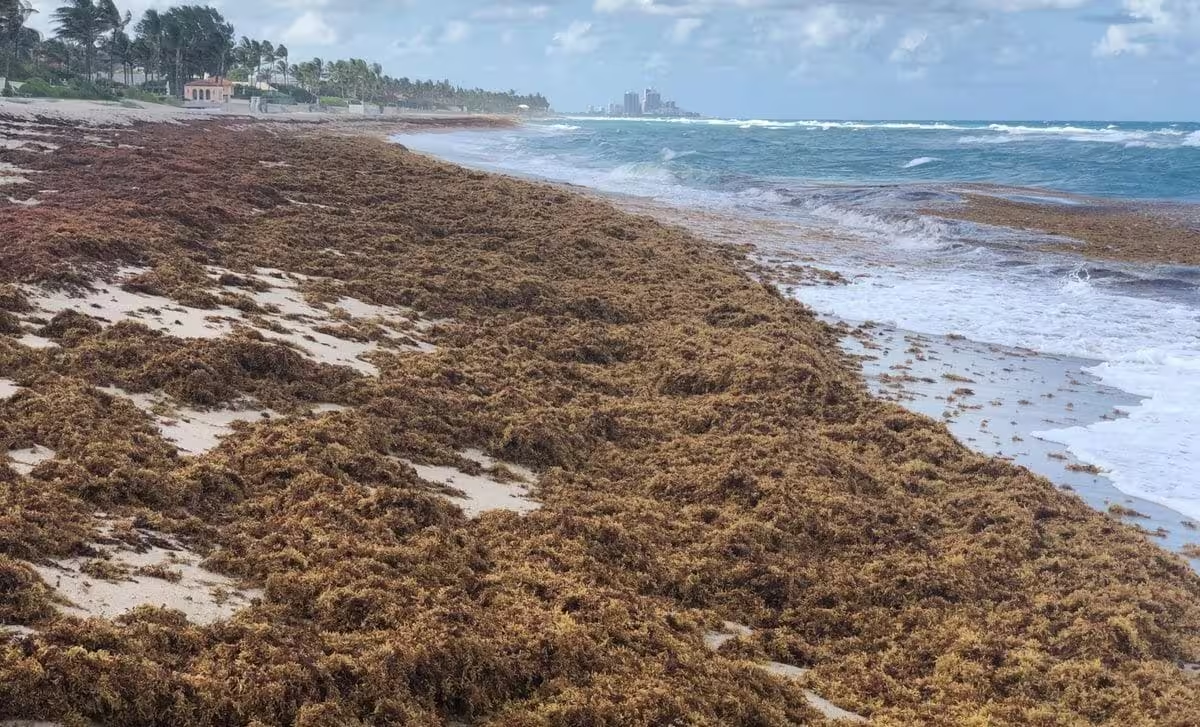
The environmental impact of these blooms is starkly divided. In the open ocean, Sargassum is a thriving ecosystem, but upon reaching land, it becomes a major liability. As the seaweed decomposes on beaches, it releases hydrogen sulfide, a toxic gas that creates significant health risks for residents and tourists alike.
The accumulation also smothers coastal habitats and damages coral reefs by depleting oxygen levels in the water. Local municipalities are often forced to undertake costly, frequent cleanup operations, which offer only temporary relief. These issues are not merely modern inconveniences; previous spikes in biomass, such as the 1991 event along the Mexico coast, were severe enough to necessitate the emergency shutdown of a nuclear power plant in Florida. As the blooms become a more frequent fixture of the Atlantic, the challenge of managing their arrival alongside these environmental and economic burdens continues to grow.
This article has been fact checked for accuracy, with information verified against reputable sources. Learn more about us and our editorial process.
Last reviewed on .
Article history
- Latest version
Reference(s)
- “FAU Tells ‘Story’ of Atlantic’s Sargassum Surge Using 40 Years of Data.” <https://www.fau.edu/newsdesk/articles/sargassum-story-forty-years-data.php>.
- Lapointe, Brian E.., et al. “Productivity, growth, and biogeochemistry of pelagic Sargassum in a changing world.” Harmful Algae, vol. 150, December 1, 2025, pp. 102940 Elsevier BV, doi: 10.1016/j.hal.2025.102940. <https://www.sciencedirect.com/science/article/abs/pii/S1568988325001428>.
Cite this page:
- Posted by Linda Wilson