Why Brazil Restricted Access To The Island Inhabited By Thousands Of Deadly Vipers
This remote island is off-limits to the public for one terrifying reason: it is home to thousands of the world’s most venomous snakes.
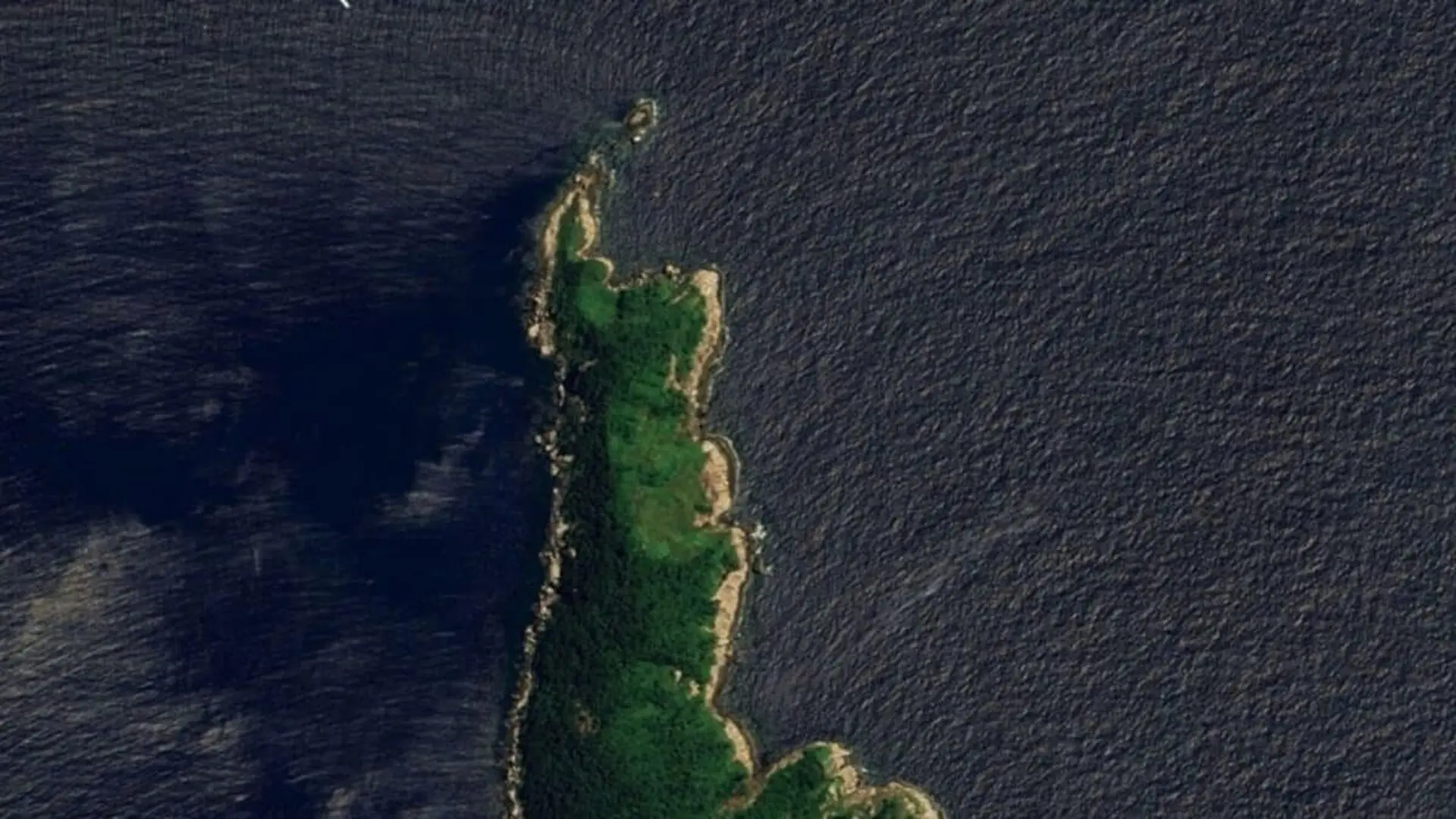
Just 20 miles off the coast of Brazil lies Ilha da Queimada Grande, a landmass shrouded in maritime folklore and scientific intrigue. While local legends speak of buried pirate gold guarded by vipers and doomed fishermen who vanished into the island’s dense vegetation, the reality of the site is significantly more compelling than the myths. The island is home to one of the most concentrated populations of venomous snakes on the planet, an ecosystem forged by 10,000 years of complete isolation.
An Evolutionary Laboratory
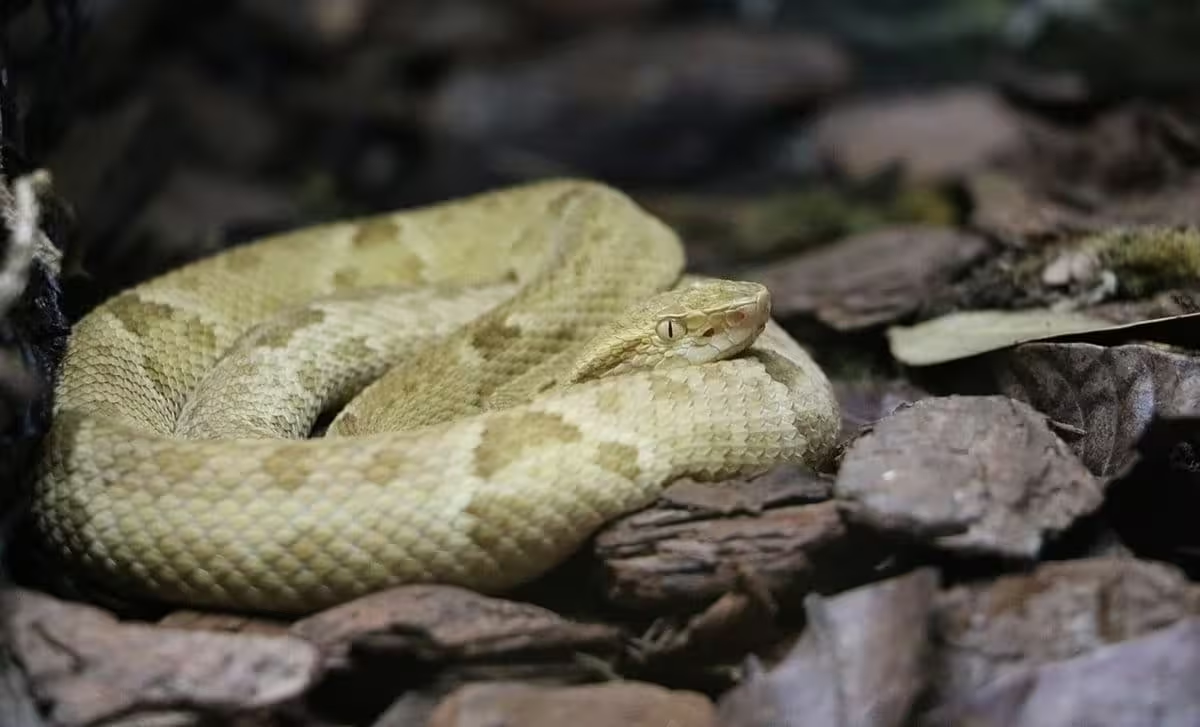
The star resident of Ilha da Queimada Grande is the golden lancehead viper, Bothrops insularis. Scientists believe that when rising sea levels severed the island from the Brazilian mainland approximately 10 millennia ago, the trapped viper population began to diverge from its continental cousins. Over thousands of years, this pressure resulted in a highly specialized predator.
Strict Entry Protocols
Due to the extreme risk posed by the snake population, the Brazilian government has designated Ilha da Queimada Grande a strictly off-limits zone. Public access is prohibited, and any entry requires specific, high-level government authorization. The only humans who maintain a consistent presence are members of the Brazilian military, who manage the island’s automated lighthouse.
Beyond its reputation as a forbidden zone, the island acts as a unique site for medical research. According to reports from AS USA, biologists and chemists have studied the golden lancehead’s unique venom profile, suggesting that certain compounds could hold potential for developing treatments for human conditions, including heart disease.
The Dense Reality of Snake Island
While tales of treasure and tragedy persist, the empirical data on the island’s inhabitants is staggering. Experts estimate that the concentration of snakes on this 43-hectare landmass reaches between one and five individuals per square meter. This incredible density has turned the small, rocky outcrop into a natural fortress.
Whether viewed as a hazard or a biological marvel, the island remains a rare, undisturbed snapshot of evolution in motion. By limiting human interference, authorities have managed to preserve a habitat where a single species dominates its environment, continuing an isolation story that began long before human records of the island ever began.
This article has been fact checked for accuracy, with information verified against reputable sources. Learn more about us and our editorial process.
Last reviewed on .
Article history
- Latest version
Reference(s)
- Criado, Rubén. “This tiny island is a no-go zone: you’d be dead in under an hour.”, September 26, 2026 AS USA <https://en.as.com/latest_news/this-tiny-island-is-a-no-go-zone-youd-be-dead-in-under-an-hour-f202609-n/>.
Cite this page:
- Posted by Linda Wilson