Ancient Fossil Discovery Reveals Lost Species and Unlocks New Zealand’s Million-Year Secret
Fossils discovered in a Waitomo cave offer a rare glimpse into New Zealand’s prehistoric ecosystems, revealing how wildlife adapted to ancient climate shifts.
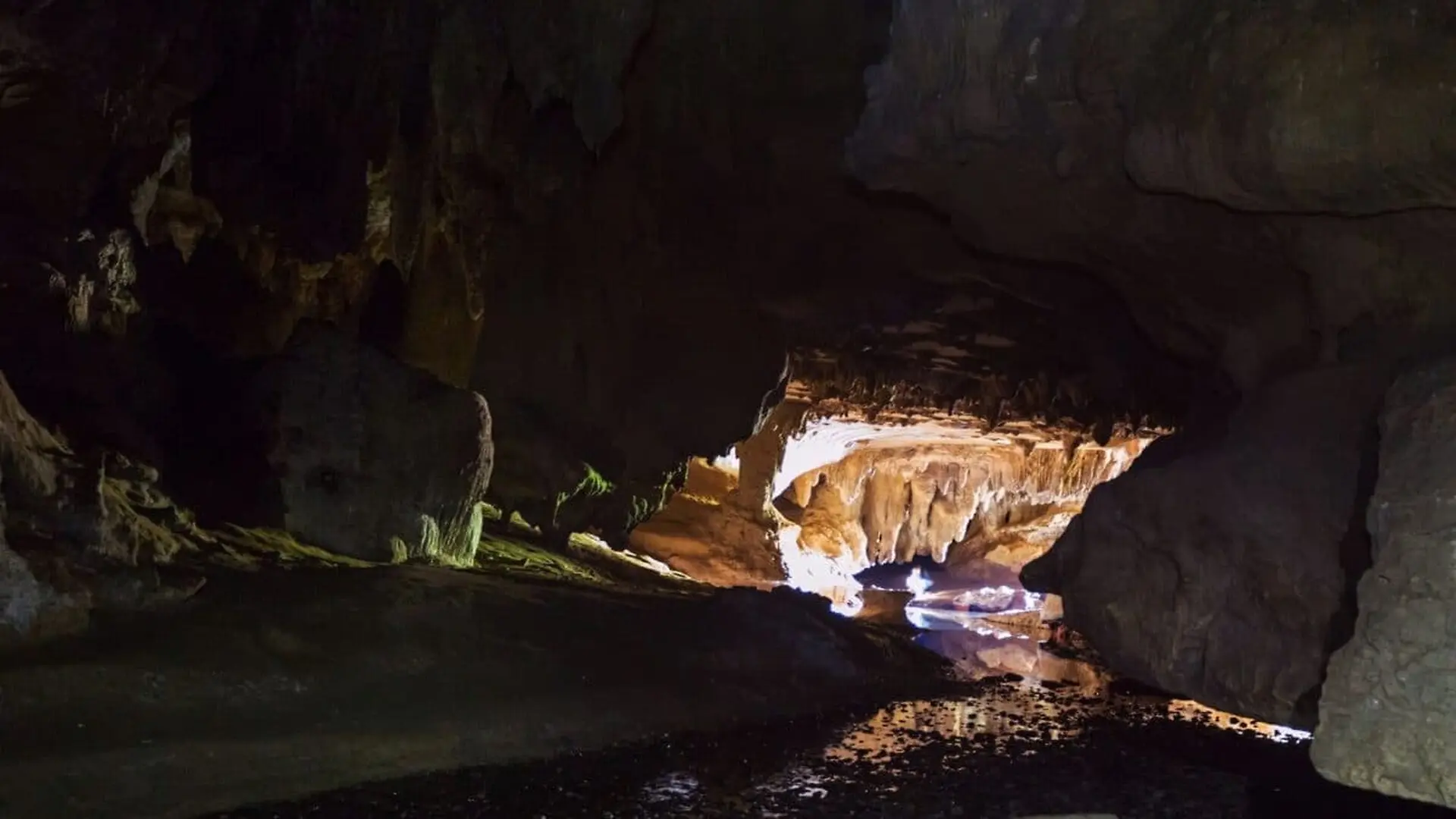
A team of researchers from Australia and New Zealand has unearthed a significant fossil cache in the Moa Eggshell Cave, near the renowned Waitomo system. This discovery provides a long-awaited glimpse into a mysterious chapter of New Zealand’s prehistoric past, revealing the existence of 12 bird species and 4 frog varieties, including an ancient predecessor to the modern kākāpō parrot.
A Chronological Marker in Volcanic Ash
The site, which marks the first instance of Early Pleistocene terrestrial vertebrate remains found within a New Zealand cave, owes its preservation to dramatic geological events. Researchers utilized volcanic ash layers to anchor the fossils in time, specifically situating them between the 1.55-million-year-old Ngaroma eruption and the 1-million-year-old Kidnappers eruption. The findings, recently published in Alcheringa: An Australasian Journal of Palaeontology, illustrate a period of intense ecological transformation.
The collaborative project included experts from Flinders University, the Canterbury Museum, the University of Auckland, and Victoria University of Wellington. Lead author Associate Professor Trevor Worthy of Flinders University noted that the collection introduces a previously undocumented suite of avian life that thrived long before the island’s more recent inhabitants.
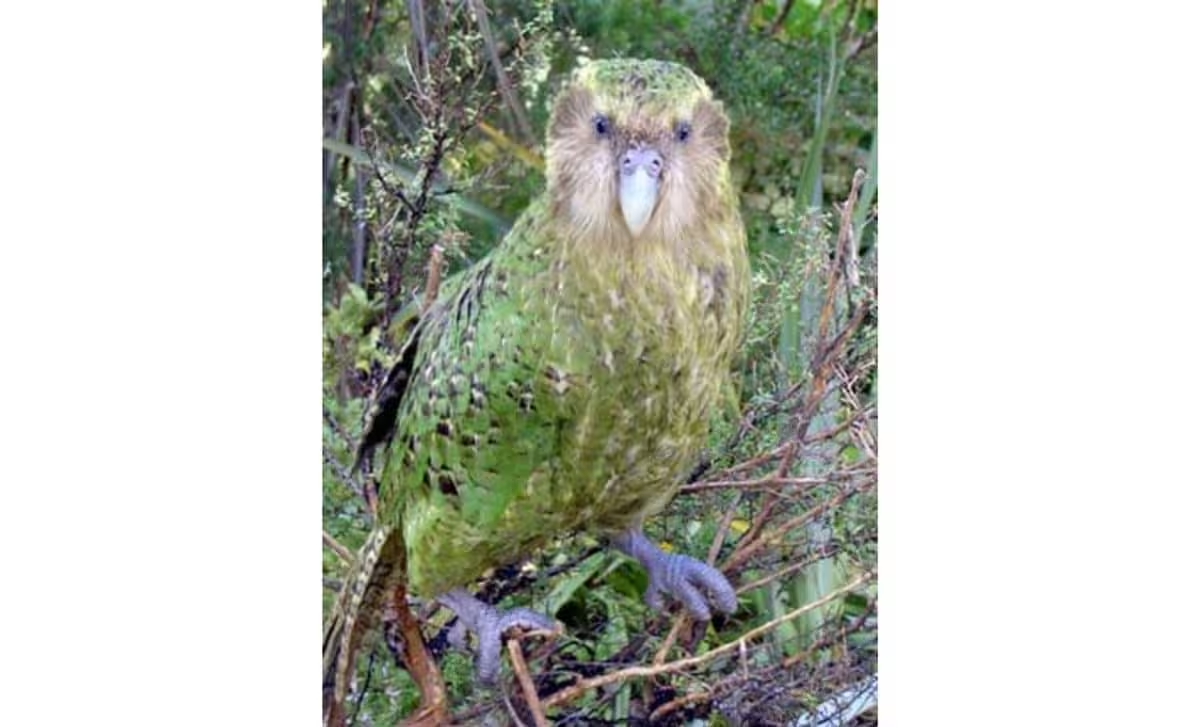
Among the standout finds is Strigops insulaborealis, a relative of the iconic flightless kākāpō. Unlike its modern counterpart, this ancient parrot appears to have possessed different limb structures, prompting ongoing research into whether the bird still possessed the ability to fly. The cave also yielded remains of an extinct takahē ancestor and a pigeon species linked to the Australian bronzewing, highlighting the biodiversity present on the North Island during the Early Pleistocene.
Ecological Shifts Before Human Arrival
The evidence challenges the narrative that New Zealand’s ecological changes were exclusively tied to human impact. Estimates suggest that between 33% and 50% of the bird species present during this era vanished long before humans arrived on the islands approximately 750 years ago. According to co-author Dr. Paul Scofield of the Canterbury Museum, these fossils bridge a significant gap in the scientific record, connecting the ancient life identified at the St Bathans site, dating back 20 to 16 million years, with much more recent biological history.
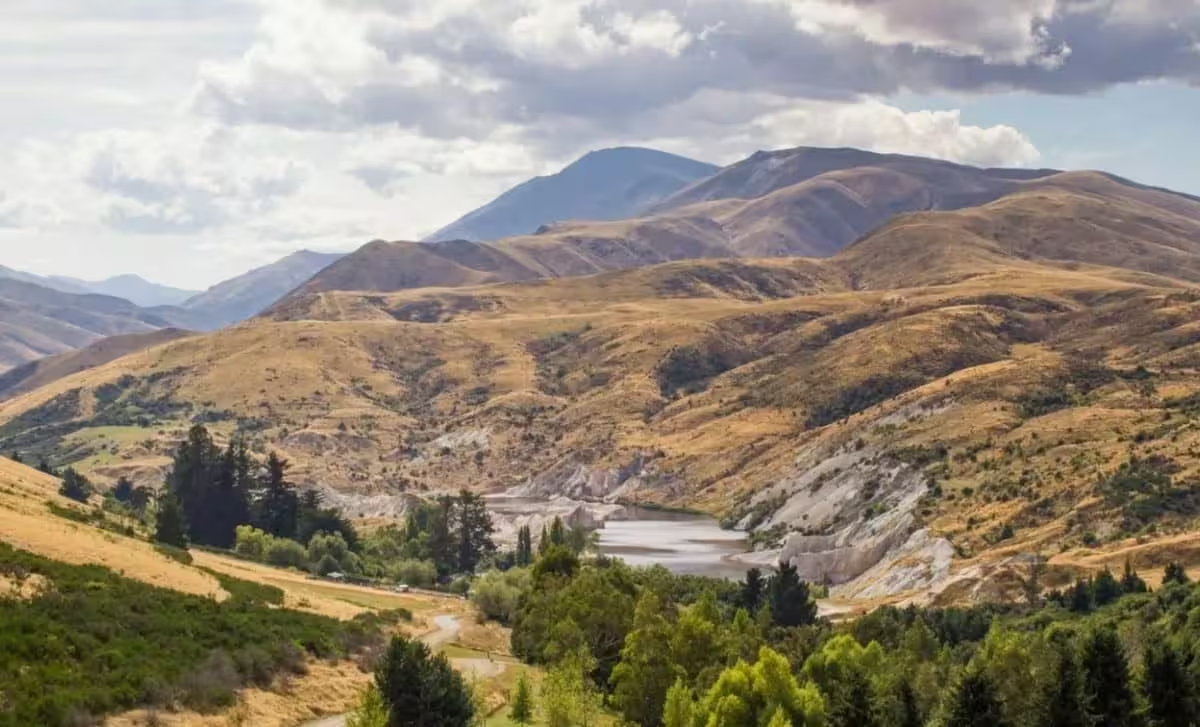
The turnover in wildlife appears to have been driven by a volatile mix of climate oscillations—specifically the cycle of glacial and interglacial periods—and the persistent threat of volcanic activity. These findings provide a fresh baseline for understanding how New Zealand’s landscapes and their inhabitants have been in a state of constant, natural flux for over a million years, long before human intervention played any role in the environment.
This article has been fact checked for accuracy, with information verified against reputable sources. Learn more about us and our editorial process.
Last reviewed on .
Article history
- Latest version
Reference(s)
- Worthy, Trevor H.., et al. “The first Early Pleistocene ( ca 1 Ma) fossil terrestrial vertebrate fauna from a cave in New Zealand reveals substantial avifaunal turnover in the last million years.” Alcheringa: An Australasian Journal of Palaeontology, vol. 50, no. 1, January 26, 2026, pp. 480-519. Informa UK Limited, doi: 10.1080/03115518.2025.2605684. <https://www.tandfonline.com/doi/full/10.1080/03115518.2025.2605684>.
- “Associate Professor Trevor Worthy - Flinders University.” Flinders University <https://www.flinders.edu.au/people/trevor.worthy>.
- “Paul Scofield Senior Curator Human History.” Canterbury Museum <https://www.canterburymuseum.com/research-education/our-researchers/paul-scofield>.
Cite this page:
- Posted by Linda Wilson