November Night Sky Guide: Meteor Fireballs, Planetary Parades, and the First Supermoon of the Year
November 2026 features a spectacular lineup of celestial events, including brilliant meteor fireballs, close planetary encounters, and a stunning supermoon.
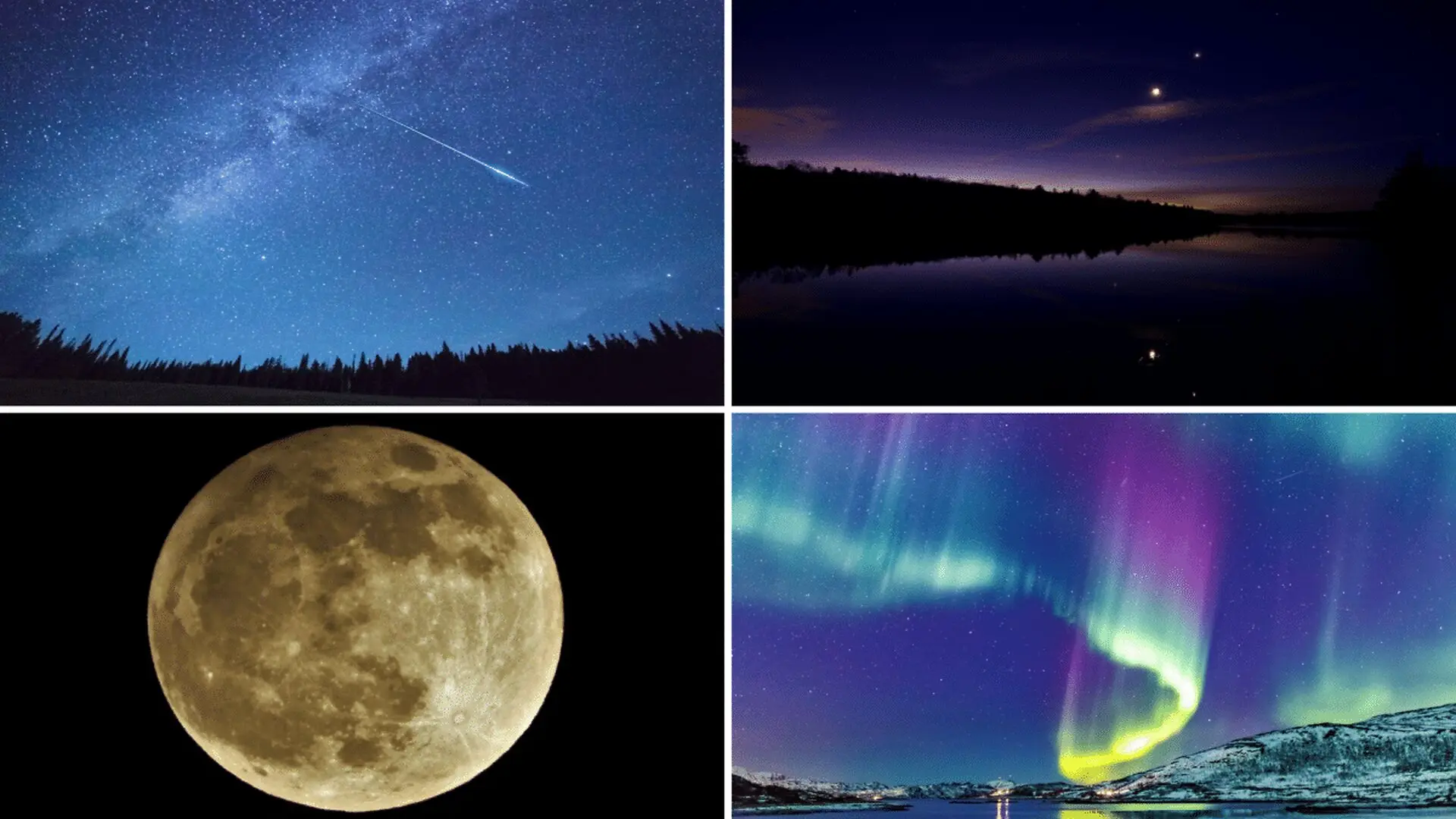
The night sky in November 2026 offers an ambitious schedule for stargazers, headlined by a trio of meteor showers, a series of planetary configurations, and the return of supermoon activity. From the subtle glow of deep-sky objects to the brilliance of occasional fireballs, the month provides numerous reasons to venture outdoors.
Meteor Showers and the Chance for Fireballs
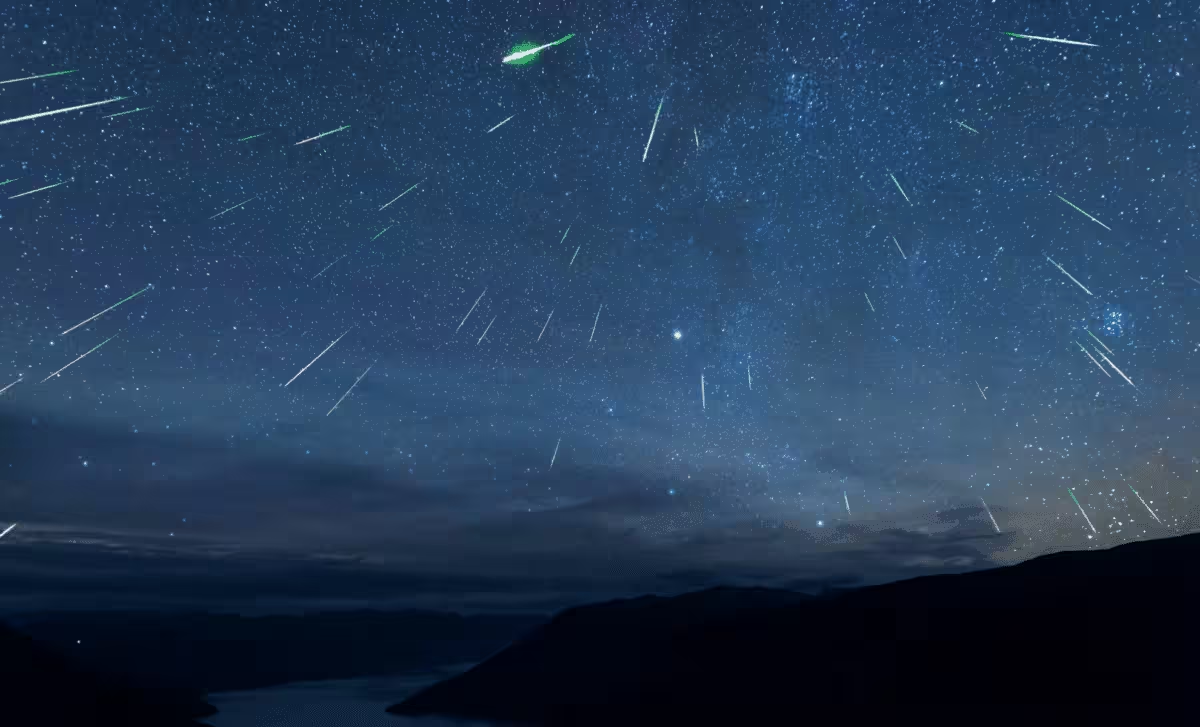
The month begins with two distinct meteor displays that are known for producing occasional fireballs—exceptionally bright meteors that can light up large swaths of the sky. As noted by National Geographic, the Southern Taurids reach their peak on the night of November 4–5, followed by the Northern Taurids on November 11–12. While these showers typically yield modest rates of about five meteors per hour, their potential for high-intensity flashes makes them a target for dedicated observers.
Following these, the Leonid meteor shower is expected to peak on November 17–18. Renowned for their high velocity, Leonids frequently leave colorful trails in their wake. Observers may catch around a dozen meteors per hour as they appear to radiate from the constellation Leo, though their paths can span nearly any direction in the dark.
Planetary Alignments in the Predawn Hours
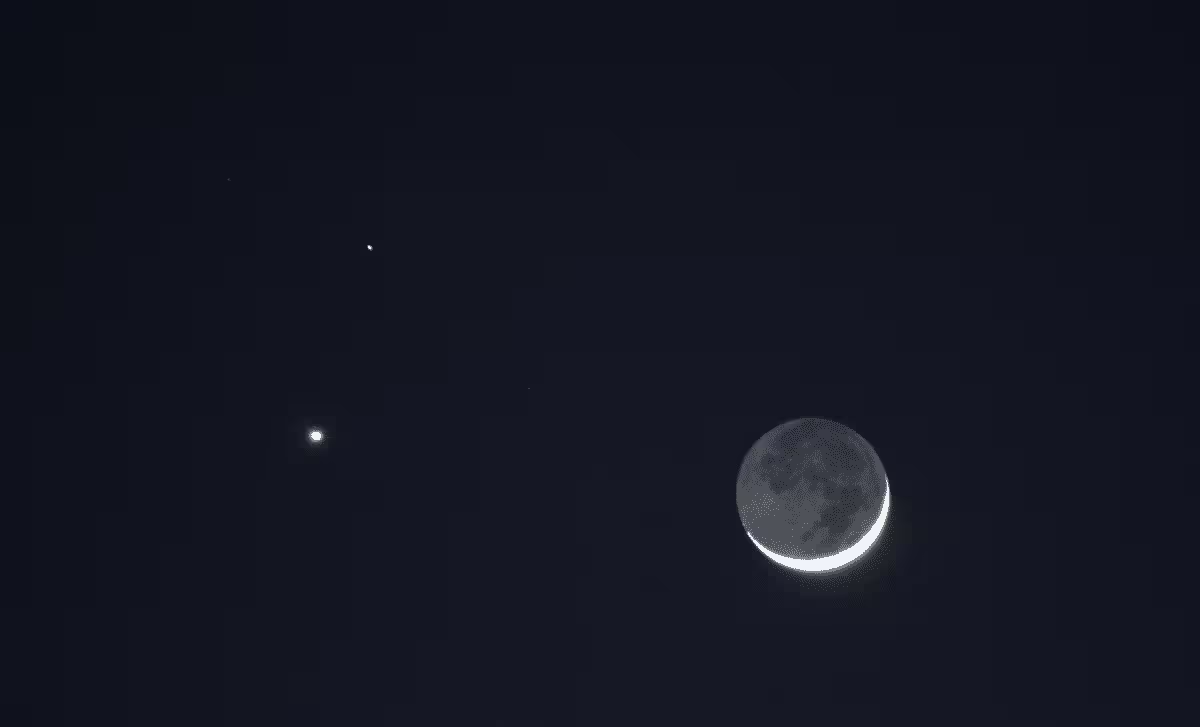
Early risers can track a series of striking planetary arrangements throughout the month. On November 2–3, the Moon, Mars, and Jupiter will gather in the eastern sky, anchored by the presence of Regulus, the brightest star in the constellation Leo. While these bodies occupy vast distances from one another, their relative positions create a visually compelling alignment from our vantage point on Earth.
The celestial choreography continues through mid-month, with Mars and Jupiter drawing particularly close on November 14–16. Around this same window, Mercury and Venus may become visible near the southeastern horizon before dawn. Mercury will reach its greatest western elongation on November 20, providing the best window to spot the elusive planet. Observers should ensure they have a clear view of the eastern horizon and exercise extreme caution to avoid looking directly at the Sun with optical equipment.
The Beaver Moon Supermoon
The lunar highlight of the month occurs on November 24, as the full Beaver Moon reaches its perigee, qualifying as a supermoon. This phenomenon happens when the Moon’s full phase aligns with its closest approach to Earth, making the disk appear up to 14% larger and 30% brighter than at its most distant point. While these nuances can be subtle to the casual viewer, the sight of the Moon near the horizon—often enhanced by the so-called Moon illusion—remains a powerful spectacle. This event marks the start of a three-month string of consecutive supermoons.
Deep-Sky Exploration and Auroral Activity
The new Moon on November 9 creates an ideal window for viewing faint celestial structures, such as the Orion Nebula, the Andromeda Galaxy, and the Beehive Cluster. Those utilizing binoculars or small telescopes will find these targets particularly rewarding during this period of darker skies.
For observers with specialized equipment, Uranus reaches opposition around November 25–26. Located near the Pleiades, the distant ice giant will be at its brightest for the year. Additionally, the aurora season remains active. Despite the passing of the solar maximum, northern regions like Iceland and Norway remain prime locations for geomagnetic displays, which can occasionally shift toward lower latitudes during periods of heightened solar activity.

Success in November’s skywatching depends largely on timing and light pollution levels. With several distinct events on the calendar, the month offers ample opportunities to observe the mechanics of the solar system in action.
This article has been fact checked for accuracy, with information verified against reputable sources. Learn more about us and our editorial process.
Last reviewed on .
Article history
- Latest version
Reference(s)
- Vermillion, Stephanie. “8 Night Sky Events to See in November, From a Supermoon to 3 Meteor Showers.”, October 29, 2026 National Geographic <https://www.nationalgeographic.com/science/article/november-2026-night-sky-events>.
Cite this page:
- Posted by Aisha Ahmed