Don’t Miss June’s Most Spectacular Night Sky Events Featuring Rare Planetary Alignments, A Strawberry Moon, And Much More!
Skywatchers rejoice June 2026 for rare planetary alignments lunar events and meteor showers
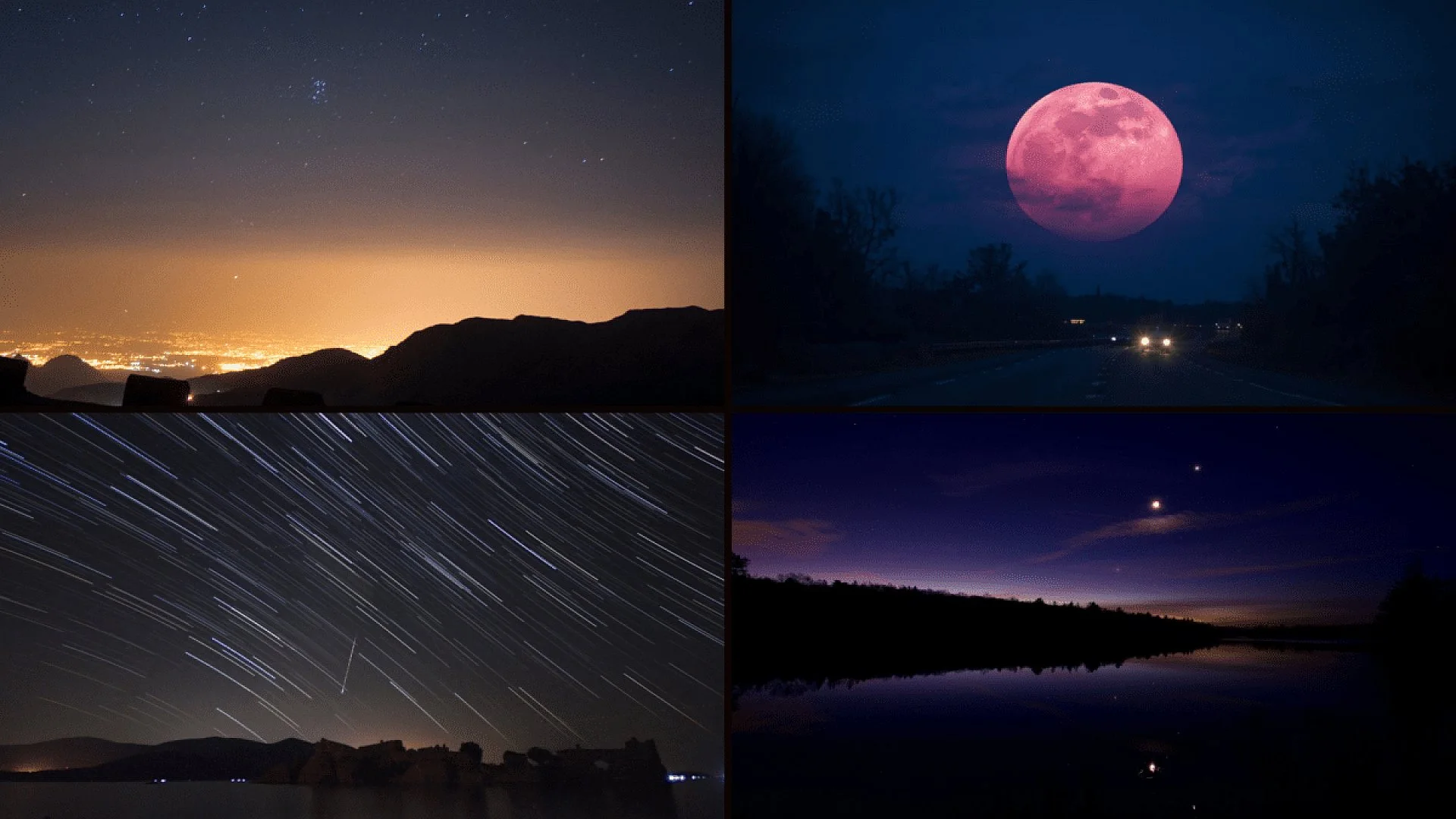
June 2026 promises a string of sky‑watching highlights that can be enjoyed without telescopes, from planet pairings to a deep‑dark view of the Milky Way’s core. National Geographic notes that the month will deliver close approaches of bright planets, striking lunar configurations, a modest meteor shower, and some of the season’s best chances to see the galaxy’s center, giving stargazers plenty of reasons to look up after dusk and before dawn.
Venus and Jupiter Appear Side by Side in Early June
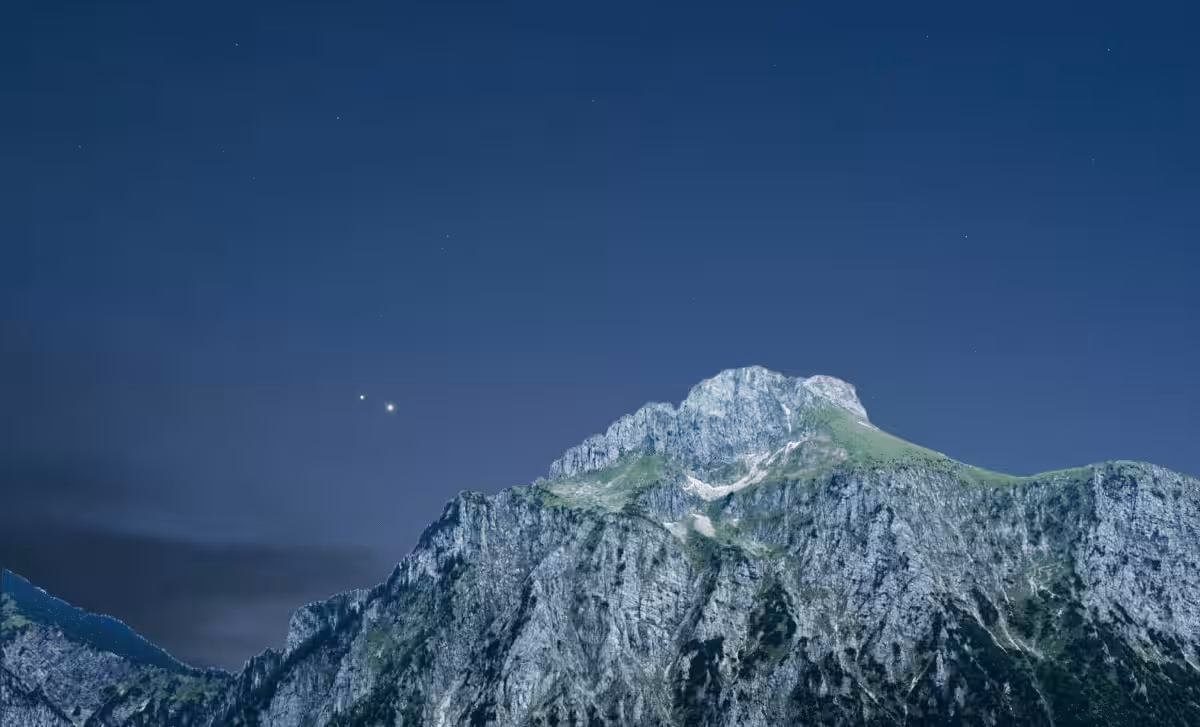
On the evenings of June 8 and 9 the two brightest planets will draw together, shrinking to about 1.5 degrees apart. To the naked eye they will look almost touching, while binoculars will capture both objects within a single field. The conjunction will sit low in the north‑western sky just after sunset, and a glimpse of Mercury will slip beneath the pair, adding a subtle third point of light. No equipment is needed, making this a straightforward target for casual observers and seasoned enthusiasts alike.
Credit: Canva
Early‑Morning Moon, Saturn and Mars Form Photogenic Chains
Just after the Venus‑Jupiter event, a slender crescent Moon will drift close to Saturn on the pre‑dawn sky of June 10, offering another eye‑catching alignment above the eastern horizon. Saturn’s rings remain a favorite target throughout the month, visible with modest telescopes or powerful binoculars.
The following morning, June 11, adds Mars into the mix. For roughly an hour before sunrise, the red planet, the crescent Moon and Saturn will line up diagonally, giving photographers a chance to capture three celestial bodies in a single frame and illustrating the solar system’s steady motion.
These back‑to‑back morning displays turn the second week of June into a concentrated period of sky activity, best enjoyed from sites with clear skies and an unobstructed eastern outlook.
New Moon Provides a Dark Canvas for the Milky Way
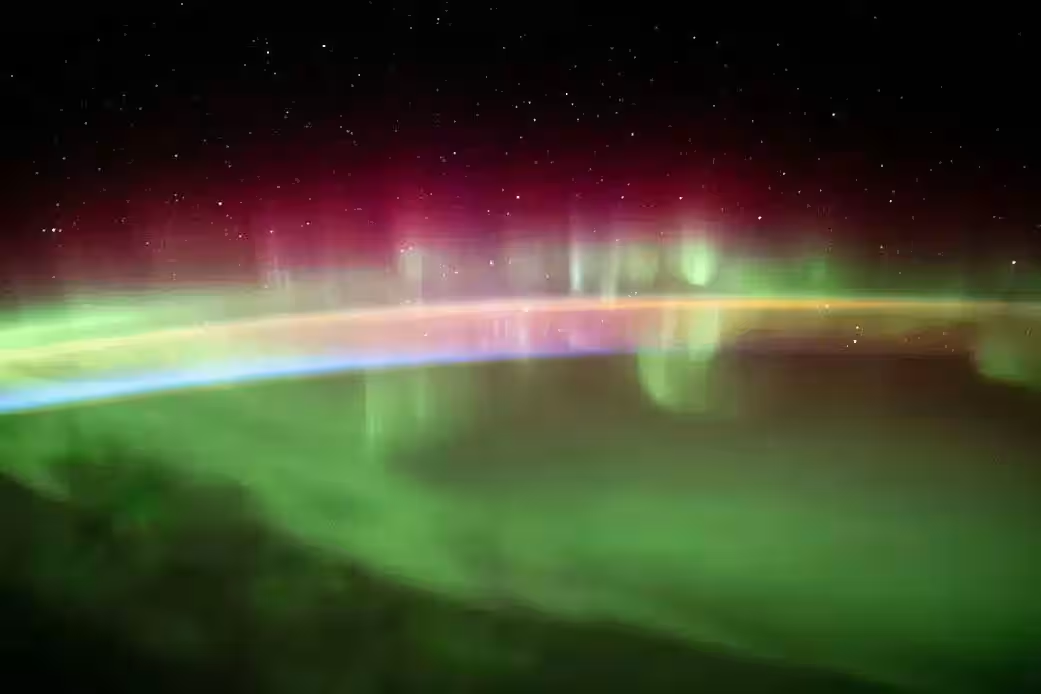
When the Moon turns new on June 15, its absence of reflected sunlight will darken the night sky, allowing faint structures to emerge. National Geographic points out that June offers an optimal window to view the bright central band of the Milky Way, where millions of stars blend into a luminous ribbon visible from dark sites.
Astrophotographers consider this period one of the year’s prime opportunities to record detailed images of the galactic core. Light pollution remains the primary obstacle; traveling to designated dark‑sky locations dramatically improves the view, revealing the galactic center as one of the most striking naked‑eye sights on Earth.
Credit: NASA
Summer Solstice Highlights Seasonal Sky Shifts
The summer solstice on June 21 marks the Sun’s highest apparent altitude over the Northern Hemisphere, ushering in longer evenings and warmer nights that favor amateur astronomy. In high‑latitude regions, the resulting twilight can extend well into the night, while Southern Hemisphere observers will experience stronger displays of the Aurora Australis.
The solstice serves as a reminder that the rhythm of daily seasons is tied to Earth’s orbit around the Sun, linking familiar weather patterns with the broader motions of our planetary system.
Bootid Meteors, Strawberry Moon and a Colorful Mars‑Pleiades Finale
Late June brings the modest June Bootid meteor shower, peaking around June 27. Though usually faint, the Bootids have occasionally produced sudden bursts of dozens or even hundreds of meteors per hour, adding an element of surprise despite the bright moonlight that will dominate the sky.
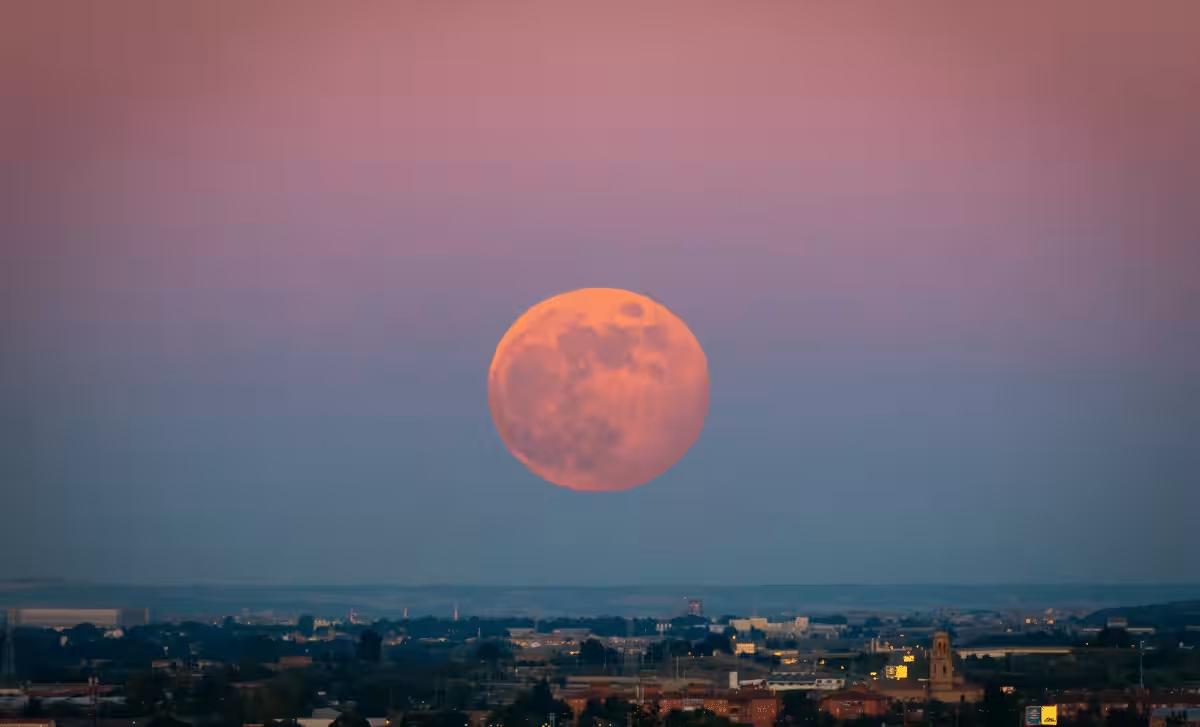
Two days later, the full Strawberry Moon rises, named after Native American harvest traditions rather than its hue. While the lunar disk remains white, observers may notice warm orange and golden tones at moonrise and moonset as sunlight filters through Earth’s atmosphere.
The month closes with a vivid pre‑dawn encounter: Mars will drift near the Pleiades star cluster, contrasting the planet’s reddish cast with the cluster’s blue‑white stars. This striking tableau offers a fitting end to a June packed with astronomical spectacles.
This article has been fact checked for accuracy, with information verified against reputable sources. Learn more about us and our editorial process.
Last reviewed on .
Article history
- Latest version
Cite this page:
- Posted by Aisha Ahmed