Lost Iron Age Cemetery Rediscovered After Decades Of Mystery In English Chalk Quarry
A decades-old mystery involving a 1955 skull discovery and missing cemetery remains has been reignited, revealing bizarre burial rites hidden in Britain.
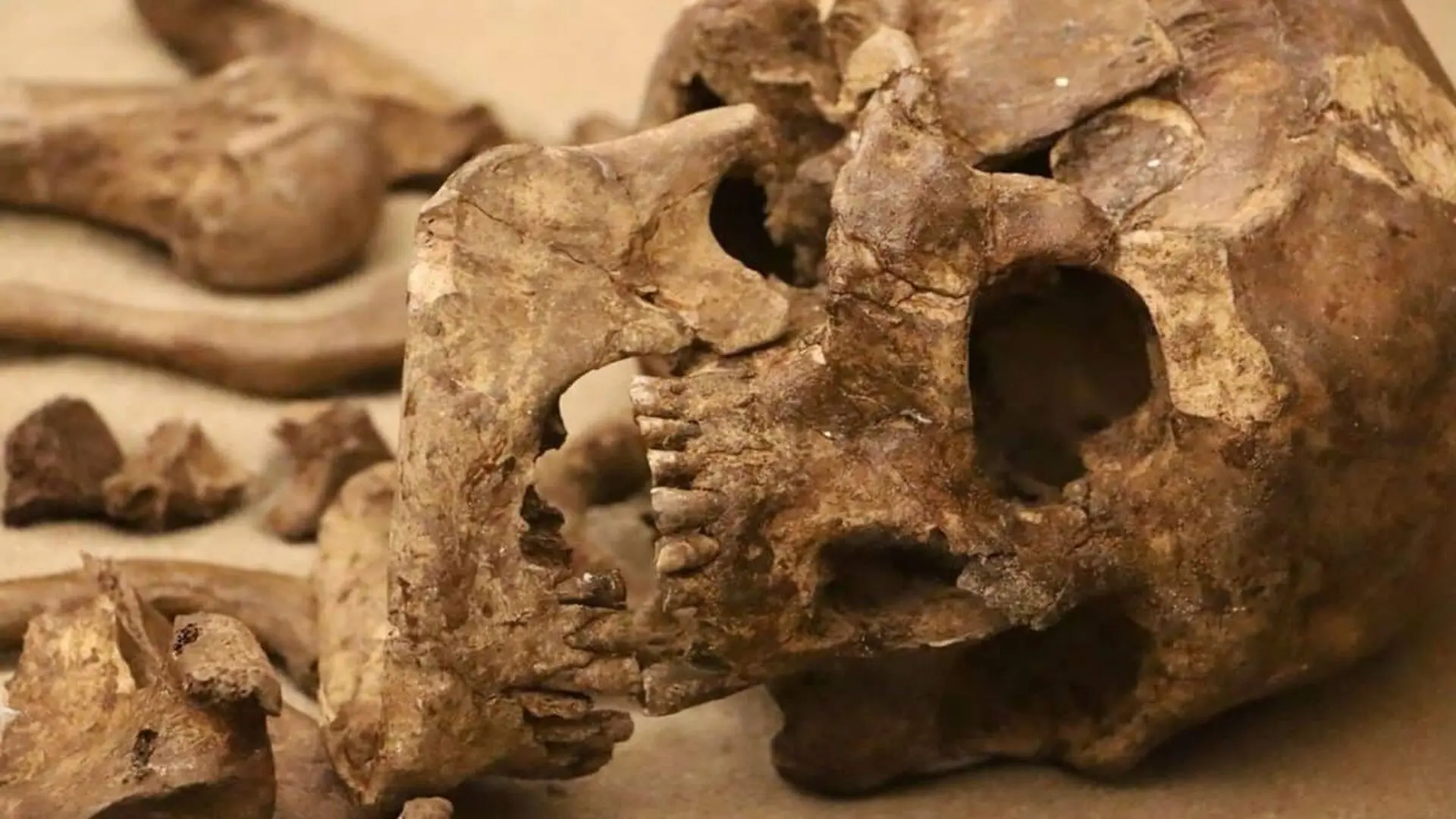
Decades after a chance discovery in a Kent chalk quarry led to the scattering and near-loss of a significant archaeological collection, researchers have successfully reconstructed the history of a forgotten Iron Age burial ground. New analysis confirms that the site at Highsted, near Sittingbourne, served as a burial place from the late Iron Age through the early Roman transition, potentially ranking as the third-largest cemetery of its specific type in Britain.
The story of the site began in 1955, when industrial work at the quarry unearthed a human skull, triggering a rescue excavation that ultimately revealed approximately 26 burials. While initial efforts documented the find through photography and local reports, the project soon descended into administrative chaos. Over the following years, site notes went missing, artifacts were dispersed into private collections, and the skeletal remains were relegated to damp storage, where their original labels deteriorated and the contents were shuffled.
Recovering a Disjointed Archive
For years, the Highsted site was effectively written off as a lost cause, with conflicting accounts suggesting the records were either destroyed, stolen, or held in uncatalogued museum basements. A recent study published in the Oxford Journal of Archaeology provides the first comprehensive look at the surviving fragments, which largely consist of archival photographs, news clippings, and oral histories gathered from those involved in the original dig.
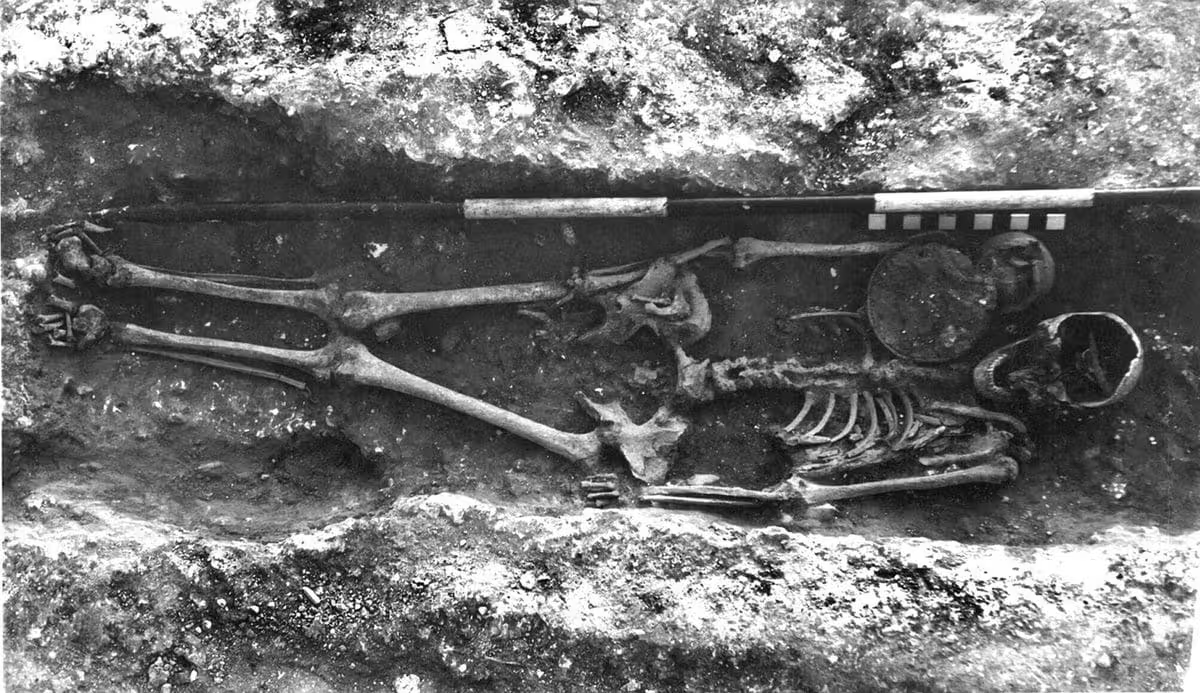
Michael Legge, who led the investigation as part of his doctoral research, described the process as a modern detective story. By cross-referencing museum records at the Maidstone Museum with contemporary accounts, the team managed to account for the remains of 16 individuals and four ceramic vessels. Though the degradation of the storage environment made it impossible to fully reconstruct individual skeletons, the analysis identified at least 17 distinct people, including women, men, and a child. Physical indicators, such as antemortem tooth loss and evidence of cranial trauma, provided glimpses into the lives of these ancient residents.
Continental Ties and Burial Customs
Radiocarbon dating and genetic analysis revealed a population deeply rooted in southern Britain, though with hints of wider connectivity. One individual displayed genetic markers suggesting potential ancestry from the French or Swiss regions. Isotopic evidence further indicated that despite their local origins, the community had adopted dietary habits consistent with Roman-era practices.
One of the most compelling aspects of the study involves the discovery of evidence suggesting the practice of bustum burials. In this ritual, a funeral pyre is constructed directly over an open grave, allowing the remains to fall into the pit as the structure collapses. This tradition, which originated near the Rhine and Danube rivers, was notably rare in Britain. Legge noted that while the Highsted population was largely local, the adoption of such distinct continental burial traditions suggests a sophisticated cultural synthesis.
Ultimately, the research serves as a reminder of the wealth of information hidden within neglected archaeological collections. By piecing together the fragmented history of the Highsted site, Legge and his team have not only validated the site’s historical importance but have also restored a sense of identity to the individuals unearthed seven decades ago.
This article has been fact checked for accuracy, with information verified against reputable sources. Learn more about us and our editorial process.
Last reviewed on .
Article history
- Latest version
Reference(s)
- Legge, Michael., et al. “REDISCOVERING THE DEAD: REANALYSIS OF A LOST IRON AGE CEMETERY AT HIGHSTED, KENT.” Oxford Journal of Archaeology, September 29, 2026 Wiley, doi: 10.1111/ojoa.70030. <https://onlinelibrary.wiley.com/doi/10.1111/ojoa.70030>.
Cite this page:
- Posted by Vikram Desai