New DNA Analysis Could Finally Solve The Mystery Of The Controversial James Ossuary
A long-running forgery trial and new DNA research have reignited the intense scientific and historical debate surrounding the potential siblings of Jesus.
For centuries, the potential existence of biological siblings of Jesus has fueled theological debate, largely centered on passages in the Gospel of Mark. The text identifies several individuals—James, Joses, Juda, and Simon—as the brothers of Jesus, while also referencing his sisters. These accounts have long been subject to varying interpretations regarding the nature of these familial ties, with scholars and religious authorities failing to reach a consensus.
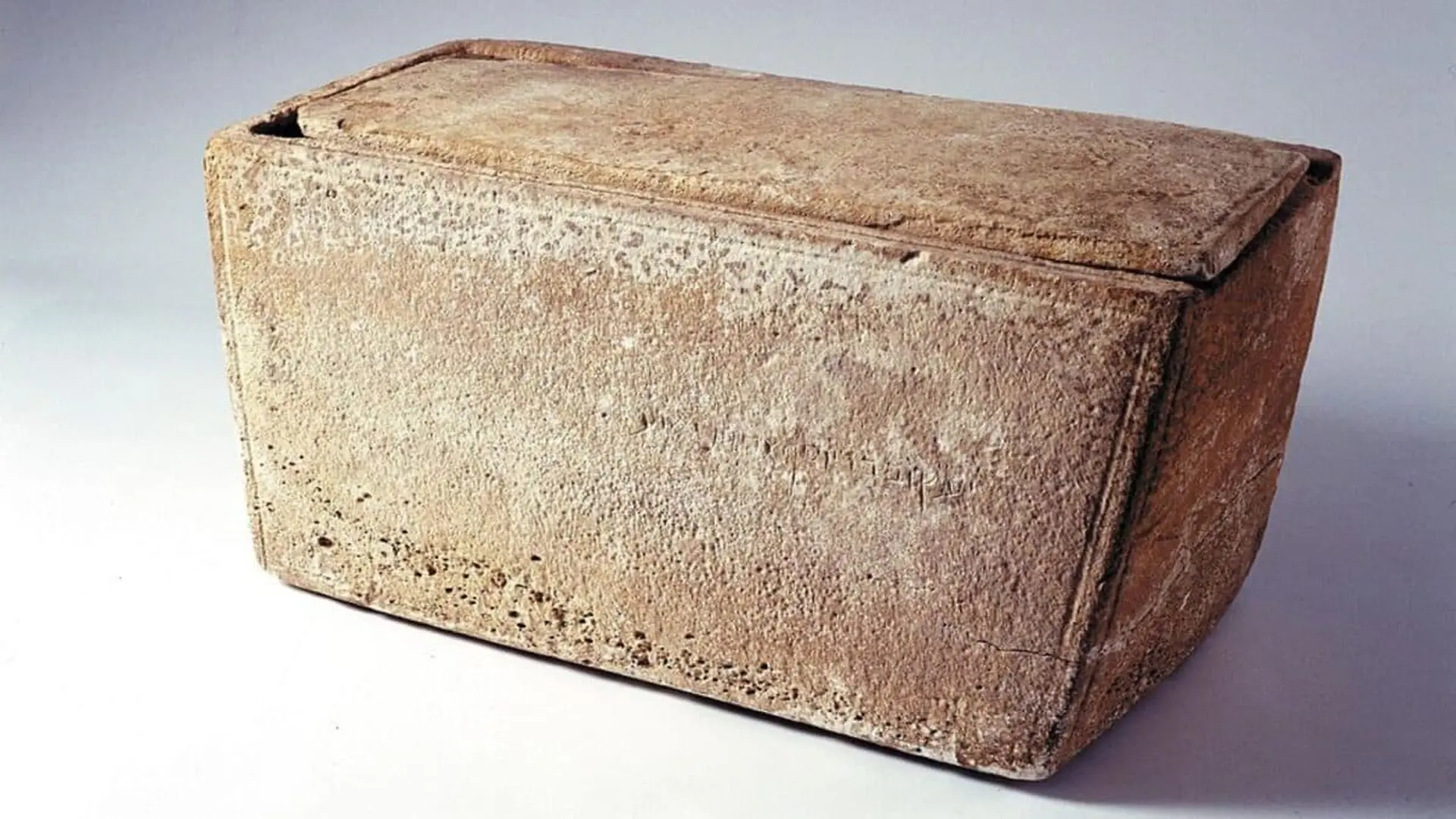
This historical question recently gained a new scientific dimension through the potential analysis of the “James Ossuary,” a first-century limestone burial container that captured global attention after its public emergence in 2002. As reported by Popular Mechanics, biblical scholar Dr. Jeremiah Johnston is now seeking to analyze bone fragments allegedly retrieved from the box, hoping to move beyond decades of disputes regarding the artifact’s origins and the legitimacy of its Aramaic inscription.
A Burial Box at the Center of a Historical Mystery
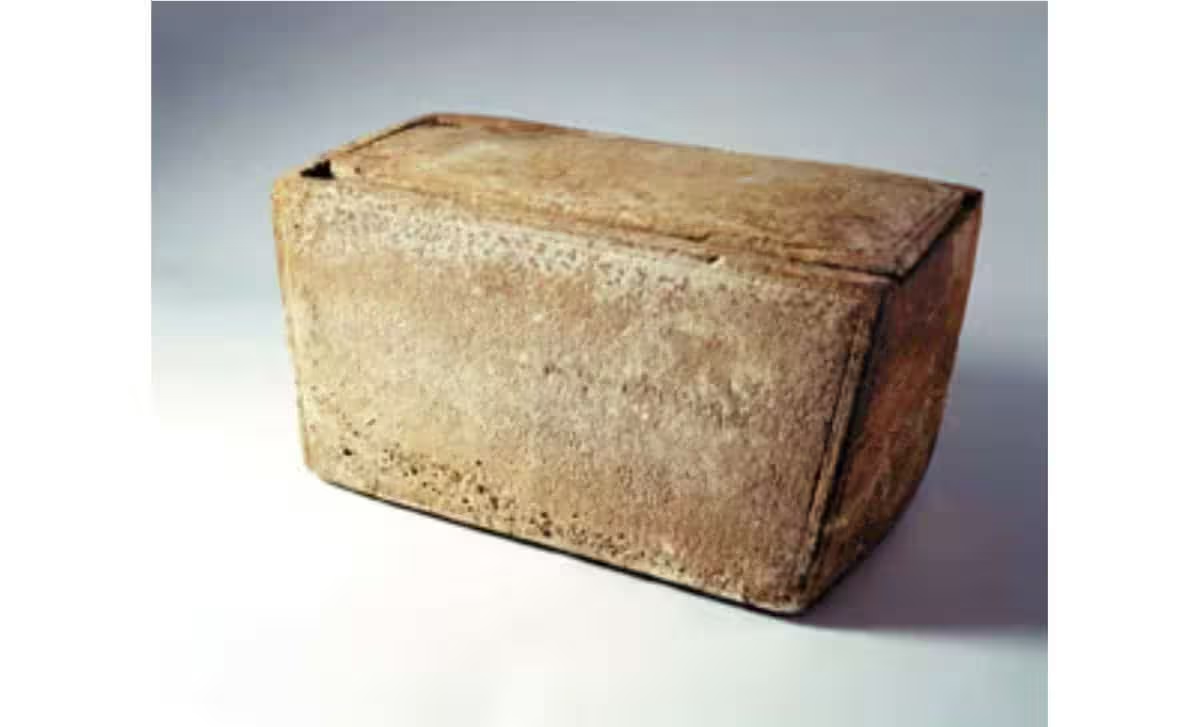
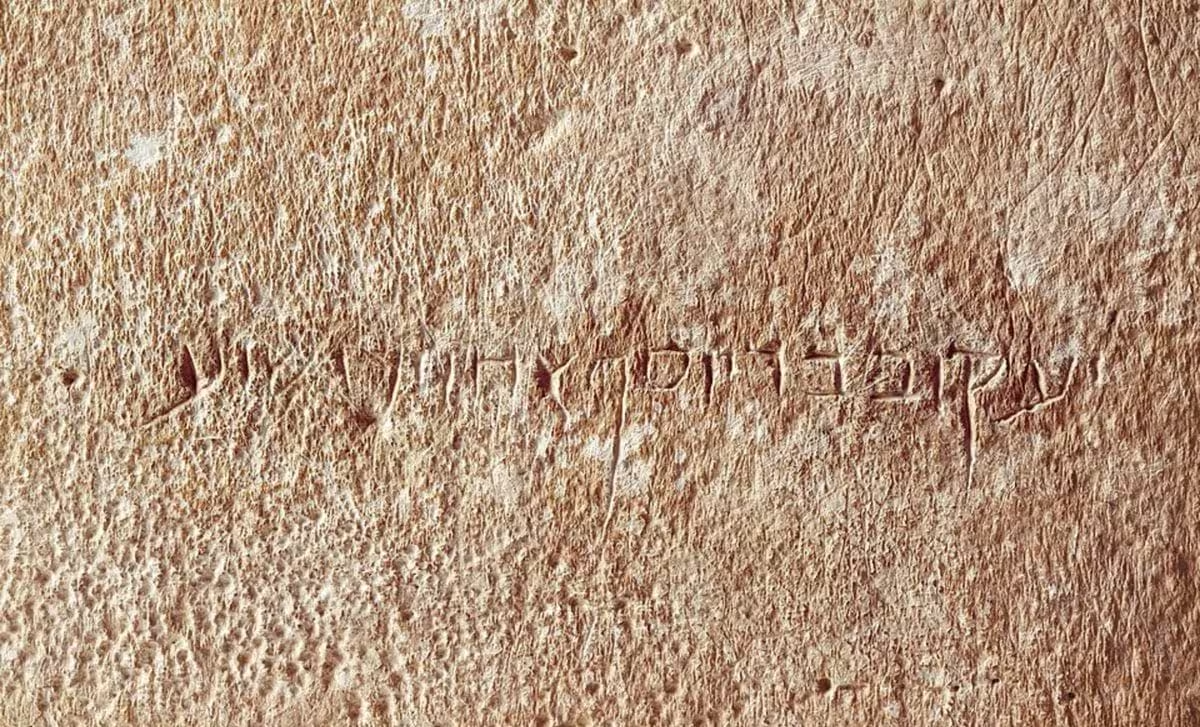
The James Ossuary is a relatively modest limestone chest, typical of burial practices in the first century C.E. Its significance lies almost entirely in an inscription etched into its side, which translates from Aramaic as, “James, son of Joseph, brother of Jesus.” When the artifact was introduced by antiquities dealer Oded Golan, the combination of these three names led to the provocative suggestion that it held the remains of James the Just, the foundational leader of the early Jerusalem Church.
The identification mirrors the narrative in the Gospel of Mark, where townspeople express disbelief at the teachings of Jesus, questioning, “Is not this the carpenter, the son of Mary, the brother of James, and Joses, and of Juda, and Simon?” While the Greek term adelphos is traditionally translated as “brother,” its precise meaning has been debated by figures ranging from the fourth-century bishop Bonosus to modern secular commentators.
Legal Controversy and the Question of Authenticity
The ossuary’s journey from a private collection to the international stage was marred by skepticism. In 2004, the Israel Antiquities Authority initiated criminal proceedings against Oded Golan, alleging that the inscription was a modern forgery. The ensuing trial, which stretched until 2012, saw experts debate the physical characteristics of the etching and the provenance of the limestone box.
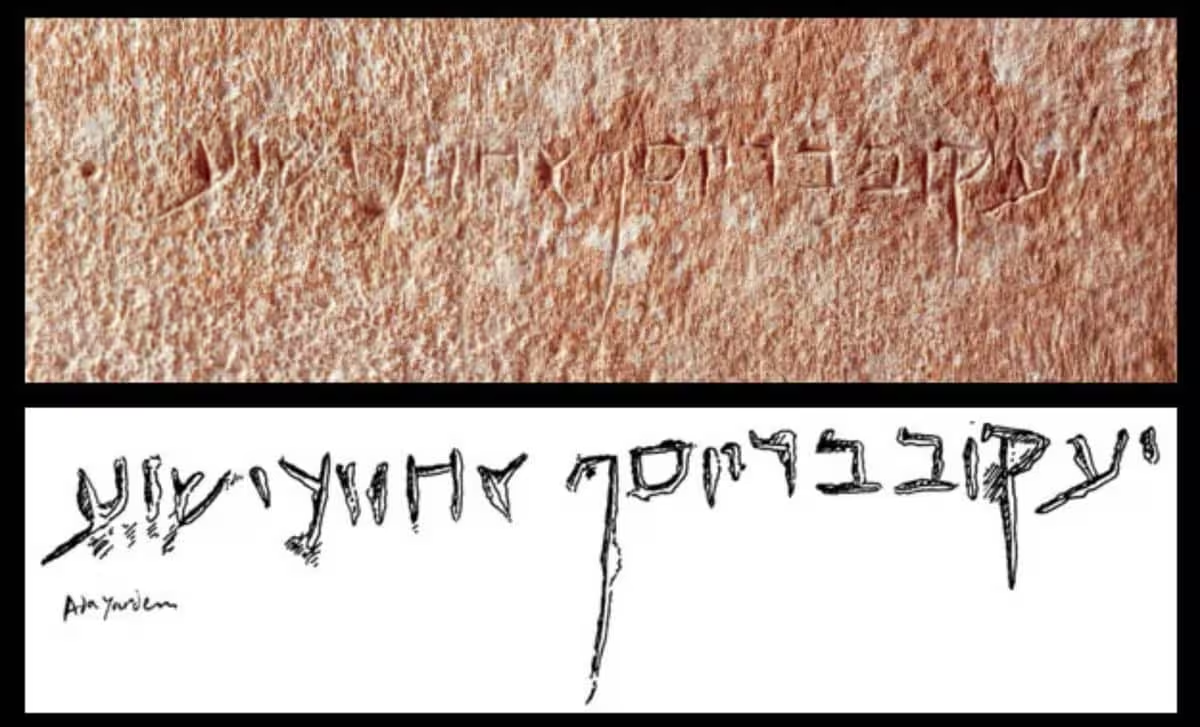
Although Golan was ultimately acquitted of forgery, the court explicitly stated that the ruling did not equate to a verification of the inscription’s age or authenticity. The presiding judge emphasized that a lack of proof regarding criminal fabrication does not constitute evidence that the relic is genuinely ancient.
New Potential for Genetic Testing
The case is now seeing a resurgence in interest as Dr. Johnston plans to investigate the physical bone fragments housed within the ossuary. By utilizing modern DNA analysis, researchers hope to gain data that was unavailable during the original trial. However, the path forward remains complex.
According to the Daily Mail, while these fragments provide new material for study, they do not currently offer established genetic markers that could link the remains to a specific historical figure. Consequently, the James Ossuary remains a potent symbol at the crossroads of faith and science, suspended between its status as a potentially monumental archaeological find and the lingering questions that have surrounded it for over two decades.
This article has been fact checked for accuracy, with information verified against reputable sources. Learn more about us and our editorial process.
Last reviewed on .
Article history
- Latest version
Reference(s)
- Natale, Michael. “Did Jesus Have a Brother? The Answer May Be Hiding Inside a 2,000-Year-Old Box..”, October 9, 2026 Popular Mechanics <https://www.popularmechanics.com/science/archaeology/a74067280/did-jesus-have-a-brother/>.
- “Philip Schaff: New Schaff-Herzog Encyclopedia of Religious Knowledge, Vol. II: Basilica - Chambers - Christian Classics Ethereal Library.” <https://ccel.org/ccel/schaff/encyc02/encyc02.html?term=Bonosus%20and%20the%20Bonosians>.
- Kalman, Matthew. “Antiquities collector acquitted of forgery charges in 'James ossuary' case.”, March 14, 2012 The Globe and Mail <https://www.theglobeandmail.com/news/world/antiquities-collector-acquitted-of-forgery-charges-in-james-ossuary-case/article533767/>.
- Liberatore, Stacy. “Scholars hail 2,000-year-old burial chest as first 'direct connection' to Jesus: Extraordinary etching clues after owner acquitted of forgery... as DNA tests begin on ancient bones.”, October 7, 2026 Daily Mail <https://www.dailymail.com/sciencetech/article-16185053/jesus-burial-chest-james-ossuary.html>.
Cite this page:
- Posted by Vikram Desai