Bus Passenger Used a 2,000 Year Old Ancient Coin to Pay Their Fare in 1950s Leeds
A rare ancient coin spent decades circulating in Leeds unnoticed, proving that history is often hiding in plain sight within our everyday loose change.
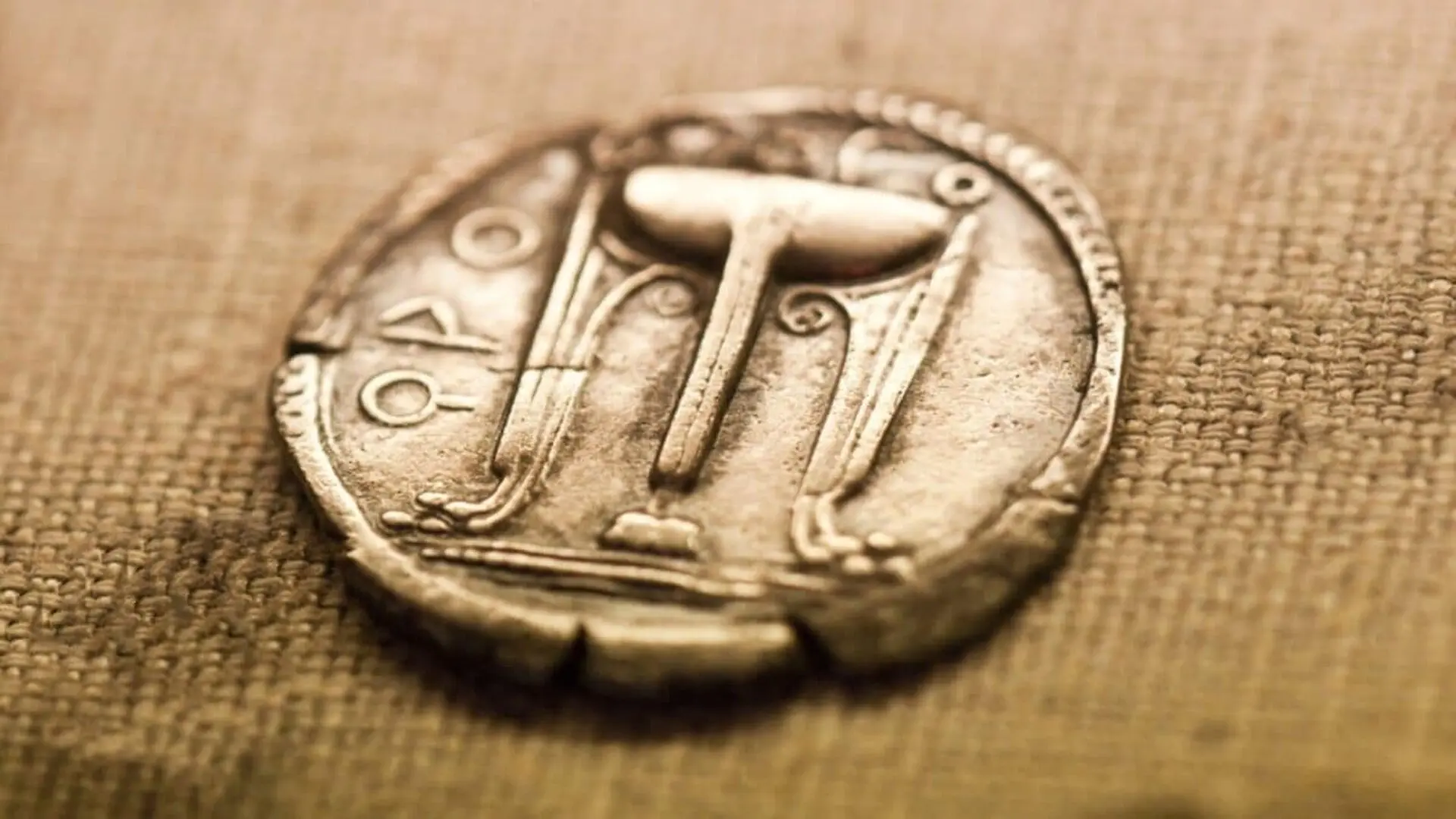
A routine bus fare in 1950s Leeds has led to a remarkable historical discovery, as a commuter inadvertently used an ancient coin to pay for their travel. Seven decades after the piece was pulled from a fare box, it has been officially identified and donated to the Leeds Museums and Galleries, marking the end of a long journey for an object that spent most of its modern life in a wooden chest.
From the Fare Box to a Family Keepsake
The story traces back to the post-war era at Leeds City Transport, where James Edwards served as the chief cashier. As part of his daily duties, he processed the coins collected from the city’s bus and tram network. On occasion, passengers would use foreign currency or counterfeit tokens in place of the standard penny fare. Rather than discarding these anomalies, Edwards collected them to gift to his grandson, Peter.
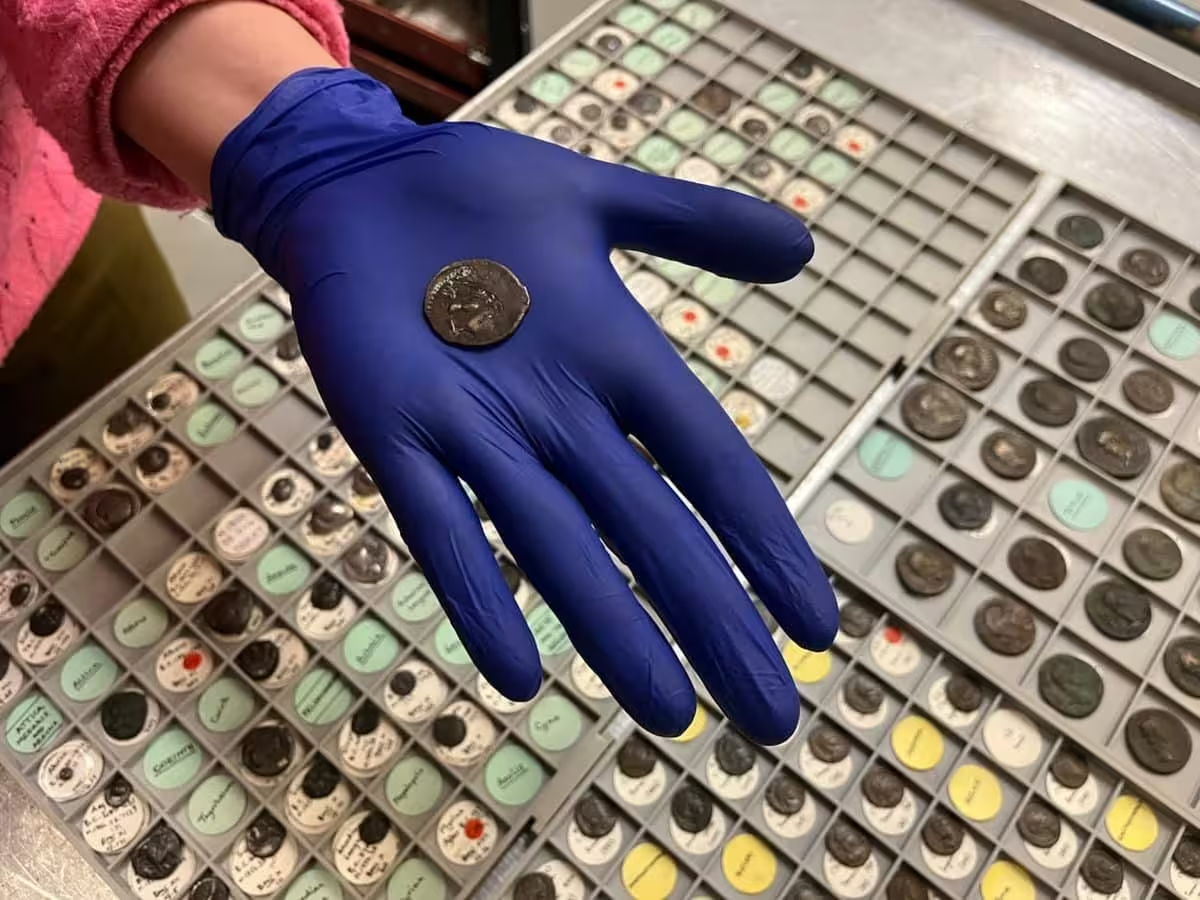
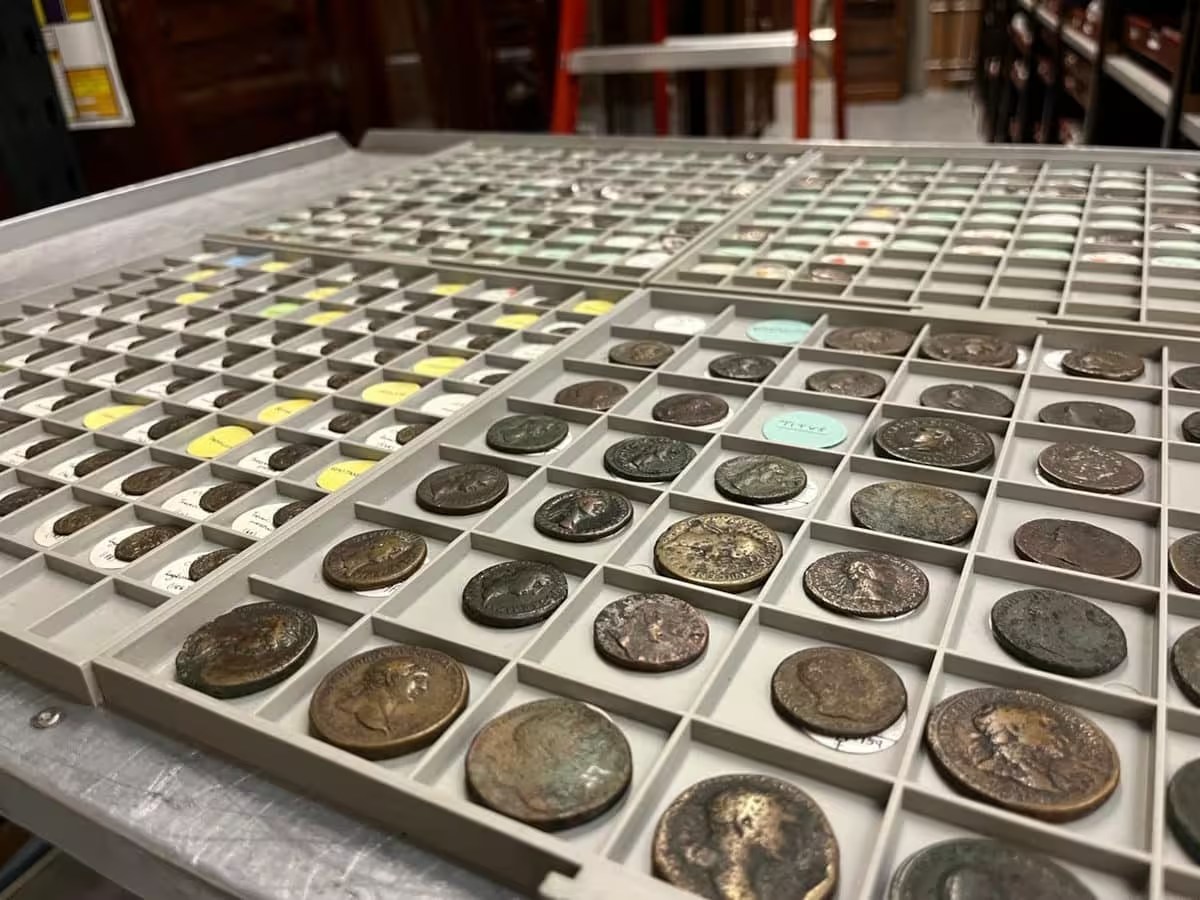
For roughly 70 years, the coins remained in a wooden chest, serving as curiosities rather than a formal collection. Peter Edwards, now 77, retained the chest, noting that while they were not avid numismatists, the imagery on the coins held a lasting fascination for him. According to a statement released by local officials, he viewed the items as a form of personal treasure.
Deciphering a Mediterranean Relic
Intrigued by the origin of the most distinct coin in his grandfather’s collection, Peter partnered with experts at Leeds Museums and Galleries to uncover its history. The investigation revealed that the artifact originated from a Carthaginian settlement in what is now Cadiz, Spain, dating back to the first century B.C.E.
The iconography on the coin provided the necessary evidence for identification. One side features the deity Melqart, depicted in a style reminiscent of the Greek hero Heracles—a common aesthetic choice for Phoenician traders seeking to appeal to Mediterranean markets. The reverse side displays two bluefin tuna, a nod to the vital maritime industry of ancient Cadiz.
An Enduring Historical Enigma
Despite the successful identification of the object, the precise path it took to arrive in a Leeds transit fare box remains a mystery. Peter Edwards theorizes that the coin may have been brought back to the United Kingdom by soldiers returning home after the Second World War, though he acknowledges that the true story of its transit is likely lost to time.
Rather than keeping the relic in his private collection, Peter chose to donate it to the museum to ensure its preservation and public display. Cat Baxter, the curator of archaeology and numismatics at Leeds Museums and Galleries, described the ancient artifact as a significant addition to the institution’s holdings.
“My grandfather would be proud to know, as I am, that the coin is coming back to Leeds,” Peter stated. “However, how it got there will always be a mystery.”
This article has been fact checked for accuracy, with information verified against reputable sources. Learn more about us and our editorial process.
Last reviewed on .
Article history
- Latest version
Reference(s)
- “Fare to say ancient coin has travelled through time.” Leeds City Council News <https://news.leeds.gov.uk/news/fare-to-say-ancient-coin-has-travelled-through-time>.
- <https://www.researchgate.net/profile/Katherine-Baxter-10>.
Cite this page:
- Posted by Vikram Desai