Genetic Secrets of the World’s Oldest Land Animal Could Unlock the Mystery of Human Ageing
Genetic analysis of a 194-year-old tortoise has revealed intriguing new insights into the secrets of extreme longevity. See what researchers discovered.
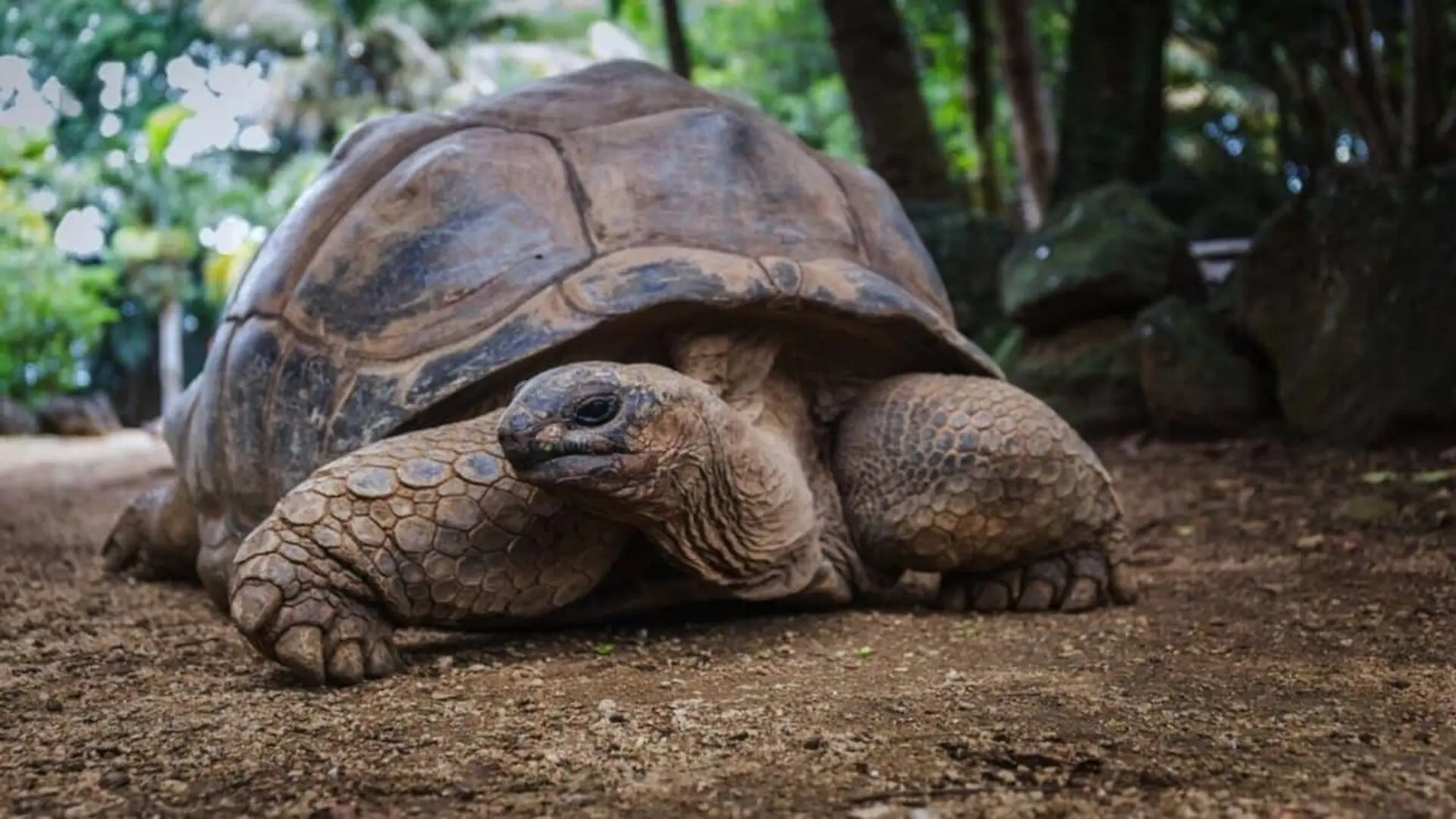
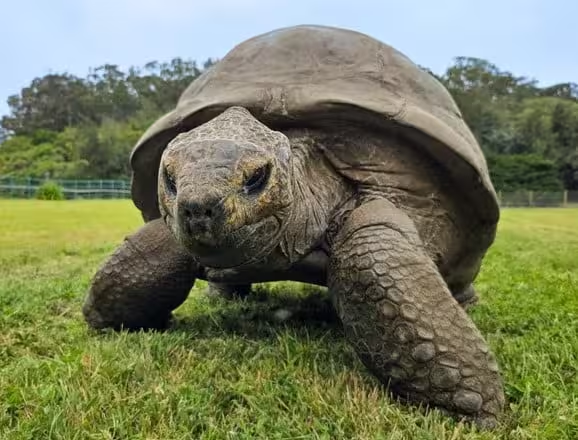
At 194 years of age, Jonathan the giant tortoise is a living relic, having arrived on the remote South Atlantic island of Saint Helena in 1882. As the world’s oldest known land animal, he is a contemporary of history’s great figures, from Queen Victoria to Charles Darwin. Now, a new genetic investigation into this extraordinary creature suggests that his remarkable longevity may be written into the very architecture of his cells.
Decoding the Secrets of Extreme Longevity
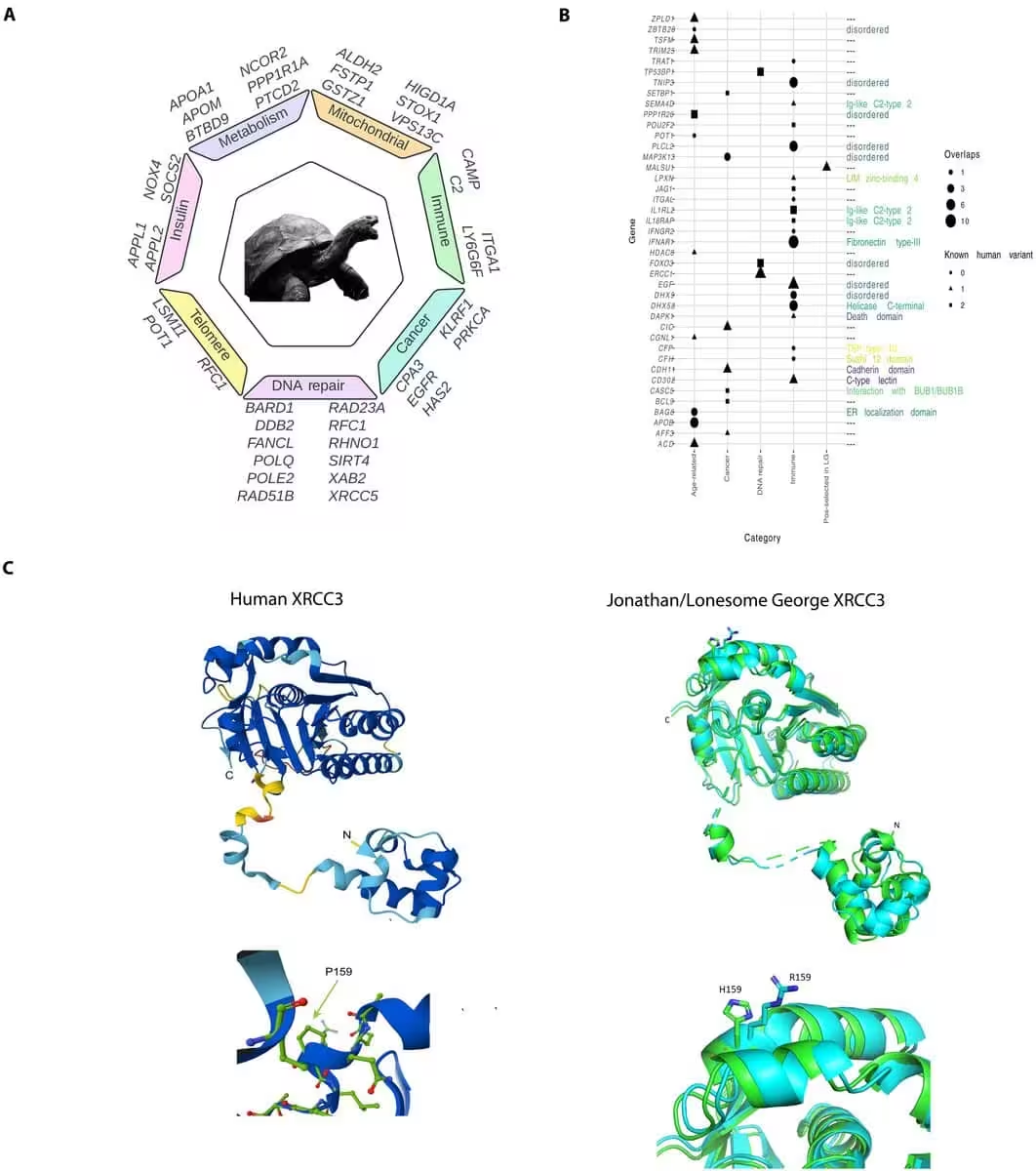
An international team of researchers, led by Benjamin Vaisvil, has completed a comprehensive analysis of Jonathan’s genome, with findings recently published in Science Advances. The study revealed an array of genetic variants associated with essential biological pathways known to combat aging, including mechanisms for DNA repair, metabolic regulation, and cancer suppression.
Stephen Clark, a senior researcher at the Kallel Foundation, emphasized the value of studying such a long-lived organism. In a press release issued by the University of Cambridge, Clark noted that while the scientific community continues to unravel the complexities of the aging process, Jonathan offers a rare, longitudinal perspective. “Nature has already solved the puzzle of aging in remarkable ways, and Jonathan’s genome provides a blueprint for cellular resilience,” he stated.
Mitochondrial Stability as a Key to Longevity
The research team identified a striking anomaly when examining methyl groups—chemical tags that attach to DNA and often regulate gene expression. While many of Jonathan’s genetic markers aligned with those of other aging tortoises, the genes governing mitochondrial function stood out as unusually preserved.
Mitochondria serve as the energy-producing powerhouses of the cell, and their degradation is frequently linked to the onset of age-related diseases. The study suggests that Jonathan’s mitochondria may possess a unique stability that keeps them functioning at a level more characteristic of much younger animals. Researchers caution that this is not yet a definitive explanation for his lifespan; further studies are required to determine if these specific methylation patterns are a primary driver of his longevity or a secondary effect. Potential future research may explore whether mitochondrial rejuvenation or replacement could influence lifespan in other contexts.
A Resilient Life in the Public Eye
Jonathan’s journey has been far from static. When Joe Hollis, the former senior veterinary officer of Saint Helena, assumed responsibility for the tortoise in 2009, Jonathan was struggling with blindness, a loss of smell, and a deteriorating beak. Through a dedicated program of supplemental hand-feeding, the tortoise made a remarkable physical recovery, regaining his weight and developing a healthy, functional beak.
Despite his fame, Jonathan has occasionally been the subject of misinformation, including a recent, erroneous claim of his death that circulated on social media. The rumor was quickly debunked by Saint Helena’s governor, Nigel Phillips, who personally verified that the tortoise was doing well.
Reflecting on the nature of the work, Dr. Justin Gerlach, a member of the research team from the University of Cambridge, noted the profound nature of their study: “Working with a really old giant tortoise is such a privilege: you get a sense of the tortoise being your collaborator, not your study subject.”
This article has been fact checked for accuracy, with information verified against reputable sources. Learn more about us and our editorial process.
Last reviewed on .
Article history
- Latest version
Reference(s)
- Vaisvil, Benjamin., et al. “Epigenetic insights into extreme longevity in the world’s oldest terrestrial animal, Jonathan.” Science Advances, vol. 12, no. 41, October 9, 2026 American Association for the Advancement of Science (AAAS), doi: 10.1126/sciadv.adw8887. <https://www.science.org/doi/10.1126/sciadv.adw8887>.
- “Genetic analysis of the world's oldest land animal reveals secret of living 194 years.”, October 7, 2026 University of Cambridge <https://www.cam.ac.uk/research/news/genetic-analysis-of-the-worlds-oldest-land-animal-reveals-secret-of-living-194-years>.
- “Dr Justin Gerlach | Peterhouse.” <https://www.pet.cam.ac.uk/person/gerlach>.
Cite this page:
- Posted by Elizabeth Taylor