The Missing Nuclear Bomb Still Buried Deep Beneath A North Carolina Field
In 1961, a U.S. B-52 crashed in North Carolina, dropping two nuclear bombs. One weapon was recovered, but part of the other remains buried to this day.
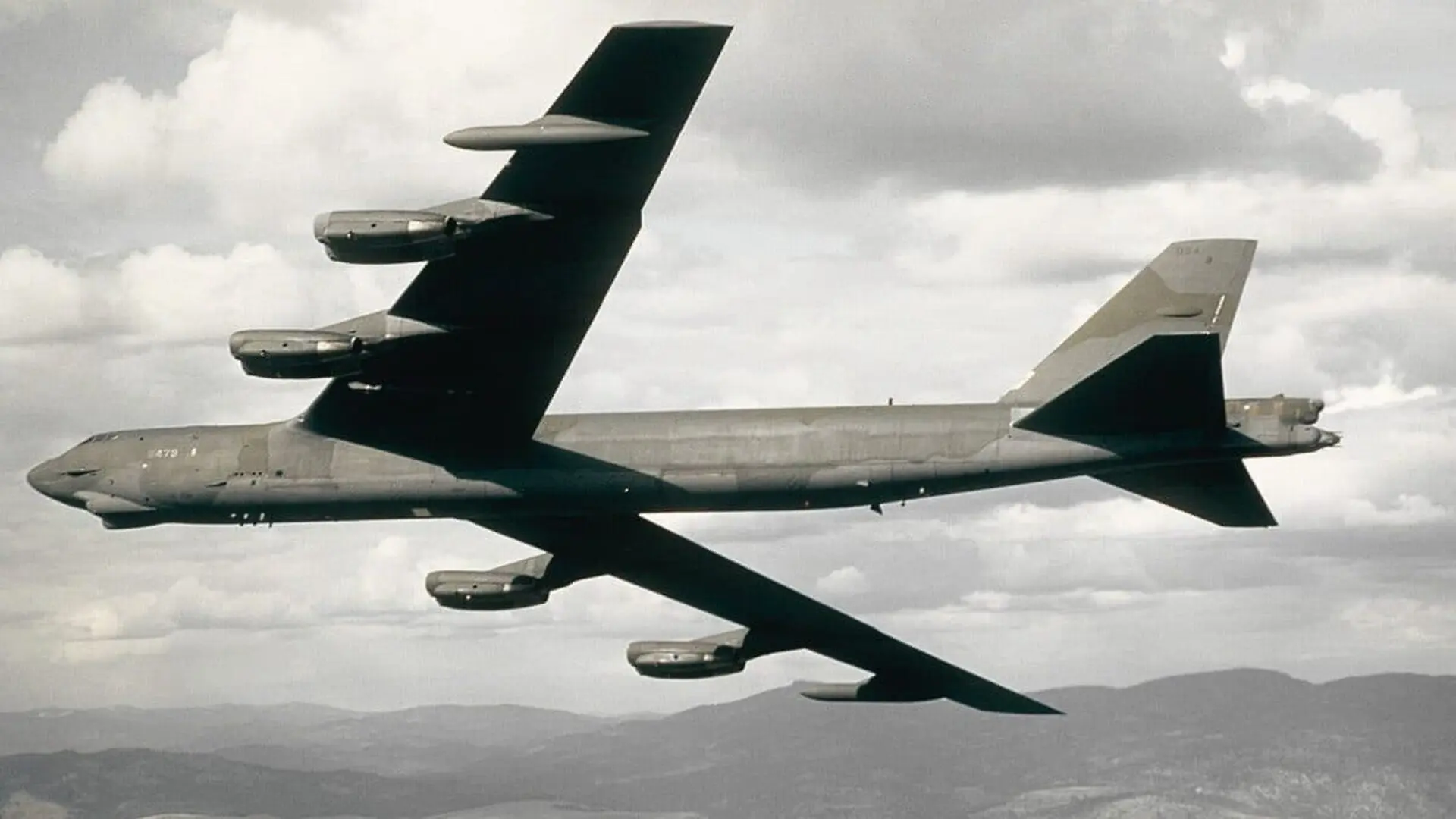
On January 23, 1961, the United States narrowly avoided a catastrophic domestic nuclear disaster when a B-52 Stratofortress broke apart in the skies over North Carolina. The bomber, tasked with a routine Cold War airborne alert mission, suffered a structural failure that released two Mk 39 Mod 2 hydrogen bombs near the town of Faro. The event remains one of the most chilling “broken arrow” incidents in military history, highlighting the precarious nature of maintaining a constant nuclear presence during the height of the Soviet-American standoff.
A Routine Mission Turns Deadly
The mission began at 10:56 a.m. at Seymour Johnson Air Force Base, with an eight-person crew scheduled for a 25-hour training flight. At the time, the U.S. Strategic Air Command operated a continuous alert rotation to ensure a rapid response to potential Soviet strikes. The B-52, a cornerstone of the American nuclear triad, was carrying two 3.8-megaton thermonuclear weapons, each weighing approximately 6,750 pounds.
Disaster struck that evening as the aircraft approached a mid-air refueling tanker. Crew members on the tanker observed a fuel leak emanating from the bomber’s right wing. As the B-52 commander, Walter Tulloch, attempted to offload fuel to lighten the load for an emergency return, a major structural rupture occurred. The plane entered an uncontrollable roll, forcing the crew to eject. Tragically, three of the eight airmen lost their lives in the ensuing crash.
The Physics of a Near-Miss
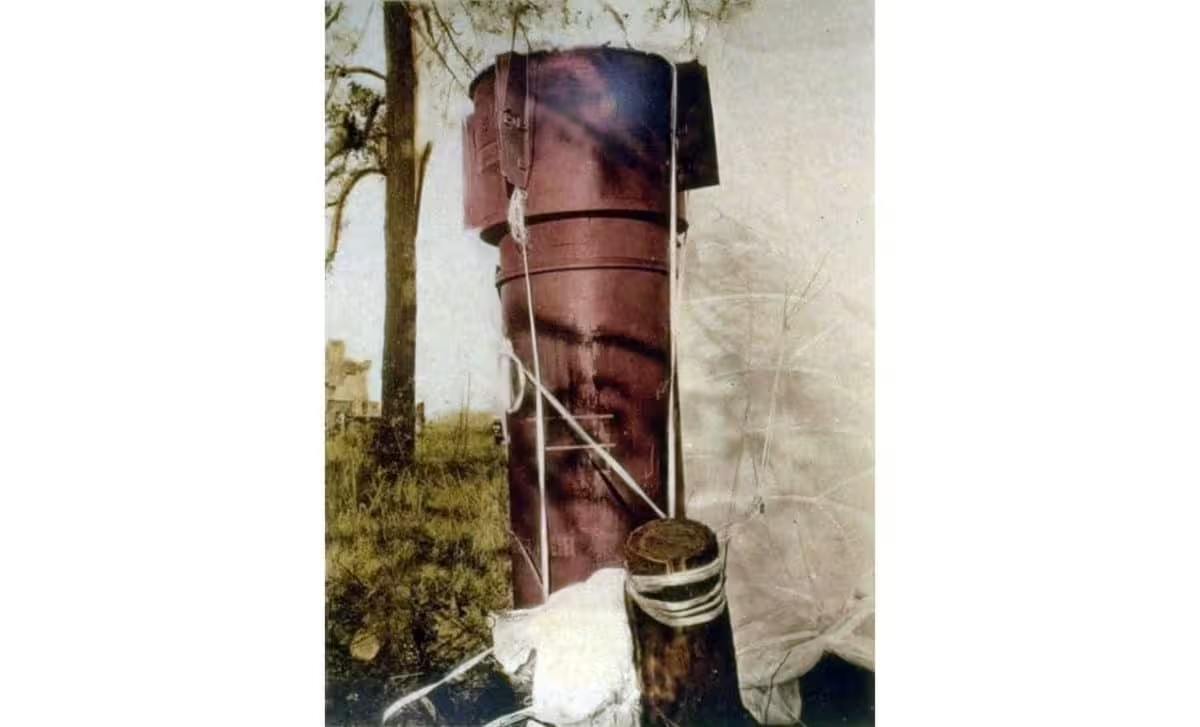
As the aircraft disintegrated, both hydrogen bombs were released. One landed in a wooded area near the home of local resident Billy Reeves, its parachute successfully deploying to break its descent. Upon inspection, explosive ordnance experts confirmed the weapon’s safety switch remained engaged. However, the second bomb struck a tobacco field at an estimated speed of 700 miles per hour, burying itself deep within the soft earth.
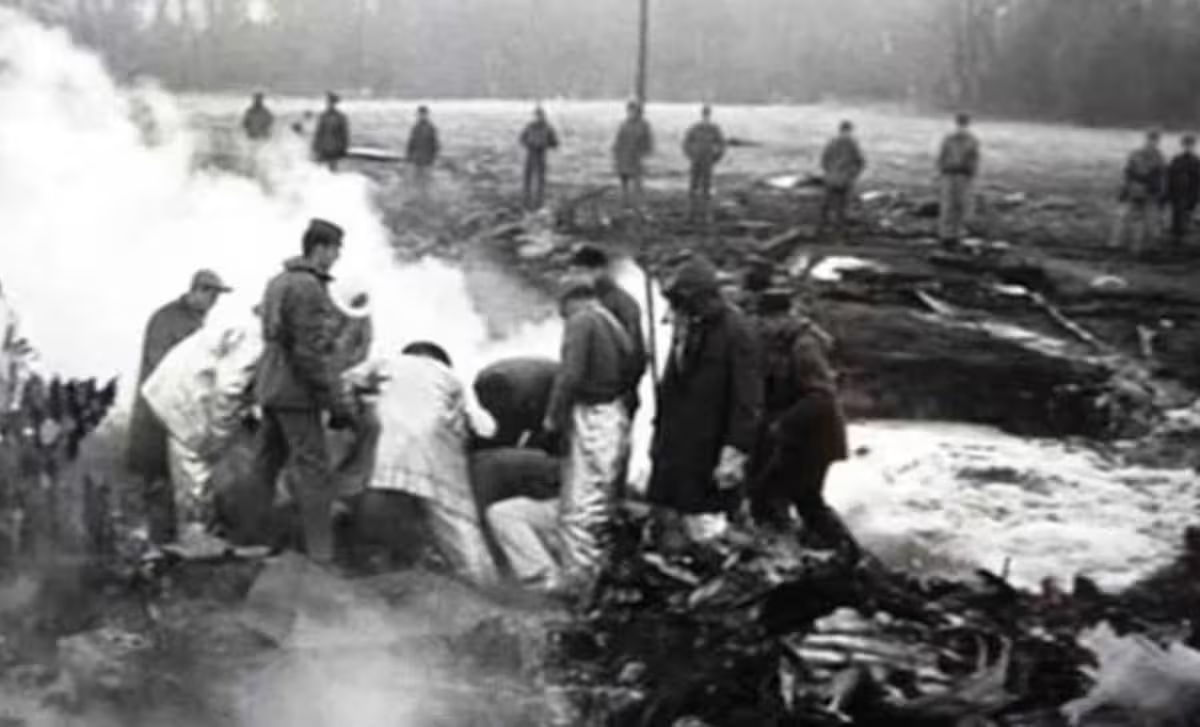
Recovery teams, led by First Lieutenant Jack ReVelle, worked for days in mud and water to excavate the site. They eventually recovered the primary fission component, which contained the uranium and plutonium required for a nuclear reaction. A later analysis of the recovered Arm/Safe switch caused significant alarm, as it appeared to have been in an armed position—though experts later debated whether this resulted from the impact of the crash rather than a pre-existing state.
Reflecting on the potential yield, ReVelle noted in 2013 that a detonation would have produced a blast radius spanning roughly eight football fields, with a lethal zone extending for miles. Analysts at the Bulletin of the Atomic Scientists have since characterized the event as a stark reminder that even the most advanced engineering cannot entirely eliminate the risks inherent in nuclear deterrence.
Legacy of the Goldsboro Incident
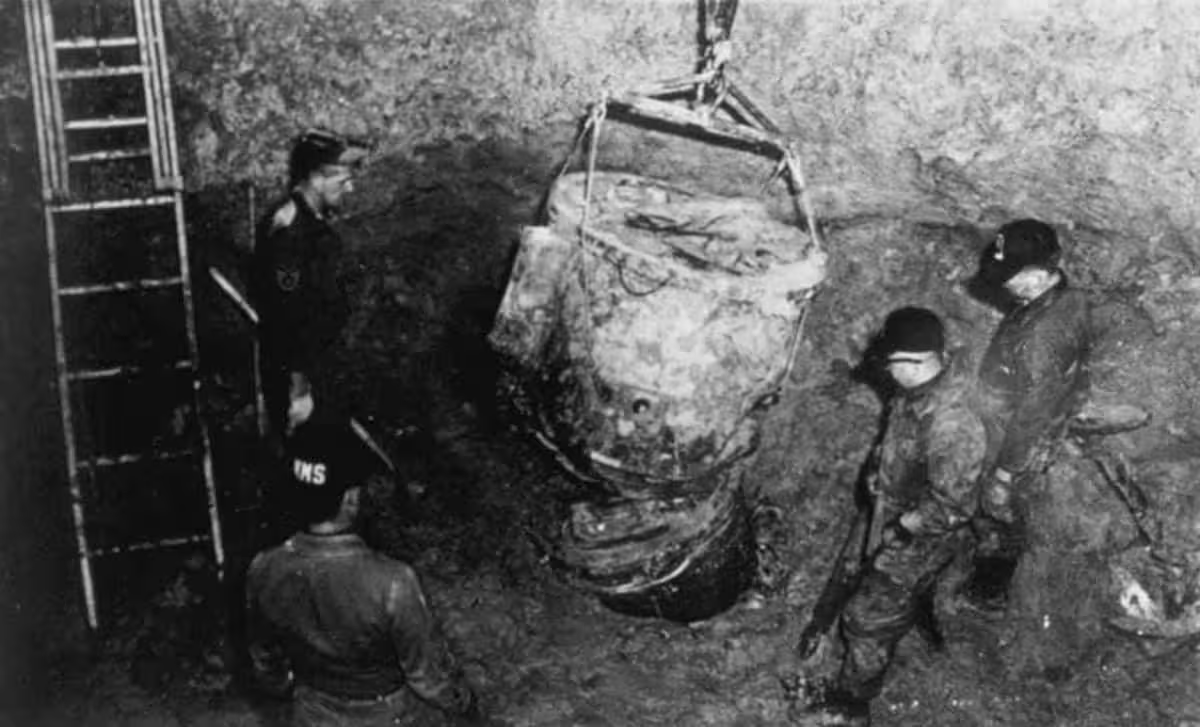
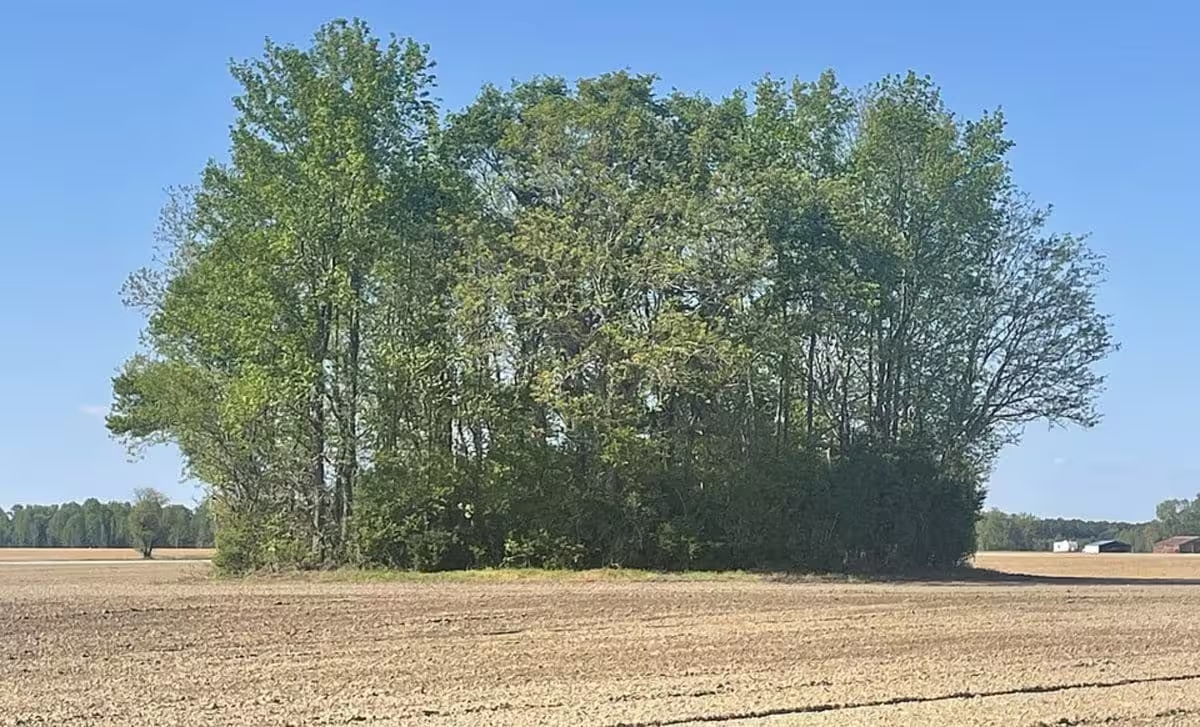
The excavation operation, which reached 22 feet deep, failed to retrieve every piece of the weapon. A secondary component remains buried approximately 180 feet underground, with the U.S. government having purchased an easement on the land to prevent future disturbance. The incident forced a re-evaluation of military safety standards, with a 1969 report concluding that the Mk 39 Mod 2 was simply not suited for the stresses of airborne alert missions.
While the Goldsboro crash was the most prominent event of its kind, it was part of a broader pattern of Cold War accidents. Following another significant crash in 1968 near Thule, Greenland, which resulted in the radioactive contamination of sea ice, the Strategic Air Command finally prohibited the transport of nuclear weapons on aircraft during routine patrol missions. Today, the field in North Carolina serves as a silent, submerged monument to a period when the world lived perpetually on the edge of a nuclear miscalculation.
This article has been fact checked for accuracy, with information verified against reputable sources. Learn more about us and our editorial process.
Last reviewed on .
Article history
- Latest version
Cite this page:
- Posted by Elizabeth Taylor