Ancient DNA Reveals Why Medieval People Were Rarely Buried With Their Own Family
Ancient DNA analysis from medieval Swedish graves reveals that adults and children buried together were rarely close biological relatives, challenging norms.
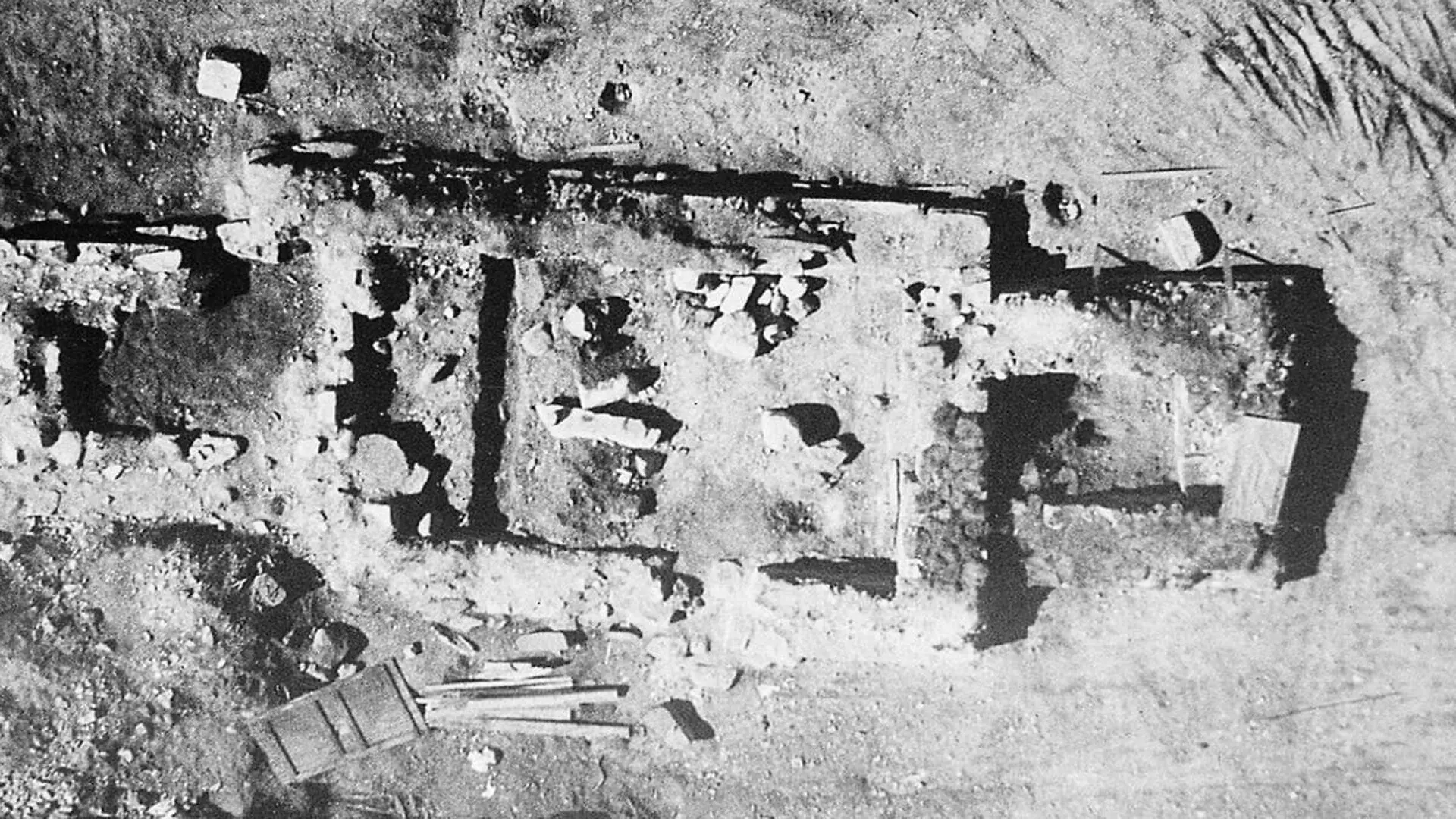
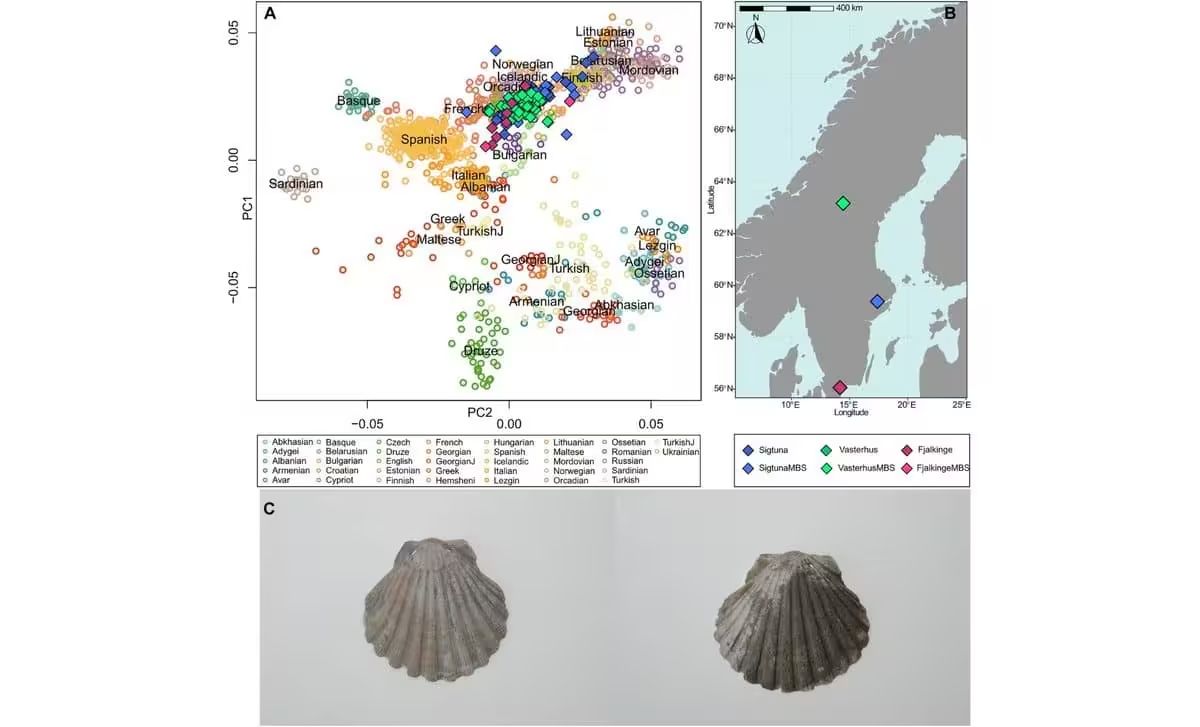
New genomic research into medieval Swedish burial sites suggests that modern assumptions about collective graves may be fundamentally flawed. By analyzing the DNA of 142 individuals across three historical locations—Sigtuna, Västerhus, and Fjälkinge—researchers have discovered that being laid to rest in the same grave did not necessarily imply a close biological connection.
Challenging Assumptions About Shared Burial Sites
For years, archaeologists have often interpreted multiple burials, or graves containing more than one person, as evidence of intimate family bonds. However, findings published in Science Advances reveal that this was the exception rather than the rule. Genomic data indicates that only a small fraction of individuals sharing a grave were first-degree relatives.
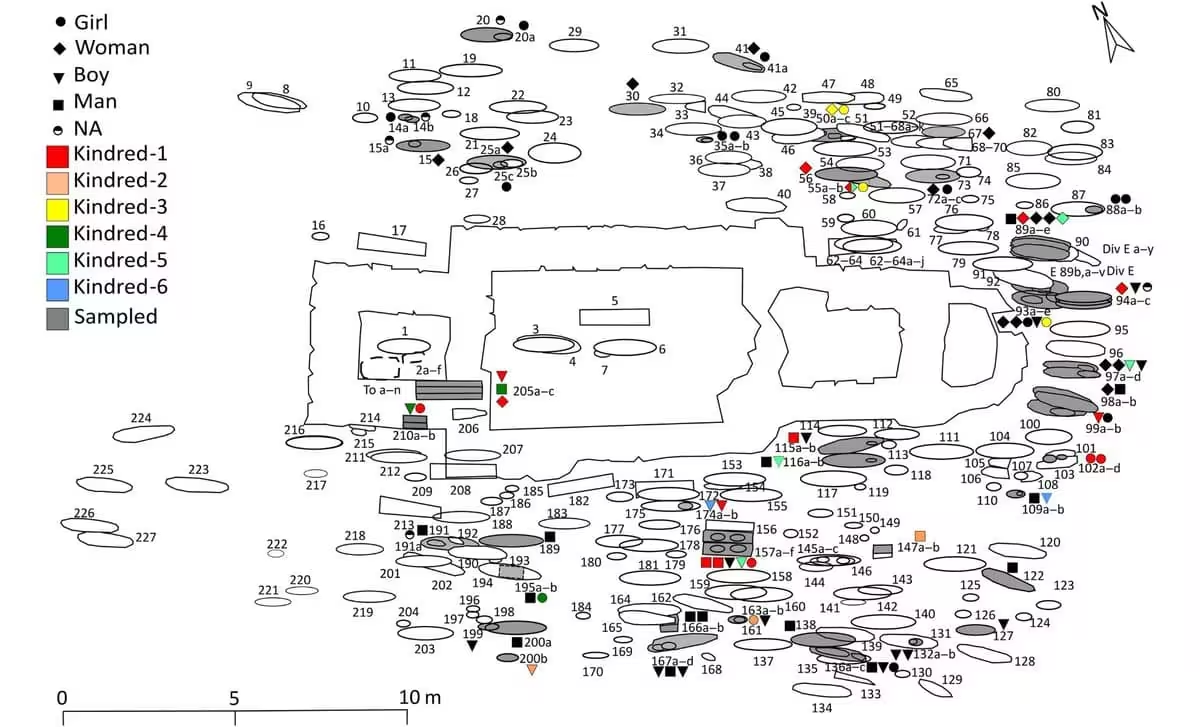
At the Västerhus site, just 12 percent of the analyzed multiple burials featured first-degree kin, such as parents and children or siblings. The data from Sigtuna mirrored this trend, with only 12.5 percent of shared graves containing close biological relatives. When comparing genetic diversity, the study found that individuals buried together were no more closely related than those buried in separate plots, suggesting that social structures, rather than genetic ones, dictated these arrangements.
Instead of bloodlines, researchers propose that shared burials likely reflected household dynamics or broader community ties. In medieval Scandinavia, households were complex entities that included not just immediate family, but also servants, apprentices, and laborers, all of whom might be interred together to reflect their shared life and social status.
The Socialization of Burial Rituals
The study also utilized genomic data to determine the biological sex of children, a task often impossible through osteological analysis alone. This allowed the team to map how societal norms regarding gender were applied to the youth. The research uncovered a distinct trend where adult-child pairs in shared graves often shared the same biological sex, a pattern researchers deemed unlikely to be coincidental.
At the Västerhus cemetery, the spatial segregation of adults by sex—with men and women generally buried in different sections—extended to children as well. This indicates that the strict social and religious expectations of the time were enforced from an early age. Yet, the existence of anomalies, such as young girls interred in areas traditionally reserved for males, highlights that these practices were not always rigidly applied.
The life of one individual, identified in the study as wes056, illustrates the intersection of family status and wider medieval mobility. A young woman buried with a rare scallop shell—a symbol of a completed pilgrimage to Santiago de Compostela in Spain—was found to be part of an extended kin group. Her placement and grave goods suggest that while biological lineage was an important factor in one’s social standing and burial location, it was merely one of many variables in the complex tapestry of medieval social organization.
This article has been fact checked for accuracy, with information verified against reputable sources. Learn more about us and our editorial process.
Last reviewed on .
Article history
- Latest version
Reference(s)
- Krzewińska, Maja., et al. “Equal in death: Ancient genomic analysis of children’s early Christian burials.” Science Advances, vol. 12, no. 28, July 10, 2026 American Association for the Advancement of Science (AAAS), doi: 10.1126/sciadv.aeb8588. <https://www.science.org/doi/10.1126/sciadv.aeb8588>.
Cite this page:
- Posted by Elizabeth Taylor