The Brain May Actually Be Two Separate Organs Formed by Distinct Cellular Lineages
New research reveals the brain may have two ancient cellular origins, fundamentally changing our understanding of how this complex organ evolved over time.
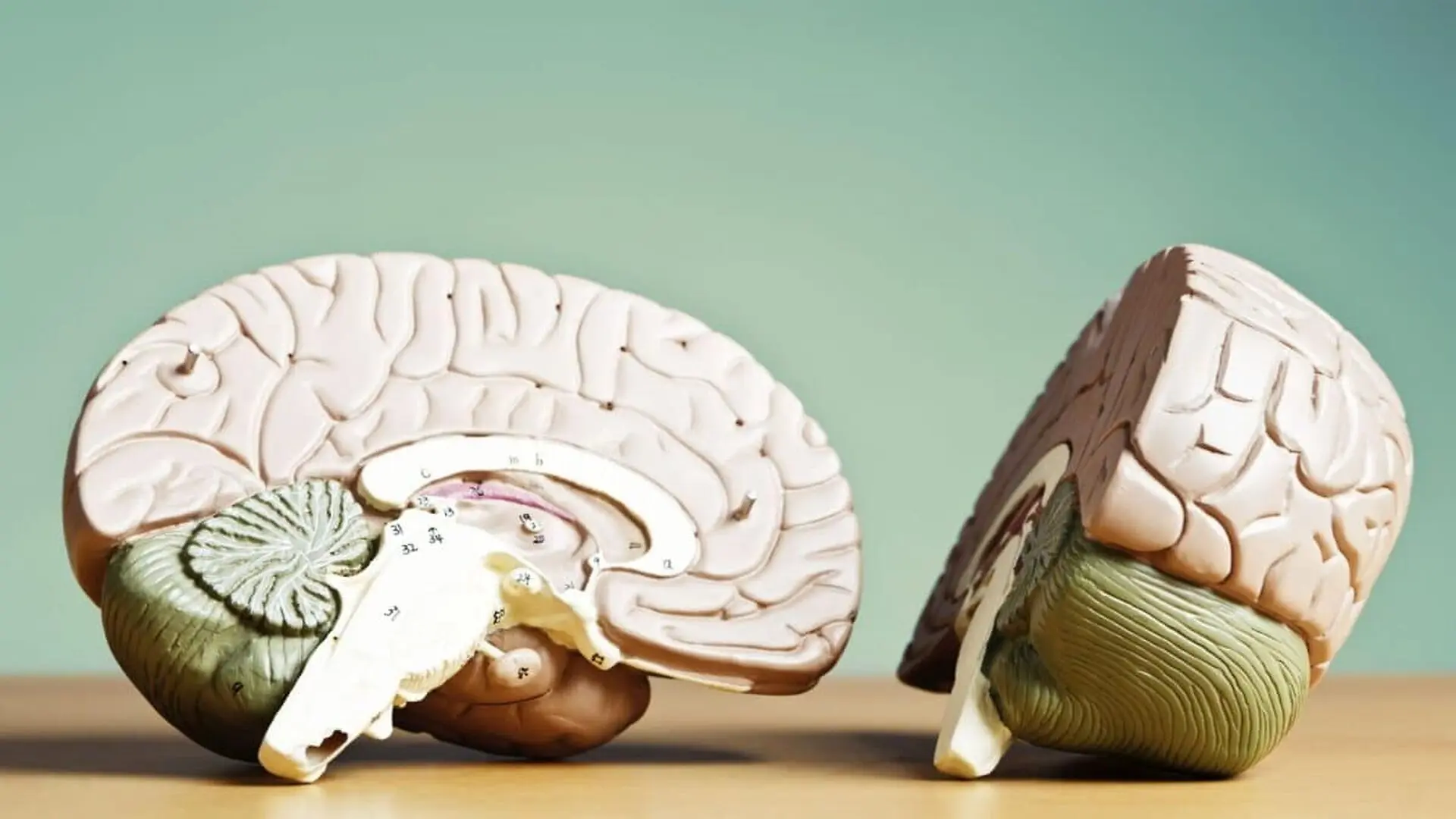
New research from Stanford University is fundamentally shifting our understanding of how the brain develops, revealing that this complex organ is not the product of a single, unified group of cells. Instead, findings published in Nature Neuroscience suggest that the brain originates from two distinct cellular lineages, a separation that appears to be hardcoded into our biology from the earliest stages of embryonic development.
For decades, standard developmental models assumed the brain grew from a homogenous pool of precursor cells. However, by observing brain formation in mice, researchers identified that the divergence occurs during gastrulation, the critical phase when an embryo begins organizing into the tissue layers that will eventually form all internal organs.
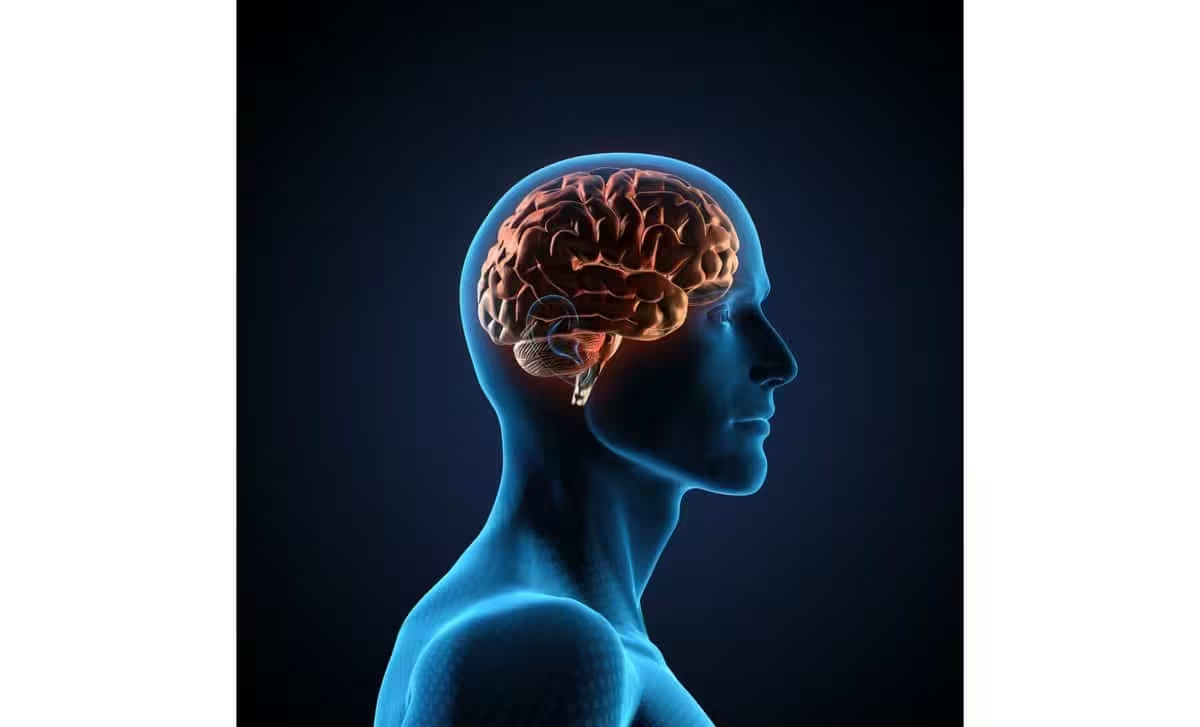
Deep Genetic Roots Define Brain Architecture
Scientists Rayyan Jokhai and Carolyn Dundes discovered that while cells start as pluripotent—possessing the ability to become almost any cell type—they quickly restrict their potential. One population commits to building the forebrain, while another focuses exclusively on the hindbrain. This distinction is dictated by chromatin, the structural complex of DNA and proteins that governs gene expression. Even when these cells appear visually identical under a microscope, their chromatin is already primed to follow separate developmental paths.
The researchers successfully cultivated these distinct progenitor cells in the laboratory, including hindbrain progenitors that had never before been isolated in this manner. This confirmed that the brain is built through what they term “lineage-restricted progenitors,” a system that appears to have remained remarkably stable throughout hundreds of millions of years of evolution.
Distinct Signaling for Higher and Basic Functions
The separation of these populations allows for the execution of different genetic programs. Cells in the anterior region express the Otx2 gene, driving the formation of the forebrain and midbrain—the areas responsible for higher-level cognitive tasks such as memory, reasoning, and sensory processing. Conversely, the posterior region expresses the Gbx2 gene, which oversees the development of the hindbrain. This area manages critical, life-sustaining functions such as respiration, sleep cycles, blood pressure, and consciousness.
“We conclude that the emerging notion of two parallel brain progenitors has a number of ramifications for development, differentiation and evolution,” the researchers wrote.
Evolutionary Conservation and Clinical Implications
This dual-lineage structure is not unique to mammals. The study highlights that this anterior-posterior divide is present in a wide array of deuterostome species, including primates, chickens, zebrafish, and even acorn worms. The latter shares an ancestor with humans dating back roughly 550 million years, suggesting that the fundamental template for our brain is ancient.
Beyond evolutionary theory, these findings offer promising avenues for medicine. Because specific diseases like amyotrophic lateral sclerosis (ALS) and spinal muscular atrophy (SMA) target motor neurons rooted in the hindbrain lineage, having a way to grow these specific cells in a lab could accelerate treatment research. Furthermore, as the hindbrain is implicated in the metabolic pathways utilized by GLP-1 drugs like semaglutide, these progenitor cells may provide a vital new tool for studying how appetite and systemic metabolism are regulated at a cellular level.
This article has been fact checked for accuracy, with information verified against reputable sources. Learn more about us and our editorial process.
Last reviewed on .
Article history
- Latest version
Reference(s)
- “Checking your browser - reCAPTCHA.” <https://www.ncbi.nlm.nih.gov/books/NBK554394/>.
Cite this page:
- Posted by Elizabeth Taylor