Hidden Himalayan Frogs Revealed As New Species In Major Survey
Five new species and two new country records double the known diversity of diminutive Asian horned frogs in a rugged biodiversity hotspot.
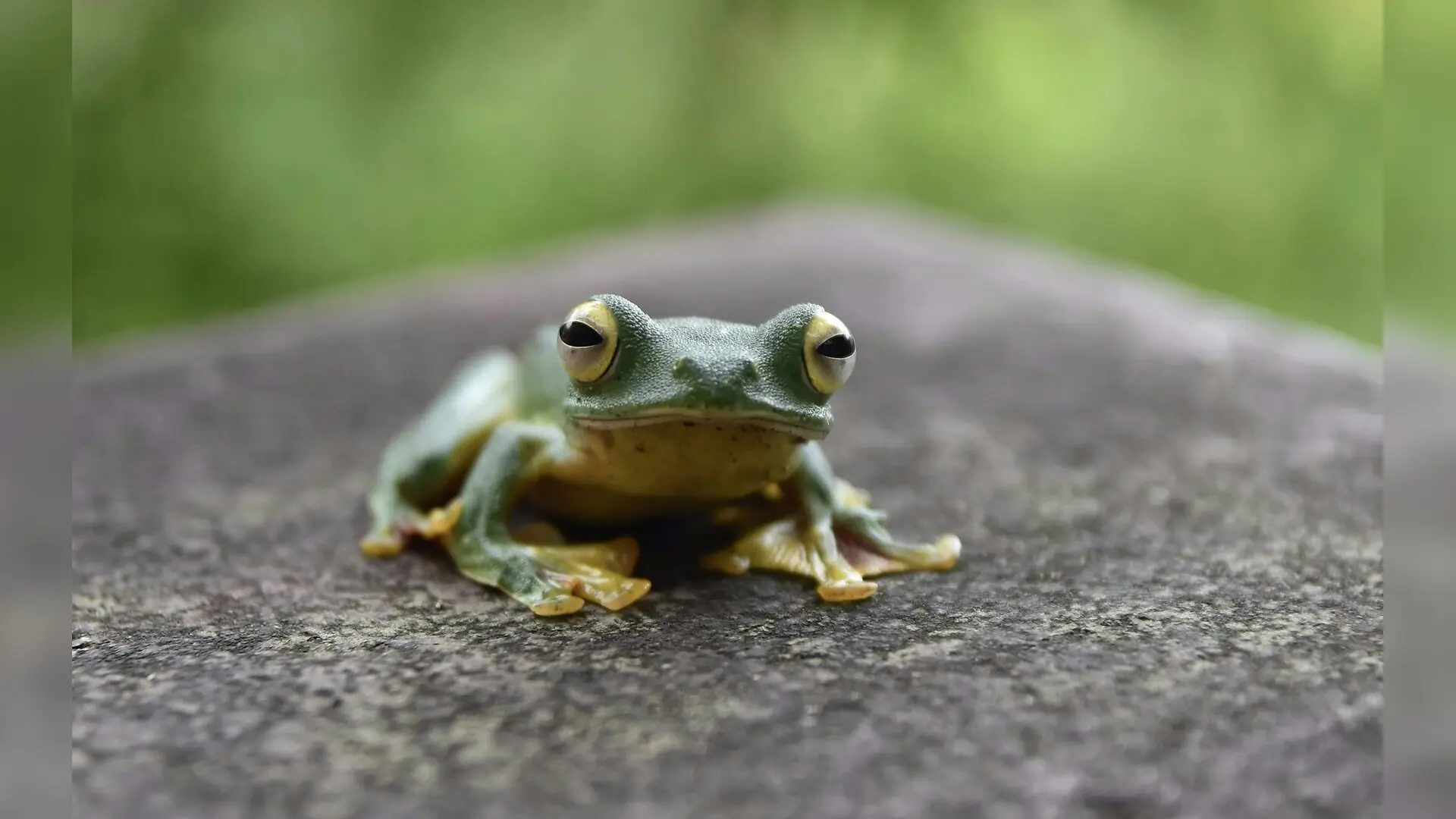
Asian horned frogs known as the genus Jingophrys have secretly exploded in diversity across the steep, mist-shrouded valleys of the Eastern Himalayas, with scientists uncovering five brand-new species and documenting two additional groups in India for the very first time. Researchers spent five years navigating remote, rugged terrain from 2021 to 2025 across the northeastern region of India, recording strange calls and analyzing the genetic makeup of these secretive amphibians. The findings, published in Royal Society Open Science, more than double the number of known species in this diminutive group from six to eleven, revealing a hidden evolutionary hotspot that previous surveys completely missed.
Why These Tiny Forest Dwellers Went Unnoticed
Measuring just 22 to 41 millimeters in length, these miniature frogs spend their lives hugging the damp forest floor or perching quietly on low-hanging shrub leaves near rushing mountain streams. Their drab brown and green camouflage, combined with their preference for vertical vegetation and secretive nighttime habits, allowed them to blend seamlessly into their tropical forest habitats. While scientists previously recognized only a single confirmed species of this group in India, the team discovered that river systems and steep elevation gradients act as natural barriers, splitting populations into isolated mountain habitats where each valley evolved its own distinct species.
Through a combination of DNA sequencing, detailed body measurements, and advanced acoustic analyses of their mating calls, the authors confirmed that these isolated populations represent distinct evolutionary lineages. The genetic differences between these tiny frogs match or exceed those seen in much larger, better-studied amphibian groups across Asia. Furthermore, the researchers captured unexpected audio recordings of their calls, proving that each species broadcasts a unique vocal signature that lets them recognize potential mates through the ambient roar of rushing Himalayan streams.
Surprising Dietary Habits and Evolutionary History
Using cutting-edge micro-computed tomography scans, the team peered inside the stomachs of preserved specimens and made a startling discovery. Two of the studied species, including the newly described Jingophrys tanogogo, regularly feed on large terrestrial snails belonging to the species Macrochlamys cf. indica. While most Asian horned frogs are generalist insect eaters, this specialized snail-eating behavior represents the first time such a diet has been documented within the entire family Megophryidae.
Historical biogeographical modeling reveals that the ancestors of these tiny frogs arrived in the Himalayas during the Mid-Miocene epoch roughly 15.9 million years ago. As the Indian and Eurasian tectonic plates collided and shoved the Himalayan mountain ranges into the sky, the intensification of the Asian monsoon system about 10 million years ago created a patchwork of cool, wet forest habitats. This environmental upheaval triggered a massive burst of rapid speciation, allowing the ancestors of Jingophrys to diversify rapidly in situ across narrow geographic ranges.
Conservation Implications for Himalayan Biodiversity
The discovery of so many microendemic species concentrated in narrow valleys highlights the fragility of these high-elevation ecosystems. Many of the newly identified frogs are restricted to tiny geographic areas, such as the Tale Valley Wildlife Sanctuary in Arunachal Pradesh, where their habitats face increasing pressure from road construction and human encroachment. By proving that the Eastern Himalayas act as a major center of independent amphibian evolution rather than a mere crossroads for migration, the study emphasizes the urgent need for targeted conservation efforts to protect these overlooked forest fragments.
The research was published in Royal Society open science on November 12, 2026.
This article has been fact checked for accuracy, with information verified against reputable sources. Learn more about us and our editorial process.
Last reviewed on .
Article history
- Latest version
Cite this page:
- Posted by Hassan Raza