Scientists Discover New Amoeba That Thrives In Record Breaking Heat
Scientists have discovered a new amoeba thriving in scalding geothermal waters, challenging our understanding of the heat limits for complex life.
A team of researchers led by microbiologist Beryl Rappaport of Syracuse University has identified a new species of amoeba capable of surviving and thriving in temperatures once thought to be lethal for eukaryotic life. The discovery, detailed in a study published in the journal Cell, pushes the known thermal boundaries for organisms whose cells contain complex, membrane-bound organelles.
Record-Breaking Heat Tolerance in the Cascades
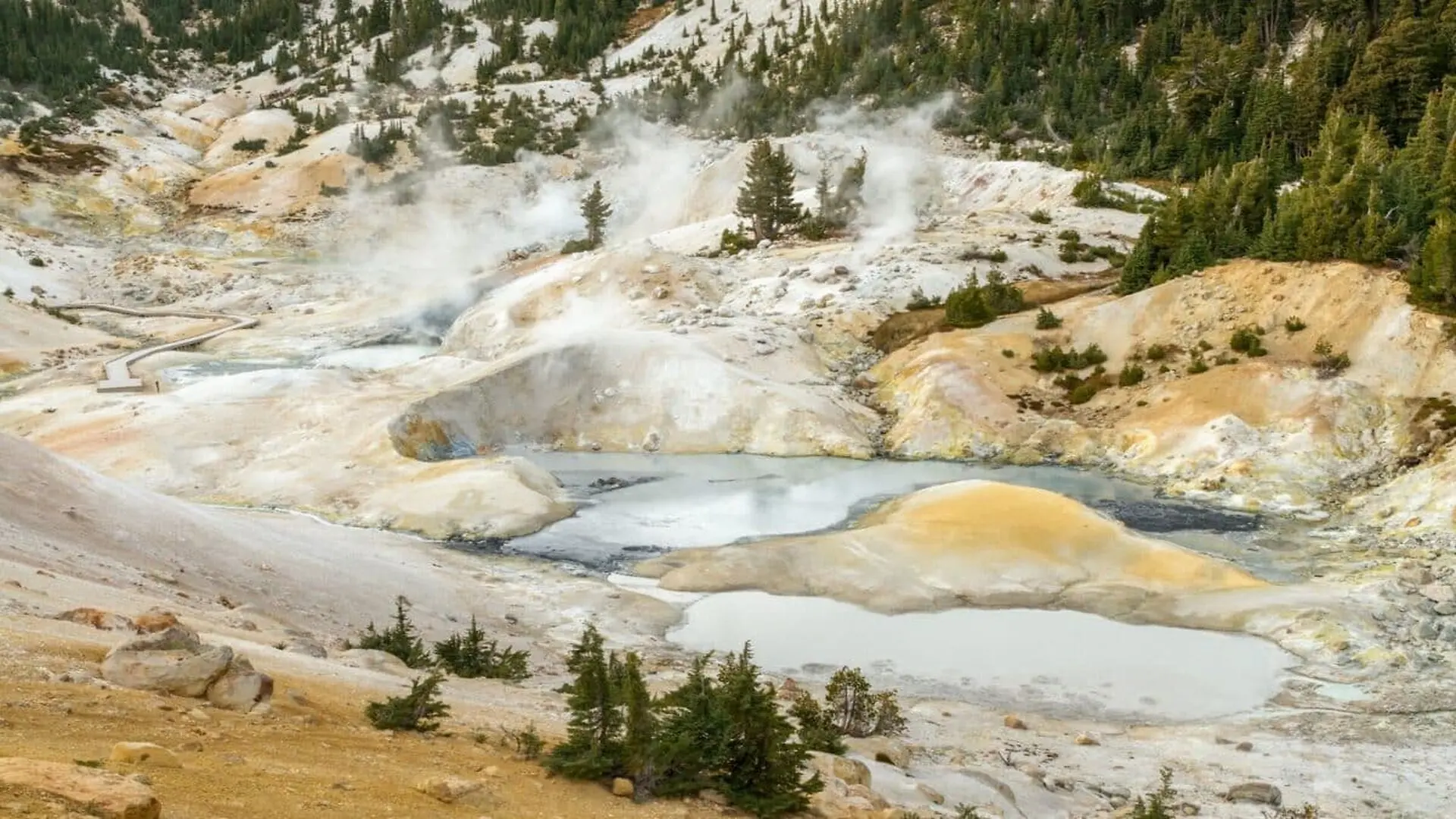
The investigation took place within California’s Lassen Volcanic National Park, a region defined by its intense geothermal activity, including boiling mud pots and steaming fumaroles. Seeking to understand the absolute limits of eukaryotic survival, the research team collected samples from high-temperature environments such as Boiling Springs Lake and Hot Springs Creek. Using specialized equipment to reach into waters that would scald human skin, the scientists extracted sediment and microbial biofilms.
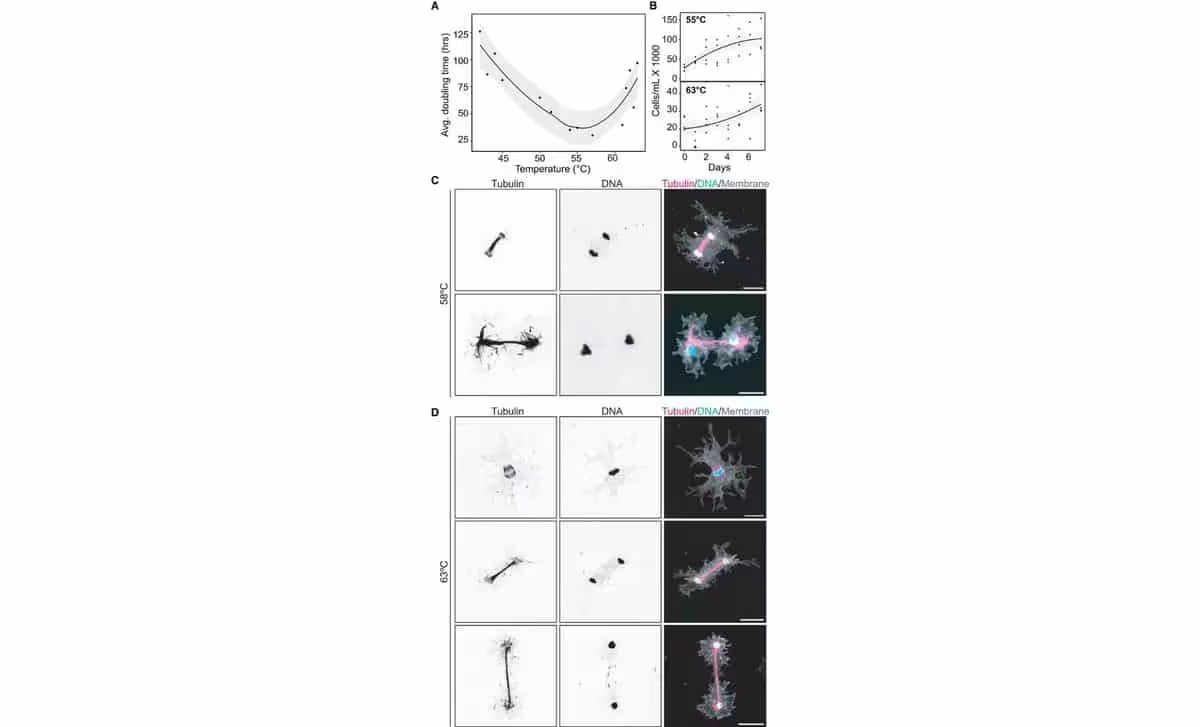
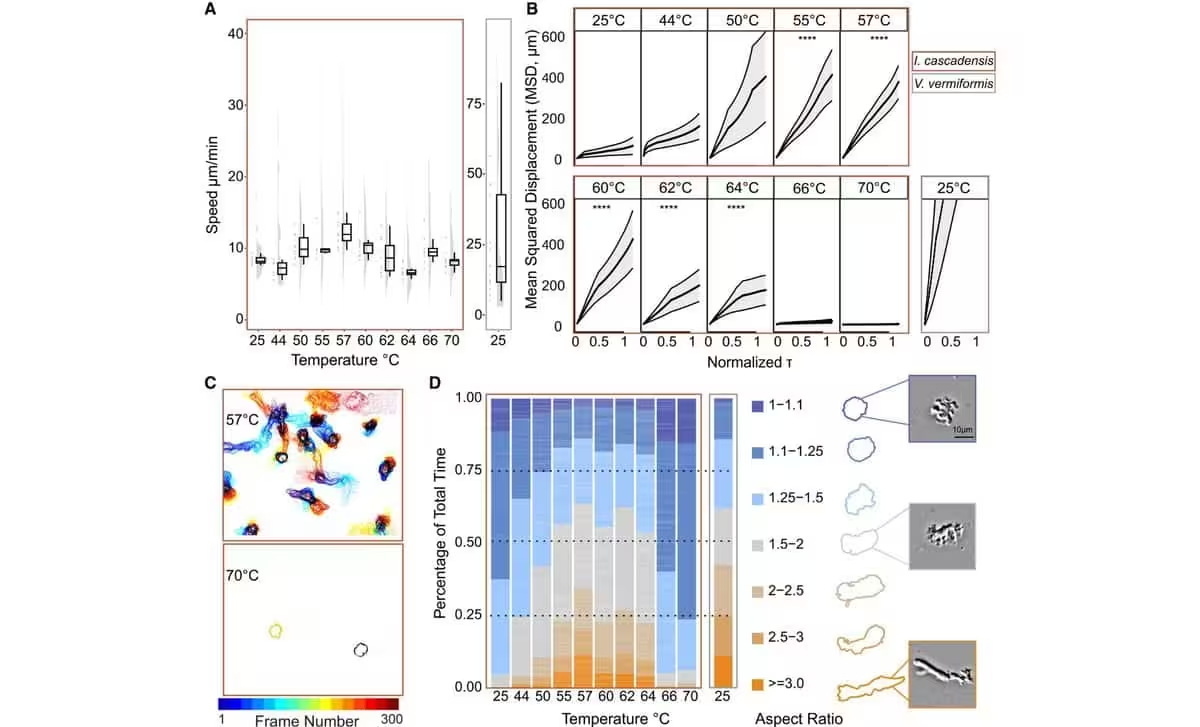
Back in the lab, researchers isolated a resilient amoeba strain that continued to replicate at temperatures up to 145°F (63°C). Even more impressively, the organisms remained mobile and active at a staggering 147°F (64°C). This performance shatters the previous record of 140°F (60°C) held by other eukaryotes. The new organism has been formally named Incendiamoeba cascadensis, a moniker reflecting its extreme heat resistance and its native habitat in the Cascade Range.
Cellular Adaptations for Molecular Stability
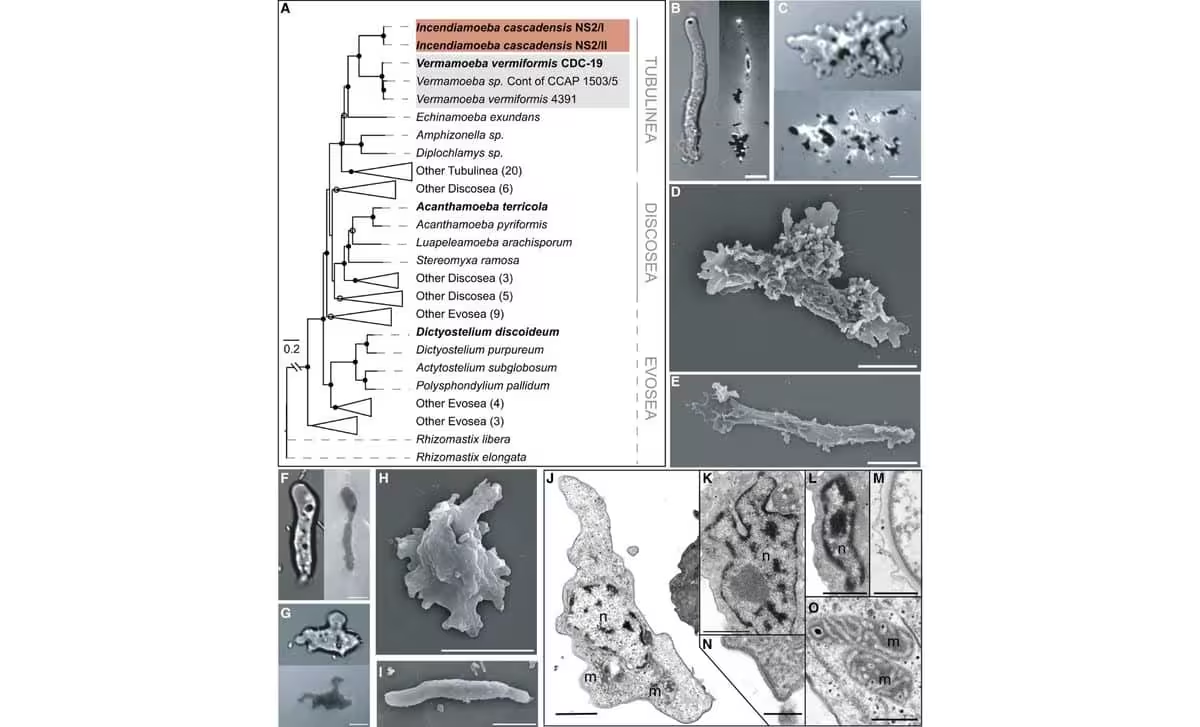
Microscopic analysis reveals that I. cascadensis can shift between two distinct morphologies: a rounded, classic amoeboid shape and an elongated, worm-like form. Genome sequencing performed by the team identified unique genetic strategies that allow the amoeba to maintain structural integrity under thermal stress.
The organism appears to ramp up the production of specific proteins responsible for proper protein folding, a process often derailed by extreme heat. Furthermore, the molecular structure of its proteins shows a distinct bias toward positively charged residues. This configuration deviates from the “salt bridge” stabilization commonly observed in heat-loving bacteria and archaea, suggesting that this amoeba has evolved an entirely independent, highly efficient mechanism to preserve its internal machinery.
Global Implications for Extremophile Research
The implications of this discovery reach far beyond the California wilderness. Genetic markers found in I. cascadensis show striking similarities to DNA sequences recovered from other thermal zones, including sites in Yellowstone and New Zealand. Rappaport suggests that this points to a larger, likely undiscovered group of thermophilic amoebae waiting to be identified in geothermal regions worldwide.
“This discovery raises questions about the true maximum temperature a eukaryotic cell can endure,” Rappaport said. “Our findings demonstrate that amoebae…are capable of occupying the most extreme thermal niches available to eukaryotes, and our biogeographic analysis suggests that additional thermophilic species within this clade await discovery.”
Supported in part by NASA, the research serves as a valuable case study for astrobiology. By mapping the survival strategies of complex, nucleated cells in harsh environments, scientists can better calibrate their search for biological signatures on other planets, expanding our understanding of where and how life can persist under extreme conditions.
This article has been fact checked for accuracy, with information verified against reputable sources. Learn more about us and our editorial process.
Last reviewed on .
Article history
- Latest version
Reference(s)
- <https://www.cell.com/cell/fulltext/S0092-8674(26)01016-0>.
- “Hydrothermal Areas - Lassen Volcanic National Park (U.S. National Park Service).” <https://www.nps.gov/lavo/planyourvisit/exploring-the-hydrothermal-areas.htm>.
Cite this page:
- Posted by Elizabeth Taylor