One in Eight Respiratory Patients in Ethiopian City Tested Positive for Influenza A
A year-long health facility study reveals high H1N1 circulation and identifies key demographic risk factors.

Nearly one in eight patients seeking care for respiratory illness in Gondar City, Ethiopia, tested positive for the influenza A virus during a year-long health facility study. Researchers found that school-aged children and working-age adults faced the highest infection risks, while the H1N1 strain emerged as the dominant circulating subtype in the region.
Acute respiratory infections remain a major global health challenge, causing millions of severe illnesses and hundreds of thousands of deaths each year. While national monitoring programs track these seasonal pathogens, local data from specific urban centers in East Africa remain limited. To address this knowledge gap, scientists investigated the prevalence and risk factors associated with influenza A among patients seeking medical care across multiple healthcare sites.
How the Infection Study Was Conducted
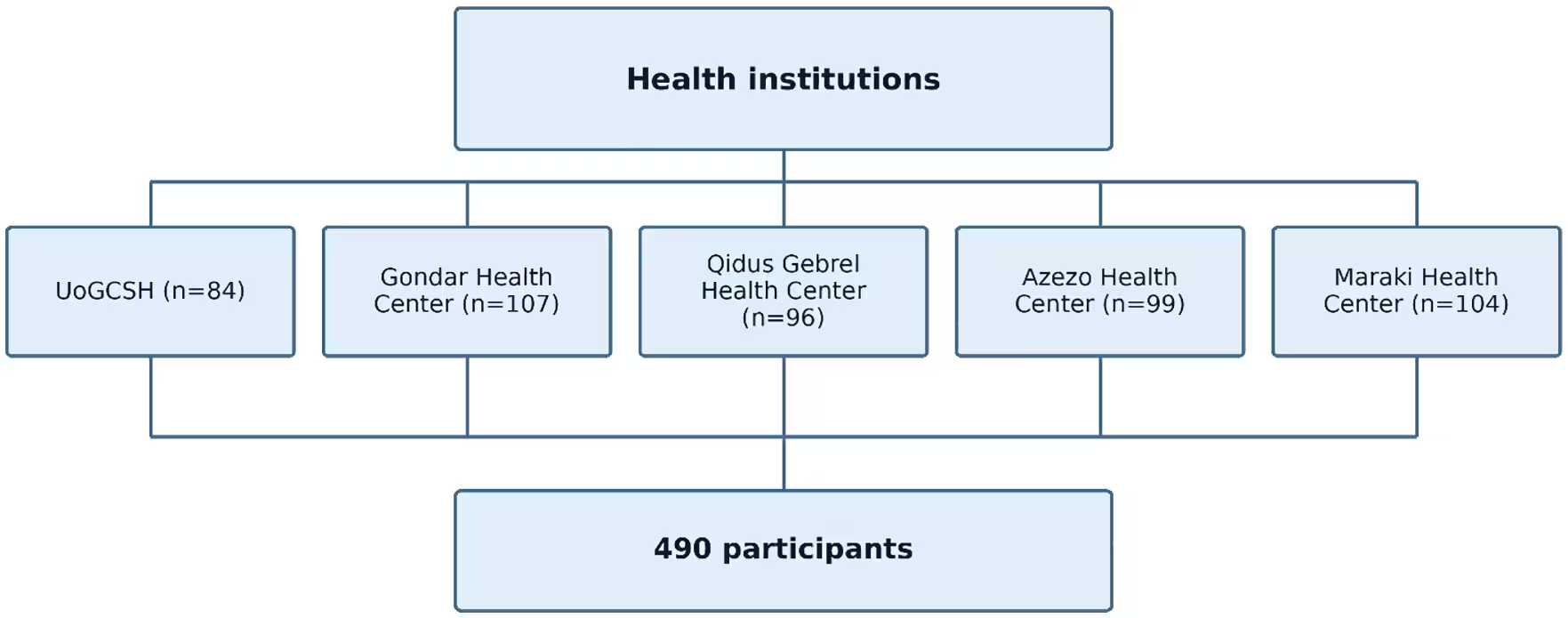
The multicenter cross-sectional study ran from January 1 to December 31, 2025, across five public healthcare facilities in Gondar City, including the University of Gondar Comprehensive Specialized Hospital and four local health centers. Trained clinicians evaluated 490 patients who presented with signs of acute respiratory tract infections, such as fever, cough, and sore throat.
During routine consultations, medical staff administered a standardized questionnaire to gather sociodemographic, clinical, and behavioral information from each participant. Trained personnel then collected nasopharyngeal swab specimens and placed them in a viral transport medium. The samples were transported under cold chain conditions and stored at minus 70 degrees Celsius until laboratory analysis.
Viral RNA was extracted from the samples and analyzed using molecular assays. The study is published in PLOS One, detailing how researchers used multiplex real-time reverse-transcription polymerase chain reaction assays to detect influenza viruses and differentiate specific subtypes.
Prevalence Rates and Subtype Distribution
Out of the 490 participants included in the final analysis, 65 tested positive for the influenza A virus, yielding an overall prevalence of 13.3 percent. Further genetic characterization revealed that 73.8 percent of these positive cases belonged to the A(H1N1) subtype, while 26.2 percent were identified as the A(H3N2) subtype.
The researchers observed that individual symptoms alone, such as cough or fever, did not reliably predict whether a patient had influenza A rather than another respiratory illness. Cough was reported by 85.1 percent of participants and fever by 82.4 percent, but neither symptom showed a statistically significant association with confirmed viral infection in adjusted statistical models.
Demographic Factors Linked to Infection Risk
Statistical analysis uncovered several independent factors associated with a higher likelihood of testing positive for influenza A. Age played a notable role, as participants aged 5 to 17 years and those aged 18 to 49 years had significantly higher odds of infection compared to children under five years old. Employment status also correlated with risk, with employed individuals showing higher odds of infection than students.
Conversely, educational attainment appeared to offer some protection in certain groups. Participants with a secondary school education showed significantly lower odds of infection compared to those with no formal education, potentially reflecting differences in health awareness and preventive habits. However, variables such as household size, recent travel, and livestock exposure did not show significant associations after adjusting for potential confounding factors.
The authors noted several limitations to their work, including its cross-sectional design, which prevents drawing causal conclusions about the identified risk factors. Additionally, recruiting patients exclusively from healthcare facilities may limit how broadly these findings apply to the wider community outside of medical settings. The researchers emphasize that ongoing virological surveillance is essential to track shifting viral strains and guide future public health strategies.
The research was published in PLOS One on November 17, 2026.
This article has been fact checked for accuracy, with information verified against reputable sources. Learn more about us and our editorial process.
Last reviewed on .
Article history
- Latest version
Reference(s)
- Asamnew, Abiti., et al. “Prevalence and associated factors of influenza A virus infection among patients with acute respiratory tract infections in Gondar City, Northwest Ethiopia.” PLOS One, vol. 21, no. 11, November 17, 2026, pp. e0357953 Public Library of Science (PLoS), doi: 10.1371/journal.pone.0357953. <https://doi.org/10.1371/journal.pone.0357953>.
Cite this page:
- Posted by Sana Malik