Female Sex And Viral Burden Predict Long COVID Risk
A prospective study of untreated patients reveals distinct biological markers and sex-based differences linked to persistent symptoms.
Female patients face a significantly higher risk of developing long COVID after a mild or moderate coronavirus disease 2019 (COVID-19) infection, according to a prospective analysis of 545 nonhospitalized adults. The study, published in Open Forum Infectious Diseases, tracked untreated participants over a six-month period to uncover biological and clinical warning signs of persistent post-infection symptoms.
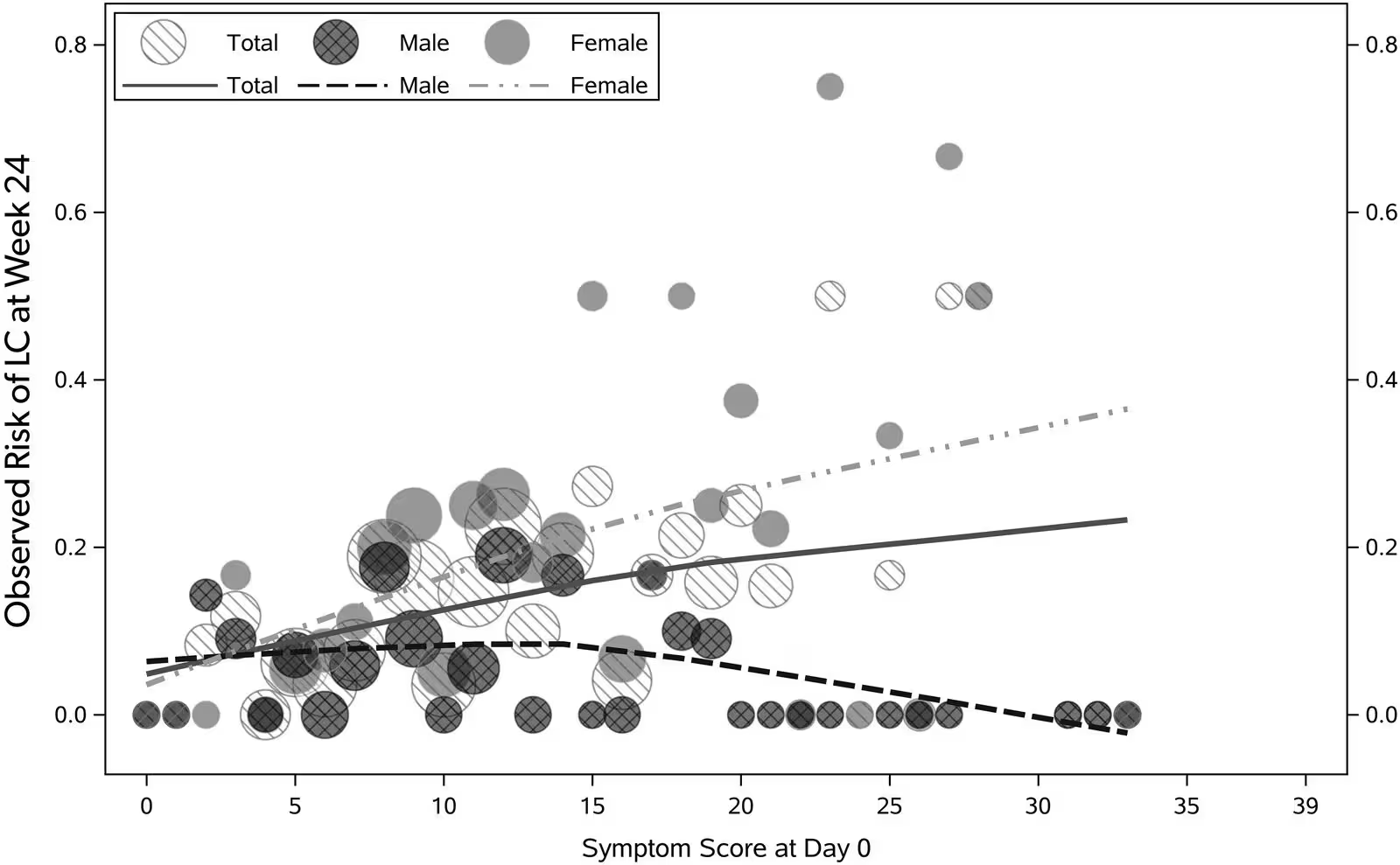
Out of 545 participants monitored through standardized health diaries, 74 individuals, or 14 percent, met the criteria for long COVID at week 24. While 19 percent of female participants developed the condition, only 7 percent of male participants experienced ongoing symptoms. Statistical models revealed that female sex was strongly linked to long COVID, with an adjusted risk ratio of 2.64, meaning women were more than two and a half times as likely to suffer from lingering health issues after accounting for other variables.
What Specific Clinical Factors Drive Persistent Symptoms?
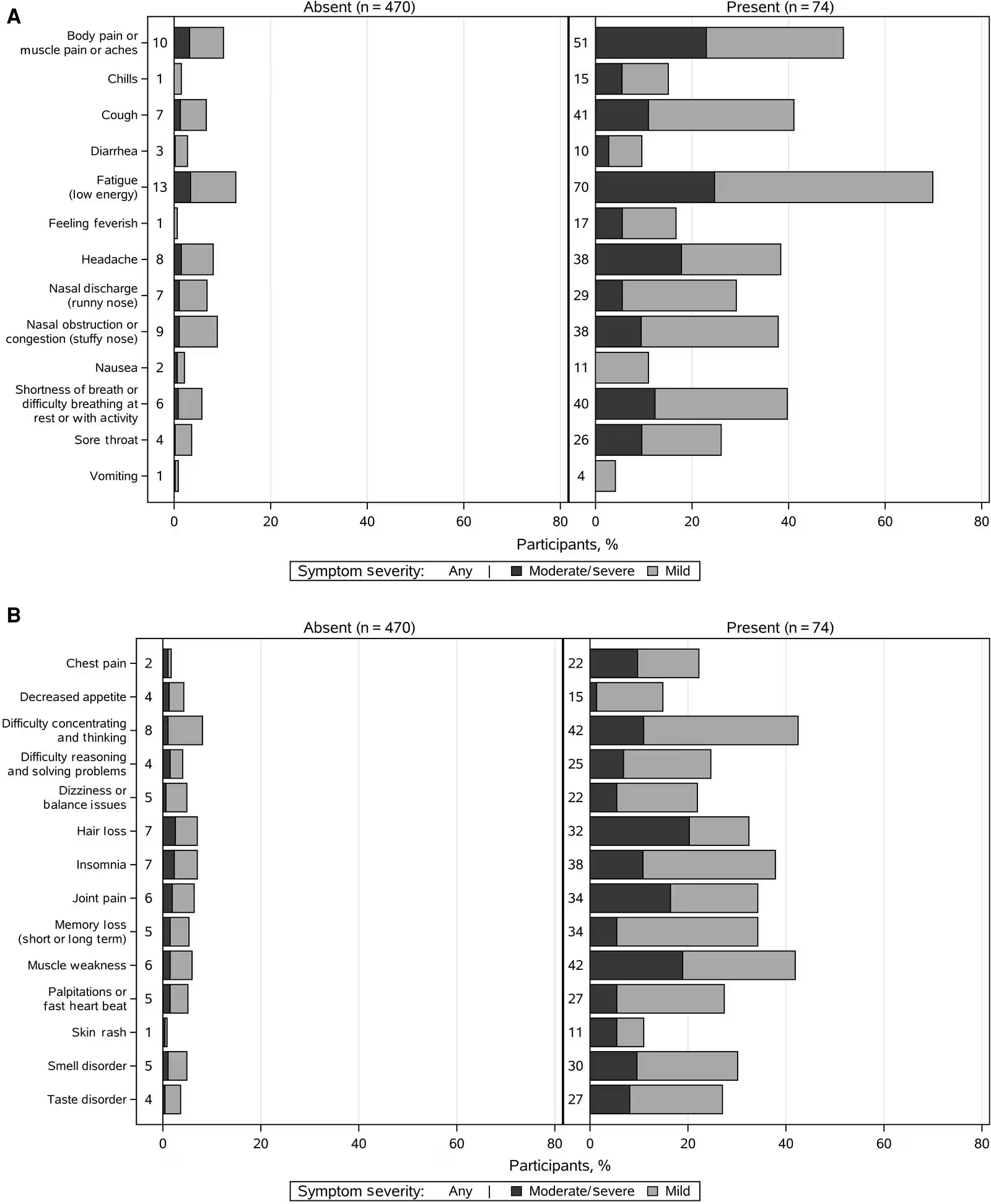
Aside from biological sex, researchers identified several key predictors during the acute phase of illness that pointed toward a higher likelihood of long-term complications. Patients with a higher total symptom score early in their infection faced an increased risk. Furthermore, individuals who still reported symptoms between days 22 and 28 of their illness were substantially more likely to report long COVID six months later.
Virological tracking also provided critical clues regarding how the coronavirus behaves in the body over time. While a single nasal viral load measurement taken on the first day did not predict long-term outcomes, the cumulative viral burden measured via area under the curve calculations across the 28-day acute period showed a significant association. Participants who went on to develop long COVID carried approximately twice the median viral burden over those four weeks compared to individuals who recovered fully.
How Do Inflammation and Blood Clotting Markers Play a Role?
To understand the biological mechanisms behind these lingering illnesses, investigators tracked various inflammatory and coagulation biomarkers in real time. Blood tests revealed that elevated levels of C-reactive protein (CRP), a general indicator of inflammation, and fibrinogen, a protein involved in blood clotting, measured at day 28 were tied to a heightened risk of persistent health problems.
Interestingly, the relationship between blood clotting markers and long-term outcomes differed between sexes. Higher fibrinogen levels at day 28 strongly predicted long COVID among male participants, whereas the association was not as pronounced in female participants. This divergence points toward potential sex-specific pathways in how the body resolves inflammation and vascular stress following a coronavirus infection.
What Are the Limitations and Future Directions of This Research?
The investigators noted several limitations within their study design. Because enrollment was restricted to nonhospitalized adults with mild-to-moderate illness primarily prior to widespread vaccination rollout, the findings may not apply to vaccinated individuals, asymptomatic cases, or severe hospitalizations. Additionally, reliance on participant self-reporting through symptom diaries introduces potential reporting biases.
Despite these caveats, the findings suggest that the underlying pathophysiology of long-term post-viral illness may differ between men and women. The clear association with persistent viral activity and late inflammatory markers highlights a potential window for therapeutic intervention, supporting future clinical trials focused on anti-inflammatory or anticoagulant strategies to prevent long COVID.
The research was published in Open forum infectious diseases on November 13, 2026.
This article has been fact checked for accuracy, with information verified against reputable sources. Learn more about us and our editorial process.
Last reviewed on .
Article history
- Latest version
Reference(s)
- Evering, Teresa H., et al. “Predictors of Long COVID in Adults With Untreated Mild-to-Moderate Coronavirus Disease 2019.” Open Forum Infectious Diseases, vol. 13, no. 11, November 13, 2026 Oxford University Press (OUP), doi: 10.1093/ofid/ofag577. <https://doi.org/10.1093/ofid/ofag577>.
- Posted by David Anderson