New Protocol Seeks to Map How Chemical Tracers Reveal Secret Rodent Ecologies
A comprehensive new scoping review protocol aims to synthesize decades of stable isotope research across the order Rodentia to guide future conservation.
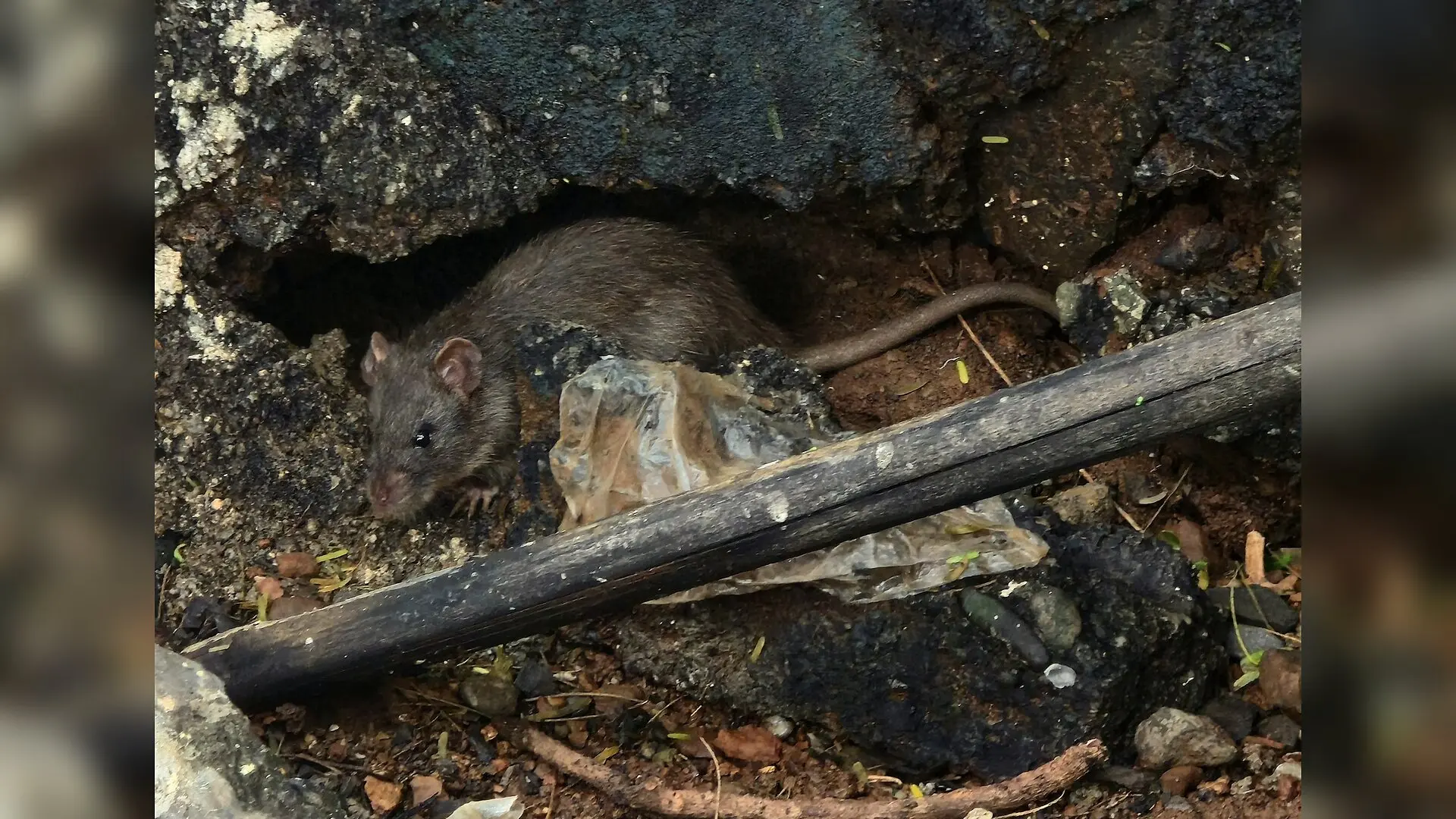
Rodents make up the most diverse and widespread group of mammals on Earth, yet scientists have never fully mapped how chemical signatures inside their tissues reveal their secret lives. A new research protocol outlines a massive upcoming review to synthesize how stable isotope analysis has been used across the order Rodentia to track diets, movements, and ecosystems.
Traditional methods for studying what small mammals eat, such as examining stomach contents or feces, only offer a tiny snapshot of their recent meals. Stable isotope analysis changes that by measuring naturally occurring chemical variations in consumer tissues, which reflect assimilated resources over extended periods. Barbara Protocevich and colleagues published the study detailing this methodology in PloS one, setting the stage for a comprehensive evaluation of ecological literature spanning decades.
How Chemical Tracers Reveal Hidden Rodent Ecologies
Animals incorporate chemical elements from their food and water directly into their bodies in predictable ways. By analyzing specific variations in carbon and nitrogen isotopes, researchers can reconstruct primary food sources, metabolic pathways, and trophic positions within a food web. Other elements, including hydrogen and oxygen isotopes, help scientists investigate geographic origins, water sources, and animal movement across landscapes. Meanwhile, sulfur isotopes help distinguish between marine, freshwater, terrestrial, and urban sulfur influences where carbon and nitrogen alone fall short.
Despite the widespread adoption of these chemical tools, the existing body of literature remains remarkably scattered. Researchers have applied isotopic methods across natural wilderness, agricultural fields, and bustling urban environments, but no comprehensive review has previously pulled all this data together for rodents specifically. The new project aims to resolve this gap by systematically organizing studies that examine resource partitioning, niche breadth, and habitat connectivity in the order Rodentia.

What the Systematic Literature Search Will Involve
To capture the full breadth of available evidence, the team designed a rigorous search protocol following Joanna Briggs Institute guidelines for scoping reviews. The search covers multiple major academic databases, including Scopus, Web of Science, PubMed, SciELO, and Google Scholar, looking for studies published from database inception up to January 2026. Eligible sources include peer-reviewed journal articles, master’s theses, and doctoral dissertations written in any language.
To keep the massive volume of data manageable while maintaining transparency, the authors established clear screening rules. For Google Scholar, the team will screen the first 200 results sorted by relevance. Nine independent reviewers will work in pairs to screen randomized titles, abstracts, and full texts, using a pilot test of 100 random records beforehand to ensure consistent agreement.
What Comes Next for Global Rodent Conservation
Rather than evaluating the risk of bias or methodological quality of individual papers, this scoping review focuses strictly on mapping the landscape of existing research. Extracted data will include geographic locations, ecosystem types, specific rodent species, sample sizes, tissue types, and analytical approaches. The resulting synthesis will highlight major research trends, reveal underexplored geographic regions, and identify critical knowledge gaps that can guide future ecological monitoring and conservation planning worldwide.
The research was published in PloS one on November 13, 2026.
This article has been fact checked for accuracy, with information verified against reputable sources. Learn more about us and our editorial process.
Last reviewed on .
Article history
- Latest version
Reference(s)
- Protocevich, Barbara., et al. “Mapping the applications of stable isotope analysis in rodent ecology: Protocol for a scoping review.” PLOS One, vol. 21, no. 11, November 13, 2026, pp. e0361880 Public Library of Science (PLoS), doi: 10.1371/journal.pone.0361880. <https://doi.org/10.1371/journal.pone.0361880>.
Cite this page:
- Posted by Linda Wilson