Hidden Microbes in Water Treatment Sludge Reveal Surprising Gene Profiles
A shotgun metagenomic analysis of drinking water treatment plant sludge in South Africa uncovers diverse bacterial, fungal, and viral communities linked to local water chemistry.
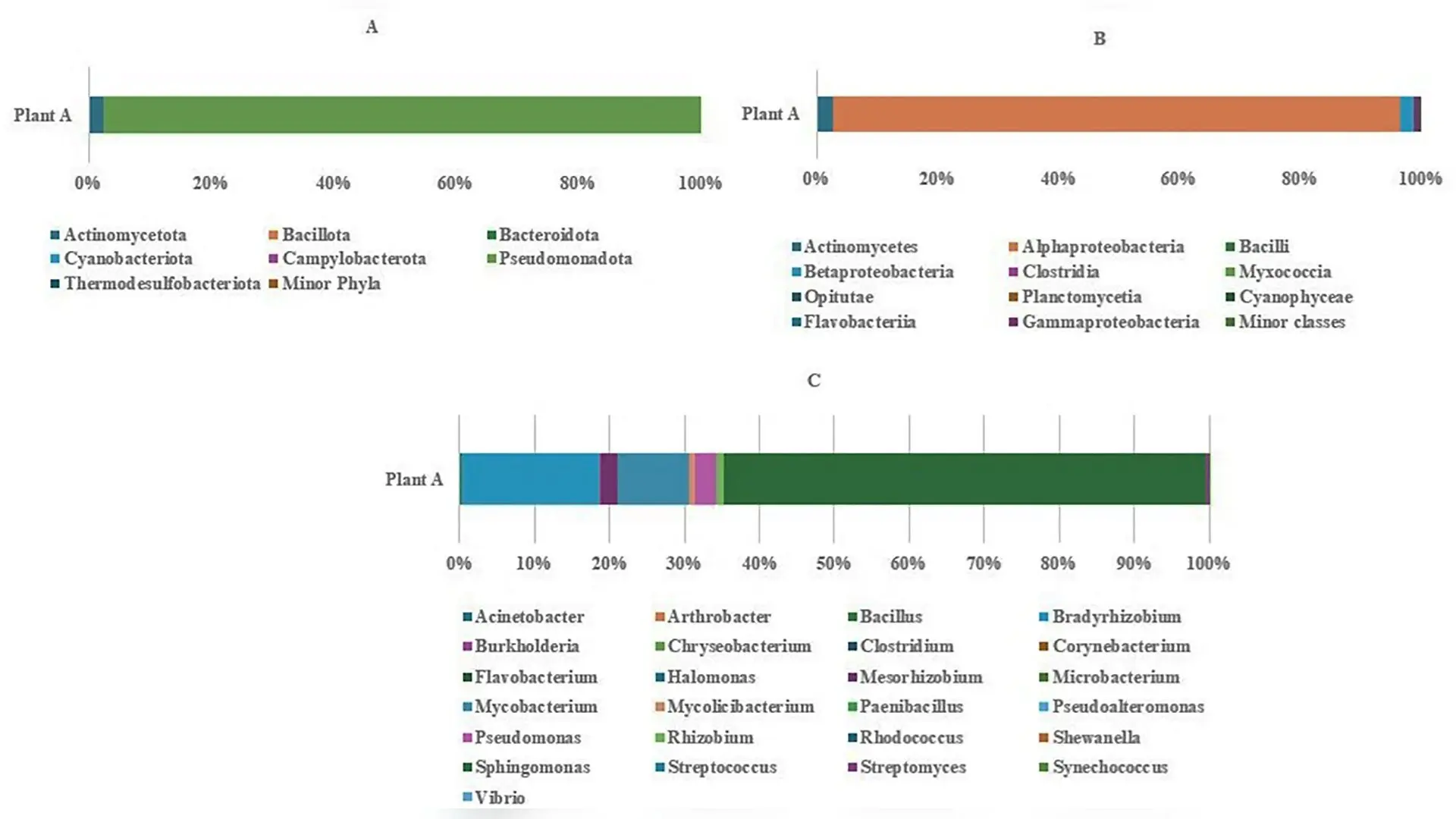
Sludge samples collected from three drinking water treatment plants across South Africa reveal complex microbial ecosystems packed with diverse bacteria, fungi, viruses, and functional genes. The exploratory pilot study, published in PLOS One, sheds light on the hidden biological contents left behind after purifying municipal water supplies. These treatment facilities, located in Gauteng, Limpopo, and Mpumalanga, handle high industrial and urban demands that consistently generate large volumes of gelatinous sludge.
How Bacterial Populations Dominate Treatment Plant Sludge
Whole-genome community analysis shows that bacterial phyla Pseudomonadota and Actinomycetota dominate the sludge samples across all three facilities. At the class level, Alphaproteobacteria, Betaproteobacteria, and Gammaproteobacteria occur frequently, supported by genera such as Sphingomonas, Bradyrhizobium, and Pseudomonas. These resilient bacteria thrive in low-nutrient conditions and play major roles in carbon, nitrogen, and sulphur metabolism.
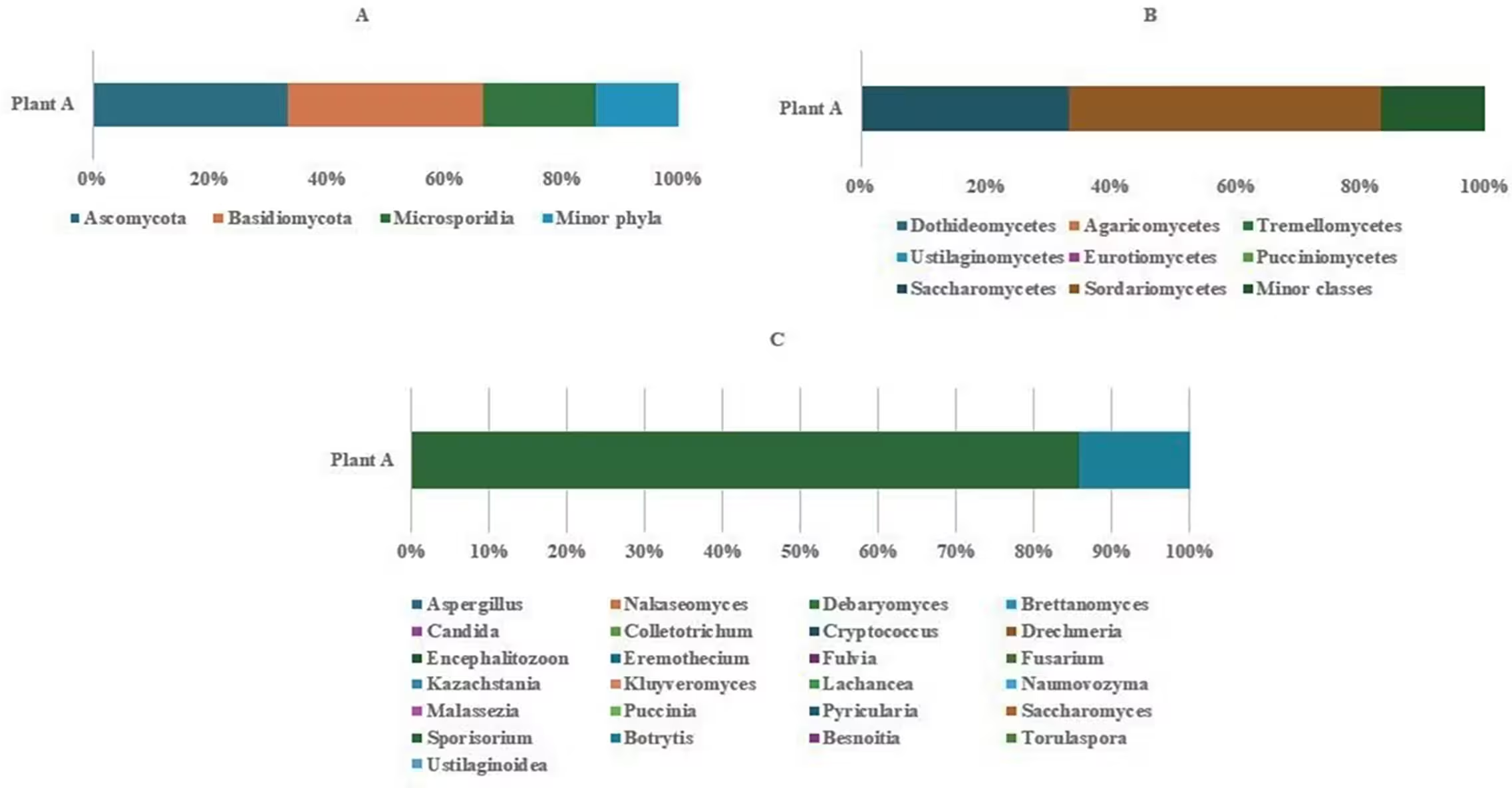
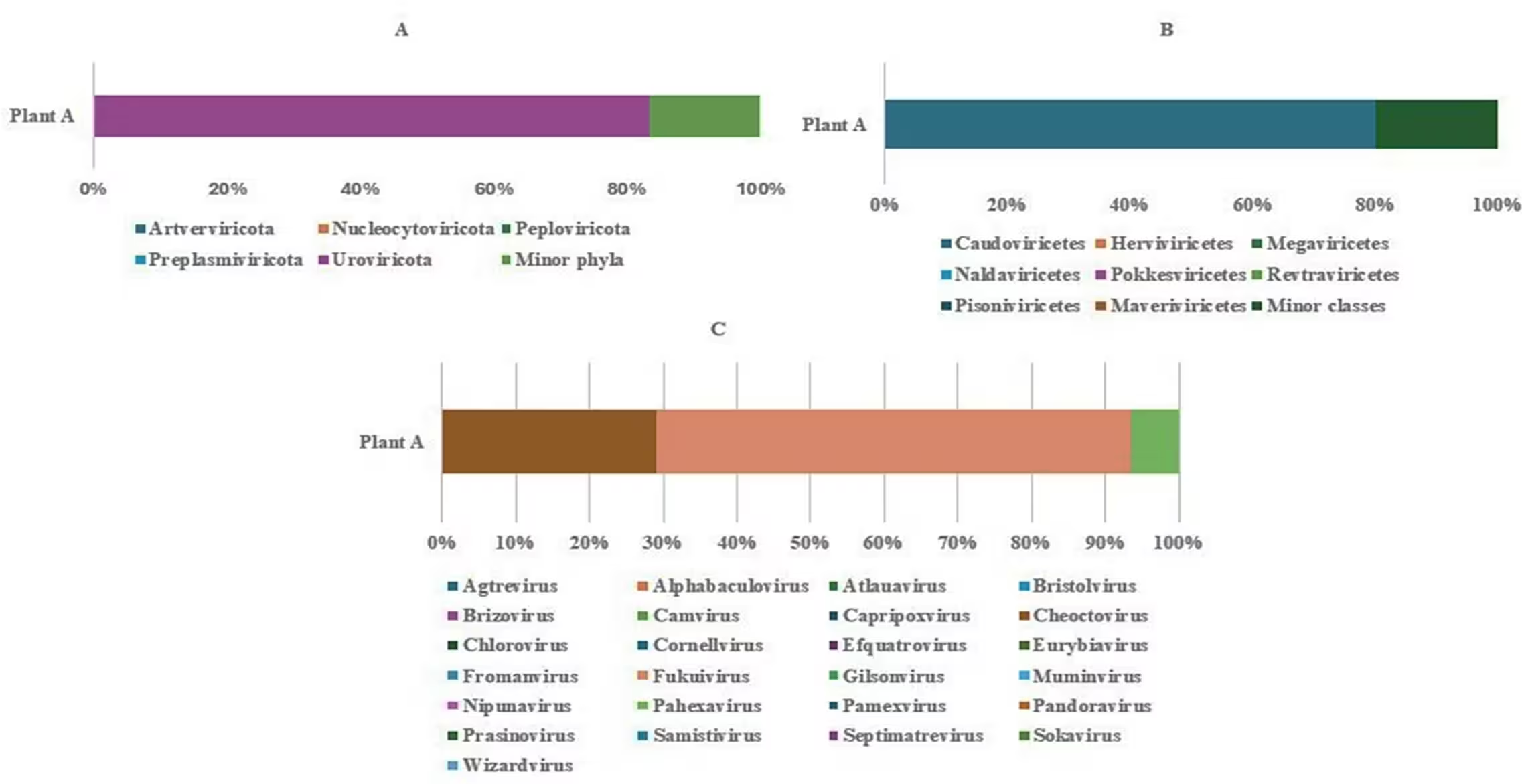
Fungal communities in the sludge are likewise diverse, with Ascomycota accounting for over 70 percent of the fungal populations in some samples, alongside Basidiomycota. Common fungal genera include Malassezia, Fusarium, and Aspergillus. Meanwhile, viral populations are heavily represented by Uroviricota and Caudoviricetes, which actively interact with microbial hosts and influence biogeochemical cycling within the sludge environment.
What Functional Gene Profiles Reveal About Sludge Metabolism
Functional annotation using shotgun metagenomics indicates that metabolism-related genes account for between 55 and 70 percent of all functional profiles across the plants. These genes support essential cellular processes and environmental information processing. Human disease-associated gene categories, including antibiotic resistance markers and infectious disease sequences, also appear in the functional datasets, representing about 20 to 25 percent of the profiles.
The researchers emphasize that detecting these disease-related gene categories does not confirm the presence of active pathogens or immediate health risks. Instead, these sequences likely reflect harmless environmental microbes that share genetic similarities with organisms cataloged in medical databases. Broad KEGG categories limit deeper pathway-level resolution, meaning that health-related interpretations remain speculative without quantitative risk assessments.
Which Environmental Factors Shape Microbial Communities
Exploratory redundancy analysis reveals strong links between microbial community structures and specific water chemistry parameters. Variables such as electrical conductivity, total dissolved solids, total hardness, total alkalinity, turbidity, chloride, and trace metals like manganese, aluminum, and iron align closely with shifts in bacterial, fungal, and viral classes. Facilities with elevated mineral and metal loads exhibit distinct microbial assemblages compared to plants with milder water chemistry.
While the findings offer a valuable baseline for understanding treatment plant sludge, the study acknowledges important methodological limitations. Researchers pooled DNA from biological replicates prior to sequencing, which prevents formal statistical comparisons or direct ecological inferences between the different facilities. Variations in sequencing depth further restrict cross-sample comparisons, meaning the results serve primarily as descriptive characterizations of individual plants rather than a sweeping regional comparison.
Why Monitoring Sludge Microbiology Matters for Resource Recovery
As South African municipalities increasingly seek to reuse sludge for agricultural applications or safe land disposal, monitoring microbial loads and functional profiles becomes crucial. Understanding the baseline composition of treatment plant sludge helps engineers optimize anaerobic digestion, improve biogas recovery, and ensure that resource recovery practices align with environmental safety standards. Future monitoring efforts will require replicated sampling designs and standardized sequencing to build robust risk-management frameworks.
The research was published in PLOS One on November 17, 2026.
This article has been fact checked for accuracy, with information verified against reputable sources. Learn more about us and our editorial process.
Last reviewed on .
Article history
- Latest version
Reference(s)
- Kalu, Chimdi Mang., et al. “Microbial community structure and functional gene profiles of drinking water treatment plant sludge in South Africa: An exploratory pilot study.” PLOS One, vol. 21, no. 11, November 17, 2026, pp. e0363037 Public Library of Science (PLoS), doi: 10.1371/journal.pone.0363037. <https://doi.org/10.1371/journal.pone.0363037>.
Cite this page:
- Posted by Omar Mirza