Genomic Mapping of Ethiopian Naked Barley Reveals Hidden Diversity
High-density markers show that 92 percent of genetic variation in traditional highland barley is held within local populations.
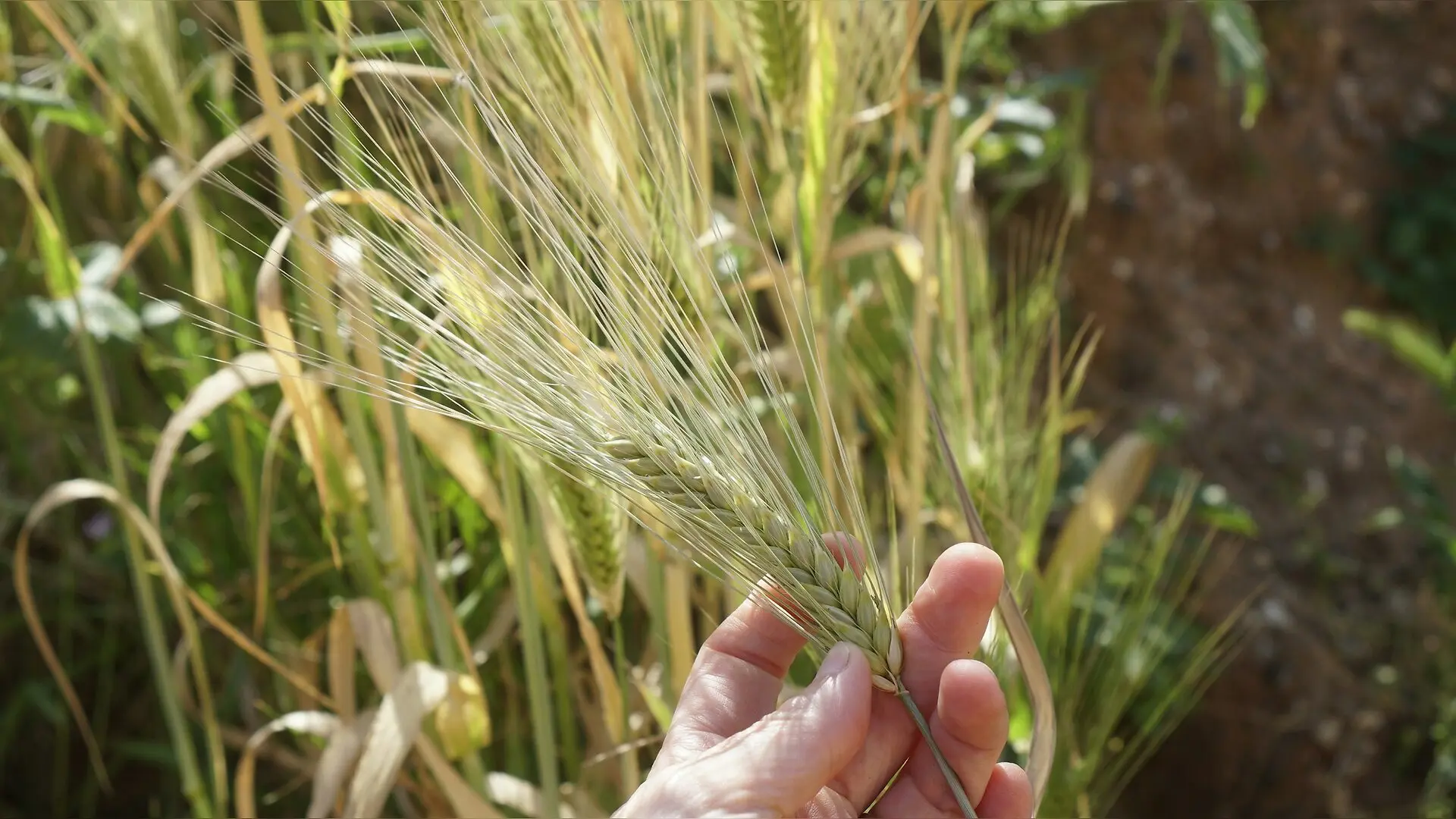
A sweeping genomic study of 222 lines of Ethiopian naked barley reveals a remarkably rich reservoir of genetic diversity, showing that most variation is held within local populations rather than separated by geography.
By analyzing 8,072 high-density genetic markers across the crop’s seven chromosomes, researchers mapped the complex population structure of this traditional cereal. The work, published in PLOS One, sheds light on how centuries of farmer-mediated seed exchange and adaptation to rugged highland environments have shaped the genetic makeup of this vital food source.
Unlocking the Genetic Secrets of Hull-Less Barley
Naked barley, scientifically known as Hordeum vulgare L. var. nudum, is an ancient cereal distinguished by grains that lack a tightly adhering husk. This free-threshing trait makes processing much easier for direct human consumption, setting it apart from traditional hulled varieties. While global barley ranks fourth in total cereal production behind maize, wheat, and rice, naked barley serves as an essential subsistence crop in high-altitude regions.
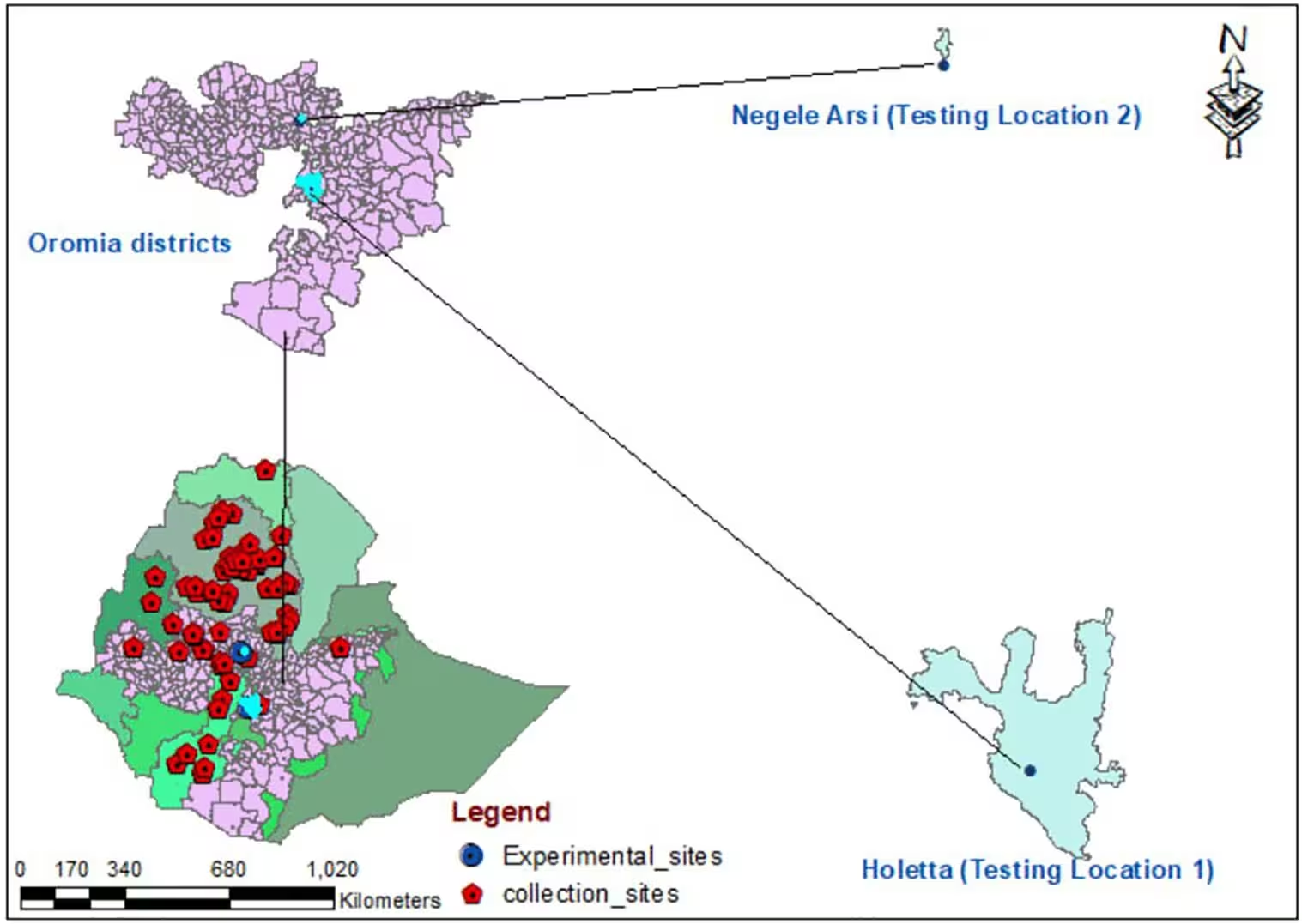
Ethiopia represents a major secondary center of diversity for the crop, where traditional landraces have adapted to heterogeneous microclimates marked by recurrent drought and soil degradation. To understand how this genetic variation is distributed, researchers examined 222 lines derived from 116 accessions supplied by the Ethiopian Biodiversity Institute. These lines spanned major agricultural zones across altitudes ranging from 1,000 to 3,360 meters above sea level.
How Genomic Markers Reveal Hidden Population Structure
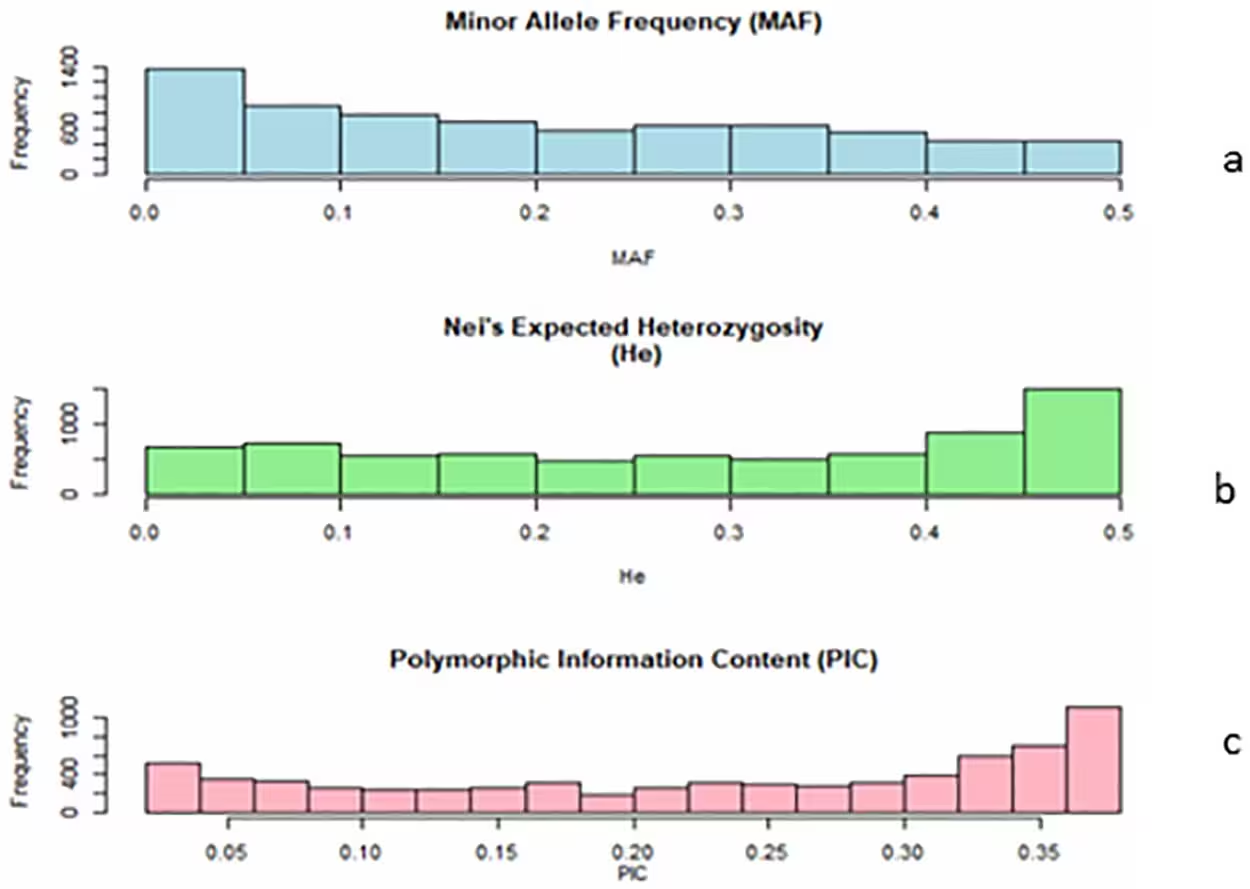
The research team used DArTseq technology to scan the barley genome, filtering the results down to 8,072 high-quality single-nucleotide polymorphism markers, which are individual DNA spelling variations. Marker distribution varied significantly across the genome, with chromosome 7H harboring the highest marker density at 2.10 markers per megabase, while chromosome 4H showed the lowest density.
Despite having fewer markers, chromosome 4H displayed the highest overall genetic diversity parameters, with an expected heterozygosity value of 0.307. In contrast, chromosome 3H consistently exhibited the lowest diversity metrics across the board. The analysis also identified a substantial fraction of unanchored genetic markers, highlighting genomic regions that remain absent from standard reference assemblies and pointing to unique structural variants within Ethiopian landraces.
Why Most Genetic Variation Resides Within Local Farms
To investigate how populations are structured, the authors applied multiple clustering algorithms, which consistently sorted the germplasm into eight distinct genetic groups. However, these genetic clusters did not map neatly onto the six predefined geographic regions, suggesting that physical origin is not the sole driver of population subdivision.
An Analysis of Molecular Variance revealed that 92 percent of the total genetic variation is distributed within local populations, while only 8 percent accounts for differences among regions. Observed heterozygosity remained low across all geographic groups, ranging from 0.029 to 0.036, alongside high inbreeding coefficients averaging above 0.80. These figures reflect the predominantly self-pollinating nature of the crop, which naturally drives high levels of genetic homozygosity.
The Role of Human Seed Exchange Across the Highlands
Testing for isolation by distance yielded a weak but statistically significant positive correlation between genetic and geographic distance, with a Mantel correlation coefficient of 0.264. This indicates that geographic separation accounts for only about 7 percent of total genetic variation, demonstrating that physical distance does not predominantly drive divergence in this germplasm.
The authors suggest that informal farmer seed exchange networks and historical germplasm movement continually mix alleles across regional boundaries. This active human-mediated connectivity helps maintain broad intra-population diversity even as local microclimates encourage specialized adaptation. The insights provide a valuable roadmap for breeding climate-resilient crop varieties and establishing mini-core collections to preserve this unique agricultural heritage.
The research was published in PLOS One on November 17, 2026.
This article has been fact checked for accuracy, with information verified against reputable sources. Learn more about us and our editorial process.
Last reviewed on .
Article history
- Latest version
Cite this page:
- Posted by Linda Wilson