Ancient DNA Reveals Giant Bird Thought Extinct for 150 Years Never Actually Disappeared
Scientists once thought this giant bird went extinct centuries ago, but ancient DNA reveals it may have survived, challenging how we classify lost species.
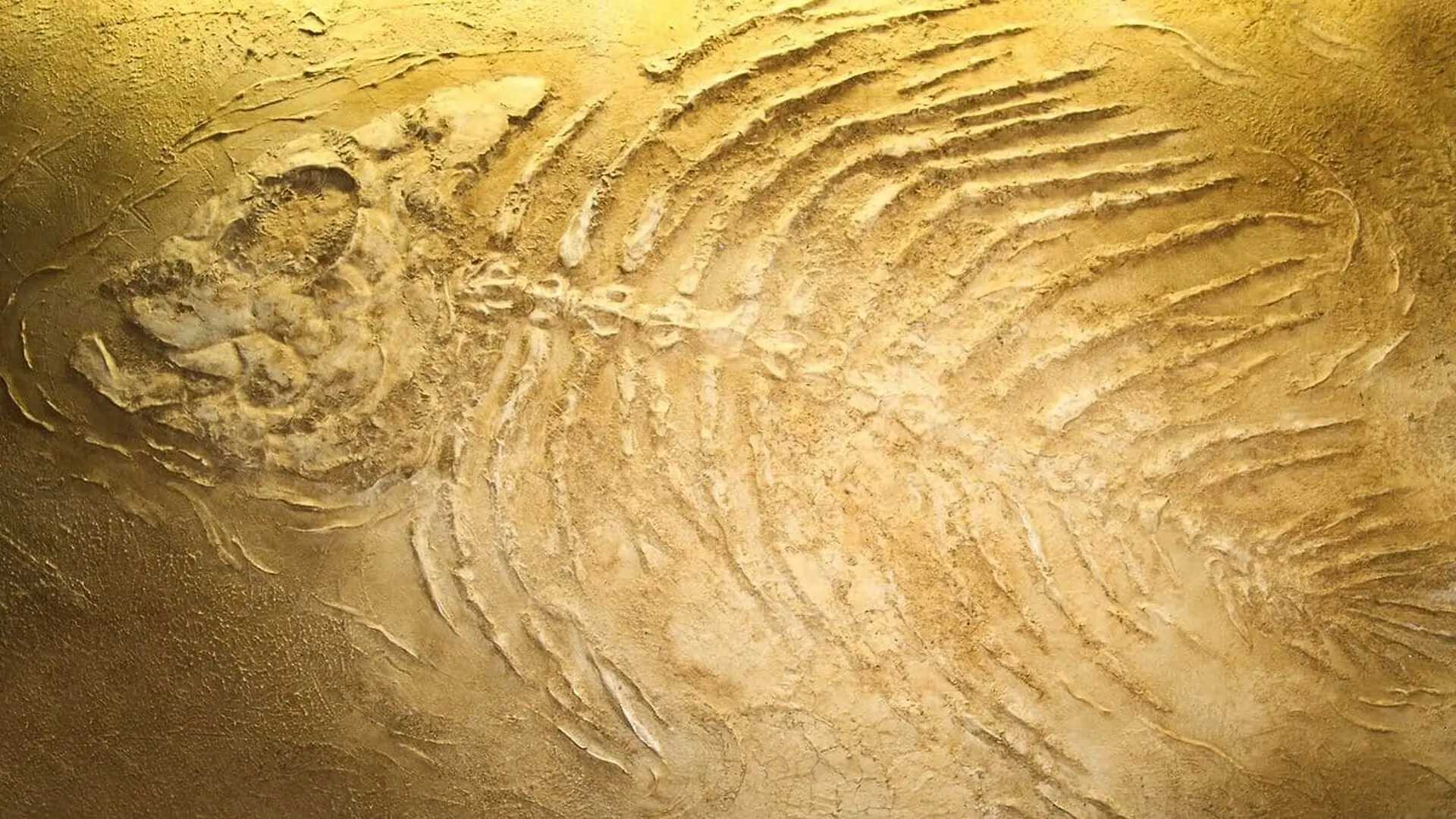
For more than 150 years, the scientific community operated under the assumption that a colossal species of crane had vanished following the end of the last Ice Age. However, a landmark genetic study led by Bournemouth University has overturned this long-standing narrative, revealing that the bird never actually went extinct. Instead, the fossils once attributed to a prehistoric giant are simply larger ancestors of the common crane (Grus grus), which remains a fixture of the European landscape today.
The confusion dates back to the 19th century, when biologists unearthed oversized crane remains in caves throughout southern France. At the time, the sheer scale of these bones led researchers to categorize them as a distinct, extinct species known as Grus primigenia. This classification persisted for generations, largely because historical researchers lacked the technological tools to test the genetic veracity of the claim.
By leveraging ancient DNA, researchers have now corrected this historical misidentification, raising broader questions about how many other avian species previously presumed extinct might simply be variations of contemporary animals.
Resolving a Century of Taxonomic Confusion
The initial classification was established by Alphonse Milne-Edwards, a prominent 19th-century French biologist who concluded that the fossilized bones represented a unique bird that had perished alongside other megafauna at the close of the Ice Age. To challenge this legacy, a research team headed by Dr. John Stewart, a professor of evolutionary paleoecology at Bournemouth University, performed a comprehensive analysis of 18 crane bones sourced from sites across England, Germany, France, Wales, and the Balearic Islands.
Collaborating with the Centre for Palaeogenetics in Stockholm, the team successfully sequenced the genetic material from these specimens. Their findings, published in Royal Society Open Science, demonstrate that the fossils are genetically identical to the modern common crane.
“Previous studies had merely used the size and shape of the bones to attempt to understand these large birds,” Stewart explained, according to Bournemouth University.
Addressing the Drivers of Morphological Change
The researchers posit that the misidentification was fueled by both natural biological variation and external environmental pressures. Common cranes exhibit significant sexual dimorphism, with males typically growing larger than females, a factor that likely led early researchers to misinterpret larger specimens as a different species entirely.
Yet, the mystery of why these ancient birds reached such impressive sizes remains. Dr. Stewart suggests that shifts in human land use and the degradation of wetland habitats—essential ecosystems for these birds—may have forced a reduction in body size over time. The team is currently investigating these environmental triggers to better understand how modern cranes have adapted compared to their Pleistocene counterparts.
Revisiting the History of Avian Extinctions
The revelation that Grus primigenia was never a lost species has profound implications for paleontology. Historically, researchers have relied heavily on skeletal morphology to define species boundaries. This study underscores the danger of that approach, suggesting that many birds long categorized as extinct may simply be prehistoric iterations of living lineages.
“While it is true that many species of birds are vulnerable to human actions today, it may be that we have overestimated the number of extinctions in the past,” Stewart said. “Some of these may instead represent size changes to living species.”
While the study utilizes modern ancient DNA techniques to debunk 150-year-old assumptions, it does not diminish the urgency of conservation for modern avian populations. It does, however, clarify the evolutionary history of the giant bird of the Ice Age, proving that its descendants continue to roam the skies of Europe today.
This article has been fact checked for accuracy, with information verified against reputable sources. Learn more about us and our editorial process.
Last reviewed on .
Article history
- Latest version
Reference(s)
- L. , R.. “Prof. A. Milne-Edwards - Nature.” Nature <https://www.nature.com/articles/062015a0>.
- <https://www.bournemouth.ac.uk/about/our-people/professor-john-stewart>.
- <https://royalsocietypublishing.org/rsos/article/13/10/260699/483927/Ancient-DNA-study-resolves-the-taxonomic-status-of?__cf_chl_rt_tk=TNkq5fLabt9NdC6Mwol5nQUzQZef36Jbya9SaQs71kY-1793730455-1.0.1.1-IULSAQWJHJ.GioU40oeqvLy2GXUjF_TK7HeC8WjDf8g>.
Cite this page:
- Posted by Linda Wilson