How Invisible Dirt Microbes Travel Up Through Crops to Shape Human Health
A comprehensive review reveals how agricultural soil metabolites flow through the food chain to influence human immunity and metabolism.
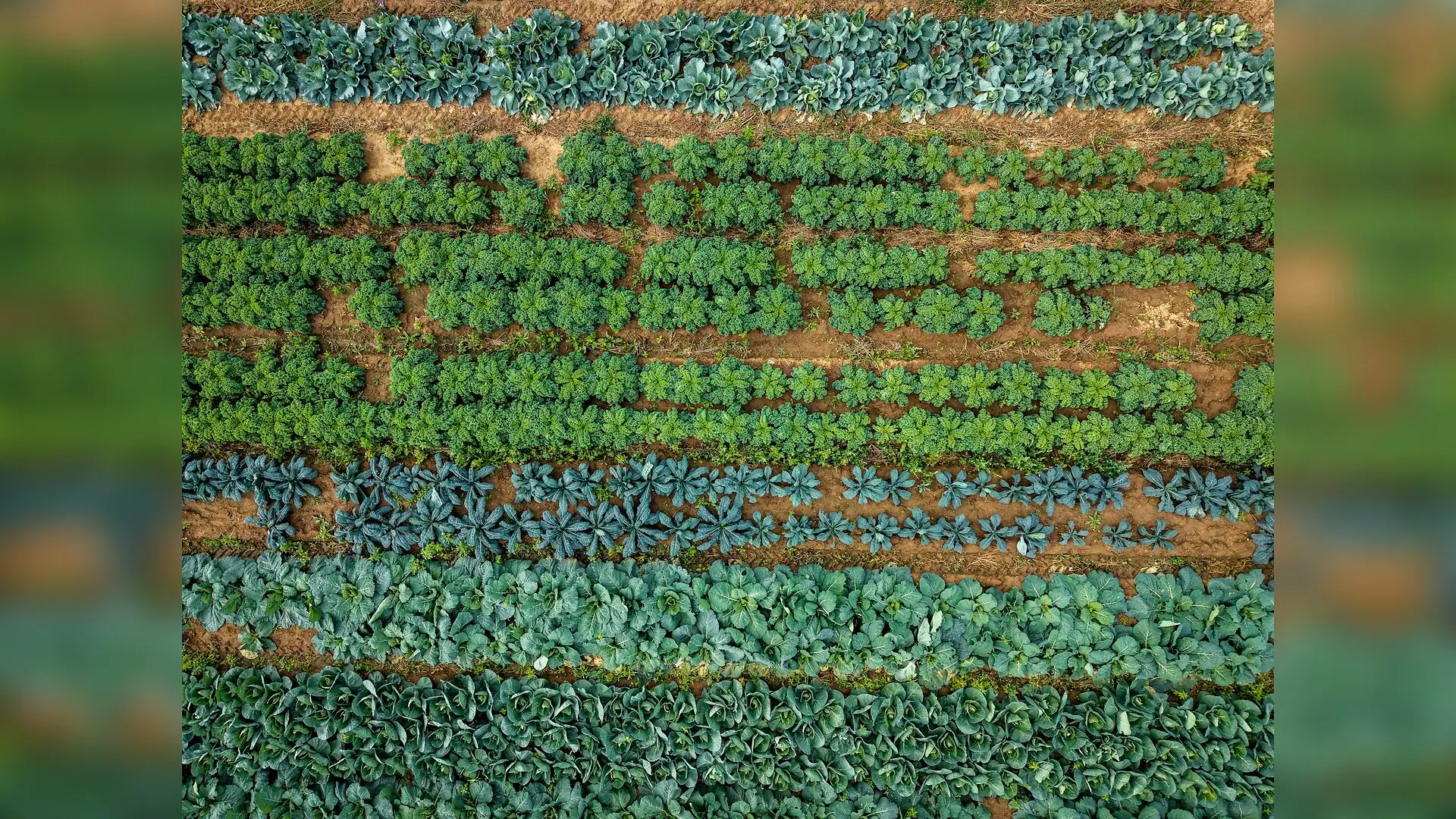
Invisible molecules generated by microscopic organisms in farm dirt travel upward through crops to influence human biology. These bioactive compounds act as chemical messengers connecting what happens in fields with what happens in our bodies, according to a recent review published in Open life sciences. Researchers examined how agricultural soils, plant roots, and human digestion form a single continuous pipeline for these metabolic products.
How Soil Microbes Build a Chemical Bridge to Human Biology
Soil microorganisms produce diverse compounds such as short-chain fatty acids, amino acid derivatives, and secondary metabolites that dictate soil fertility and plant vitality. When plants absorb these molecules, their internal chemistry shifts in ways that can ultimately reach the human food chain. These metabolites operate across different biological kingdoms, signaling immune cells and supporting tissue health in animals and people alike.
The rhizosphere, which is the narrow zone of soil directly influenced by root secretions, acts as the main trading floor for these interactions. Plant roots release targeted exudates that recruit specific beneficial bacteria, which in turn produce secondary metabolites and enhance nutrient availability. This bidirectional crosstalk shapes microbial community structures and helps crops absorb essential minerals more efficiently.
What Happens When Plant Foods Meet the Human Digestive Tract
Once agricultural products are harvested and consumed, their chemical cargo faces the rigors of human digestion. Processing methods such as heating or fermentation alter the stability of these microbial metabolites, while the gut environment determines how much of each compound actually enters the bloodstream. Small molecules like short-chain fatty acids pass quickly through the intestinal wall, whereas larger plant polyphenols require microbial breakdown before absorption.
Lipids in meals play a major role in this journey by forming microscopic structures called micelles that boost the solubility of hydrophobic compounds. For instance, specific dietary fats can increase the intestinal uptake of certain lipophilic molecules significantly. Once inside systemic circulation, these metabolites influence host physiology through immune modulation, receptor binding, and epigenetic regulation.
Why Statistical Correlations Fail to Prove Direct Biological Causation
Most existing investigations rely heavily on statistical associations between soil microbes and health indicators, leaving a critical gap in proving direct cause and effect. Environmental confounding factors and complex microbial redundancy mean that inhibiting a single metabolic pathway often triggers compensatory mechanisms. To overcome this limitation, scientists are turning to advanced tools such as stable isotope probing to track exact molecular journeys from soil to organism.
Cutting-edge technologies like organoid models and microfluidic chip systems now allow laboratories to simulate biomimetic interfaces of the gut and rhizosphere. These platforms help researchers visualize real-time trans-barrier transport and test how specific cell lines respond to microbial signals. By combining multi-omics data with machine learning, experts aim to predict how agricultural management choices translate into nutritional and health outcomes.
The research was published in Open life sciences on October 27, 2026.
This article has been fact checked for accuracy, with information verified against reputable sources. Learn more about us and our editorial process.
Last reviewed on .
Article history
- Latest version
Cite this page:
- Posted by Omar Mirza