Scientists Discover Rare New Species Hidden in a Remote Bermuda Cave
Please provide the text you would like me to rewrite.
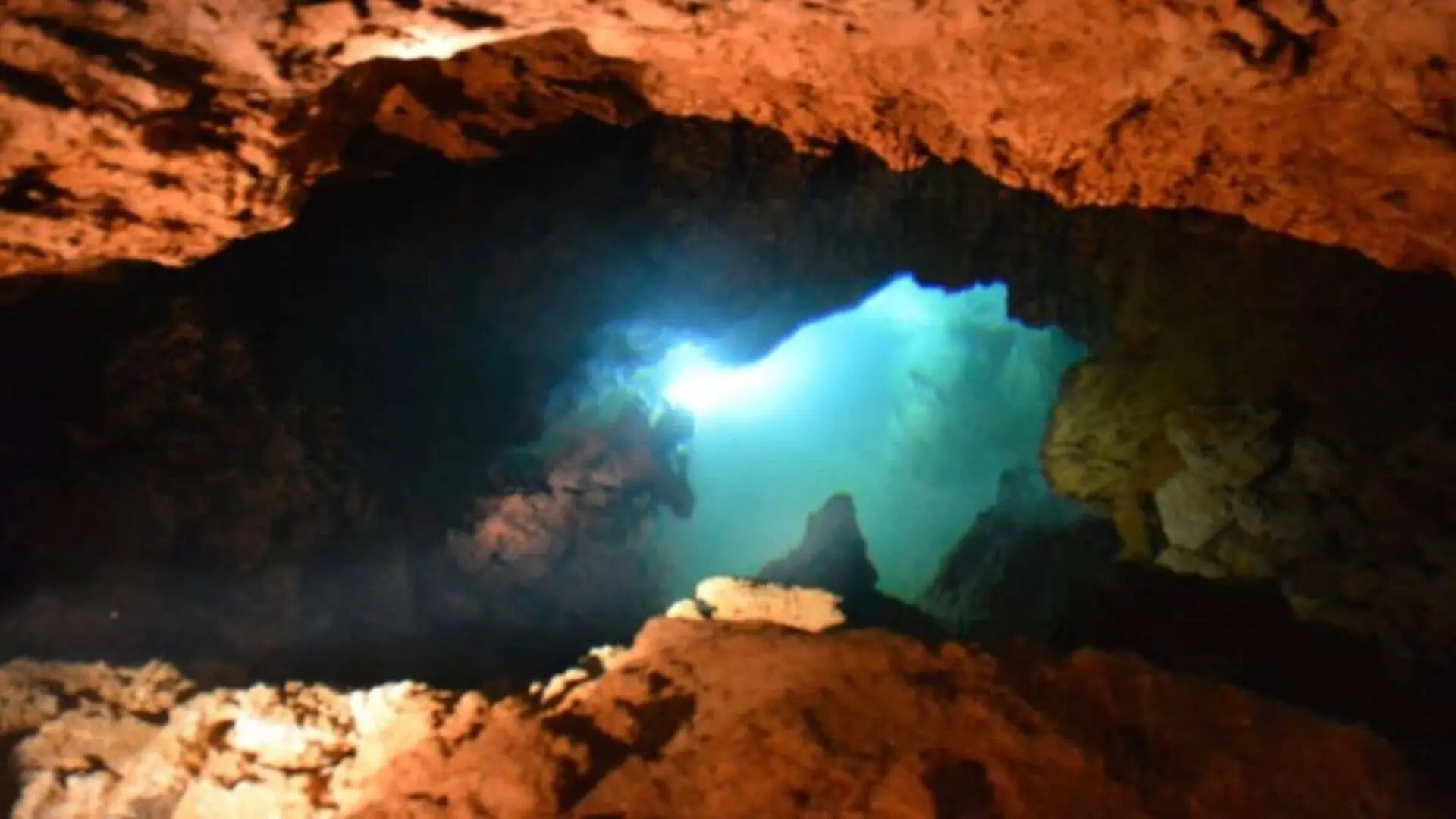
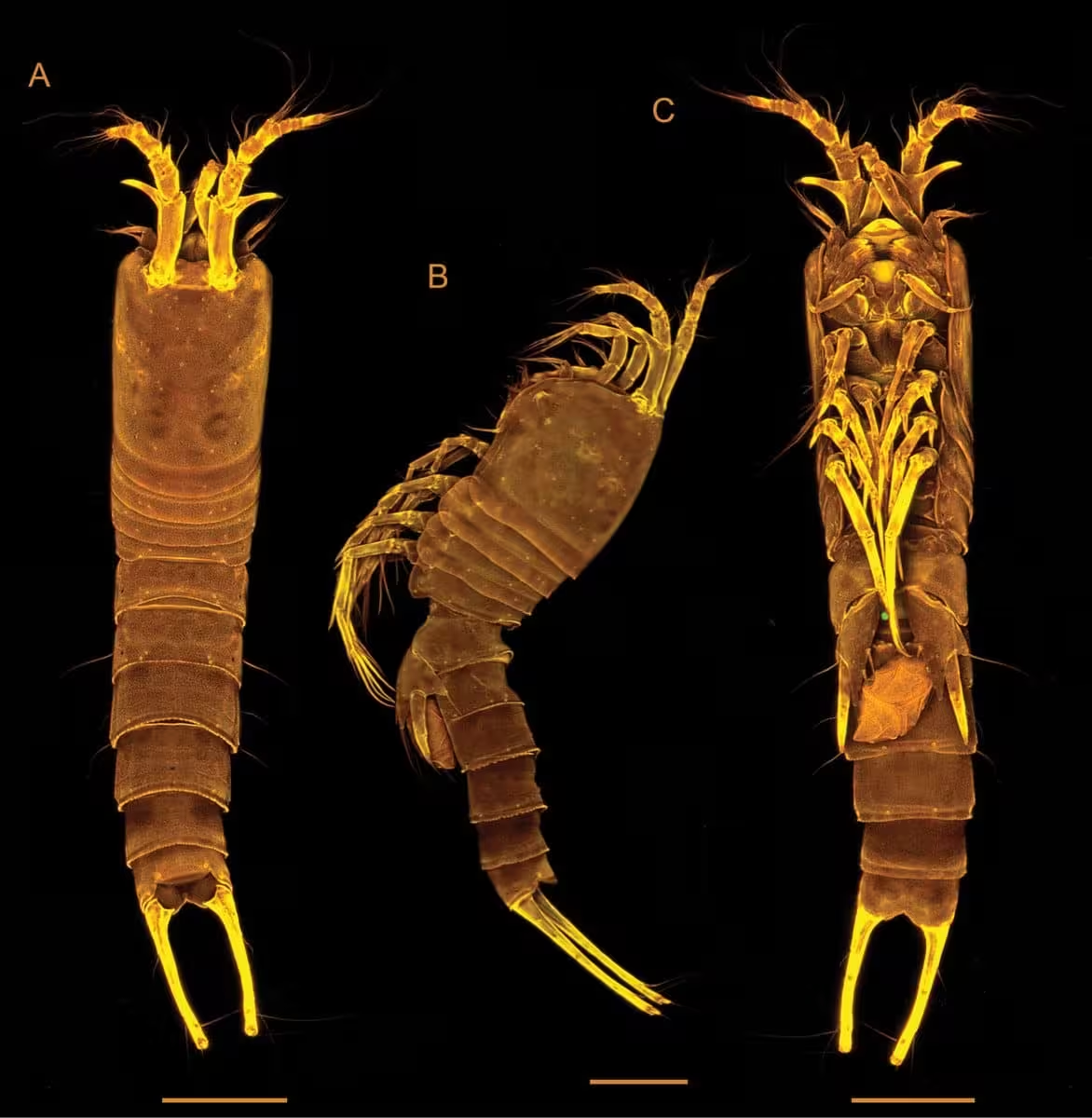
Marine biologists have officially identified a new crustacean species tucked away within the limestone depths of Bermuda, marking a significant milestone for cave-dwelling biodiversity. The tiny animal, named Tetragoniceps bermudensis, represents the first known subterranean member of its genus worldwide, highlighting the hidden biological treasures lingering beneath the island’s surface.
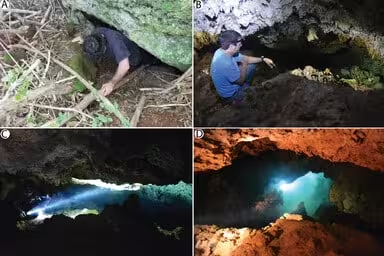
The discovery, detailed in the journal ZooKeys, is the culmination of years of rigorous analysis. While researchers first retrieved the specimen from the cramped confines of Roadside Cave in 2016, confirming its unique status as a new species required extensive study that spanned nearly a decade. The collaborative effort involved experts from the University of Cambridge, the Bermuda Institute of Ocean Sciences, and the Senckenberg am Meer German Centre for Marine Biodiversity Research.
A Rare Find in a Fragile Habitat
Copepods are ubiquitous in global aquatic environments, ranging from sunlit surface waters to deep-sea trenches. However, their presence in isolated, dark underground chambers remains a subject of intense scientific curiosity. Tetragoniceps bermudensis stands out as a particularly rare find; according to lead researcher Giovanni Mussini of the University of Cambridge, it is not only the first of its genus documented in Bermuda but also only the second cave-adapted species identified within the entire Tetragonicipitidae family.
The researchers believe this crustacean may be an evolutionary relic, an ancient lineage that has persisted in the stable, low-predation environment of the Walsingham cave system for ages. The discovery of a single female carrying eggs suggests a highly localized population, reinforcing the likelihood that the species is endemic to this specific geological formation.
Urgent Calls for Conservation
Despite its evolutionary significance, the habitat of T. bermudensis remains perilously vulnerable. Roadside Cave faces continuous pressure from human activity, including environmental contamination, waste dumping, and unauthorized access, all of which threaten to disrupt the delicate balance required for such highly specialized organisms to survive.
The scientific team is now advocating for stricter protection protocols and more robust enforcement of existing environmental regulations to safeguard the site. Mussini emphasizes that this discovery is a testament to how much of Earth’s biodiversity remains hidden in plain sight. “This finding from Roadside Cave adds to the great diversity of endemic crustaceans found in the island’s network of limestone caves,” he noted, adding that the species serves as a reminder that “there remains a cryptic diversity of cave-dwelling species still to be discovered even in a densely populated island like Bermuda, whose hidden, underground biodiversity is all too often overlooked.”
This article has been fact checked for accuracy, with information verified against reputable sources. Learn more about us and our editorial process.
Last reviewed on .
Article history
- Latest version
Reference(s)
- Mussini, Giovanni. “A new species of Tetragoniceps Brady, 1880 (Copepoda, Harpacticoida, Tetragonicipitidae) from an anchialine cave in Bermuda, with an updated key to the species of the genus.”, vol. 1239, May 20, 2025, pp. 1-19. Pensoft Publishers, doi: PropertyValue. <https://zookeys.pensoft.net/article/144436/>.
- “Giovanni Mussini.” University of Cambridge <https://www.cam.ac.uk/people/giovanni-mussini>.
Cite this page:
- Posted by Linda Wilson