How Artificial Intelligence Models Quietly Shape Human Decisions
Research explores the balance between human social constructs and machine learning models to prevent dangerous over-reliance on algorithms.
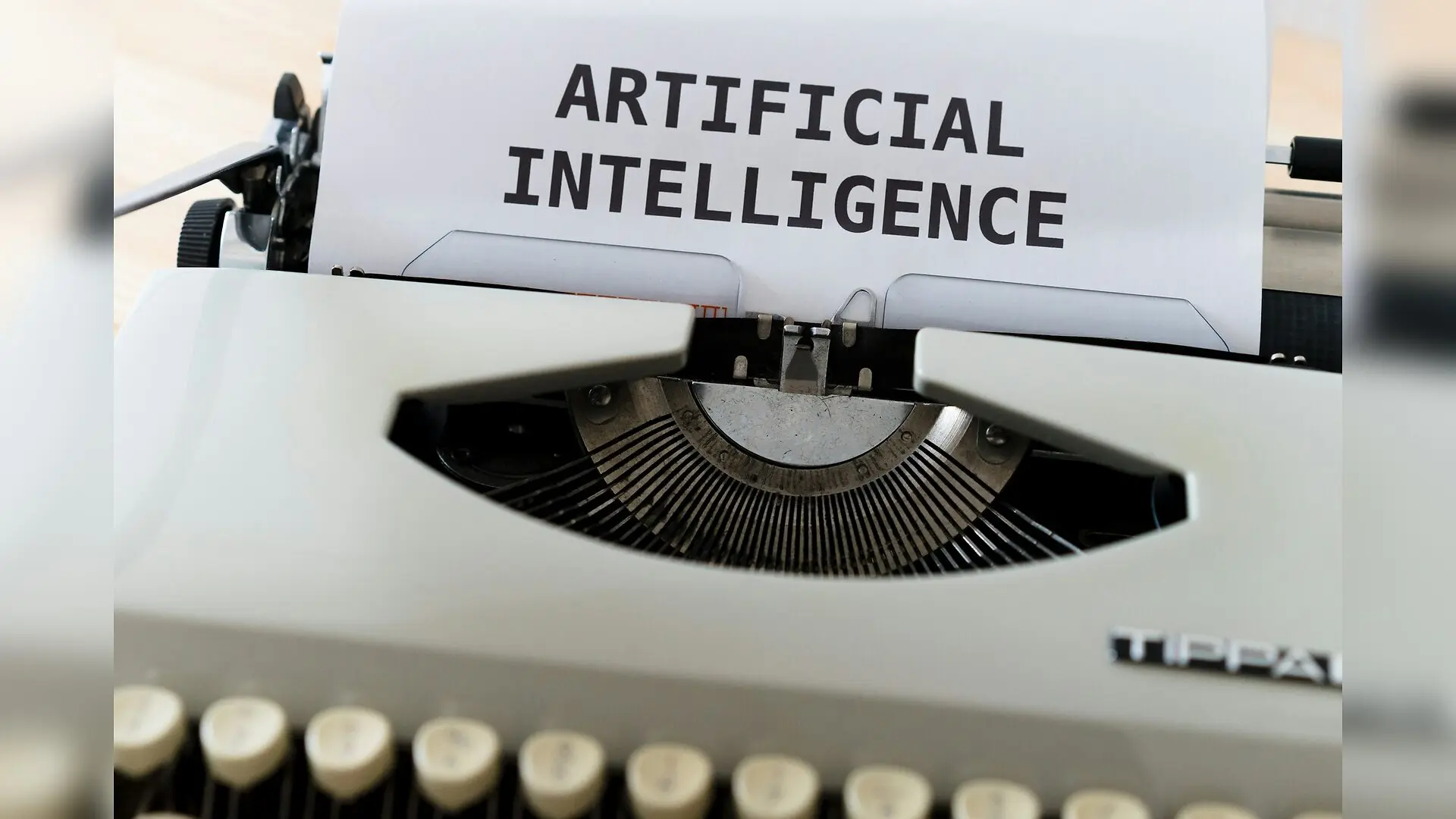
Decisions made by artificial intelligence systems can subtly alter human moral judgments and risk fostering unhealthy over-reliance, according to research exploring how society manages complex information. Millions of daily journeys rely on visual abstractions like the London Underground map, a classic example of how human designers balance practical comprehension with underlying geographical reality. As automated systems and machine learning models take on increasingly active roles in shaping digital and physical environments, researchers are examining how these computational tools compare to human social constructions. The comprehensive analysis is published in the volume Quality of Models for Man and Machine, outlining the theoretical foundations of modelling for both human communities and artificial agents.
How Abstraction Governs Modern Society
Human life is governed by socially constructed entities such as money, organizational structures, and legal arrangements that guide collaboration across time and space. When designers create visual models like transit maps, they deliberately abstract away unnecessary details to help users make rapid decisions. According to general model theory established by Stachowiak, models perform three essential functions, namely representation, simplification, and a pragmatic orientation toward a specific goal. This means a model is never a neutral reflection of reality, but a purposeful construction meant to achieve objectives beyond its own creation.
In organizational settings, knowledge evolves through a maturing process that begins with individual exploration and moves through community sharing, formalization, piloting, and institutionalization. Different types of models serve distinct roles along this temporal axis, ranging from past reference models to future prescriptive plans and simulation tools. Organizations utilize these frameworks for model mapping, sensemaking, communication, and quality assurance, ensuring that business processes align with broader strategic goals and regulatory requirements.
The Rising Power of Algorithmic Models
Unlike human models, which emerge from social construction and cognitive sensemaking, machine learning models are mathematical constructions that uncover statistical patterns from large datasets. These sub-symbolic systems rely heavily on training data quality, data distributions, and preprocessing pipelines designed to handle dimensionality, noise, and sparse features. While traditional statistics applies strict criteria like normal distribution assumptions and Bonferroni adjustments to evaluate significance, machine learning systems optimize for predictive accuracy across diverse data types such as text, images, and time-series.
However, the lack of transparent intent in purely statistical models creates significant challenges for human oversight. When artificial intelligence tools act as autonomous agents, they can exert what researchers describe as model power, leading vulnerable users to accept algorithmic outputs without critical evaluation. Studies cited by the author indicate that generative models can significantly shift human moral choices and induce automation bias, where human operators defer entirely to machine suggestions.
Integrating Symbolic and Sub-Symbolic Computing
To ensure that future technology serves human needs rather than dictating them, experts advocate for neuro-symbolic computing, which combines traditional symbolic logic with neural networks. This hybrid approach embeds explicit rules, physical laws, and ethical guardrails into machine learning architectures, improving transparency and explainability across technical, organizational, and societal levels. Maintaining human agency requires keeping people actively in the loop, ensuring that digital tools remain understandable instruments for sustainable societal development rather than opaque authorities.
The research was published in Quality of Models for Man and Machine on January 1, 2027.
This article has been fact checked for accuracy, with information verified against reputable sources. Learn more about us and our editorial process.
Last reviewed on .
Article history
- Latest version
Reference(s)
- Krogstie, John. “The Role of Abstractions for Humans and Machines.” Quality of Models for Man and Machine, November 1, 2026, pp. 1-64. Springer Nature Switzerland, doi: 10.1007/978-3-032-42129-6_1. <https://doi.org/10.1007/978-3-032-42129-6_1>.
Cite this page:
- Posted by Rabia Shah