Over 80 Percent of Men With Chronic Obstructive Pulmonary Disease Experience Erectile Dysfunction
New research reveals that severe sexual health impairment in lung patients is driven by overall symptom burden and psychological distress rather than low testosterone alone.

Chronic obstructive pulmonary disease (COPD) strips away more than just the ability to breathe easily, as new clinical data reveals a staggering toll on male sexual health that routine medical appointments often overlook. A multicenter investigation published in the International Journal of Chronic Obstructive Pulmonary Disease shows that over 80 percent of men managing moderate-to-severe forms of the lung condition experience erectile dysfunction, with more than half classifying their condition as severe.
Led by researcher Ane Lopez-Gonzalez and colleagues across multiple medical centers in Spain, the observational study enrolled 55 male participants aged 40 to 75 years to explore how systemic illness impacts intimate function. Among the 44 patients who completed detailed andrological questionnaires, 81.8 percent reported erectile dysfunction affecting every measured domain of sexual well-being, from physical performance to overall satisfaction. Furthermore, 70.5 percent met biochemical thresholds for low testosterone, though hormone levels surprisingly did not dictate the severity of sexual impairment.
Why Lung Disease Impacts Intimacy Beyond Breathing
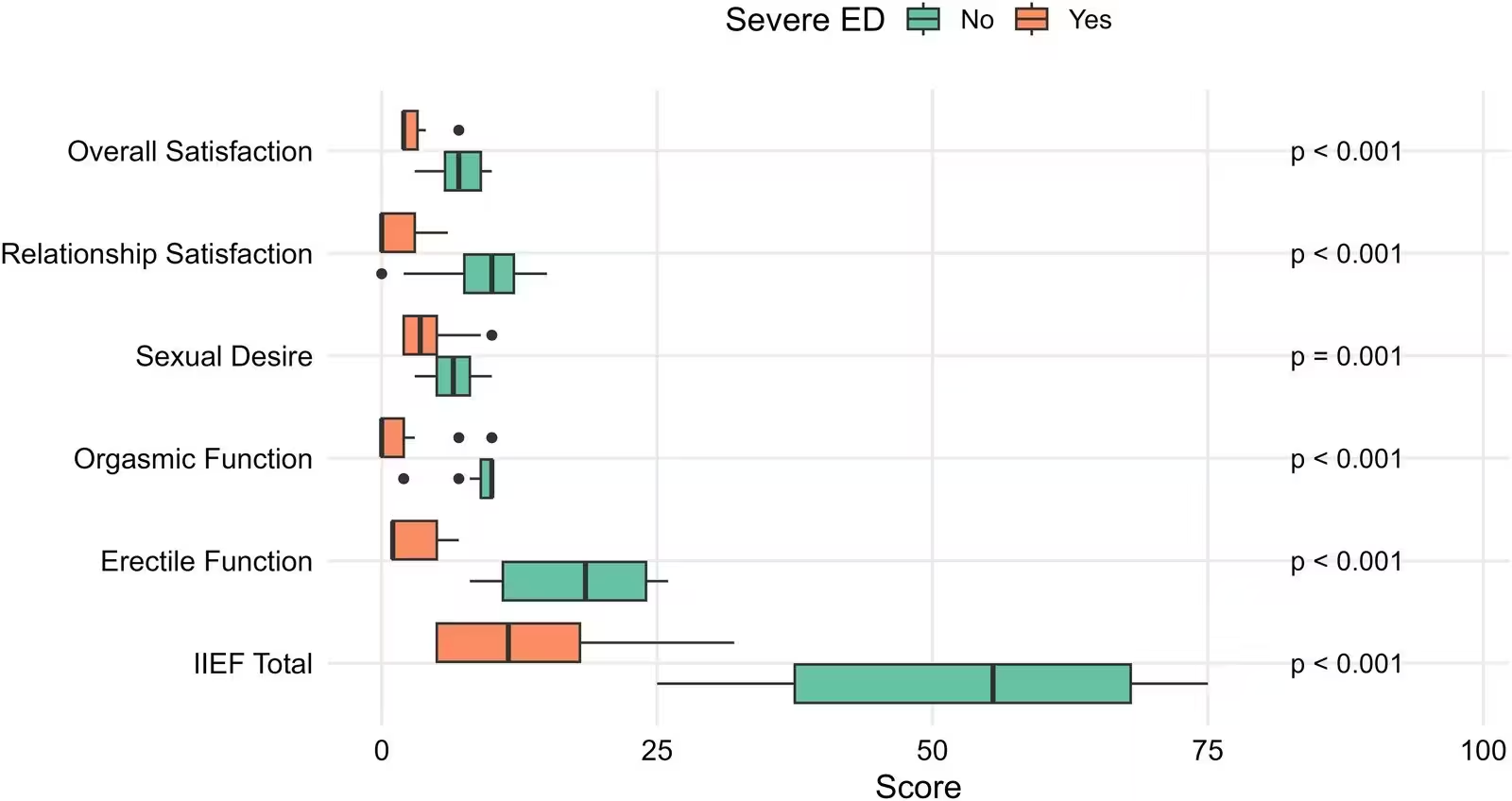
While researchers initially suspected that compromised lung capacity or depleted testosterone might be the primary drivers behind sexual dysfunction, the data pointed toward a broader systemic culprit. The severity of erectile difficulties did not correlate with standard pulmonary metrics like forced expiratory volume, which measures how much air a person can exhale in one second. Instead, severe sexual impairment tracked closely with overall symptom burden, mental health struggles, and overlapping chronic illnesses.
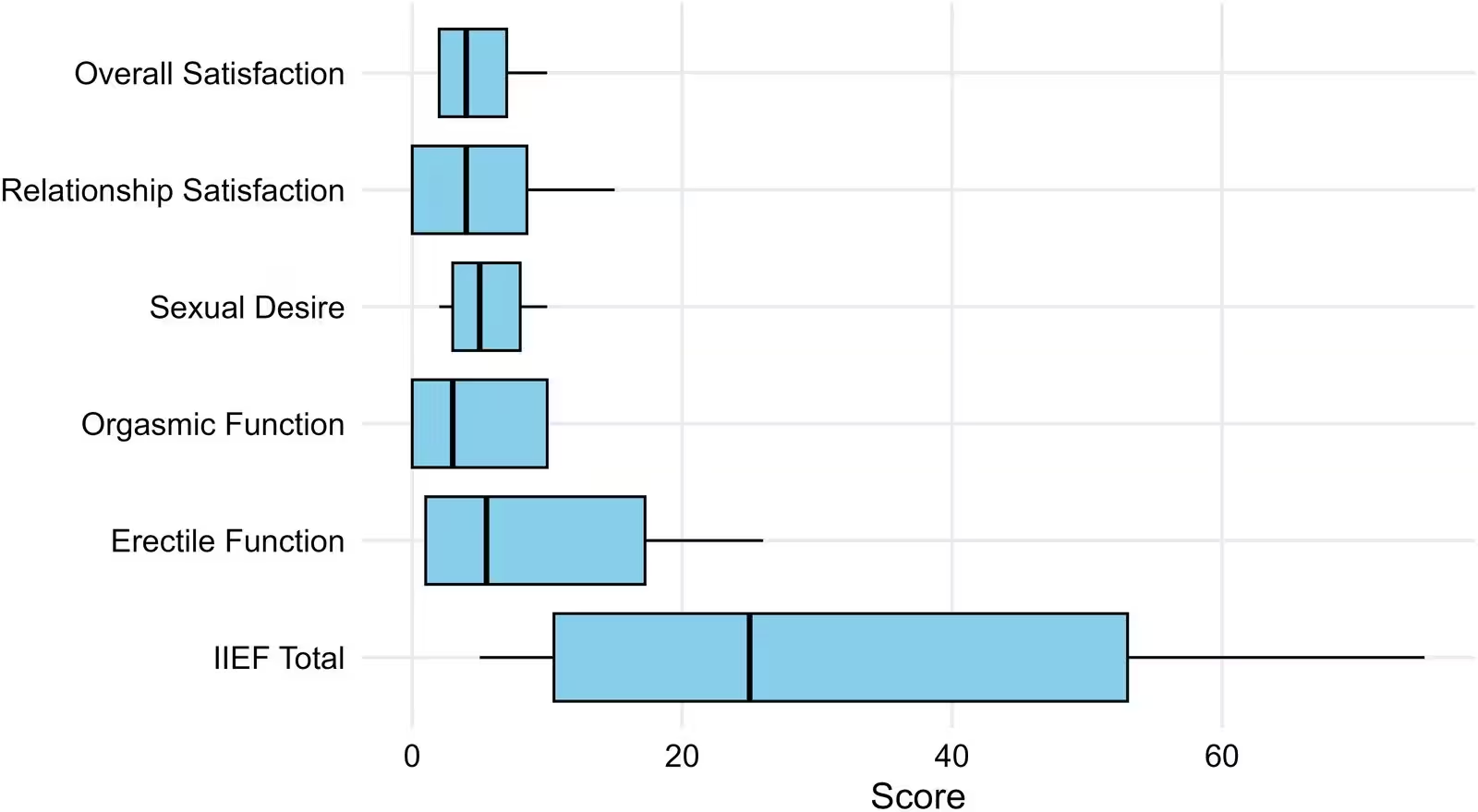
Patients battling severe erectile dysfunction reported higher rates of psychological distress, such as anxiety and depression, alongside a heavier burden of other medical conditions like cardiovascular disease and metabolic disorders. The findings suggest that chronic systemic inflammation and widespread vascular damage, both hallmarks of advanced chronic obstructive pulmonary disease, take a heavy toll on tissues far beyond the lungs.
How Routine Medical Questionnaires Reveal Hidden Risks
To help physicians spot patients most vulnerable to severe intimacy issues without requiring expensive hormonal workups, the team developed a predictive mathematical model based on everyday clinical tools. The evaluation relies on three standard assessments already common in respiratory care clinics, including the COPD Assessment Test that measures daily symptom impact, the Hospital Anxiety and Depression Scale, and the Charlson Comorbidity Index for chronic disease tracking.
According to the statistical models, a patient with none of these risk factors faces a mere 4.8 percent probability of severe erectile dysfunction. However, that risk climbs dramatically when multiple factors overlap, reaching an estimated 91.2 percent probability for individuals carrying a high symptom score, elevated psychological distress, and multiple chronic health conditions simultaneously.
Limitations and What Needs Verification Next
The authors emphasize that because the investigation used a cross-sectional design capturing a single snapshot in time, it cannot establish a direct cause-and-effect relationship between lung disease progression and sexual decline. The study cohort was also relatively small, and researchers excluded individuals with extremely severe disease or prior diagnoses of sexual disorders, meaning the findings cannot be generalized to every patient population.
Additionally, biochemical testosterone deficiency was assessed using a single morning blood draw rather than the repeated testing typically required for a formal clinical diagnosis of hypogonadism. Consequently, the team notes that their risk-stratification formula remains exploratory and requires external validation in larger, more diverse patient groups before doctors can rely on it for routine clinical decision-making.
The research was published in International journal of chronic obstructive pulmonary disease on November 10, 2026.
This article has been fact checked for accuracy, with information verified against reputable sources. Learn more about us and our editorial process.
Last reviewed on .
Article history
- Latest version
Reference(s)
- Lopez-Gonzalez, Ane., et al. “Erectile Dysfunction and Low Testosterone Concentrations in Men with COPD: Prevalence, Clinical Correlates and Predictors Using Routine Clinical Indices.” International Journal of Chronic Obstructive Pulmonary Disease, vol. Volume 21, November 1, 2026, pp. 1-19. Informa UK Limited, doi: 10.2147/COPD.S651721. <https://doi.org/10.2147/COPD.S651721>.
Cite this page:
- Posted by Hassan Raza