Scientists Just Discovered The Fastest Spider On Earth And Its Speed Is Record Breaking
Researchers analyzed hundreds of spider species to find nature’s fastest movers, only to discover a record-breaking surprise hidden in the Australian outback.
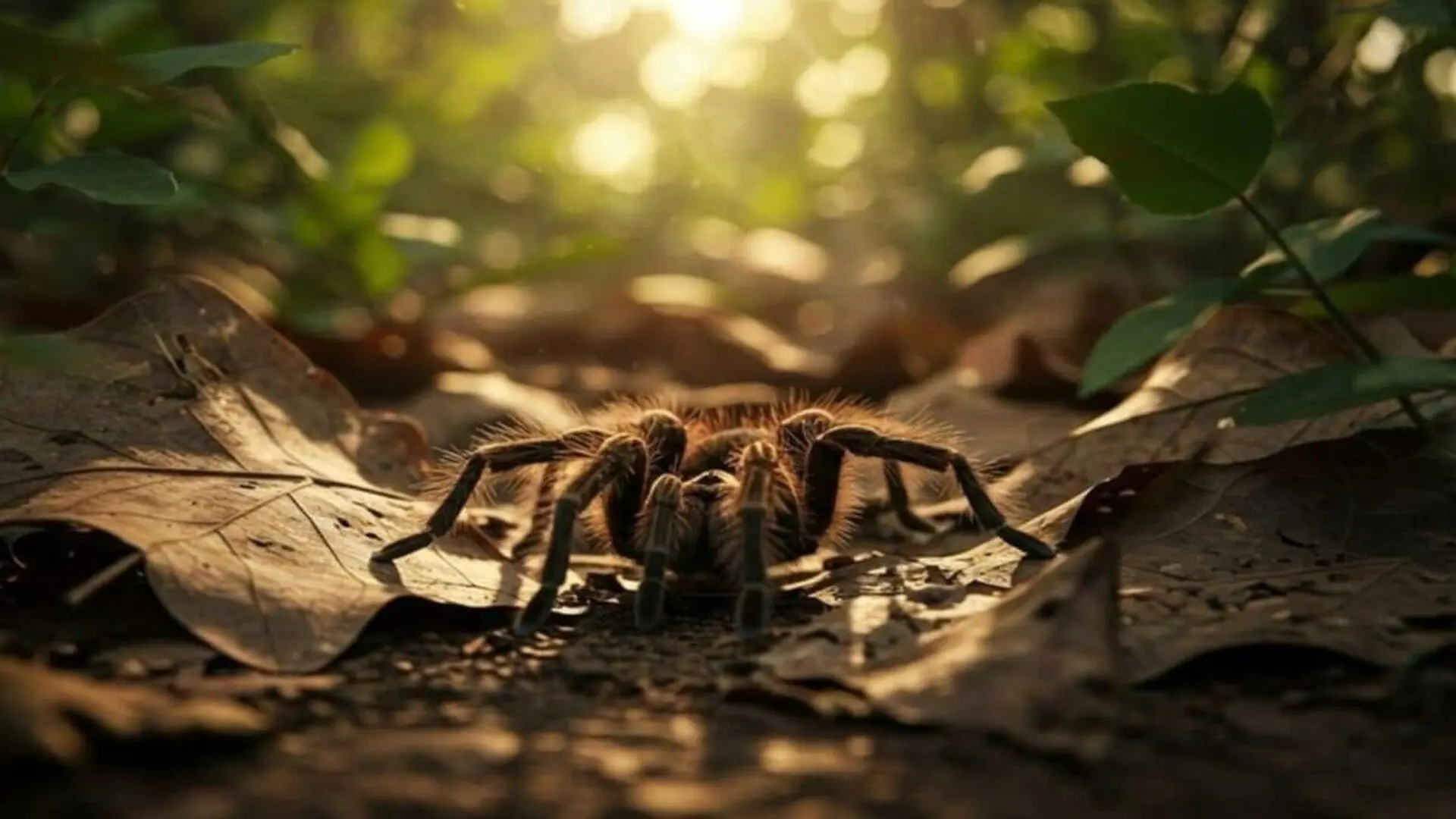
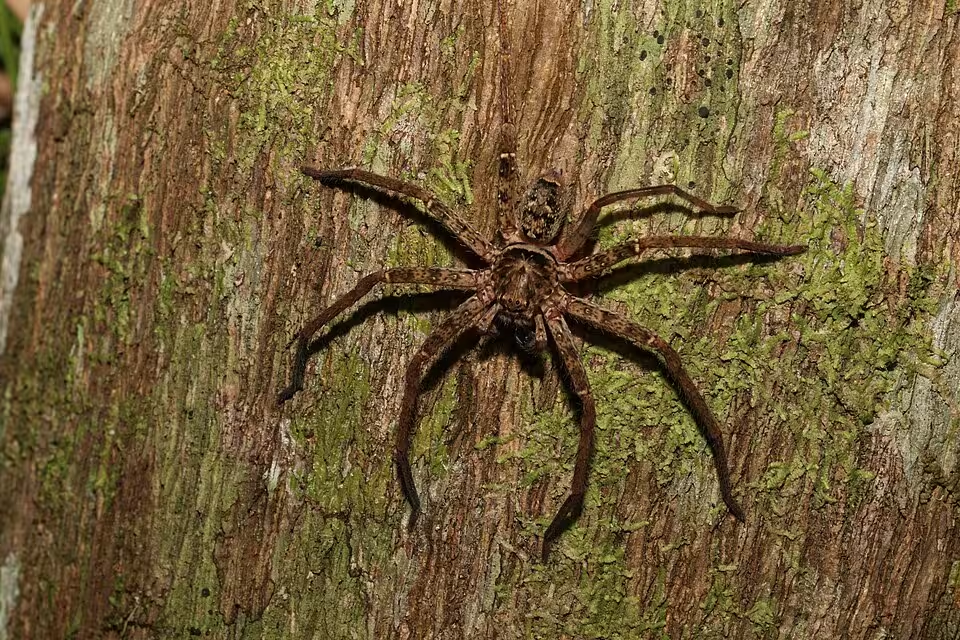
A newfound record-holder has emerged from the forests of Queensland, Australia, claiming the title of the fastest spider ever documented. The jungle huntsman, scientifically known as Heteropoda jugulans, has been clocked at an astonishing top speed of 3.59 metres per second, effectively shattering previous benchmarks for arachnid locomotion.
This discovery stems from a comprehensive study conducted by researchers at Imperial College London, who set out to investigate the physiological mechanics that enable such extreme bursts of speed. While spiders are frequently perceived as stationary predators relying on patience, the study highlights a diverse range of active hunting strategies that require exceptional agility.
An Australian Huntsman Spider Takes The Speed Record
The performance of Heteropoda jugulans, which weighs approximately three grams, marks a significant leap in biological measurement. According to findings published on BioRxiv, the Australian hunter moves more than twice as fast as the previous record holder, the Moroccan desert spider Cebrennus rechenbergi, which had been measured at 1.7 metres per second. Unlike its Moroccan counterpart, which employs a unique rolling maneuver to traverse sandy terrain, the jungle huntsman relies on a sophisticated, high-velocity sprint using its eight elongated legs.
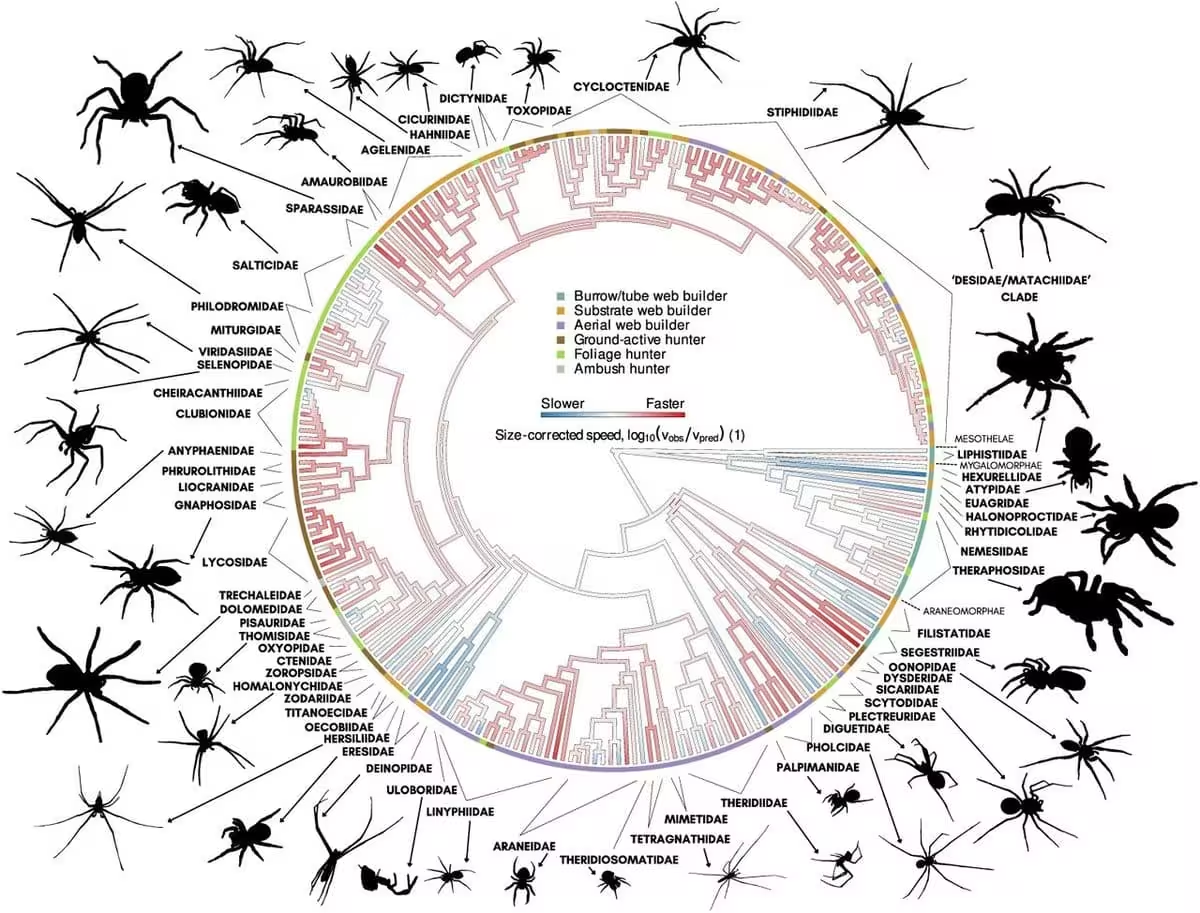
The study suggests that the jungle huntsman possesses a body architecture perfectly calibrated for rapid movement, balancing muscular force with a lightweight frame. This capability proves that extreme velocity in arachnids is not strictly a function of overall body mass but is instead deeply tied to structural efficiency.
258 Spiders Tested, One Became The Fastest
To establish a definitive understanding of spider locomotion, the research team, led by Shreyas Kuchibhotla, compiled data from 258 distinct species across 64 families. The dataset included 162 living specimens gathered from diverse regions, including the United Kingdom, North America, southern Europe, and Australia, supplemented by measurements from specialized institutional collections.
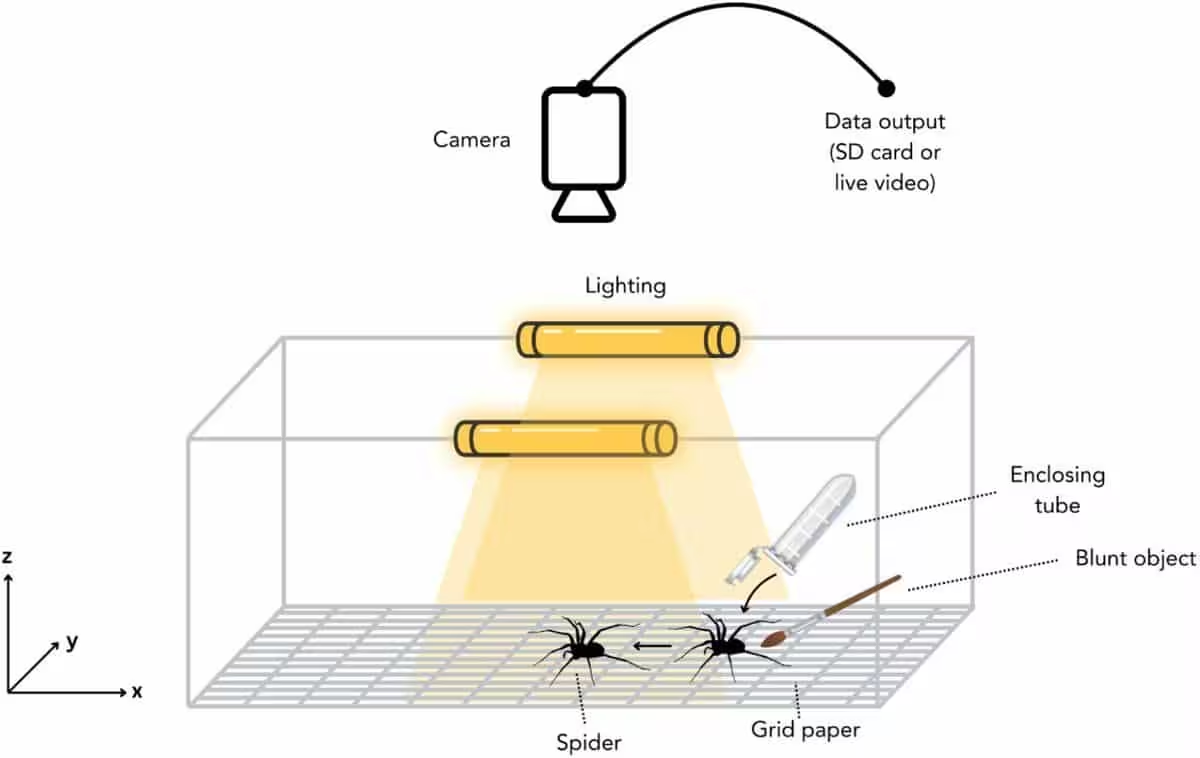
The methodology required precise observation. Each spider was placed on grid paper to track its velocity. While many species ran naturally, others required gentle intervention—using soft brushes for encouragement or short bursts of air for more sedentary mygalomorph species—to elicit their maximum potential speed.
Why Some Spiders Run Faster Than Others?
The analysis revealed that limb length is a critical predictor of speed, as longer legs allow for greater strides and enhanced running efficiency. However, the study also uncovered surprising agility in microscopic species; for instance, the orange goblin spider (Oonops pulcher), despite weighing a mere 0.1 milligrams, can sprint at speeds exceeding 20 centimetres per second.
Intriguingly, the data indicates that leg thickness and primary habitat, such as arboreal versus terrestrial environments, are not definitive drivers of speed. Ultimately, the researchers concluded that high-speed running is a specialized trait, as many other spiders have evolved to succeed through sedentary ambush strategies or web-building, where rapid locomotion is not a primary evolutionary requirement.
This article has been fact checked for accuracy, with information verified against reputable sources. Learn more about us and our editorial process.
Last reviewed on .
Article history
- Latest version
Reference(s)
- “Home.” Imperial College London <https://www.imperial.ac.uk/>.
- , doi: 10.64898/2026.06.11.731532v1. <https://www.biorxiv.org/content/10.64898/2026.06.11.731532v1>.
- “Shreyas Kuchibhotla.” <https://www.biology.ox.ac.uk/people/shreyas-kuchibhotla>.
Cite this page:
- Posted by Hassan Raza