Trees Have a Hidden Sense of Proprioception That Helps Them Correct Their Own Posture
Young poplar trees can correct their own bends using specialized wood that acts like a muscle, allowing them to sense and adjust their growth independently.
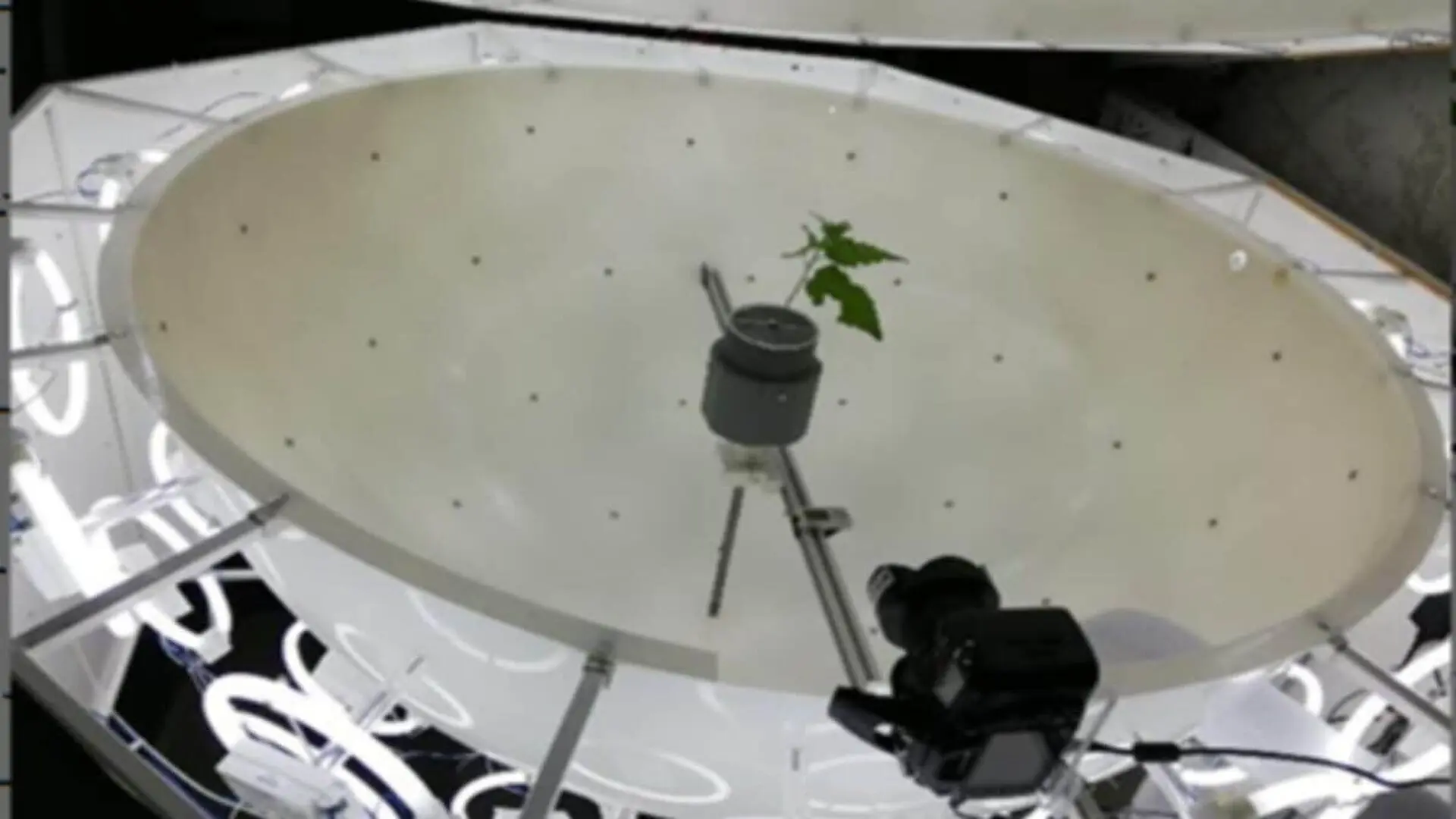
Trees possess a sophisticated internal feedback system that allows them to correct their posture independently of external environmental cues like gravity or light. A study published in New Phytologist reveals that trees utilize a form of proprioception, enabling them to monitor their own curvature and orchestrate growth to return to a vertical state.
Biological Feedback Loops and Structural Stability
For decades, the prevailing scientific understanding held that trees corrected their leaning stems primarily by reacting to gravitational forces. By producing specialized tissue known as tension wood on the upper side of a stem, a tree can generate the pulling force necessary to lift itself upright. However, this new research demonstrates that the process is far more nuanced, involving a continuous internal dialogue between the plant’s physical geometry and its growth mechanisms.
To test this, researchers conducted experiments with young poplar trees, subjecting them to artificial bending. After establishing a lean, the team placed the saplings inside a specialized rotating device, or clinostat, which effectively neutralized the influence of gravity and directional light. By isolating the plants from these traditional guidance cues, the scientists observed that the trees continued to straighten themselves solely by responding to their own internal sense of curvature.
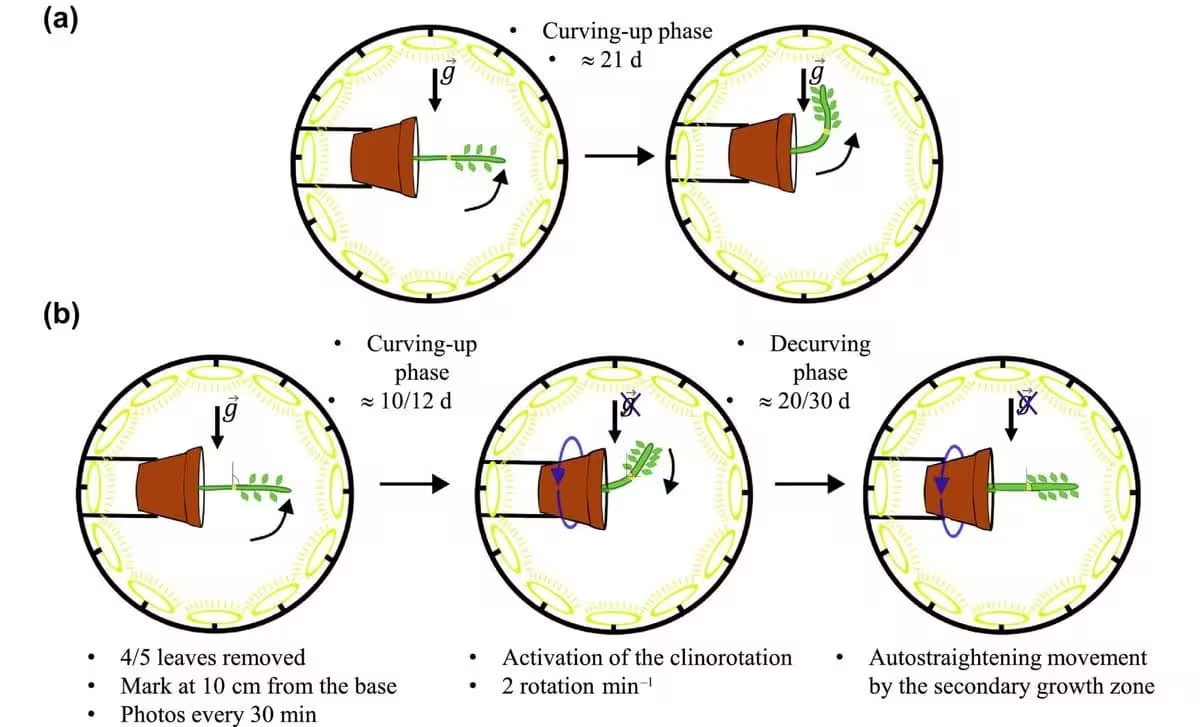
Dynamic Control of Tissue Formation
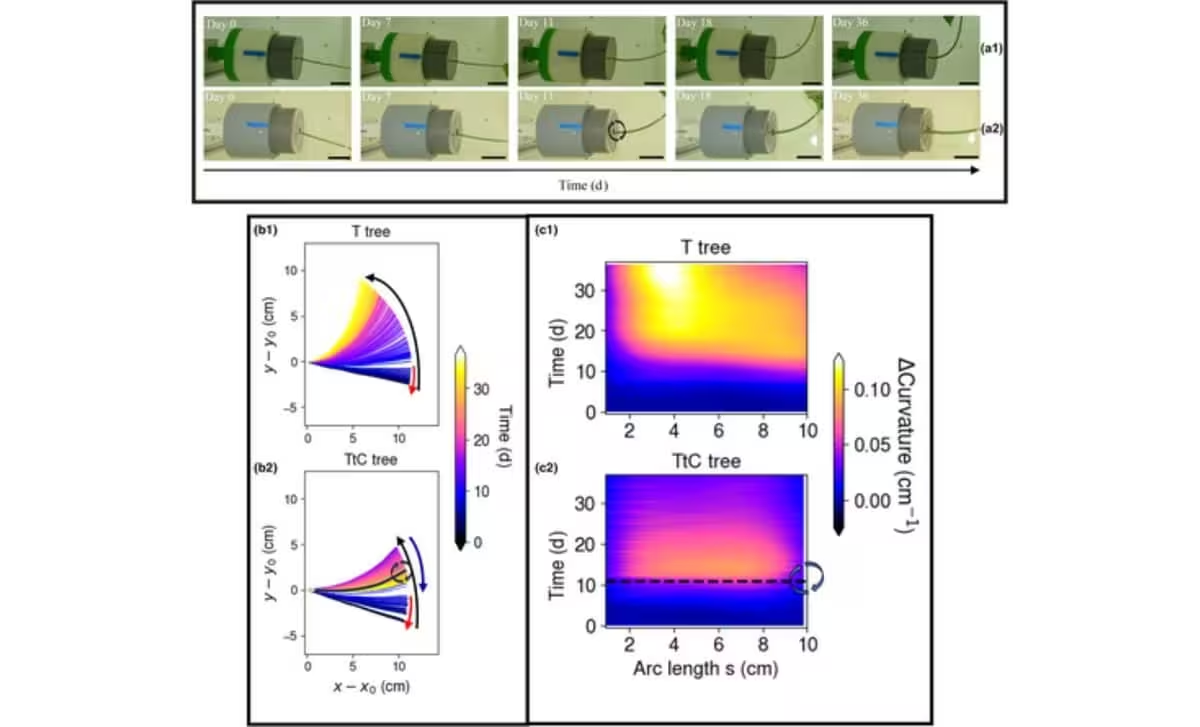
The researchers observed that the location of tension wood formation is not fixed. As the poplar stems began to straighten, the trees shifted the production of this specialized tissue to the opposite side of the stem, effectively generating a counteracting force that stabilized the growth. This finding suggests that tension wood acts like a dynamic muscle, capable of being deployed precisely where needed to refine the tree’s form.
This “sensorimotor loop” implies that plants possess a biological equivalent to proprioception, a concept historically reserved for animal physiology. While previous research, including foundational studies from 2012, established that plants use “graviproprioceptive” models to manage orientation, this latest work provides the first clear picture of how woody tissues directly facilitate these postural corrections.
Implications for Forestry and Beyond
By unraveling the mechanisms behind tree posture, scientists hope to better understand how woody plants endure extreme environmental stressors, such as storms or shifting soil. The interdisciplinary team, including researchers like Félix Hartman, emphasizes that these findings could extend beyond forest management, potentially informing studies on crop development and agricultural resilience where maintaining structural integrity is essential for productivity.
This article has been fact checked for accuracy, with information verified against reputable sources. Learn more about us and our editorial process.
Last reviewed on .
Article history
- Latest version
Reference(s)
- Caulus, Alexandre., et al. “Proprioception drives tension wood formation for autotropic straightening and postural control in trees.” New Phytologist, September 2, 2026 Wiley, doi: 10.1111/nph.71238. <https://nph.onlinelibrary.wiley.com/doi/10.1111/nph.71238>.
- Bastien, Renaud., et al. “Unifying model of shoot gravitropism reveals proprioception as a central feature of posture control in plants.” Proceedings of the National Academy of Sciences, vol. 110, no. 2, December 11, 2012, pp. 755-760. National Academy of Sciences, doi: 10.1073/pnas.1214301109. <https://www.pnas.org/doi/full/10.1073/pnas.1214301109>.
- “Dr. Félix Hartmann.”, July 2, 2016 Félix Hartmann Home page <https://www.felixhartmann.fr/en/>.
Cite this page:
- Posted by Hassan Raza