New Brain-Cleaning Discovery Could Change How We Fight Parkinson’s
Short, controlled bursts of carbon dioxide improved brain fluid flow in people with Parkinson’s disease, helping move toxic proteins out of the brain and into the bloodstream, where they can be measured.
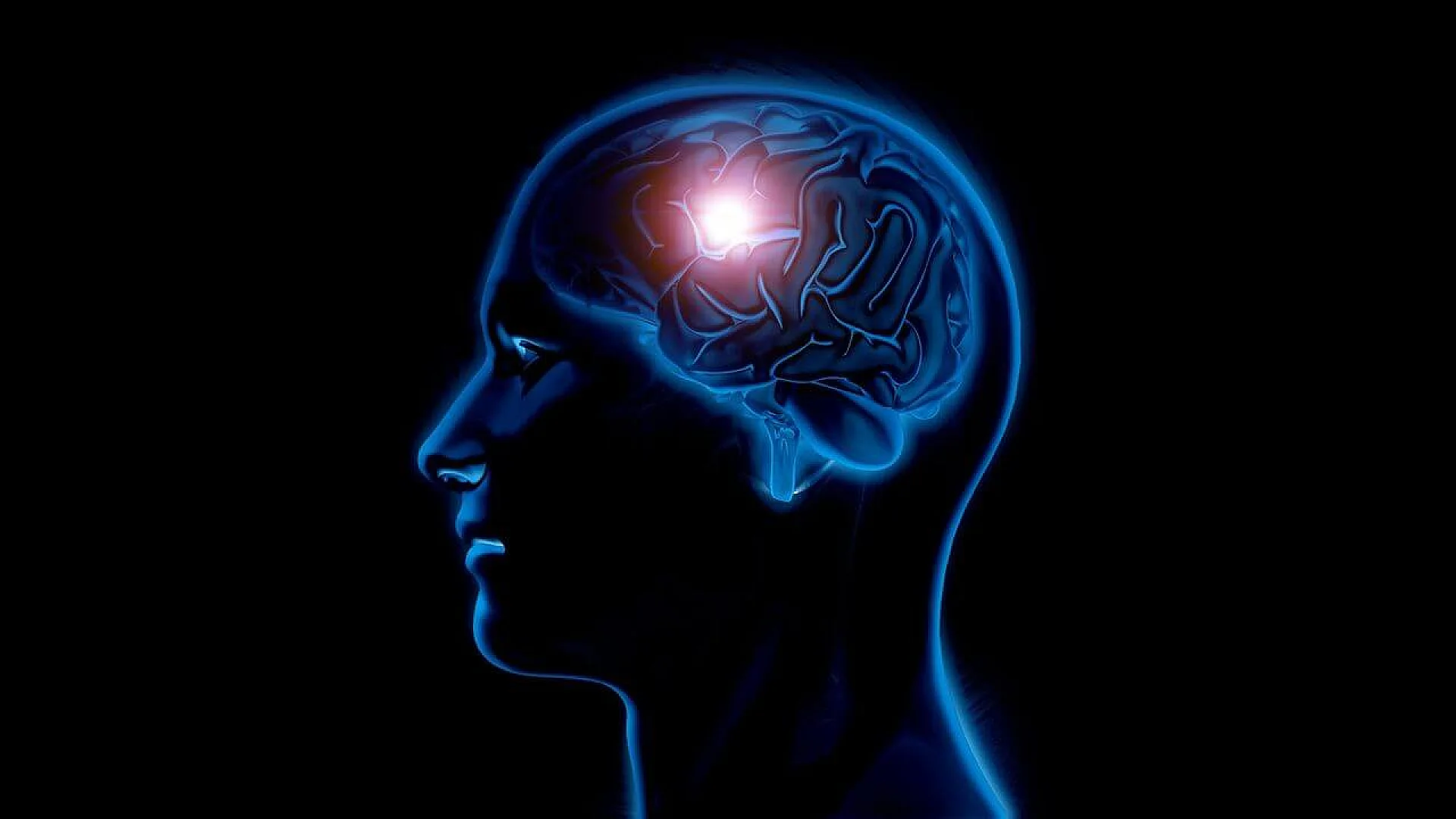
Parkinson’s disease is usually described as a movement disorder. Tremors, stiffness, and slowed movement are the signs most people recognize. But underneath those symptoms, something quieter is happening.
Inside the brain, damaged and misfolded proteins begin to pile up. One of the most important is alpha-synuclein, a protein that clumps together and interferes with how brain cells work.
For years, scientists focused mainly on how these proteins form. More recently, another question has become harder to ignore. What if the brain is also failing to clean them out?
Unlike the rest of the body, the brain does not have a traditional lymphatic system to remove waste. Instead, it relies on a fluid-based cleaning network called the glymphatic system.
This system uses cerebrospinal fluid, or CSF, to wash through brain tissue and carry waste proteins away. If that flow slows down, toxins can linger longer than they should.
A new study published in npj Parkinson’s Disease set out to test whether this clearance pathway is impaired in Parkinson’s disease and whether it can be temporarily activated using a simple physiological stimulus.
Why the glymphatic system is hard to study
Most of what scientists know about the glymphatic system comes from animal studies. In mice, the system becomes more active during deep sleep, when brain cells shrink slightly and make room for fluid to move.
In humans, studying this process is much harder. Injecting tracers into the brain is invasive and not practical for routine research. As a result, direct evidence of impaired brain clearance in Parkinson’s disease has been limited.
This is the gap the new study set out to address.
Instead of tracking waste directly, the researchers looked for a way to gently stimulate the brain’s fluid system and then measure how strongly it responds.
Carbon dioxide as a brain signal
Carbon dioxide is usually thought of as something the body needs to get rid of. But in the brain, it also acts as a powerful signal.
When carbon dioxide levels rise slightly, blood vessels in the brain widen. This increases blood flow and changes pressure in the spaces around those vessels.
These pressure changes help push cerebrospinal fluid into the brain. In simple terms, blood movement helps drive fluid movement.
The researchers used a method called intermittent hypercapnia. This involves breathing air with a slightly higher level of carbon dioxide for short periods, followed by normal air.
This technique has been used before to study blood vessel health. In this study, it became a tool to probe brain cleaning activity.
How the study was set up
The research included two linked experiments carried out between 2021 and 2025 at the Mind Research Network in New Mexico.
Participants were between 50 and 89 years old. Some had a confirmed diagnosis of Parkinson’s disease. Others were healthy adults with no neurological conditions.
The first study focused on how cerebrospinal fluid moved inside the brain during carbon dioxide exposure. The second looked at whether this stimulation caused brain-related proteins to appear in the blood.
Together, these experiments were designed to connect brain fluid flow with measurable signs of waste clearance.
Watching brain fluid move in real time
In the first study, participants lay inside an MRI scanner while breathing through a controlled air delivery system.
They received short bursts of carbon dioxide, each lasting about half a minute. Between bursts, they returned to normal breathing.
The scanner tracked blood flow changes and CSF movement at the same time. The researchers also measured end-tidal carbon dioxide, which reflects how much carbon dioxide reaches the brain.
Instead of asking whether waste was removed, the team measured how strongly CSF flow followed changes in carbon dioxide. A stronger response suggested a more active clearance system.
A clear difference in Parkinson’s disease
The results showed a consistent pattern.
People with Parkinson’s disease had a weaker cerebrospinal fluid response to carbon dioxide than healthy adults. The timing of the response was similar, but the strength was reduced.
This mattered because the CSF response closely followed changes in blood vessel behavior. In Parkinson’s disease, blood vessels were less responsive and less flexible.
When blood vessels fail to widen and contract normally, they generate less force to move fluid through the brain.
This connection offered a physical explanation for impaired brain cleanup in Parkinson’s disease.
Blood vessels as fluid pumps
Blood vessels in the brain are not static tubes. They naturally pulse and shift in size, even at rest. This motion, known as vasomotion, helps push cerebrospinal fluid along.
In healthy brains, vasomotion supports steady fluid exchange. In Parkinson’s disease, this rhythmic activity appears dampened.
The study showed that reduced vasomotion was closely tied to weaker CSF flow.
This suggests that vascular health is not just about delivering oxygen. It also plays a role in removing waste.
From fluid flow to blood biomarkers
The second study asked a different question. If carbon dioxide increases CSF movement, does that lead to detectable changes in the blood?
To test this, a smaller group of participants underwent longer carbon dioxide sessions, lasting about thirty minutes in total.
Blood samples were taken before the session and then at several time points afterward, up to two and a half hours later.
The researchers measured proteins linked to brain damage and neurodegeneration.
What changed in the blood
After the carbon dioxide exposure, levels of several brain-derived proteins increased in the blood.
These included neurofilament light chain, a marker of nerve cell damage, and glial fibrillary acidic protein, which reflects changes in supporting brain cells.
Increases were seen in both Parkinson’s patients and healthy adults, though patterns varied between individuals.
The timing of these changes matched the period when CSF flow was most active.
Why this likely reflects clearance
One concern was whether the proteins entered the blood because of leakage across the blood-brain barrier rather than active clearance.
The researchers considered this carefully. The carbon dioxide levels used were modest and did not reduce oxygen levels.
Blood-brain barrier disruption would also be expected to affect many proteins equally, which was not observed.
Instead, the strongest changes were seen in proteins known to come mainly from the brain, supporting the idea that enhanced clearance was responsible.
A connection to sleep
The glymphatic system works best during deep sleep. During these stages, brain activity slows, blood flow patterns change, and CSF movement increases.
Interestingly, the fluid dynamics seen during carbon dioxide exposure resembled some of the patterns observed during sleep.
This does not mean carbon dioxide replaces sleep. But it suggests that different physiological pathways can activate the same cleaning system.
It also helps explain why poor sleep is linked to faster progression in neurodegenerative diseases.
Safety and comfort
The study carefully monitored participants throughout the experiments.
Most people tolerated the carbon dioxide exposure well. Some experienced mild dizziness or discomfort, but these effects passed quickly.
Even older adults with Parkinson’s disease were able to complete the sessions safely.
This is important because it shows the method could be used in future research without excessive risk.
What the study does not claim
The researchers are clear about what this study does not show.
It does not prove that carbon dioxide exposure treats Parkinson’s disease. It does not show long-term benefits or symptom improvement.
The sample size, especially in the blood biomarker study, was small. Larger studies will be needed to confirm the findings.
Still, the work provides a valuable measurement tool.
A new way to study brain cleanup
For the first time, researchers have a noninvasive way to test glymphatic function in living humans.
By combining controlled breathing, brain imaging, and blood tests, they can observe how well the brain clears waste in real time.
This approach could be used to study aging, sleep disorders, vascular disease, and other neurological conditions.
It may also help explain why vascular health plays such a strong role in brain aging.
Why this matters beyond Parkinson’s disease
Many neurodegenerative diseases involve protein buildup. Alzheimer’s disease, for example, is linked to amyloid beta and tau accumulation.
If clearance systems fail across different conditions, improving fluid movement could become an important research focus.
This study does not offer solutions yet. But it shifts attention toward a process that has been difficult to measure until now.
A careful step forward
Rather than making bold claims, the study quietly changes how scientists think about brain waste removal.
It shows that clearance is active, measurable, and influenced by blood vessel behavior.
In Parkinson’s disease, this system appears weaker, not absent.
That insight alone opens new directions for research, grounded in observation rather than speculation.
The research was published in npj Parkinson’s Disease on November 21, 2025.
This content has been reviewed by subject-matter experts to ensure scientific accuracy. Learn more about us and our editorial process.
Last reviewed on .
Article history
- Latest version
Reference(s)
- Erhardt, Erik B.., et al. “The influence of intermittent hypercapnia on cerebrospinal fluid flow and clearance in Parkinson’s disease and healthy older adults.” npj Parkinson’s Disease, vol. 11, no. 1, 21 November 2025, doi: 10.1038/s41531-025-01179-6. <https://www.nature.com/articles/s41531-025-01179-6>.
Cite this page:
- Posted by David Anderson