Nipah Virus Cases in India Are Triggering Regional Alarms, Here’s What Scientists Know So Far
A small outbreak of Nipah virus in eastern India has prompted heightened surveillance across Asia, reviving concerns about a rare but highly lethal pathogen that continues to challenge public health systems.
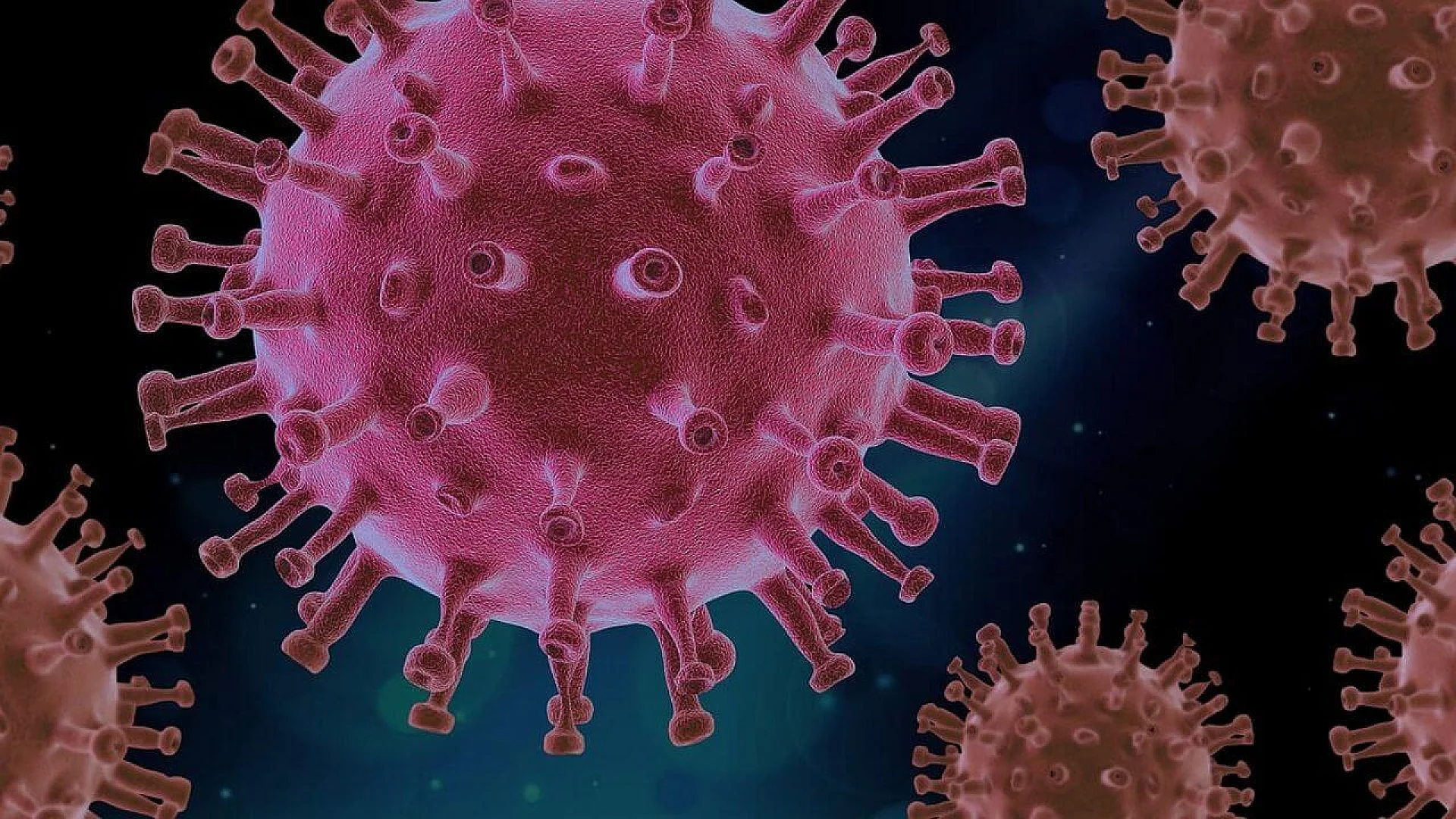
When two deaths linked to Nipah virus were reported in the Indian state of West Bengal, the numbers themselves did not suggest a major outbreak. But the response across Asia told a different story.
Countries including Thailand, Malaysia, and Singapore moved quickly to tighten screening and testing protocols, particularly for travelers. The reaction was not driven by panic, but by experience. Nipah virus is rare, yet when it does infect humans, it carries a grim reputation. Fatality rates in documented outbreaks have ranged from about 40 percent to as high as 75 percent.
That combination, low frequency but extreme severity, places Nipah in a category of pathogens that health authorities cannot afford to ignore. The virus does not spread easily between people, but when conditions align, its impact can be devastating.
To understand why these recent cases have drawn such attention, it helps to look closely at what Nipah virus is, how it behaves, and what scientists have learned from more than two decades of sporadic outbreaks.
What Exactly Is Nipah Virus?
Nipah virus belongs to a small but dangerous group of pathogens known as henipaviruses. Another member of this group, Hendra virus, is also notorious for causing severe disease after spilling over from animals into humans.
Henipaviruses are zoonotic, meaning they originate in animals and can jump into human populations. In the case of Nipah, fruit bats are the natural reservoir. These bats can carry the virus without appearing ill, allowing it to circulate silently in nature.
The virus was first identified during an outbreak in Malaysia in 1998. That initial episode provided a stark lesson in how animal and human health are tightly connected. Infected pigs acted as an intermediate host, amplifying the virus and facilitating its spread to farm workers. Since then, outbreaks have appeared periodically in parts of South and Southeast Asia, including Bangladesh and India.
Each outbreak has added to scientists’ understanding, but none has removed the underlying uncertainty that makes Nipah so concerning.
How Nipah Virus Spreads
One reason Nipah virus remains difficult to control is that it can reach humans through multiple pathways. Researchers generally recognize three main routes of transmission.
From Bats to Humans
The most direct route involves exposure to infected bats. Contact with bat saliva, urine, or feces can allow the virus to enter the human body. This can happen in subtle ways, particularly in rural settings where humans and wildlife often share space.
Through Contaminated Food
In several outbreaks, especially in Bangladesh, contaminated food has played a key role. Date palm sap and juice are commonly consumed in some regions. When bats feed on the sap, they can leave behind viral particles. Drinking these products without proper protection or processing has been linked to human infections.
This route of transmission highlights how cultural practices and local food systems can influence disease risk, even when no direct contact with animals occurs.
From Person to Person
Human-to-human transmission is possible, though it appears less efficient than the other routes. Close contact is usually required, such as caring for an infected family member or working in healthcare settings without adequate protective measures.
Transmission has been documented through exposure to bodily fluids, particularly in households and hospitals. While this form of spread is less common, it is closely monitored because changes in transmission dynamics could dramatically alter the public health risk.
Symptoms That Escalate Quickly
Nipah virus infections tend to progress fast. The incubation period, the time between infection and the onset of symptoms, usually ranges from four days to three weeks.
Early symptoms can be non-specific. Fever and general discomfort may resemble many other infections common in tropical regions. But the disease can escalate rapidly, and when it does, the consequences can be severe.
Respiratory and Neurological Damage
Nipah can cause pneumonia, leading to breathing difficulties similar to those seen in severe viral respiratory infections. However, what truly distinguishes Nipah is its effect on the brain.
The virus can cause encephalitis, an inflammation of brain tissue. This neurological involvement is the primary reason behind the virus’s high fatality rate.
Patients may experience seizures, severe headaches, loss of consciousness, and difficulty moving parts of the body. In some cases, behavioral and personality changes occur, including sudden confusion or psychosis. These symptoms reflect direct disruption of normal brain function.
A Rare and Disturbing Aftermath
One unusual feature of Nipah virus is what can happen long after apparent recovery. Some survivors of the initial infection have developed relapsed encephalitis years later, in rare cases more than a decade after the first illness.
This delayed recurrence is poorly understood and adds another layer of uncertainty for patients and clinicians alike. Few viral infections are known to behave this way, making Nipah especially troubling from a long-term health perspective.
Why the Fatality Rate Is So High
Unlike many common viral infections, Nipah virus attacks multiple critical systems at once. The combination of respiratory illness and brain inflammation creates a dangerous clinical picture.
There is also no specific, widely available antiviral treatment proven to stop the virus once infection takes hold. Supportive care can help manage symptoms, but it does not eliminate the underlying cause.
In regions where outbreaks typically occur, access to advanced intensive care may be limited, further increasing the risk of fatal outcomes. Even in well-resourced settings, treating severe viral encephalitis remains a major challenge.
Is There Any Treatment or Vaccine?
At present, there is no approved treatment or vaccine for Nipah virus. However, research is ongoing.
A Promising Experimental Therapy
In Australia, scientists have been developing a monoclonal antibody treatment known as m102.4. This therapy is designed to target the virus directly, neutralizing its ability to infect cells.
A phase 1 clinical trial published in 2020 tested the treatment in healthy volunteers. These early trials focus on safety rather than effectiveness, and the results were encouraging. A single dose was well tolerated, with no major safety concerns identified.
While this represents an important step forward, m102.4 is still far from being a routine treatment. Larger trials and real-world testing would be required before it could be widely deployed during outbreaks.
The Vaccine Gap
There is currently no licensed vaccine for Nipah virus. In theory, treatments like m102.4 could potentially be used preventively, but researchers stress that it is far too early to make such assumptions.
Developing vaccines for rare but deadly viruses presents unique challenges. Outbreaks are unpredictable, and the small number of cases makes large-scale trials difficult. Still, Nipah remains on the list of priority pathogens for global health organizations, precisely because of its potential impact.
How Worried Should the Public Be?
The recent outbreak in India is serious, but context matters.
Nipah virus does not spread easily from person to person, which sharply limits its ability to cause large-scale pandemics like COVID-19. Most transmission occurs through direct exposure to infected animals or contaminated food, not casual human contact.
For people living outside affected regions, the risk remains very low. Even within outbreak zones, the number of cases has been small, and public health authorities have responded with targeted control measures.
Travelers returning from areas where Nipah cases have been reported are advised to inform healthcare providers if they become unwell. However, doctors note that fever after travel is far more likely to be caused by infections such as malaria or typhoid than Nipah virus at this stage.
Why Health Authorities Take Nipah Seriously
Despite its limited spread, Nipah virus demands attention because it sits at the intersection of several global health concerns.
It is zoonotic, highlighting the risks that arise when human activity overlaps with wildlife habitats. It has a high fatality rate, making each case a medical emergency. And it lacks proven treatments or vaccines, leaving prevention as the primary defense.
Small outbreaks also offer critical opportunities for surveillance and learning. Each event helps scientists refine their understanding of how the virus behaves and how it might change in the future.
Why This Matters
Nipah virus is a reminder that global health threats do not always announce themselves with large numbers. Some of the most dangerous pathogens emerge quietly, in remote settings, before drawing international attention.
Monitoring these events, investing in research, and strengthening public health systems are essential steps in preventing rare outbreaks from becoming larger crises. The current situation in India underscores the importance of vigilance without alarmism.
Looking Ahead
For now, Nipah virus remains a closely watched but contained threat. Health authorities across Asia are responding based on lessons learned from past outbreaks, and researchers continue to push toward better treatments and preventive strategies.
As new viruses emerge and old ones resurface, Nipah stands as a case study in preparedness. It shows why global cooperation, early detection, and clear communication matter, even when the immediate risk to most people is low.
This article has been fact checked for accuracy, with information verified against reputable sources. Learn more about us and our editorial process.
Last reviewed on .
Article history
- Latest version
Cite this page:
- Posted by Sana Malik