Scientists Discover Why Elephant-Digested Coffee Is Less Bitter
Scientists studying Asian elephants have found that gut bacteria may quietly change coffee beans during digestion, helping explain why Black Ivory Coffee is less bitter and unusually mild.
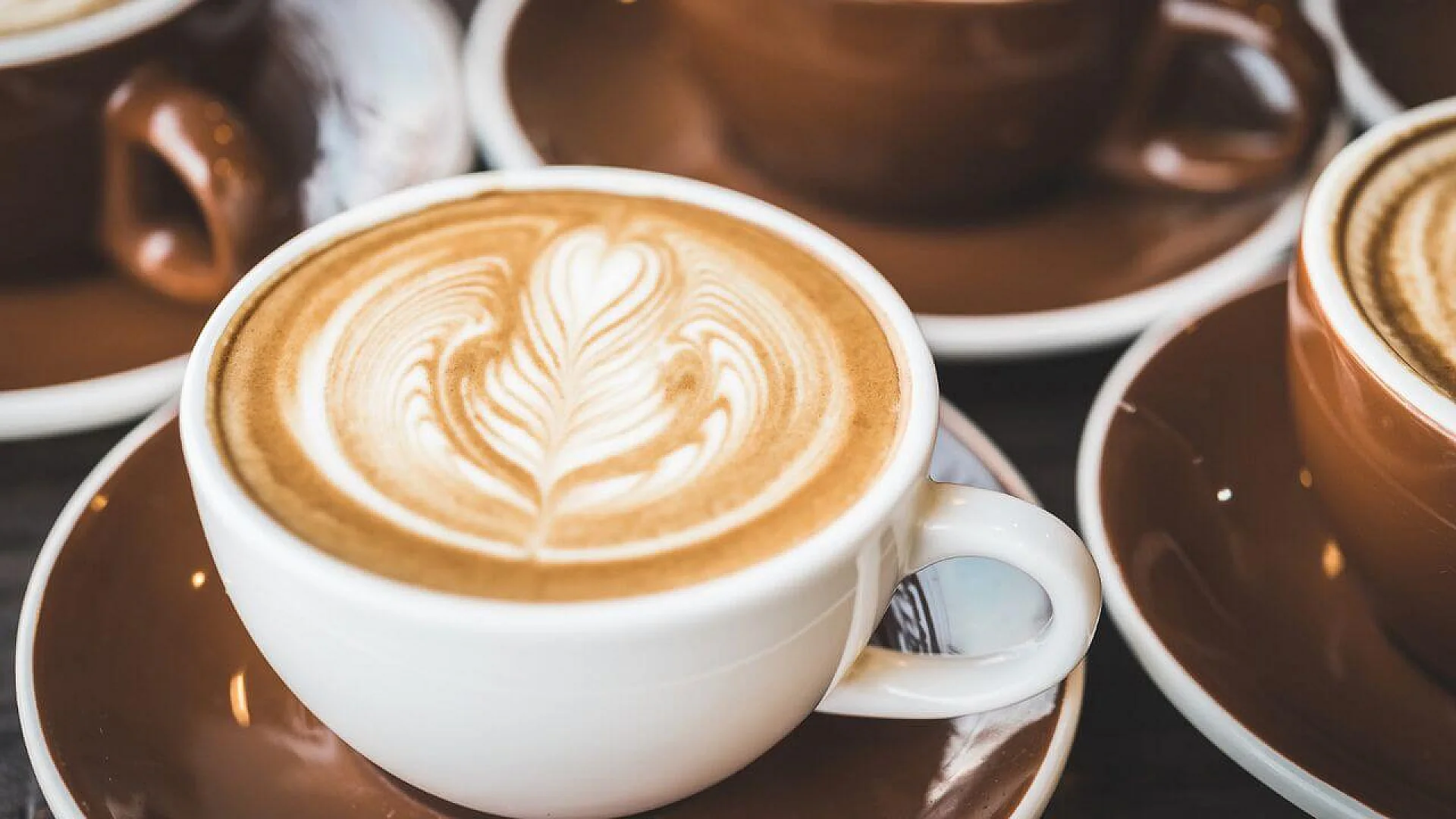
Most coffee gets its flavor from familiar steps like roasting, grinding, and brewing. But a small number of coffees begin their journey in a very different place.
Black Ivory Coffee is produced in northern Thailand, where Asian elephants eat ripe Arabica coffee cherries. The beans pass through the elephants’ digestive system, are later collected from dung, cleaned carefully, and then roasted. People who drink this coffee often describe it as smooth and mild, with much less bitterness than normal coffee. For years, that difference has been clear. The reason behind it has not been.
Earlier chemical studies showed that coffee beans change after passing through an elephant. Some bitter compounds decrease, while others linked to aroma also shift.
Still, it was not clear how these changes happen. Elephants do not chew the beans, and the beans themselves stay mostly intact. So what was doing the work?
A group of researchers suspected the answer might lie in the gut microbiome, the huge community of bacteria living inside the elephant digestive system.
The gut microbiome helps animals digest food, especially tough plant material. In large herbivores like elephants, microbes do much of the heavy work. To study this, researchers collected fecal samples from six Asian elephants living in Ban Ta Klang Elephant Village in Surin Province, Thailand. All samples were taken on the same morning in March 2018.
Three of the elephants had recently eaten coffee cherries as part of Black Ivory Coffee production. The other three had not eaten coffee and acted as a comparison group.
The team studied bacterial DNA using a method called 16S rRNA sequencing. This technique allows scientists to identify bacteria by reading a small but distinctive section of their genetic code.
After cleaning and analyzing the data, the researchers identified more than 200 different bacterial groups across all samples.
What stood out was not just which bacteria were present, but how their numbers changed when elephants ate coffee cherries.
Elephants that consumed coffee cherries had a more diverse gut microbiome. This means the bacterial population was more balanced, rather than dominated by a few types.
Statistical tests showed that the overall microbial community in coffee-eating elephants was clearly different from that of the control group.
In simple terms, coffee seemed to reshape the gut environment.
Some bacterial groups increased strongly in elephants that ate coffee cherries. One of these was Acinetobacter, a genus already known from coffee farms and coffee fermentation environments. It has been found on coffee beans and in processing facilities.
Other bacteria belonged to families known for breaking down plant fibers. These microbes were either rare or completely absent in elephants that had not eaten coffee.
This suggests that coffee cherries either introduce new microbes or encourage certain bacteria to grow inside the gut.
Coffee cherries contain large amounts of pectin and cellulose. These are complex carbohydrates that help give plants structure.
In coffee, pectin is important because it affects bitterness and how flavors develop during roasting. In traditional coffee processing, microbes often break down pectin during fermentation.
The researchers wanted to know whether elephant gut bacteria could perform a similar function.
Instead of measuring enzymes directly, the scientists used computer models to predict bacterial functions based on DNA data. The tool they used is called PICRUSt2.
This analysis showed that elephants who ate coffee cherries had more bacterial genes linked to pectin and cellulose breakdown.
These genes code for enzymes that cut large plant molecules into smaller pieces.
Breaking down pectin changes the chemistry of coffee beans before roasting even begins.
Previous studies found that Black Ivory Coffee contains lower levels of certain compounds formed during roasting. One example is 2-furfuryl furan, which is associated with bitterness. If gut bacteria reduce pectin before roasting, fewer bitter compounds may form later. This provides a biological explanation for the coffee’s smoother taste.
The study also found increased genes linked to cellulose digestion in coffee-eating elephants.
Cellulose is tough and forms plant cell walls. When microbes break it down, it can weaken the structure of the coffee cherry.
This may allow other chemical changes to happen more easily during digestion and later during roasting.
To understand how special this system might be, the researchers compared elephant gut bacteria with those of cows, pigs, and chickens using existing data.
Cows and pigs had some pectin-digesting abilities, but elephants stood out. Only elephant microbiomes consistently showed complete sets of genes needed for full pectin breakdown.
Chickens lacked many of these pathways entirely.
This fits with what is known about elephants. Their digestive systems are adapted for handling large amounts of fibrous plant material.
The researchers are careful not to overstate their findings. Only six elephants were included, and microbial functions were predicted rather than measured directly. The study also did not analyze coffee beans before and after digestion in the same experiment.
Still, the patterns were consistent and matched earlier chemical observations.
The study highlights how microbes can quietly shape food long before it reaches our plate.
In this case, elephants act as hosts, while bacteria do the real transformation. The animals themselves do not digest the beans, but their gut microbes do enough work to change flavor chemistry.
This helps explain why Black Ivory Coffee tastes different from conventionally processed coffee.
Understanding this process could matter beyond rare and expensive coffee. If scientists can identify the key enzymes involved, similar fermentation effects might be recreated without animals. This could help reduce bitterness or improve flavor using controlled microbial methods.
For now, the study offers a clearer picture of how biology, microbes, and diet come together to create one of the world’s most unusual coffees.
The research was published in Scientific Reports on November 18, 2025.
This article has been fact checked for accuracy, with information verified against reputable sources. Learn more about us and our editorial process.
Last reviewed on .
Article history
- Latest version
Reference(s)
- Chiba, Nodoka., et al. “Preliminary study of gut microbiome influence on Black Ivory Coffee fermentation in Asian elephants.” Scientific Reports, vol. 15, no. 1, 18 November 2025, doi: 10.1038/s41598-025-24196-0. <https://www.nature.com/articles/s41598-025-24196-0>.
Cite this page:
- Posted by Elizabeth Taylor