Southern Taurid Meteor Shower Peaks Tonight With A Chance To Spot Brilliant Fireballs
A rare meteor shower is set to light up the night sky this week, featuring unique characteristics that make this celestial display a must-watch event.
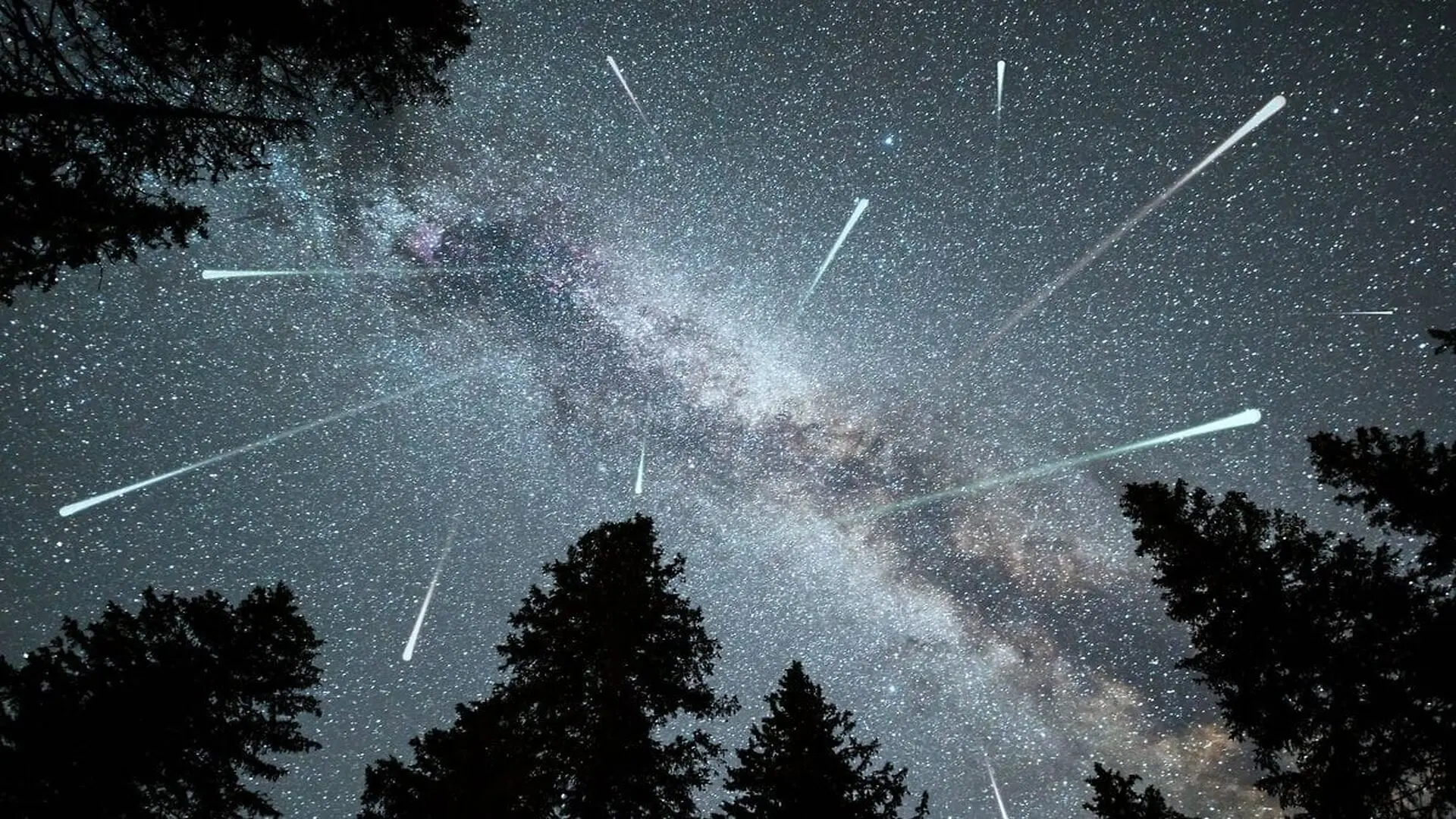
Skywatchers are in for a celestial treat this week as the Southern Taurid meteor shower reaches its secondary peak. Between the nights of November 4 and 5, 2026, observers have a prime opportunity to witness one of the year’s most visually striking displays, characterized by the appearance of brilliant fireballs.
While the Taurids are often characterized by a lower frequency of meteors compared to more prolific showers, they are renowned for the sheer intensity of their fireballs. According to the American Meteor Society, these exceptionally bright streaks can occasionally outshine even Venus. Because the particles are generally larger than those found in typical meteor streams, they often burn for a longer duration as they disintegrate in Earth’s atmosphere, creating a lingering effect that captures the attention of even casual observers.
A Prolonged Encounter with Debris
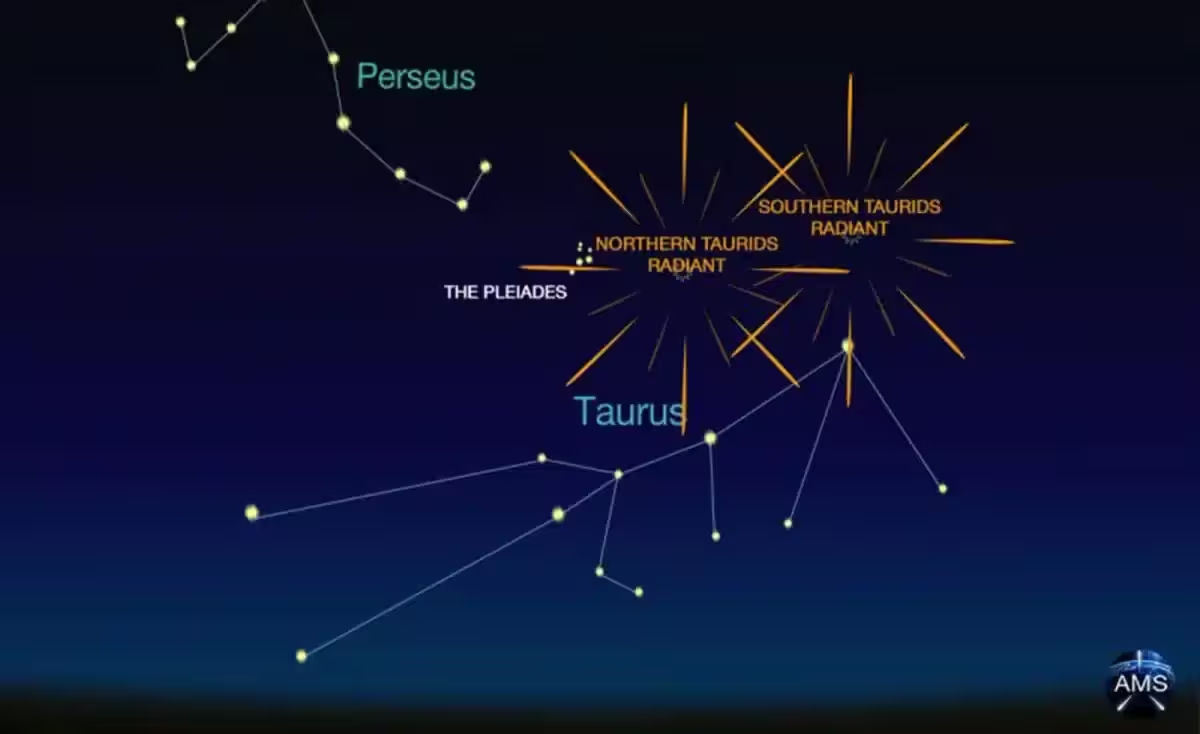
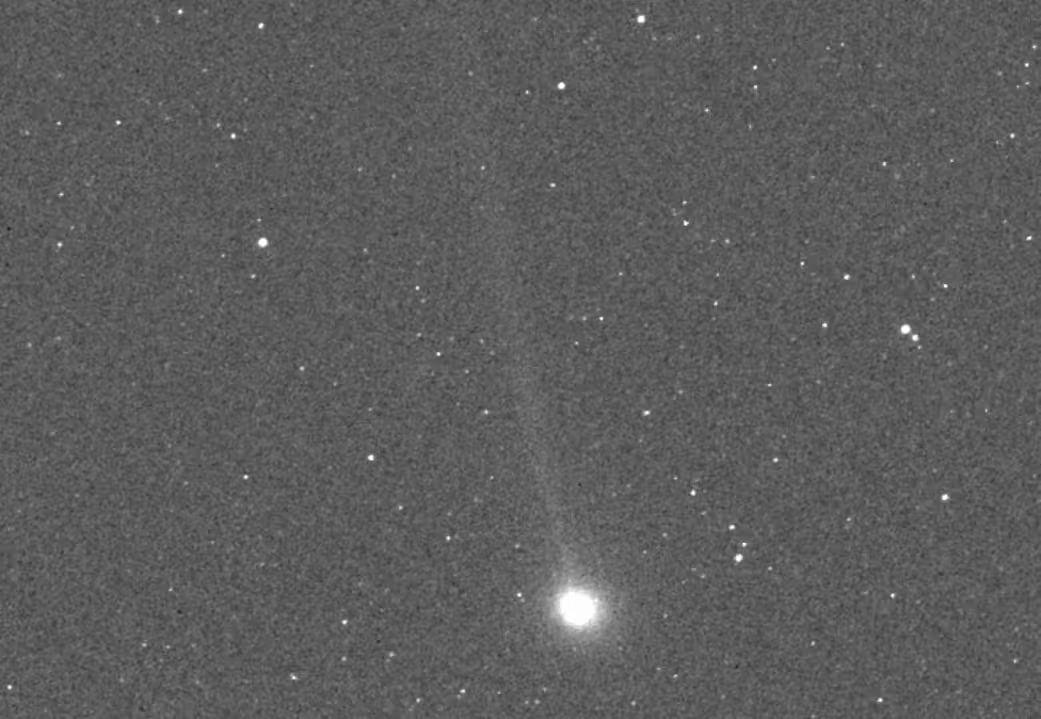
The Taurid phenomenon is actually a complex interaction between Earth and the sprawling debris field left behind by Comet 2P/Encke. As noted by Royal Museums Greenwich, the comet has deposited a remarkably wide trail of material, meaning it takes our planet a significant amount of time to drift through the stream. This creates two distinct but overlapping active periods: the Southern Taurids, which peaked earlier in mid-October and are now experiencing a secondary surge, and the Northern Taurids, which are slated to reach their peak on November 12.
Despite these two branches having separate timing and radiants, they share a common origin point in the constellation Taurus. Because the activity is spread out over several weeks, the Taurids provide a more flexible viewing window than more concentrated showers.
Observing Strategy for the Best Experience
For those hoping to catch the peak, the optimal window begins around midnight on November 4. To maximize your chances, experts recommend positioning yourself away from artificial light pollution and allowing your eyes at least 30 minutes to adjust to the darkness. A waning crescent Moon will provide dark skies, significantly improving visibility for fainter meteors.
When searching for the radiant in the constellation Taurus, look for the bright red star Aldebaran, located in the vicinity of the Orion constellation. However, don’t stare directly at the radiant itself. According to Space.com, meteors viewed about 45 to 90 degrees away from the radiant often exhibit longer, more impressive trails as they enter the atmosphere.
What’s up in the night sky for November? This month, you can look forward to: – Multiple meteor showers reaching their peak – Jupiter meeting up with Mars in the wee hours – A supermoon lighting up the night sky More skywatching tips: https://t.co/70oE63lKpz https://t.co/rV9ZShYsxM
— NASA (@NASA) November 2, 2026
No specialized optics are required for this event. Using the naked eye remains the most effective method, as it offers the expansive field of view necessary to capture sudden flashes across the horizon. If clouds or other factors interfere with this week’s viewing, the upcoming Northern Taurid peak on November 12 serves as a final opportunity to enjoy the remnants of the comet’s debris before the season concludes in December.
This article has been fact checked for accuracy, with information verified against reputable sources. Learn more about us and our editorial process.
Last reviewed on .
Article history
- Latest version
Reference(s)
- “2026/2027 Meteor Shower Calendar | American Meteor Society.” American Meteor Society <https://www.amsmeteors.org/calendar/>.
- Cermak, Alicia. “2P/Encke - NASA Science.”, November 29, 2017 NASA <https://science.nasa.gov/solar-system/comets/2p-encke/>.
- “Taurid meteor shower 2026: when and where to see it in the UK.” <https://www.rmg.co.uk/stories/space-astronomy/taurid-meteor-shower-when-where-see-it-uk>.
- Dobrijevic, Daisy. “Taurid meteor shower 2026 — When, where and how to see blazing fireballs.”, October 6, 2022 Space <https://www.space.com/taurid-meteor-shower>.
Cite this page:
- Posted by Karan Das