Scientists Are Using Lab Grown Human Neurons to Control a Robotic Dog
A robotic dog in Australia is navigating complex environments without a traditional processor. Discover the unconventional technology guiding its movements.
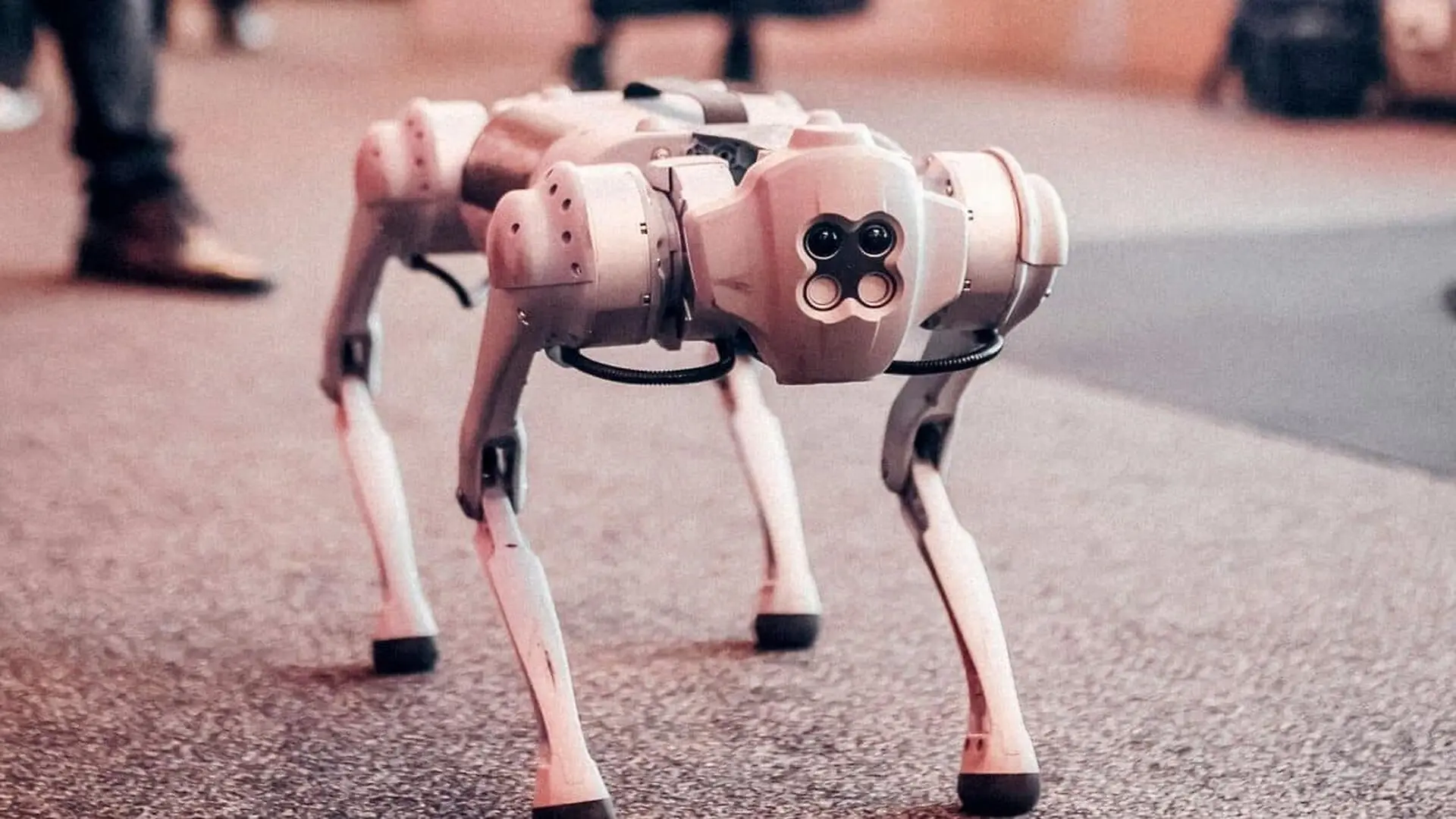
Researchers at the Australia-based startup Cortical Labs have successfully demonstrated a robotic dog guided by a cluster of living, lab-grown neurons. By integrating biological tissue with mechanical hardware, the team has moved beyond purely digital simulations, showcasing a physical machine directed by the electrical impulses of living cells.
This hybrid approach leverages the unique properties of biological neural networks, which are renowned for their remarkable energy efficiency and innate ability to navigate unfamiliar environments—capabilities that remain elusive for many conventional artificial intelligence systems. While the current prototype is in its infancy and operates with modest speed, it serves as a tangible milestone in the development of biological computing.
Bridging Biology and Silicon
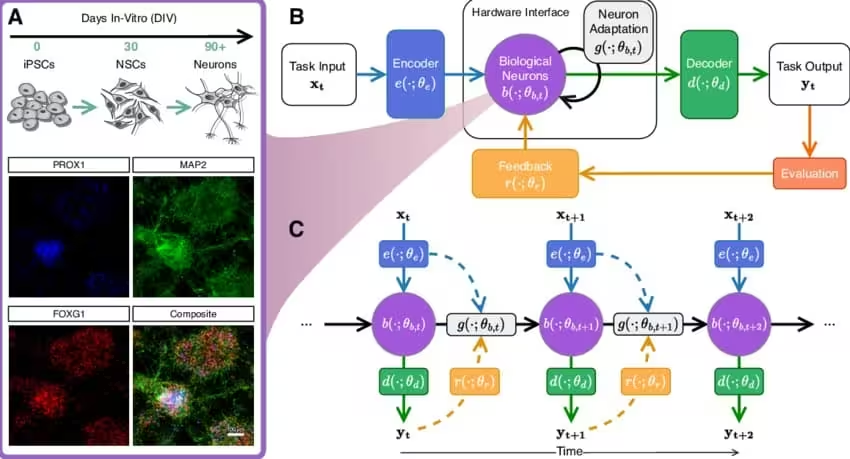
The system functions through a two-way interface. The neurons are cultivated directly onto a specialized chip embedded with electrodes, which act as a bridge between the biological and digital worlds. By sending and receiving electrical signals through this channel, the researchers established a feedback loop that allowed the neural cluster to command the robotic dog’s navigation toward specific goals on a map.
“The robotic dog is a simple demonstration of how progress in biological systems can also be applied into the real world, but it helps make the opportunity tangible,” says Brett Kagan, co-founder and CEO of Cortical Labs.
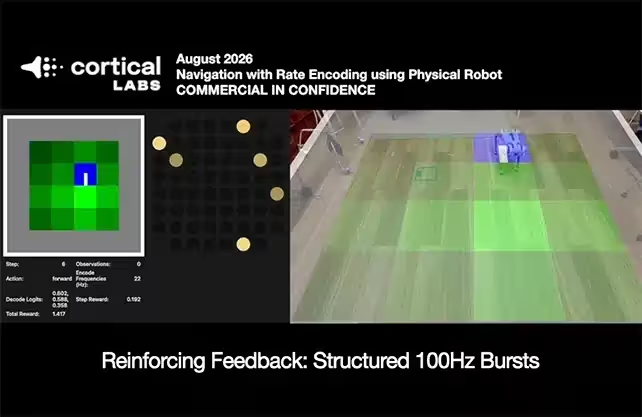
Kagan envisions a future where this technology underpins autonomous systems tasked with making complex decisions within unpredictable, real-world settings.
Collaborative Training Efforts
The project builds upon ongoing collaborations, including research with the Honda Research Institute Europe. In previous virtual experiments, scientists trained a digital agent to navigate a grid by stimulating a living chip with varying electrical patterns. This rigorous process involved more than 4,000 hours of interaction and nearly 1,300 unique signal combinations.
Daniel Tanneberg, a Senior Scientist at the Honda Research Institute Europe, emphasizes that while utilizing biological substrates presents significant hurdles, it offers a compelling pathway toward superior energy efficiency, increased robustness, and greater adaptability in machine intelligence.
Future Prospects for Biological Computing
Before moving to robotics, Cortical Labs gained attention for training neuron clusters to engage with video games like Pong and Doom. Kagan argues that despite the impressive physical dexterity of modern robotics, these machines still falter when faced with the high-level decision-making required to learn on the fly.
“Robots that are becoming remarkably capable machines at their physical control, still struggle with the higher order control required to learn quickly or adapt when conditions change,” Kagan explains.
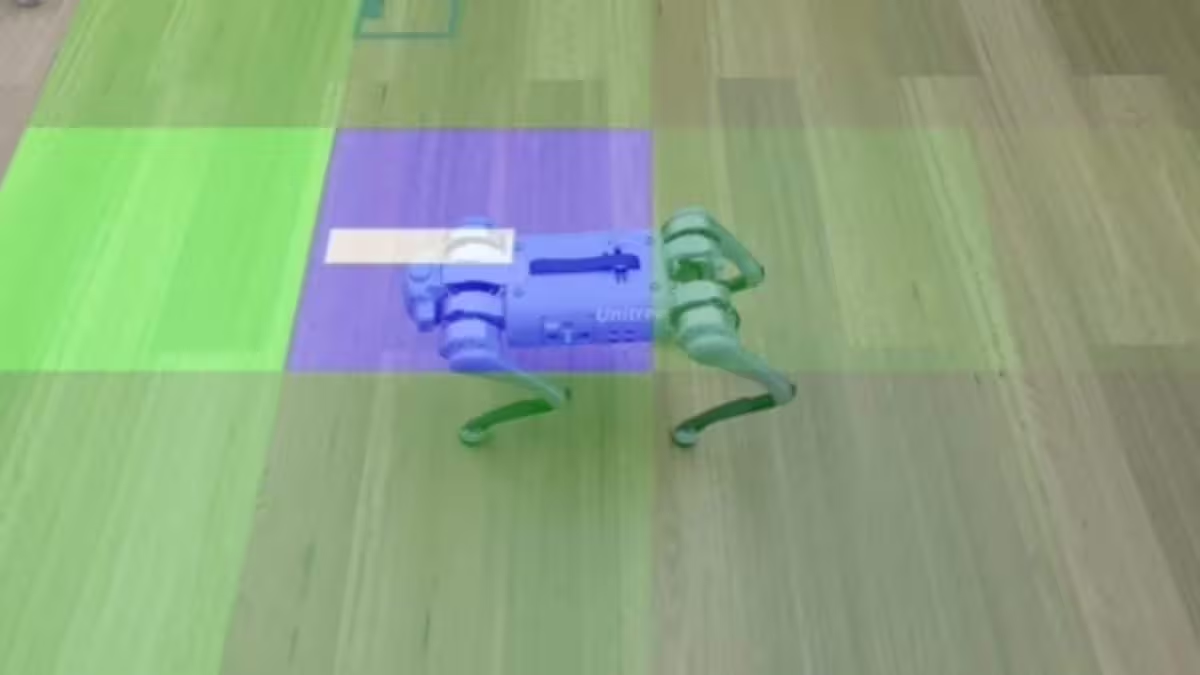
As the team looks to the future, the primary goals involve scaling the chip architecture to handle more complex tasks and investigating the memory retention mechanisms of these biological systems. Johnson Zhou, a Research Software Engineer at Cortical Labs, highlights the core challenge ahead: shifting from successful lab experiments to establishing consistent, reliable methods for communicating with and training biological processors.
This article has been fact checked for accuracy, with information verified against reputable sources. Learn more about us and our editorial process.
Last reviewed on .
Article history
- Latest version
Cite this page:
- Posted by Zara Tariq