How A Routine Drainage Repair Uncovered A Lost 1,400 Year Old Royal Tomb
A routine drainage repair uncovered thousands of priceless royal treasures, but the subsequent excavation left behind a dark and troubling legacy.
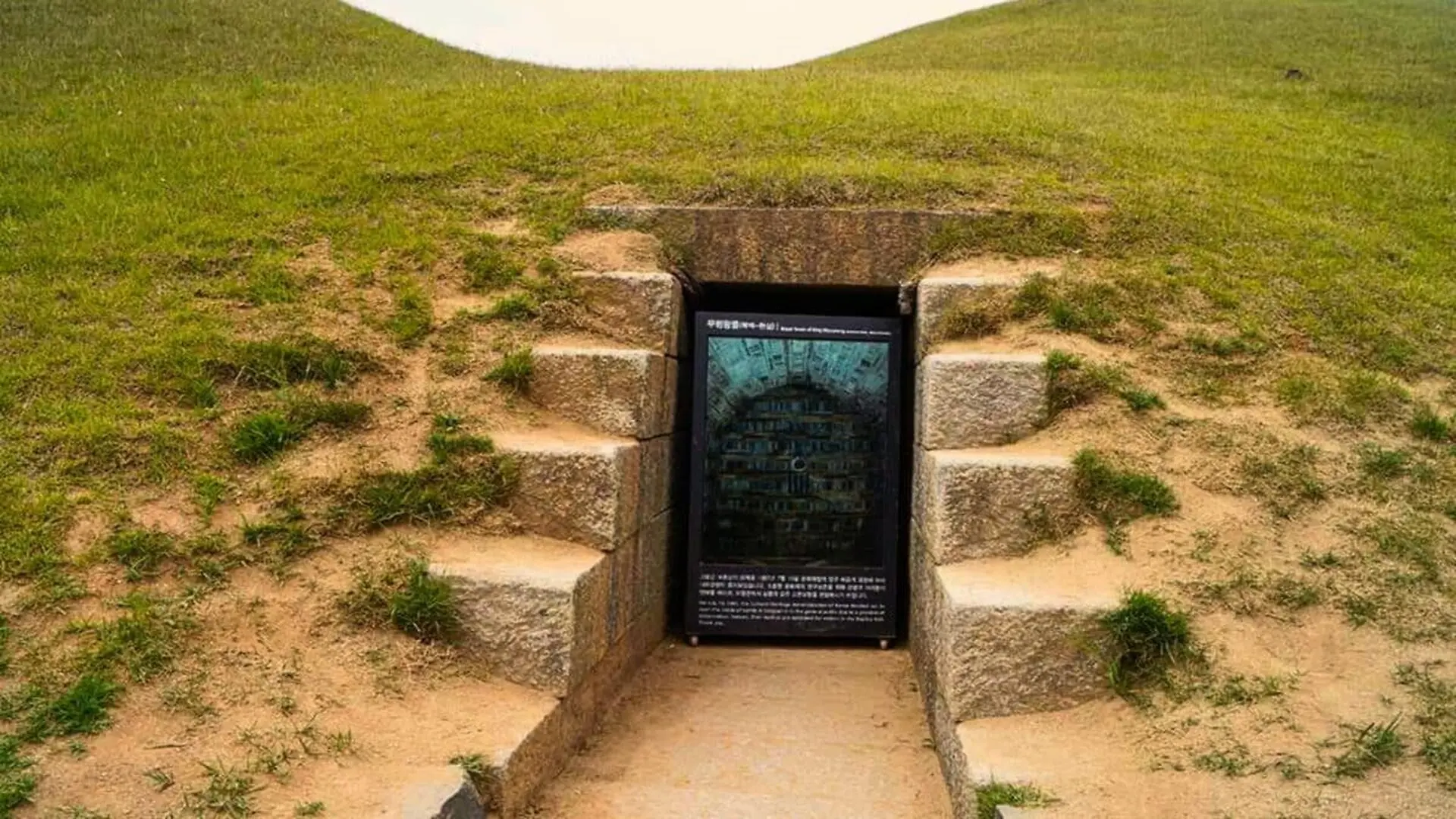
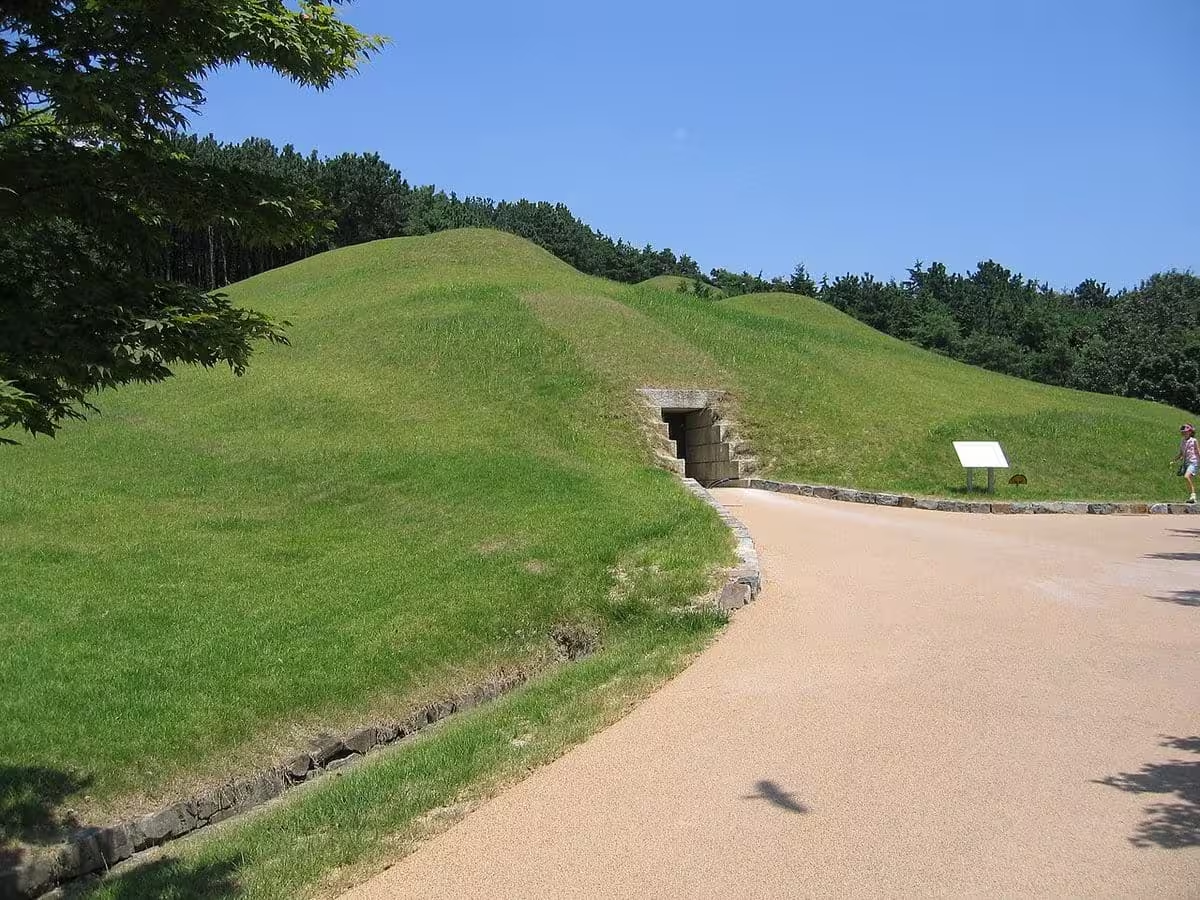
On a humid afternoon in July 1971, a routine infrastructure project in Gongju, South Korea, inadvertently unearthed one of the most significant archaeological finds in the country’s history. Workers tasked with digging a drainage trench behind the Songsan-ri royal cemetery struck an unexpected obstruction: a subterranean brick wall. This chance discovery led to the unsealing of the tomb of King Muryeong, a 6th-century monarch of the Baekje kingdom, whose final resting place had remained undisturbed by looters for nearly 1,500 years.
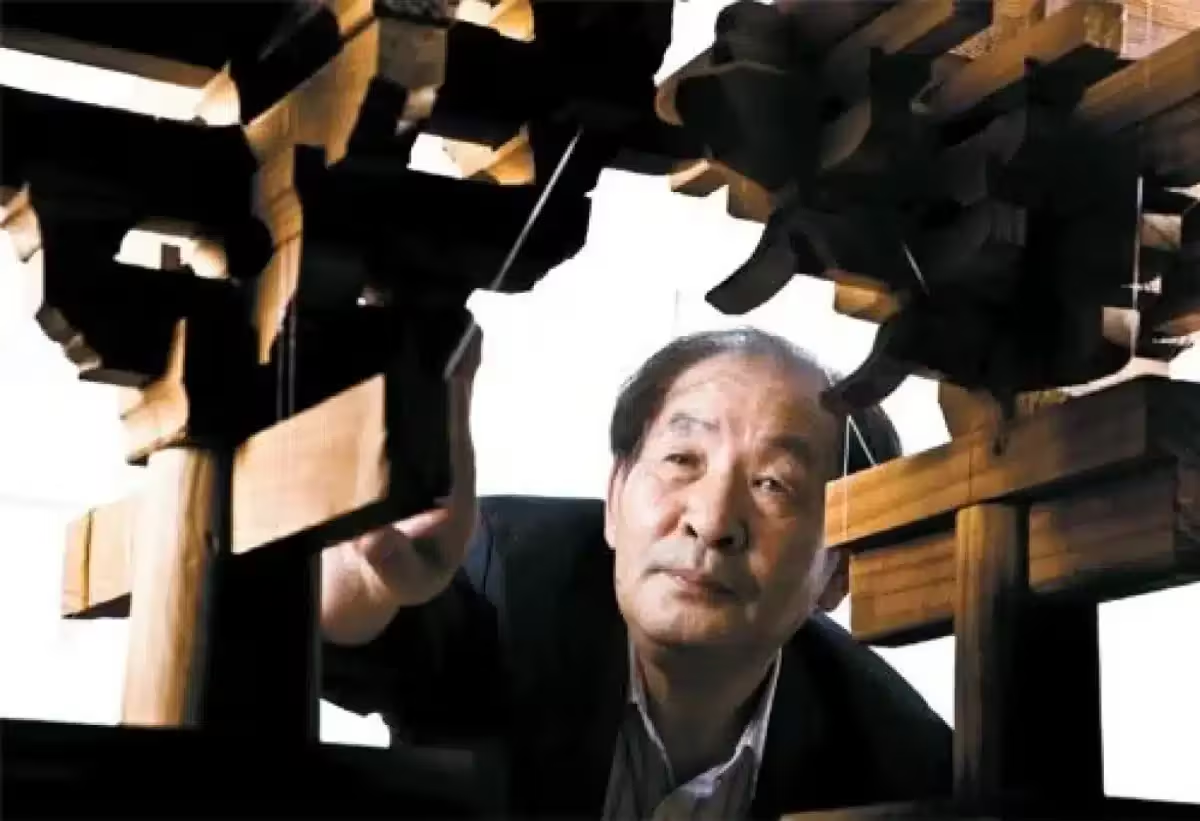
The site, which had been hidden from historical records, represents a unique treasure for researchers. It is the only royal tomb from Korea’s Three Kingdoms period where the occupants have been definitively identified through contemporary epigraphic evidence. The discovery process was swift and, by modern standards, rushed. Following the initial find by the construction crew, local museum staff began an unauthorized excavation that was eventually halted by national authorities. A formal archaeological team led by Kim Won-ryong, then director of the National Museum of Korea, took over the site on July 7, navigating through torrential rains and the challenges of a rapidly deteriorating site.
A Glimpse Into the Baekje Dynasty
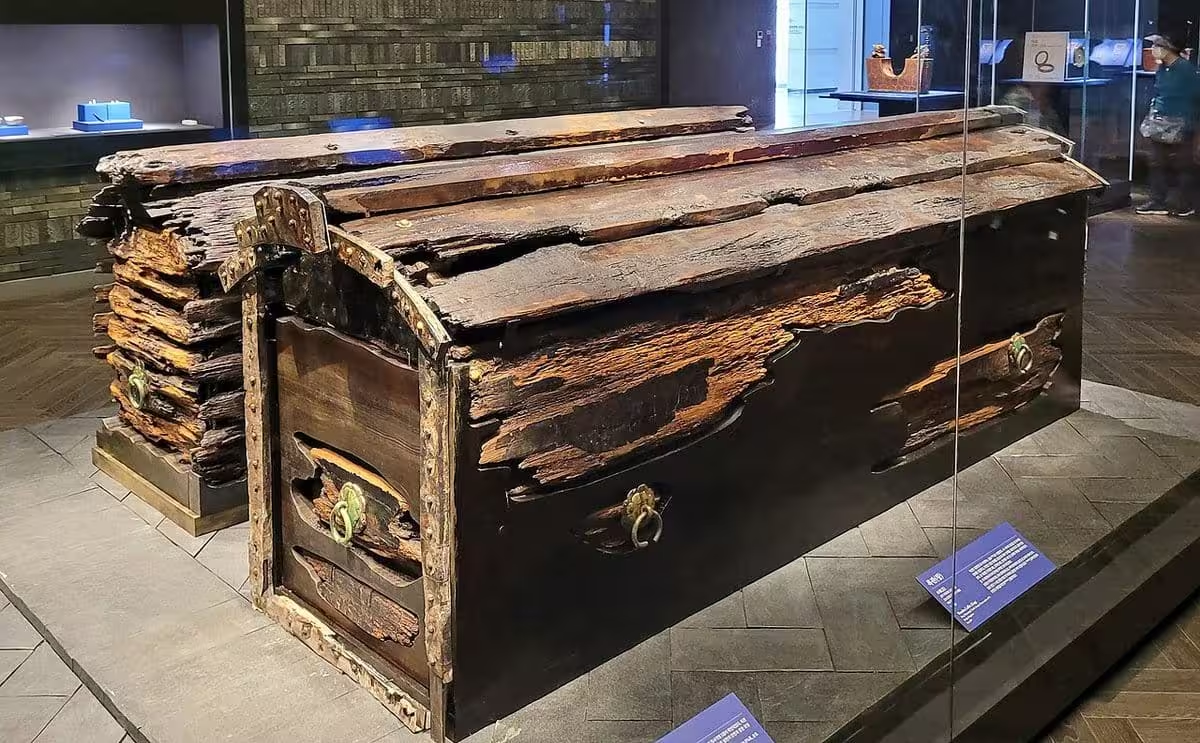
When the team finally breached the tomb on July 8, they were greeted by a pristine funerary chamber. Guarding the entrance was a mythical stone guardian, a boar-like figure adorned with a horn intended to ward off malevolent forces. Inside, researchers found the decomposed remains of two royal coffins crafted from Japanese umbrella pine—a material not native to the Korean peninsula, serving as a rare indicator of the era’s maritime trade networks.
The most critical items identified were two engraved epitaph stones. These slabs provided specific biographical data, including the death and burial dates of the king and queen, which correlated perfectly with the Samguk Sagi, the oldest official chronicle of Korean history. The text even noted the symbolic purchase of the land from the gods of heaven and earth, a ritualistic detail that provided deep insight into the spiritual life of the Baekje ruling class.
The Complexity of Preservation
Despite the historical magnitude of the find, the excavation itself remains a point of contention among scholars. The entire interior was cleared within a 17-hour window, a pace that precluded the meticulous documentation required to map the exact original positioning of artifacts. Subsequent generations of archaeologists have expressed regret over the lack of systematic recording during those few hours in July 1971.
Technical difficulties plagued the documentation process as well; many of the professional photographs taken inside the chamber were lost or damaged due to equipment failure. As a result, much of what is known about the tomb’s initial appearance comes from archival photos captured by journalists present at the scene. Discrepancies have also emerged over time regarding the artifacts themselves. While the initial 1973 report identified roughly 2,500 items, years of rigorous conservation and re-evaluation at the Gongju National Museum have expanded that count to over 5,200 individual pieces.
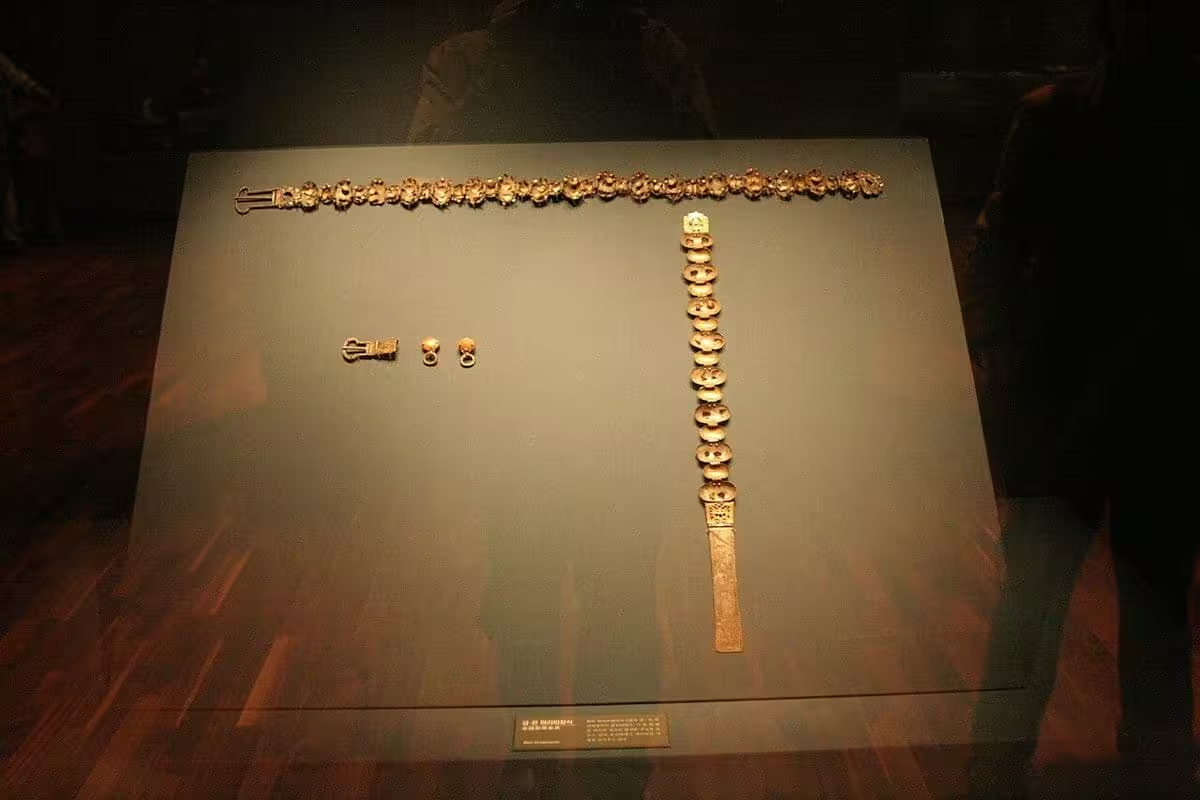
Today, the tomb is a core component of the Baekje Historic Areas, a UNESCO World Heritage site. While the haste of the original 1971 excavation is still debated, the recovery of such exquisite gold ornaments, weapons, and silver jewelry has provided an unparalleled window into the artistic and political sophistication of the Baekje people. The findings now reside in the nearby museum, ensuring that these remnants of a vanished royal line remain accessible for future study.
This article has been fact checked for accuracy, with information verified against reputable sources. Learn more about us and our editorial process.
Last reviewed on .
Article history
- Latest version
Reference(s)
- “ERROR.” <https://koreana.or.kr/user/0006/nd57452.do?View&boardNo=00000960&zineInfoNo=0006&pubYear=2017&pubMonth=SUMMER&pubLang=English>.
- Joo, Kyeongmi. “Critical Review on the Metalworks in the Tomb of King Muryeong.”, vol. 16, January 1, 2022, pp. 57-73. Journal of Korean Art and Archaeology, doi: 10.23158/jkaa.2022.v16_05. <https://www.ijkaa.org/v.16/0/57/11>.
Cite this page:
- Posted by Zara Tariq