Scientists Discovered a 440 Million Year Old Fungus That Transformed Earth’s Barren Land
A tiny ancient fossil reveals that fungi were thriving on land long before plants, but a profound mystery about their origins remains unsolved by scientists.
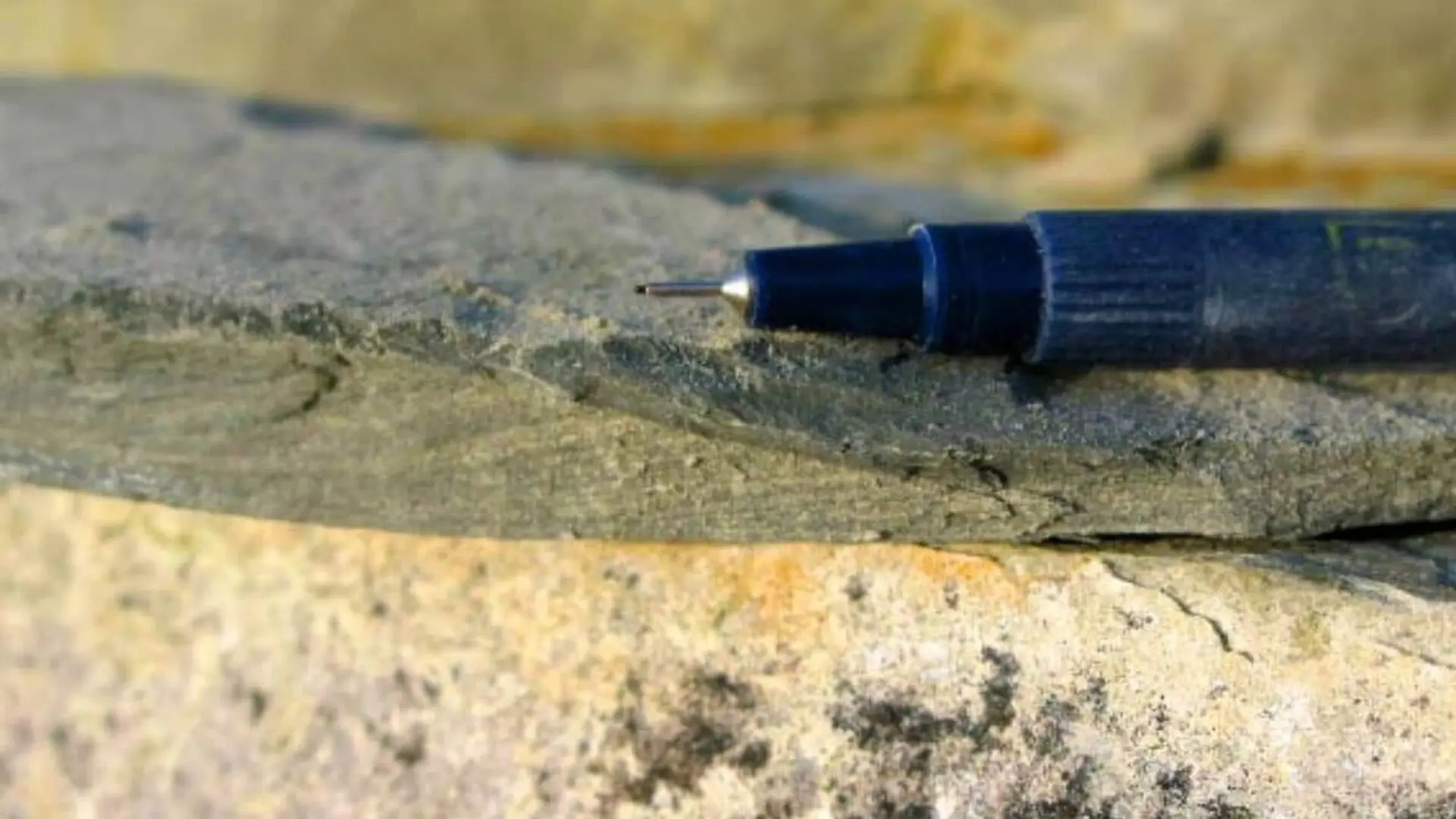
A remarkable discovery from the Silurian period has reshaped our understanding of how life first claimed the continents. Roughly 440 million years ago, when the terrestrial landscape was largely barren and life was primarily restricted to the oceans, a tiny organism known as Tortotubus protuberans was already hard at work laying the foundations for the ecosystems we recognize today.
Identified by paleontologist Dr. Martin Smith of Durham University, this ancient fungus represents one of the oldest known examples of a land-dwelling organism. While the Silurian world lacked the forests and lush vegetation that would follow millions of years later, Tortotubus was quietly facilitating the critical biogeochemical processes necessary for soil development.
Architects of the Early Earth
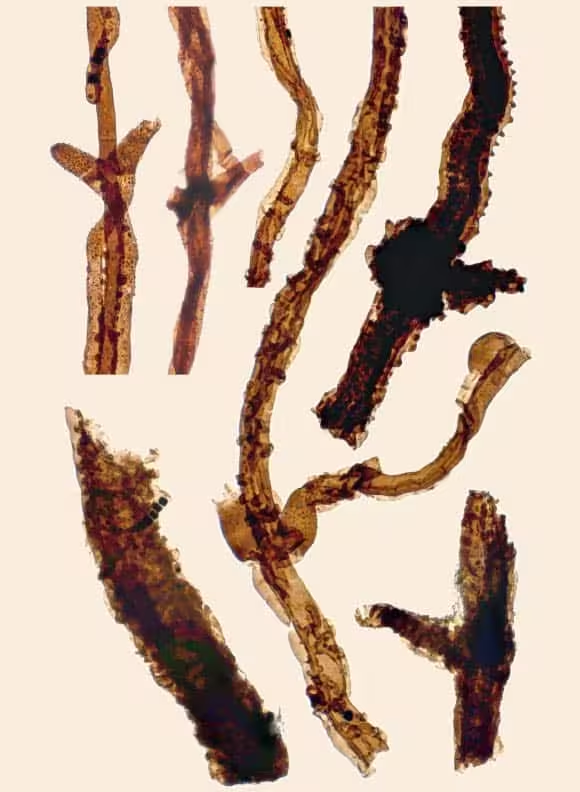
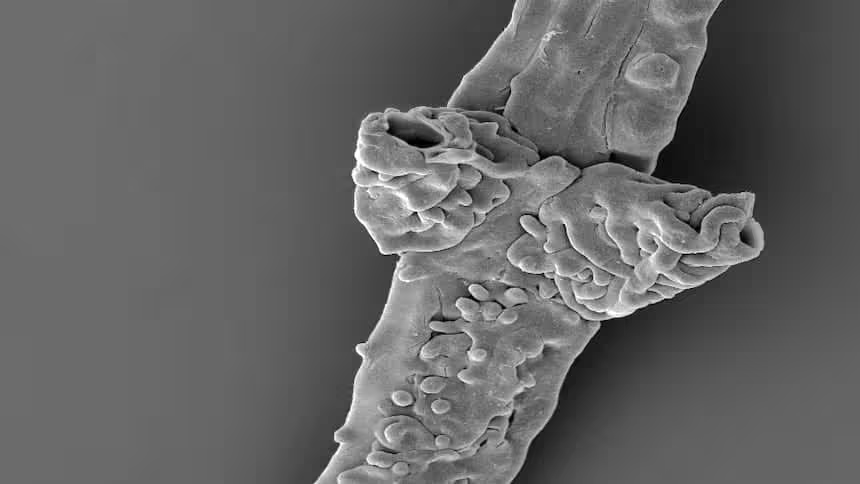
The morphology of Tortotubus protuberans, as detailed in the Botanical Journal of the Linnean Society, reveals a level of complexity that was previously unexpected for its time. Through microscopic analysis, researchers identified a distinct cord-like structure consisting of a primary filament that produced smaller, branching offshoots. These branches curved back to wrap around the main structure, creating a sophisticated network.
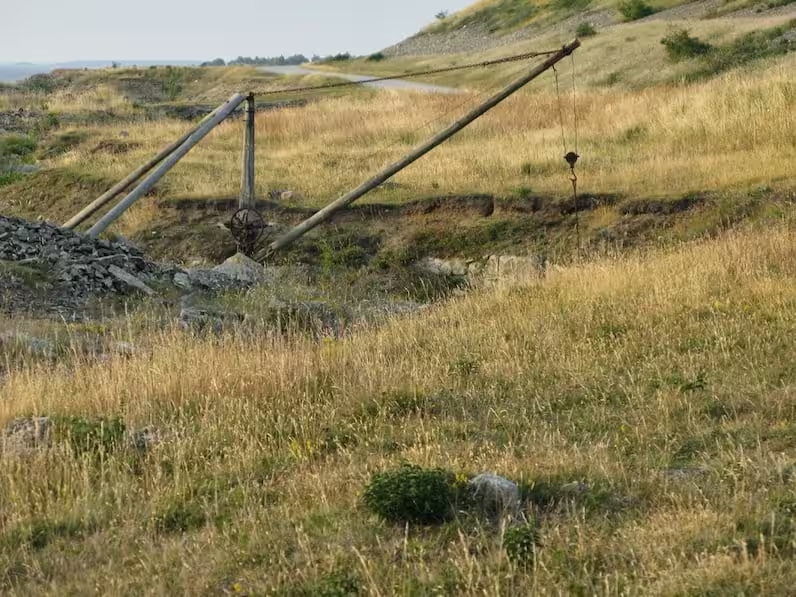
This organized arrangement is functionally similar to modern fungal networks, which are used to transport nutrients across colonies. In an environment where resources were scarce and patchily distributed, such a strategy would have provided a significant evolutionary advantage, allowing the organism to colonize new territories across the rugged, rocky landscape.
Establishing the First Soils
Before the arrival of complex root systems in plants, the terrestrial surface was largely held in place by little more than sediment. Fungi bridged this gap by actively contributing to the weathering of rock and the stabilization of ground surfaces. By breaking down the limited organic matter available, they accelerated the creation of soil, effectively creating the conditions that would allow later plant life to take root.
“What we see in this fossil is complex fungal ‘behavior’ in some of the earliest terrestrial ecosystems – contributing to soil formation and kick-starting the process of rotting on land,” Dr. Martin Smith explains.
The Mystery of the First Decomposers
The presence of a fungus capable of decomposition presents a lingering scientific question: what exactly was it consuming? During the Silurian period, there were no large plants to provide the leaf litter and wood that sustain most modern fungi. Dr. Smith suggests that Tortotubus likely subsisted on a diet of microscopic pioneers, such as bacteria and simple algae, which were already present on land. Because these minute organisms rarely fossilize well, the exact composition of the Silurian “menu” remains difficult to reconstruct, yet the evidence of the fungus’s activity confirms that life on land was far more active than the stark, rocky vistas might suggest.
This article has been fact checked for accuracy, with information verified against reputable sources. Learn more about us and our editorial process.
Last reviewed on .
Article history
- Latest version
Reference(s)
- Smith, Martin R.. “Cord-forming Palaeozoic fungi in terrestrial assemblages.” Botanical Journal of the Linnean Society, vol. 180, no. 4, March 2, 2016, pp. 452-460. Oxford University Press (OUP), doi: 10.1111/boj.12389. <https://onlinelibrary.wiley.com/doi/abs/10.1111/boj.12389>.
- <https://www.bournemouth.ac.uk/about/our-people/dr-martin-smith>.
Cite this page:
- Posted by Zara Tariq