Scientists Discover Mysterious Teardrop Shaped Structures Beneath Antarctica Before Submarine Vanishes
A robot has vanished after exploring a mysterious, alien-like landscape, leaving scientists with more questions than answers about its final mission.
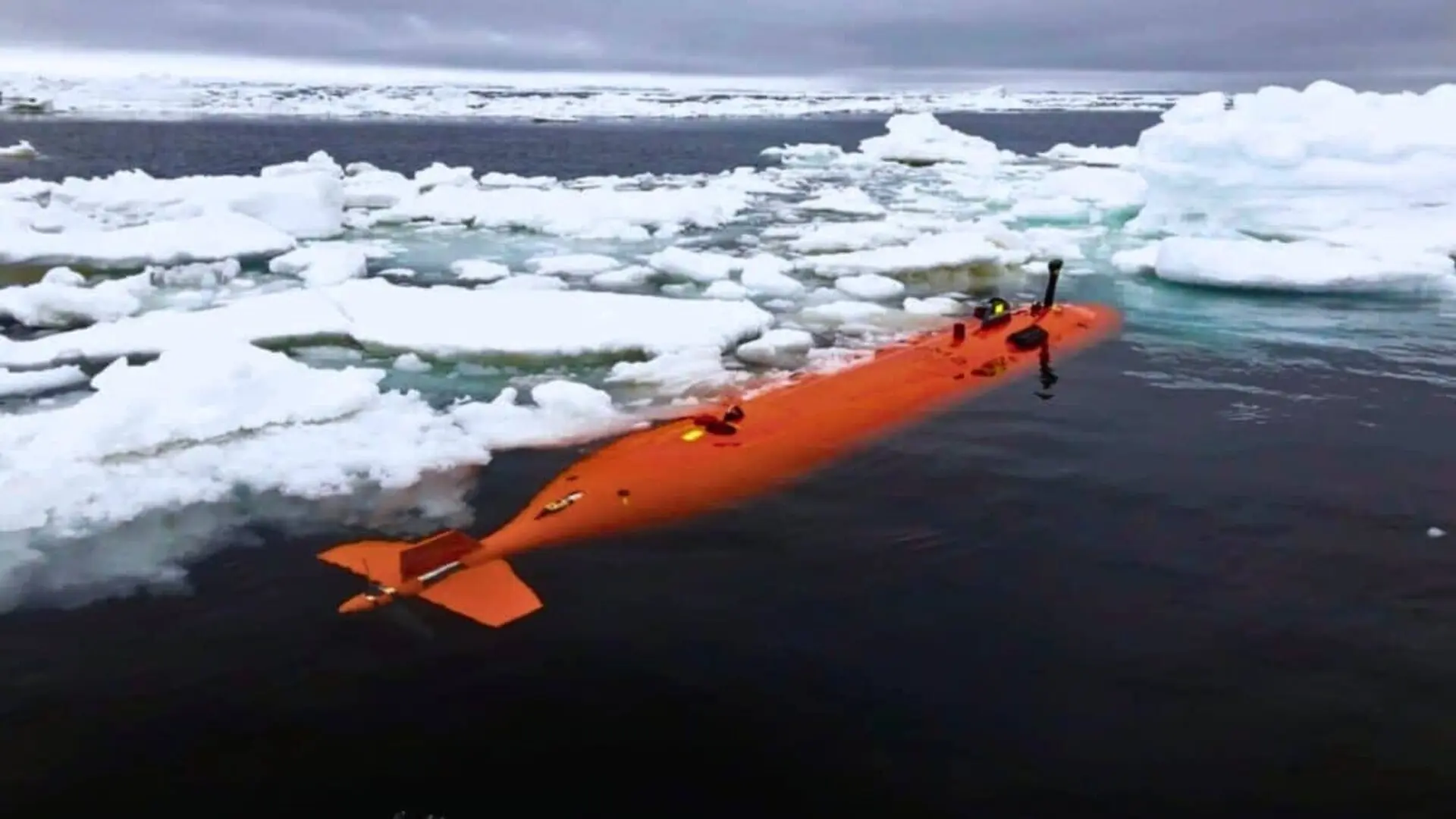
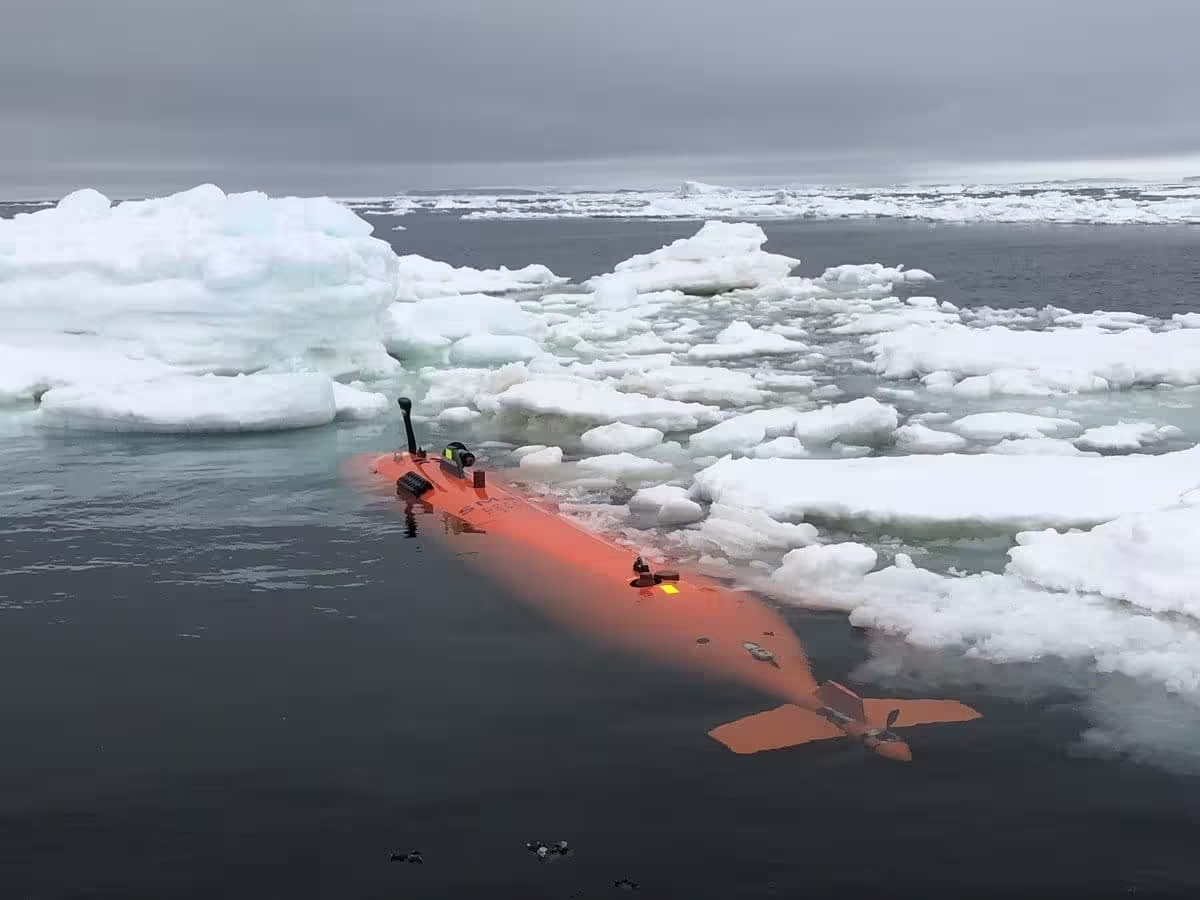
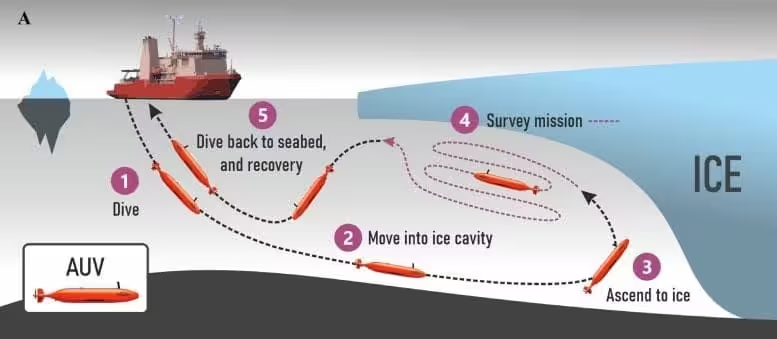
Early in 2024, an autonomous underwater vehicle known as Ran, a bright orange, seven-meter-long robot, vanished beneath the massive Dotson Ice Shelf in West Antarctica. Despite being programmed for a specific route under hundreds of meters of solid ice, the craft failed to resurface, marking a significant loss for polar researchers. Anna Wåhlin, an oceanographer at the University of Gothenburg who led the mission, confirmed the likely permanent loss of the vehicle in an official statement from the International Thwaites Glacier Collaboration.
Mapping the Hidden Landscape Beneath the Ice
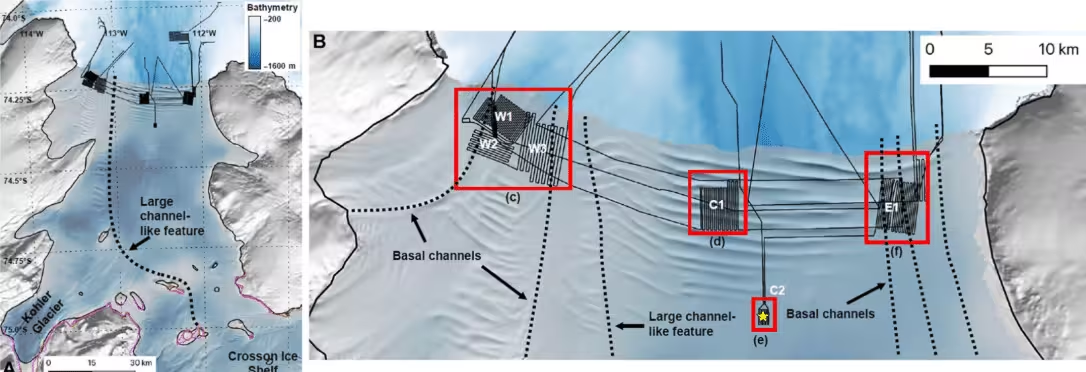
The disappearance was particularly painful because of the groundbreaking data the robot had already collected. During a 2022 deployment, Ran provided scientists with the first high-resolution maps of an ice shelf’s underbelly. Navigating 17 kilometers into the cavity beneath the 350-meter-thick shelf, the vehicle spent 27 days using upward-facing multibeam sonar to scan the ice from 50 meters below.
The findings, detailed in a study published in Science Advances, revealed a landscape far from uniform. Researchers identified distinct terraces, eroded channels, and mysterious teardrop-shaped hollows that current climate models struggle to account for. Wåhlin likened the experience to witnessing the far side of the moon, as the data exposed how turbulence and localized currents actively carve away at the ice from beneath.
Decoding Accelerated Melting Processes
Beyond mapping, Ran’s instrumentation measured water currents, providing a clearer understanding of why the western side of the Dotson Ice Shelf experiences such rapid melting. By capturing this combination of oceanographic data and morphological imaging, the team gained a more complete picture of ice-shelf stability than was previously possible, offering vital information for calibrating satellite observations.
For geophysicists like Rob Larter of the British Antarctic Survey, understanding these underwater mechanisms is critical. Warm water circulation is a primary driver of mass loss in major West Antarctic glaciers, and these insights are essential for predicting future global sea-level rise.
Moving Forward with Enhanced Technology
Following the loss of the original unit during a repeat survey mission in 2024, the University of Gothenburg began the process of commissioning a replacement. In October 2025, the university confirmed that a new vehicle, dubbed Ran II, had been secured. This next-generation HUGIN model, rated for depths of up to 3,000 meters, is financed through a combination of insurance coverage and a grant from the Voice of the Ocean Foundation.
Engineered for greater resilience, the new system features improved navigation protocols and advanced emergency decision-making capabilities designed to prevent similar failures in high-stakes environments. While its primary mission will involve domestic research in the Baltic Sea, the university expects that the vehicle will eventually be deployed to Antarctic waters, ensuring that the critical work of monitoring these rapidly changing ice shelves can continue.
This article has been fact checked for accuracy, with information verified against reputable sources. Learn more about us and our editorial process.
Last reviewed on .
Article history
- Latest version
Reference(s)
- “Final mission for the underwater robot ‘Ran’ under Thwaites Glacier | ITGC Thwaites Glacier.”, February 9, 2024 <https://thwaitesglacier.org/node/799>.
- Wåhlin, Anna., et al. “Swirls and scoops: Ice base melt revealed by multibeam imagery of an Antarctic ice shelf.” Science Advances, vol. 10, no. 31, August 2, 2024 American Association for the Advancement of Science (AAAS), doi: 10.1126/sciadv.adn9188. <https://www.science.org/doi/10.1126/sciadv.adn9188>.
Cite this page:
- Posted by Zara Tariq